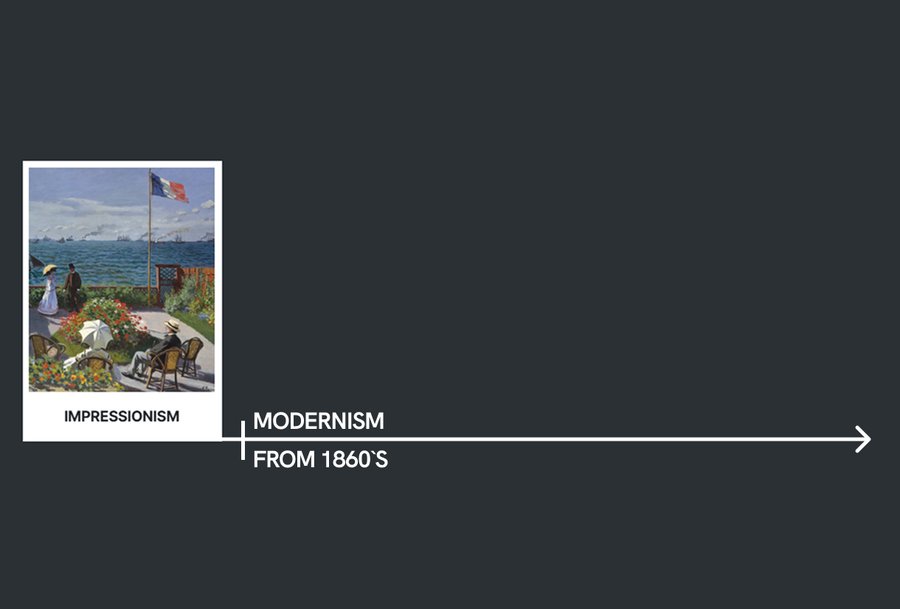
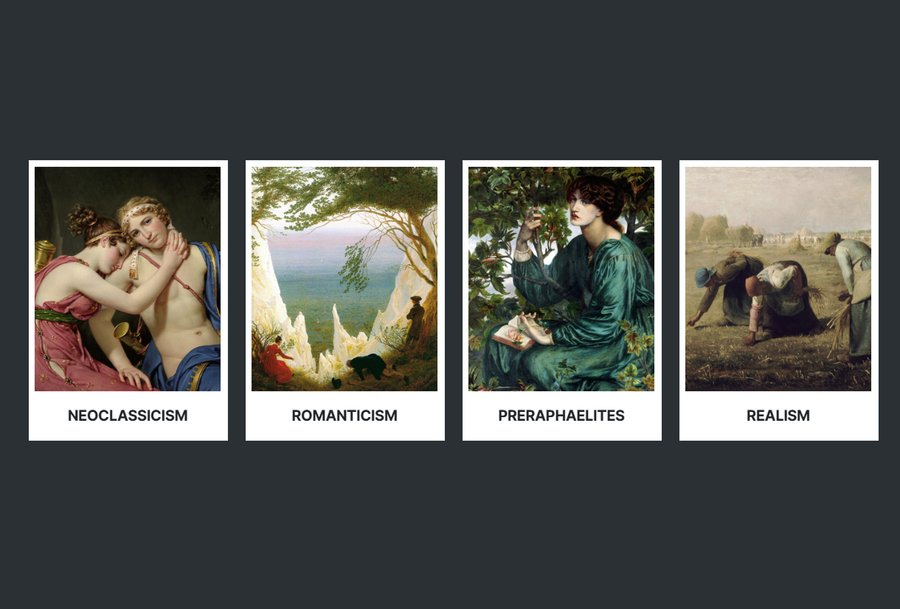
The timeline of European Modern Art begins in the late 16th century with Mannerism and extends through the end of the 19th century with Impressionism. It is impossible to cover every characteristic of the styles or name all the artists, but we can highlight the defining features of each period of Modern Art.
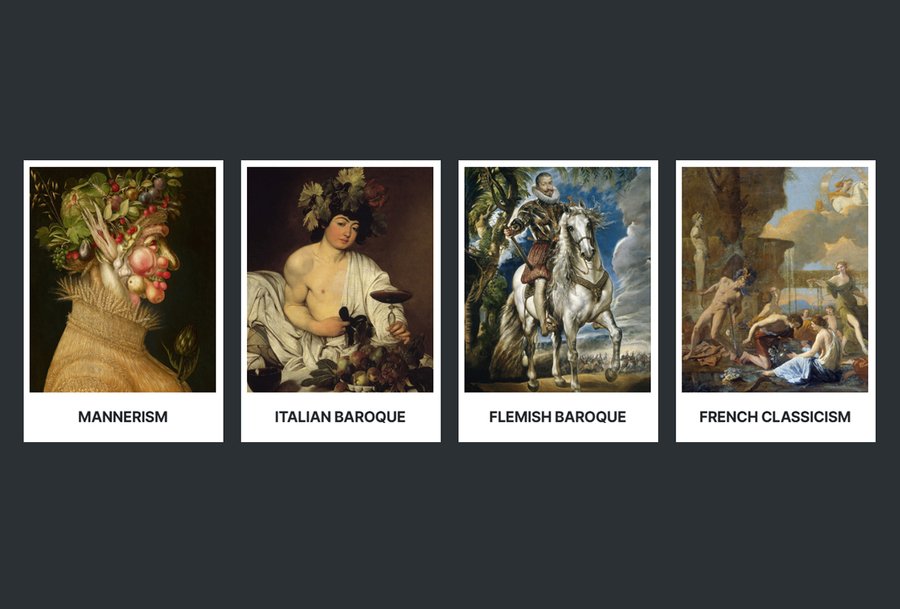
MANNERISM Late 16th Century
The Mannerist style, originating in Florence and Rome, rapidly spread throughout Central and Northern Europe. Continuing the tradition of «ideal beauty» while challenging the concept of anthropocentrism in the universe, Mannerists moved toward art as a form of aesthetic representation that elevates emotion over intellect.
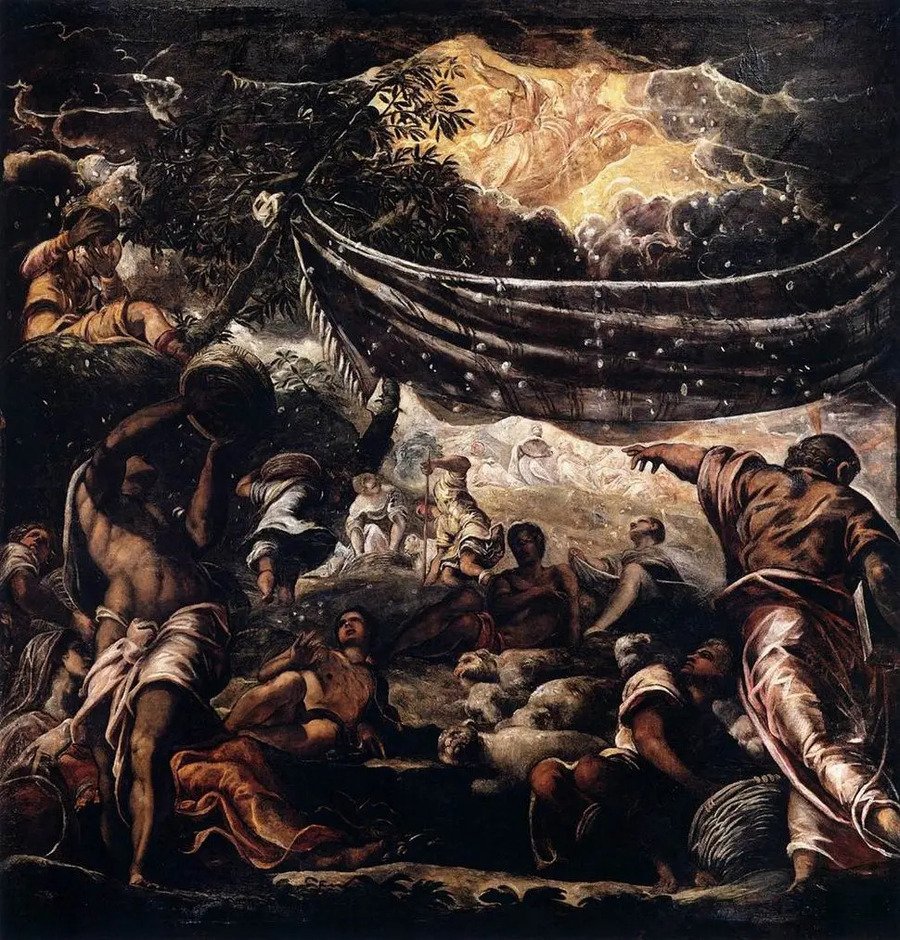
Tintoretto (Jacopo Robusti) — Miracolo di Manna, 1577
Mannerism is often labeled as «irrational» art due to its unusual juxtaposition of classical and imagined tropes and its unfamiliar color palettes. The focus of High Renaissance artists shifted to a mesmerizing attention to decorative elements and patterns—even «flattening» perspective to serve decorative sensibilities. Mythological and allegorical imagery, frequently with erotic undertones, also gained renown.
The Mannerist emphasis on style and technique is best characterized by their iconic, elongated «S-curve» figures and compositionally improbable arrangements, which prioritized decoration.
ITALIAN BAROQUE 17th Century
Proponents of Baroque art wanted artists to make the doctrines and teachings of the Catholic Church easily accessible, understandable, and legible to everyone. Art and architecture of that era were intended to draw believers back into the fold of the church. They aimed to infuse religious narratives with sincerity and emotional depth, immersing viewers in dramatic and emotionally charged scenes where lighting played a central role.
Lorenzo Bernini St. Peter’s Square and Colonnade, 1656–1667
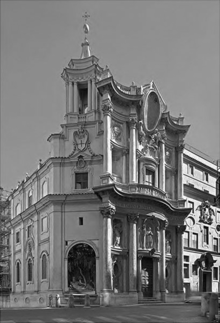
In Italian Baroque, emotions evoked by interaction with art hold a significant place. One of the reasons for this was the Catholic Church in Rome, which concentrated its efforts on redefining its importance and authority. The Church prompted artists to emphasize drama and grandeur in religious imagery in line with the so-called «Counter-Reformation Act.» Baroque art possessed a propagandistic aspect that was carried across Europe and into recently colonized regions worldwide, where missionaries arrived to convert «primitive» peoples to Catholicism.
Caravaggio, for example, developed what is known as tenebrism, using high-contrast chiaroscuro to illuminate specific elements within dark, atmospheric scenes.
Architects such as Lorenzo Bernini were called upon to reshape the Roman cityscape. His St. Peter’s Square, framed by a colonnaded arc that creates an illusion of embrace, encircles the square, inviting entry into St. Peter’s Basilica.
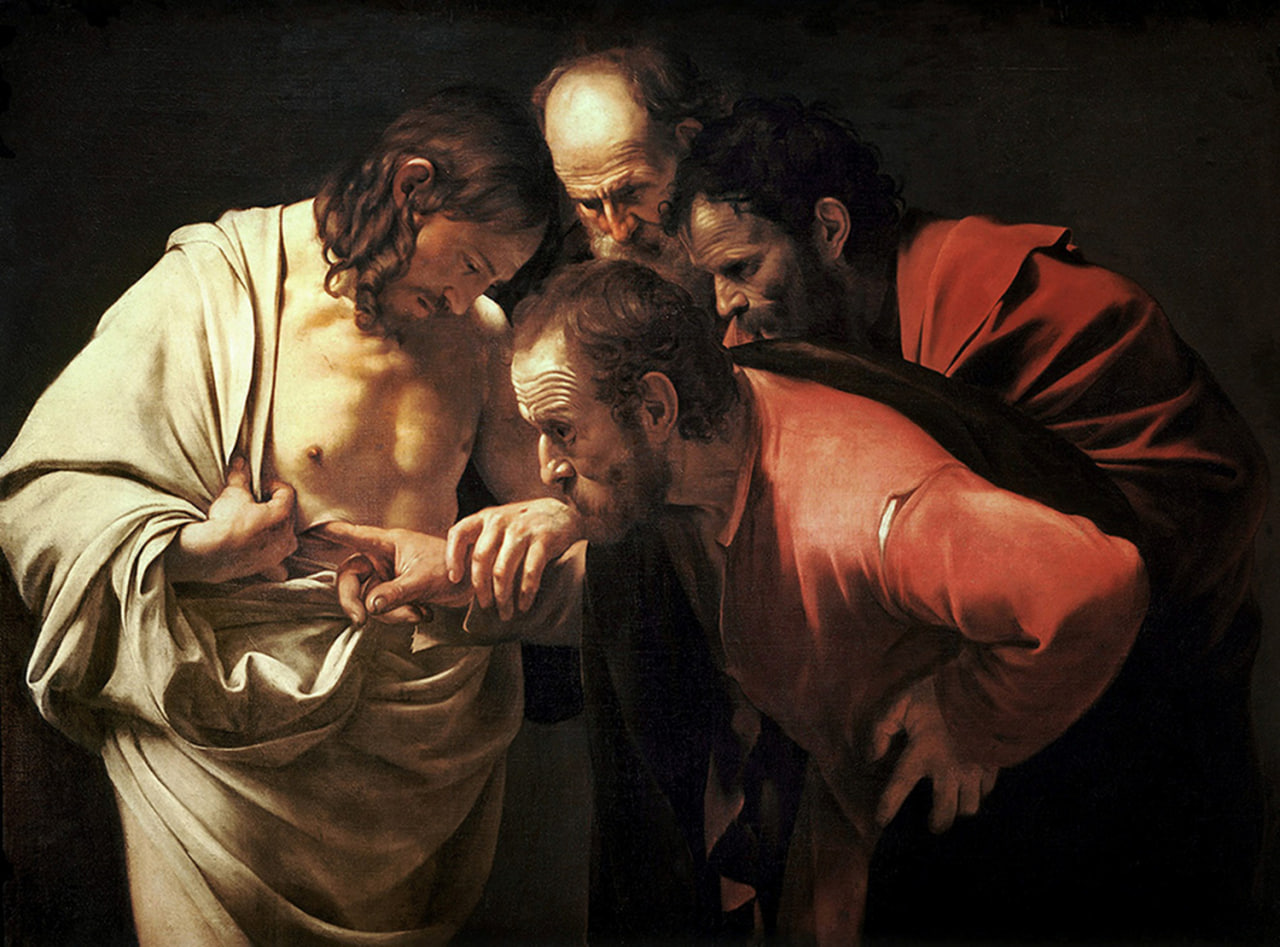
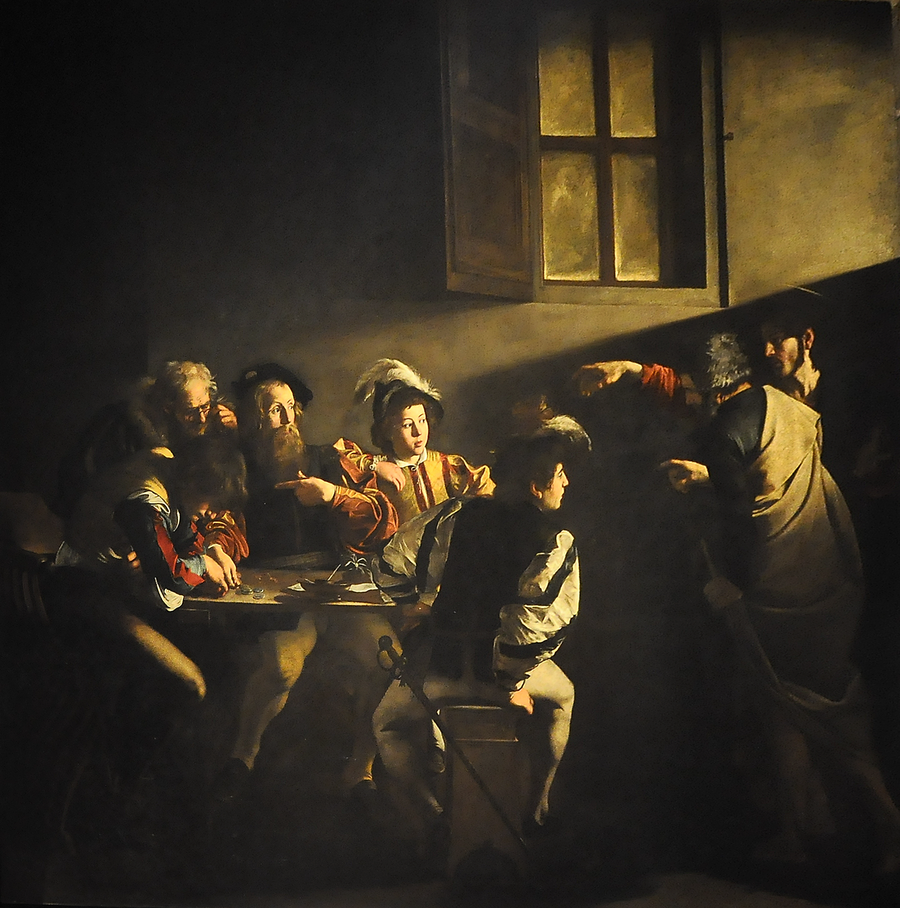
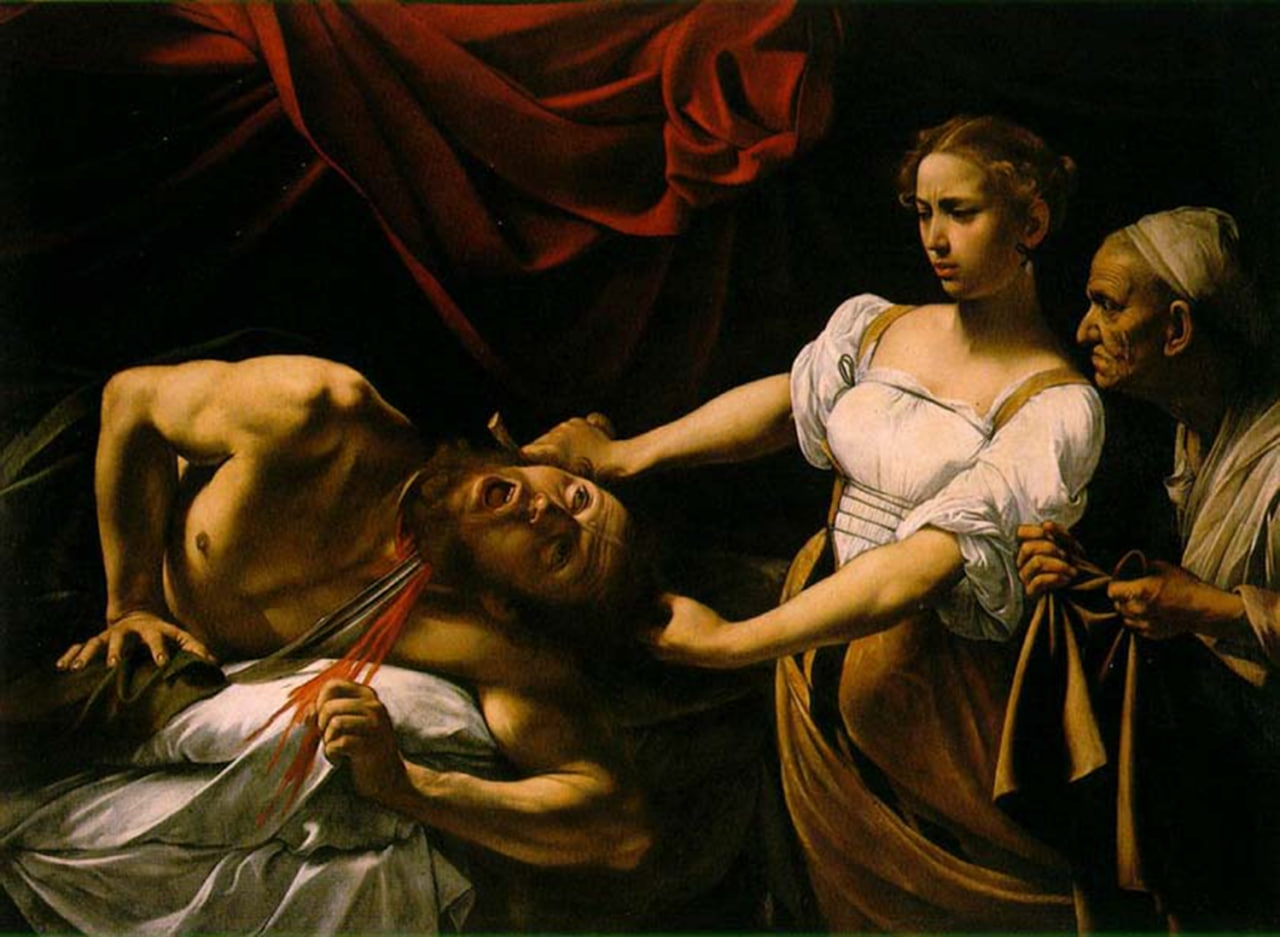
Caravaggio The Calling of Saint Matthew, 1598–1601 Judith and Holofernes, 1599 Doubting Thomas, 1601
FLANDERS BAROQUE 17th Century
Feudal nobility, the upper bourgeoisie, and the Catholic Church played a significant role in 17th-century Flanders. These groups became the primary patrons of the arts, as, unlike their Dutch neighbors, Flanders remained under Spanish rule. Catholicism was the dominant religion in the territories, meaning that the main art commissions were state-driven rather than private.
In the 17th century, regional art was dominated by subjects from Holy Scripture, ancient mythological scenes, portraits of prominent patrons, hunting vignettes, and large-scale still lifes. These genres incorporated elements of both the Spanish and Italian Renaissance, alongside Dutch traditions.
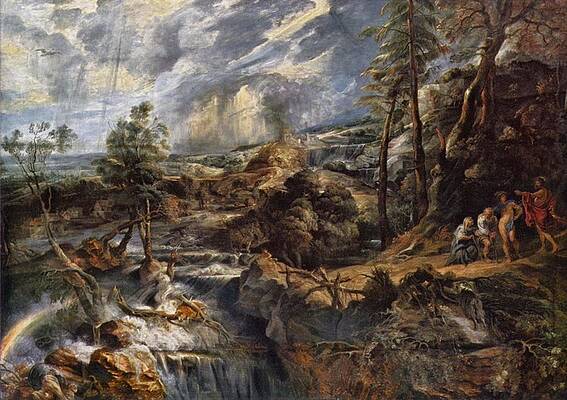
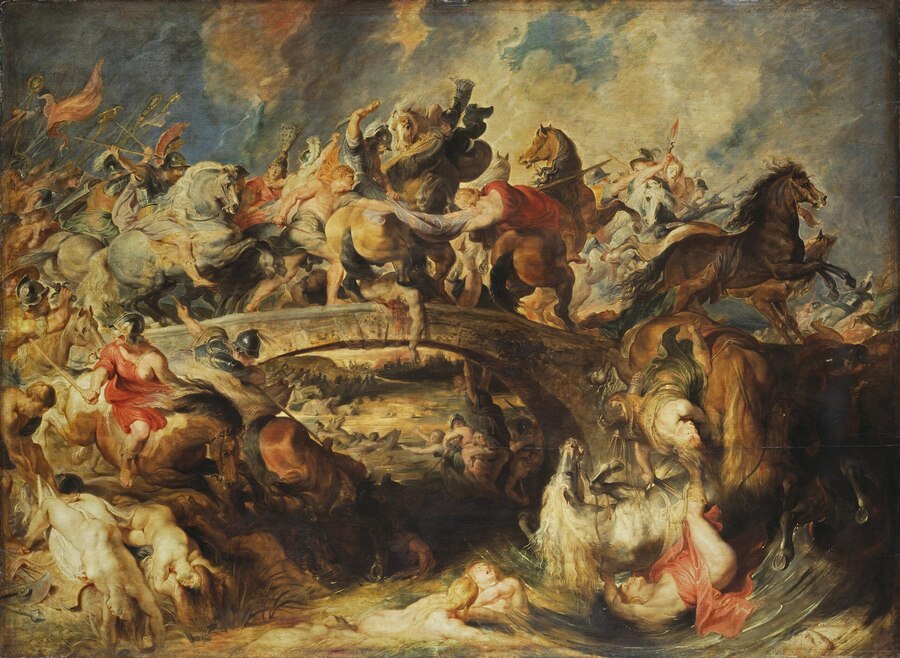
Peter Paul Rubens The Battle of the Greeks and Amazons, 1615 Landscape with a Storm, 1625
The richness and emotional fullness characteristic of Catholicism as a whole and the Spanish in particular permeate even the genre of still life, as we see in the paintings of Frans Snyder.
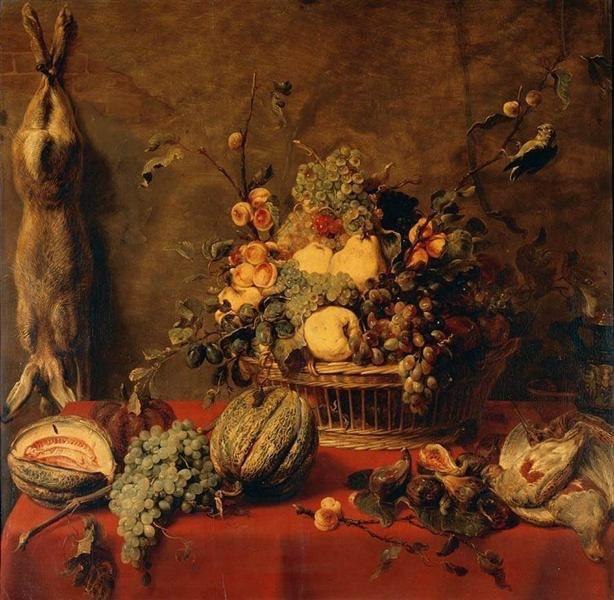
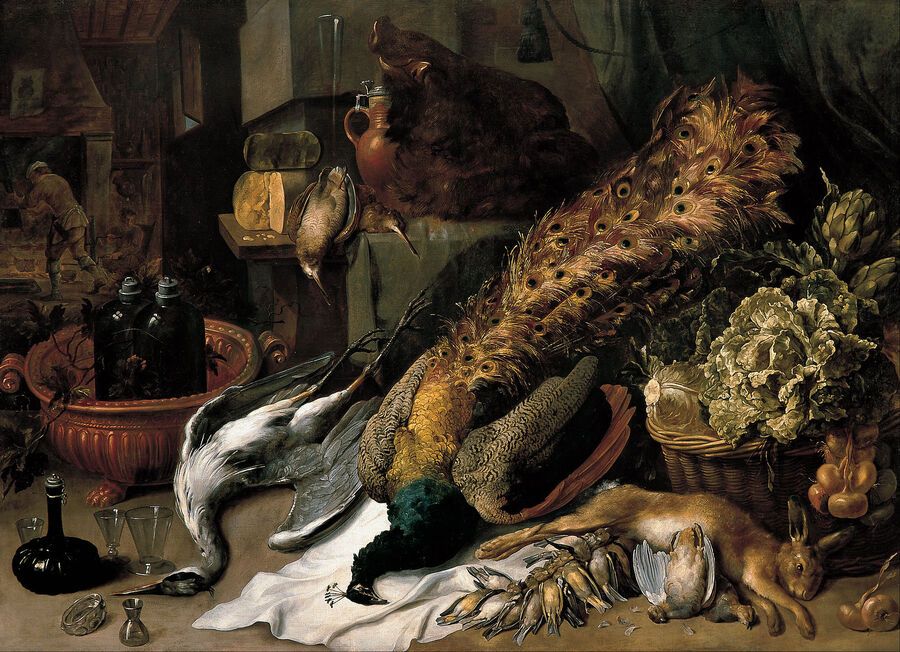
Frans Snyders Still Life with a Wine Cooling Bucket, 1610–1620 Still Life with Fruits, 1630–1639
FRENCH CLASSICISM 17th Century
The solidification of academicism as a primary art form occurred in 17th-century French art, as the royal court and its burgeoning absolute power deliberately sought support in art to establish a style reflecting the trends of absolutism.
The Versailles Palace viewed neoclassical painting as the ideal artistic language for glorifying the absolutist state of the «Sun King,» Louis XIV. Classical art of this period is characterized by a concise, logical narrative rhythm, clear and easily understandable subject matter, balanced composition, a predominance of medium shots in painting, and a generalized drawing style.
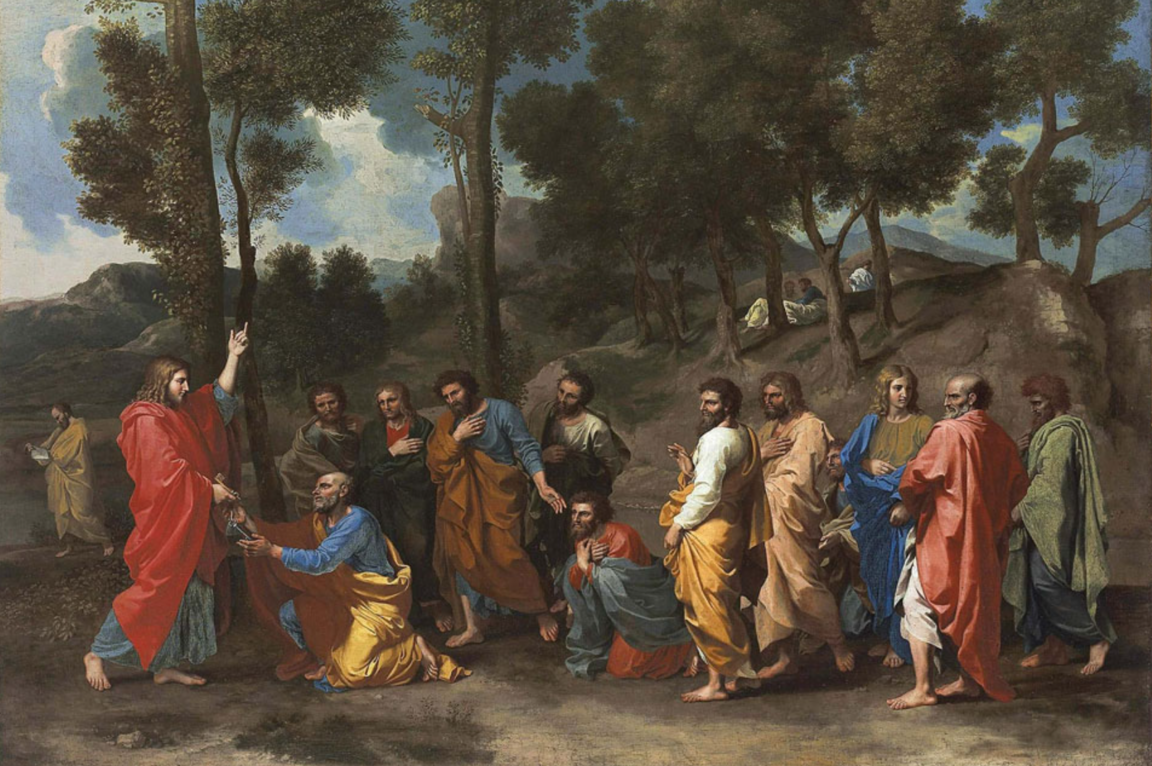
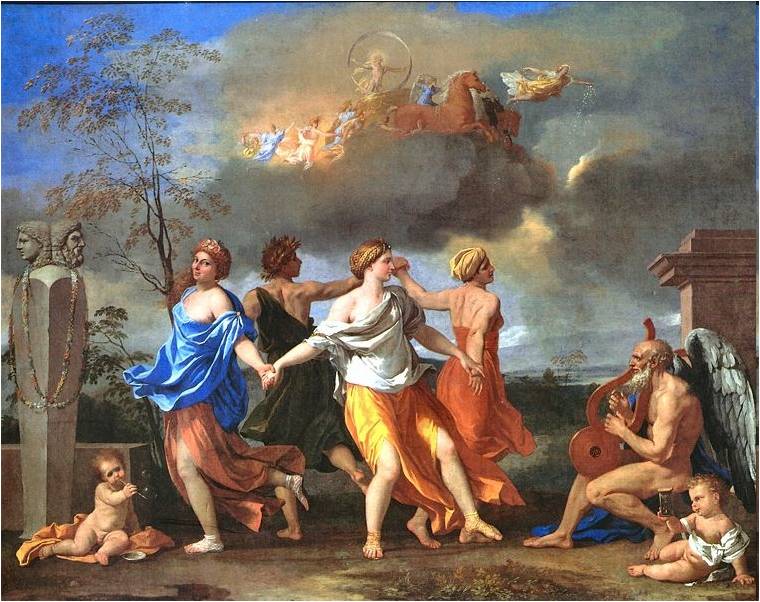
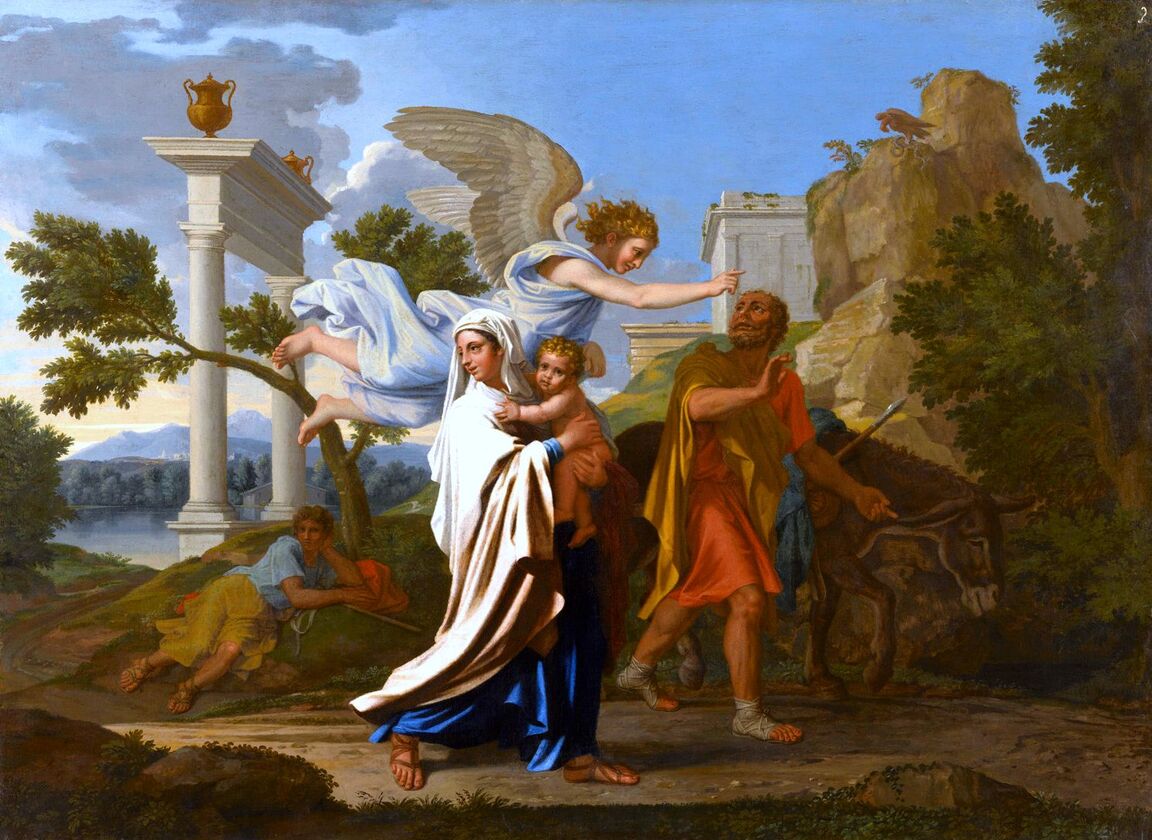
Nicolas Poussin Dance to the Music of Time, 1634 Flight to Egypt, 1657 Discipline, 1637–1680
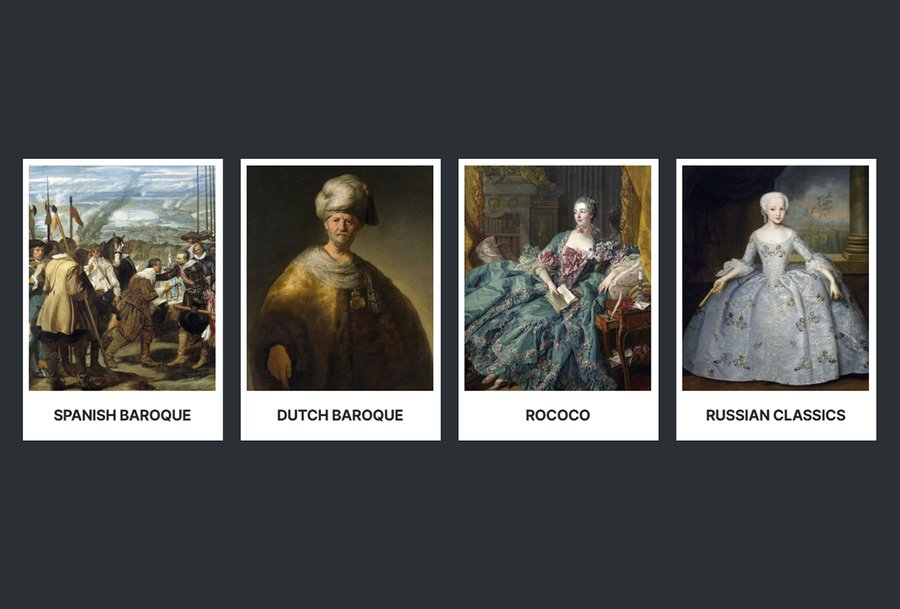
SPANISH BAROQUE
The works of Spanish Baroque painters blended the academic skills of Italian masters with a keen, nuanced sense of observation and unparalleled verisimilitude (distinct from realism). Following Caravaggio’s discoveries, these artists employed dynamic chiaroscuro modeling—not to create theatrical aestheticism, but to underscore a sharper sense of drama.
José de Ribera employs a naturalistic style in religious art, while Velázquez strives to recreate «optical realism”—the impression is not derived from a single depicted scrap or piece of fabric, but from the entire visual experience.
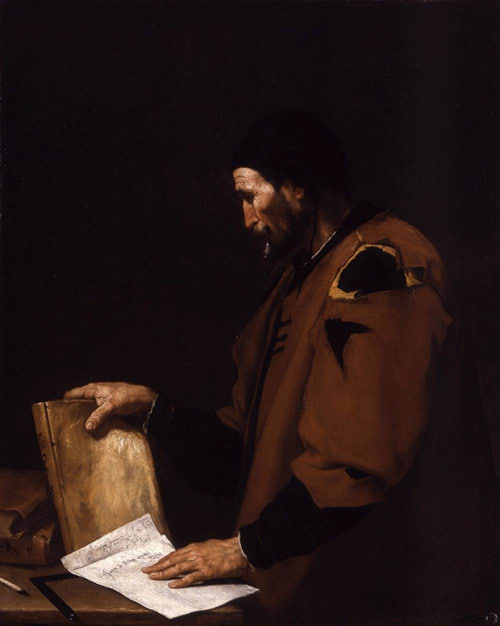
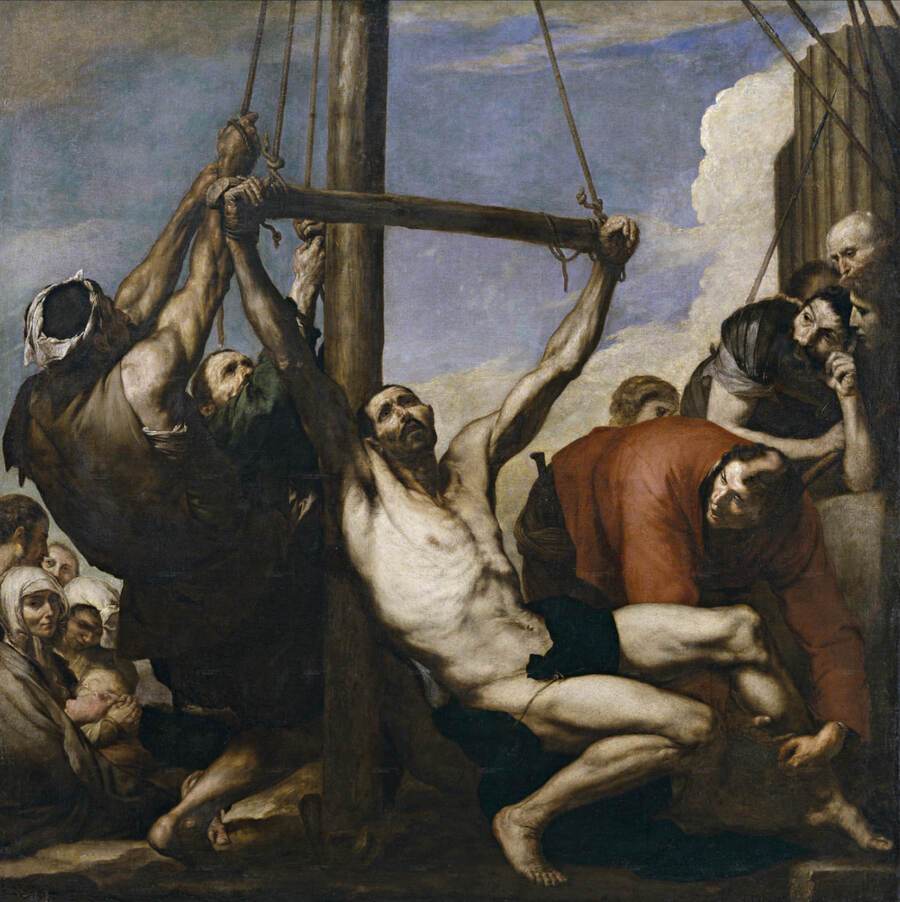
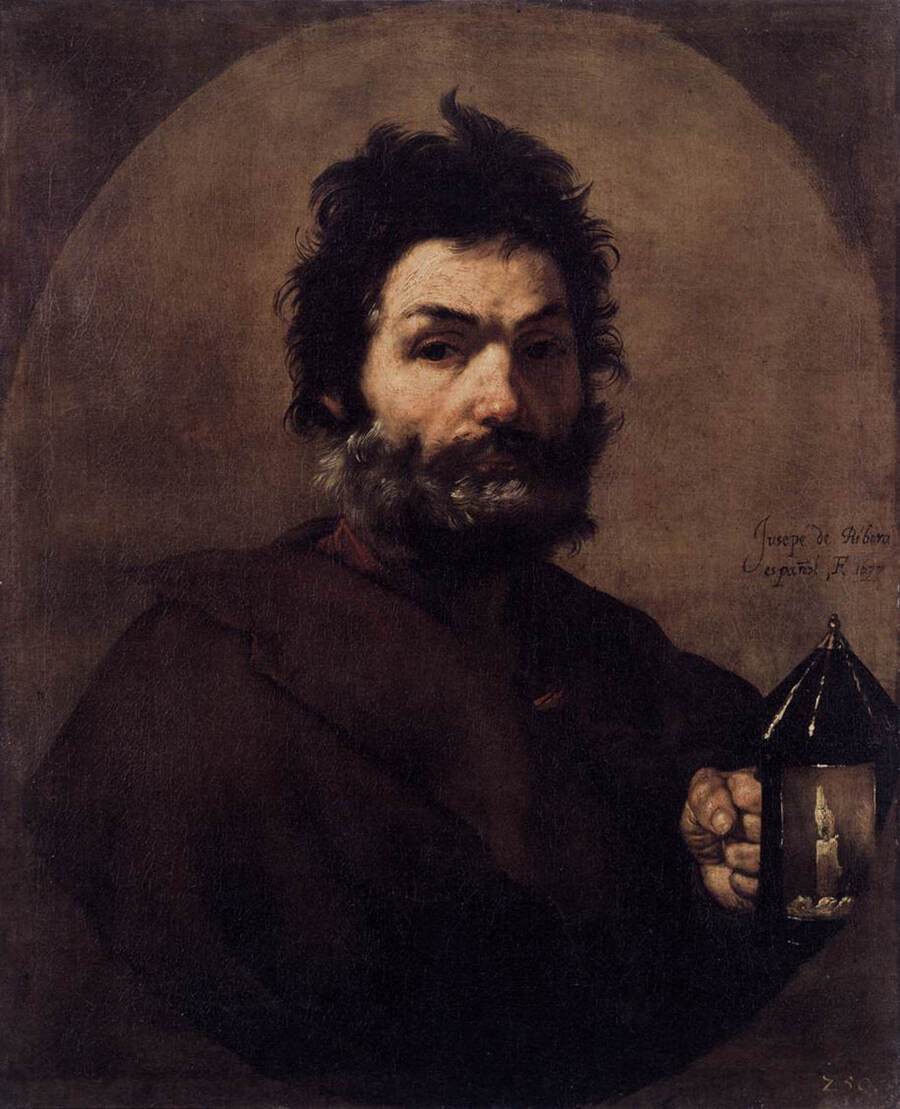
José de Ribera The Martyrdom of Saint Philip, 1639 Diogenes, 1637 Aristotle, 1637
DUTCH BAROQUE 17th Century
The preferred subject matter of Dutch Baroque was secular rather than religious; artists aimed to depict people, places, and objects with a high degree of naturalistic accuracy.
After the Dutch Republic gained independence from Spain in 1581, the new liberal nation benefited from an influx of Jewish and Protestant refugees fleeing the Catholic rule of neighboring Habsburg territories.
At the time, the Dutch were a nation flourishing economically, scientifically, and culturally. The growing middle class created a demand for the formation of artists’ guilds. This also spurred demand for art; the first open-air markets emerged where wealthy citizens could purchase still lifes or landscapes depicting a familiar harbor.
Floral still lifes were popular, as were Vanitas still lifes (from the Latin vanitas vanitatum). These conveyed high-moral messages about the fleeting nature of human life. Other common still life themes included «breakfast portions» and opulent depictions of lavish celebrations.
The portrait genre was also popular among individuals and groups seeking to display their wealth and status.
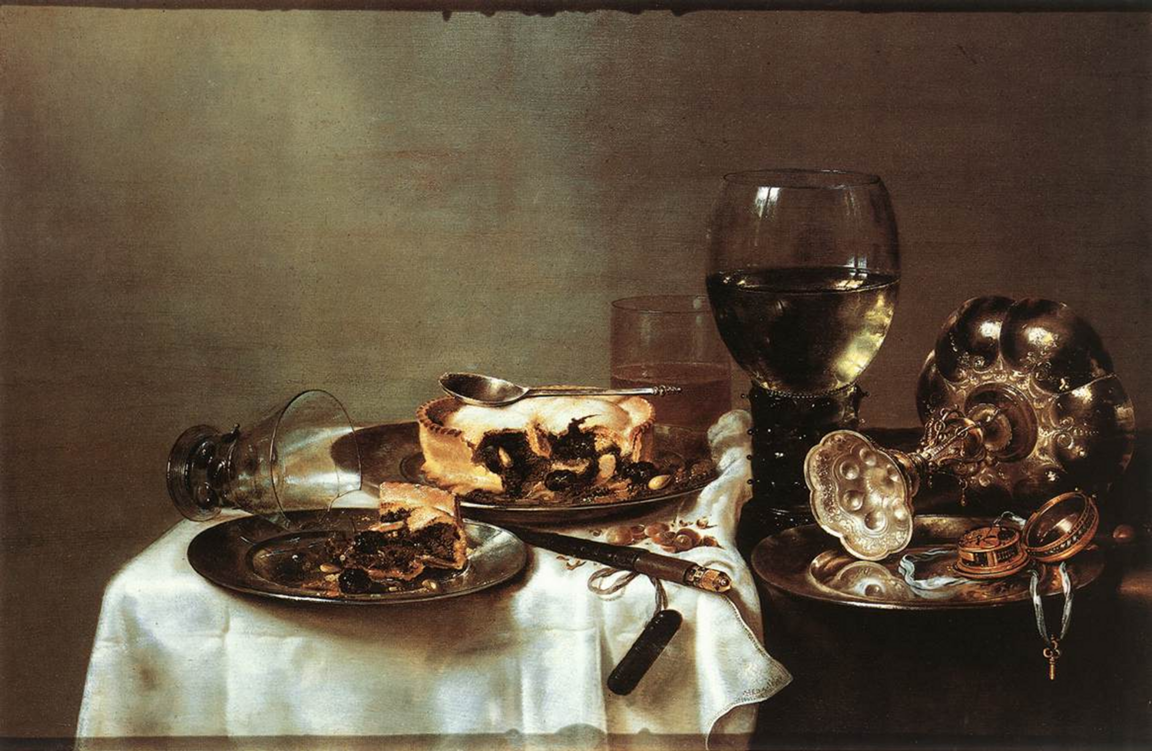
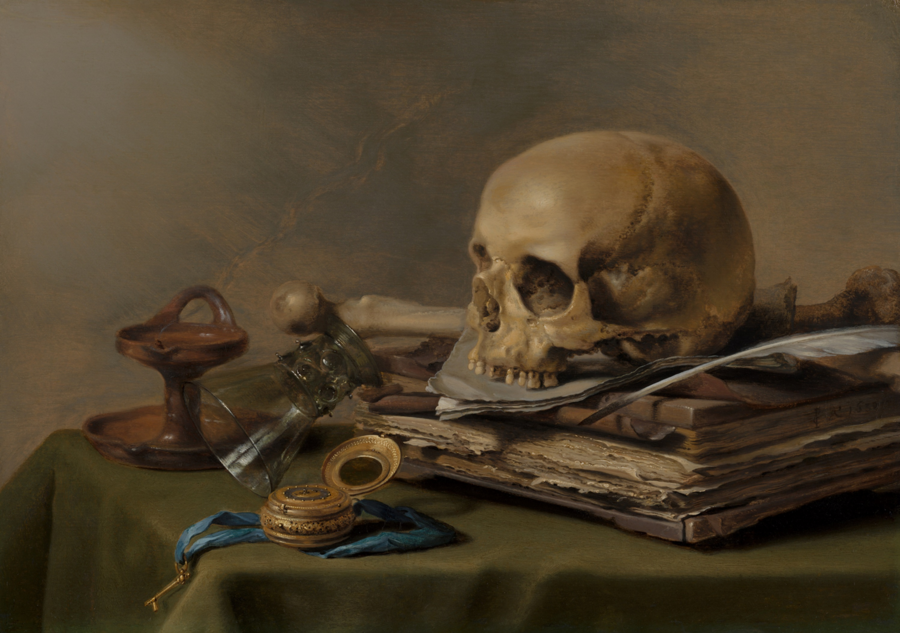
Peter Claas — Vanitas, 1630 Willem Heeda — Breakfast with Currant Pie, 1630
Landscape painting forms a distinct genre in its own right. During the Dutch Golden Age, the focus was placed on the unique characteristics of Dutch landscapes, villages, and rural life, driven by a growing reverence for Dutch values.
Many of these scenes were based on central, «heroic» elements found in the local area, such as a tree, a windmill, or a cloud-filled sky.