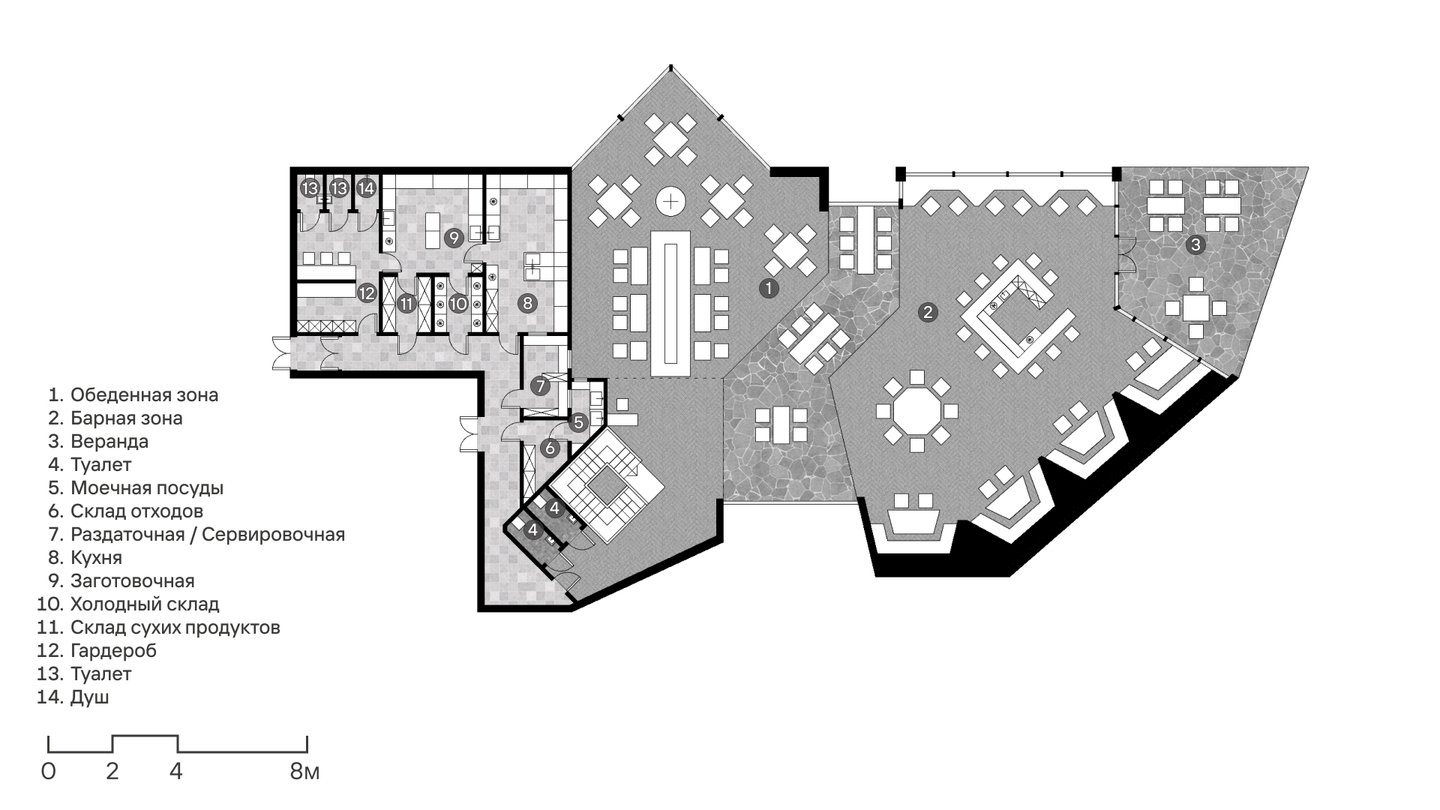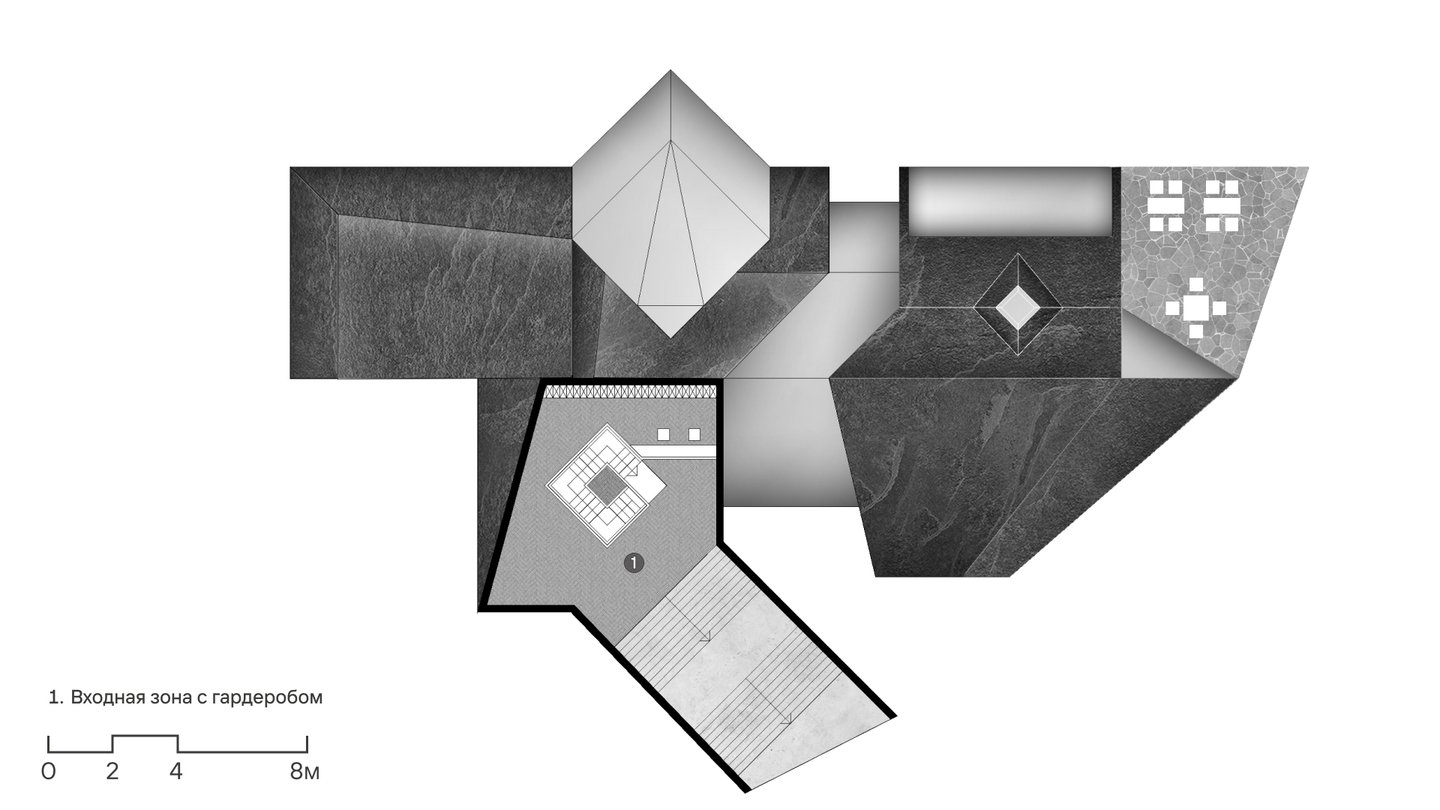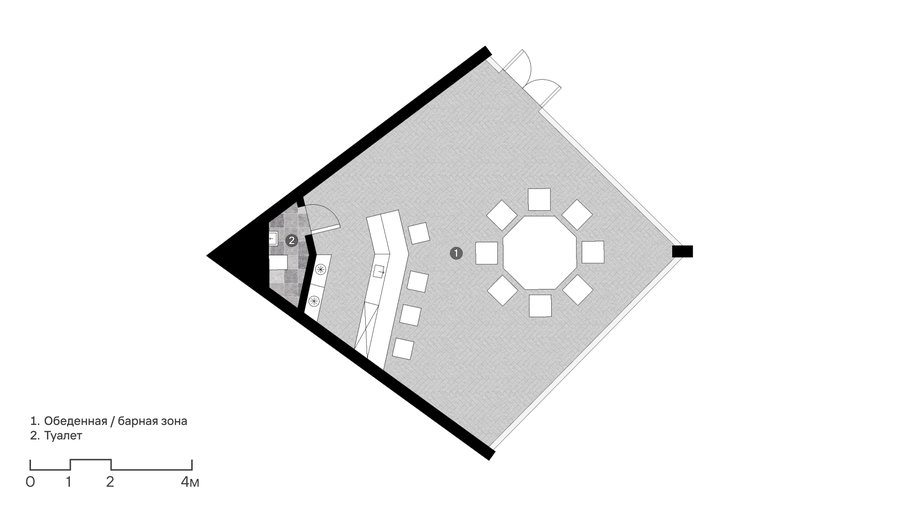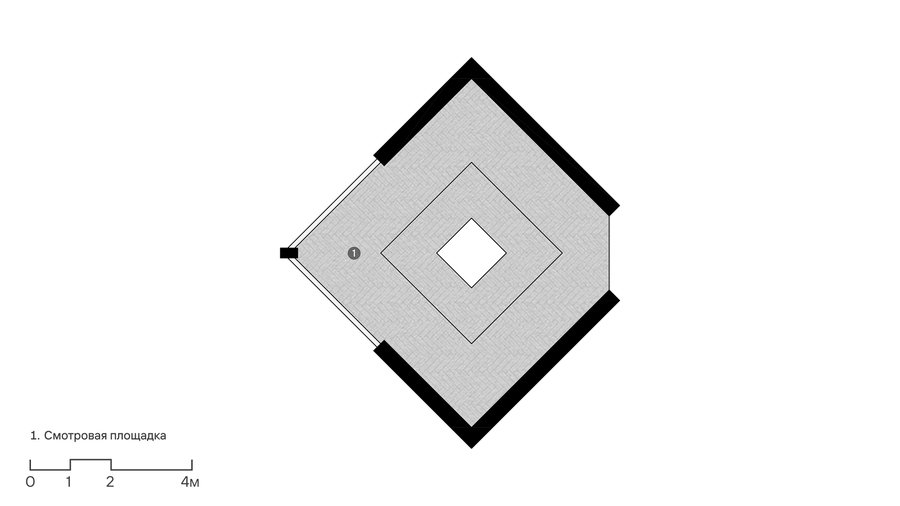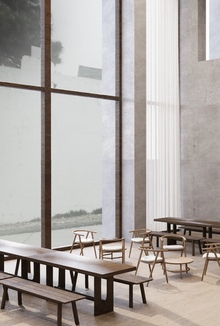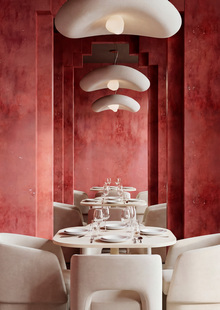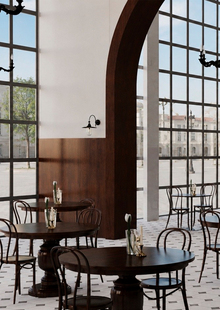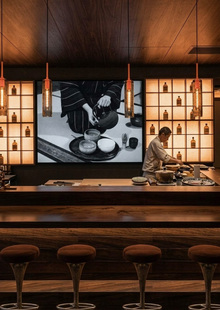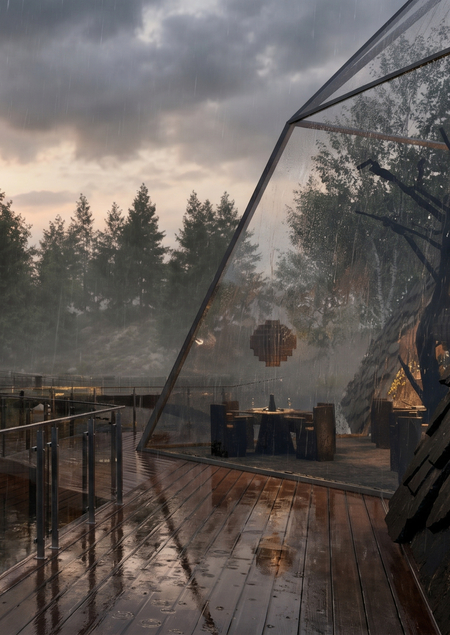
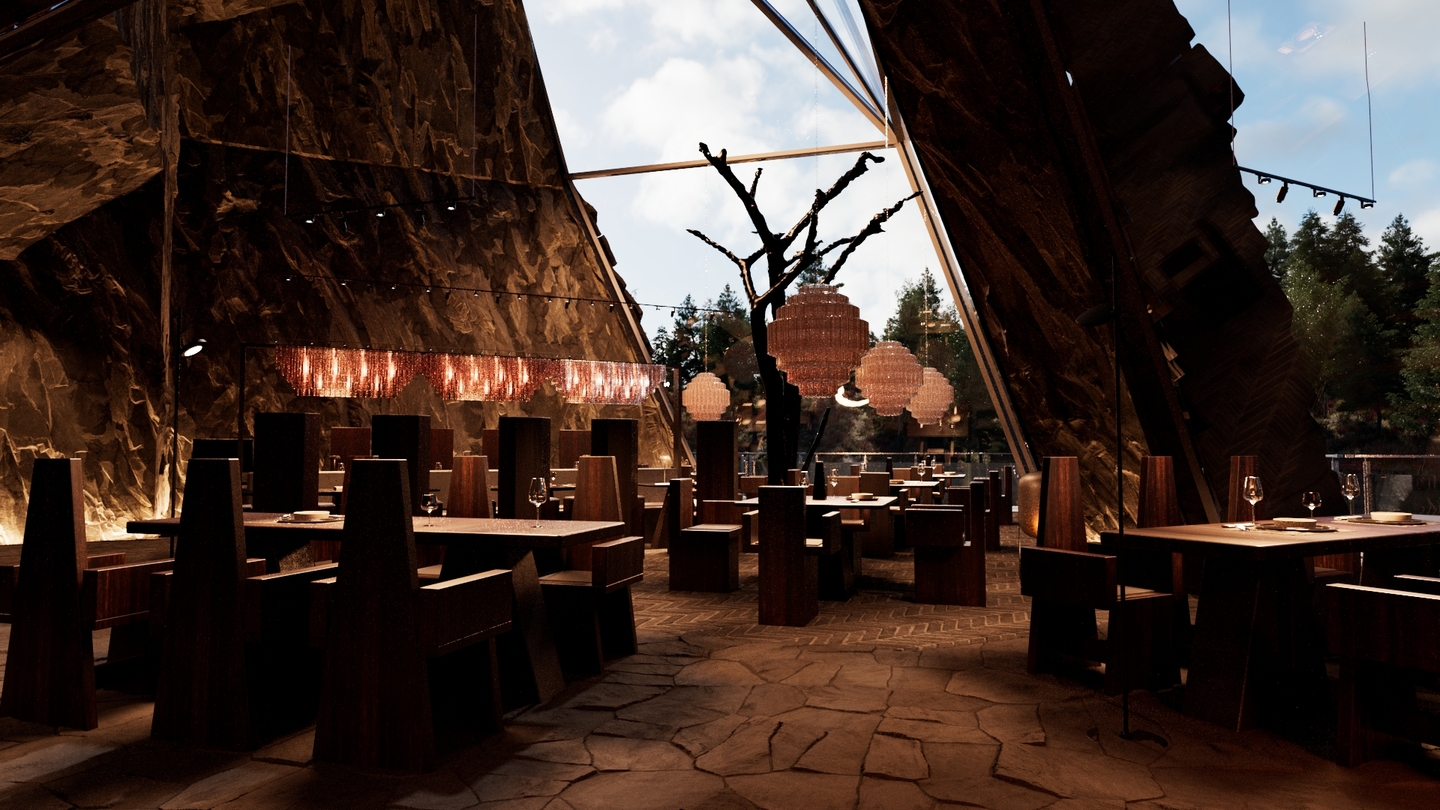
The restaurant concept is based on reimagining the territory of the former Mitrofanovskoye tin-copper smelting plant. The project’s architecture translates the site’s industrial past into a contemporary language of form, material, and atmosphere.
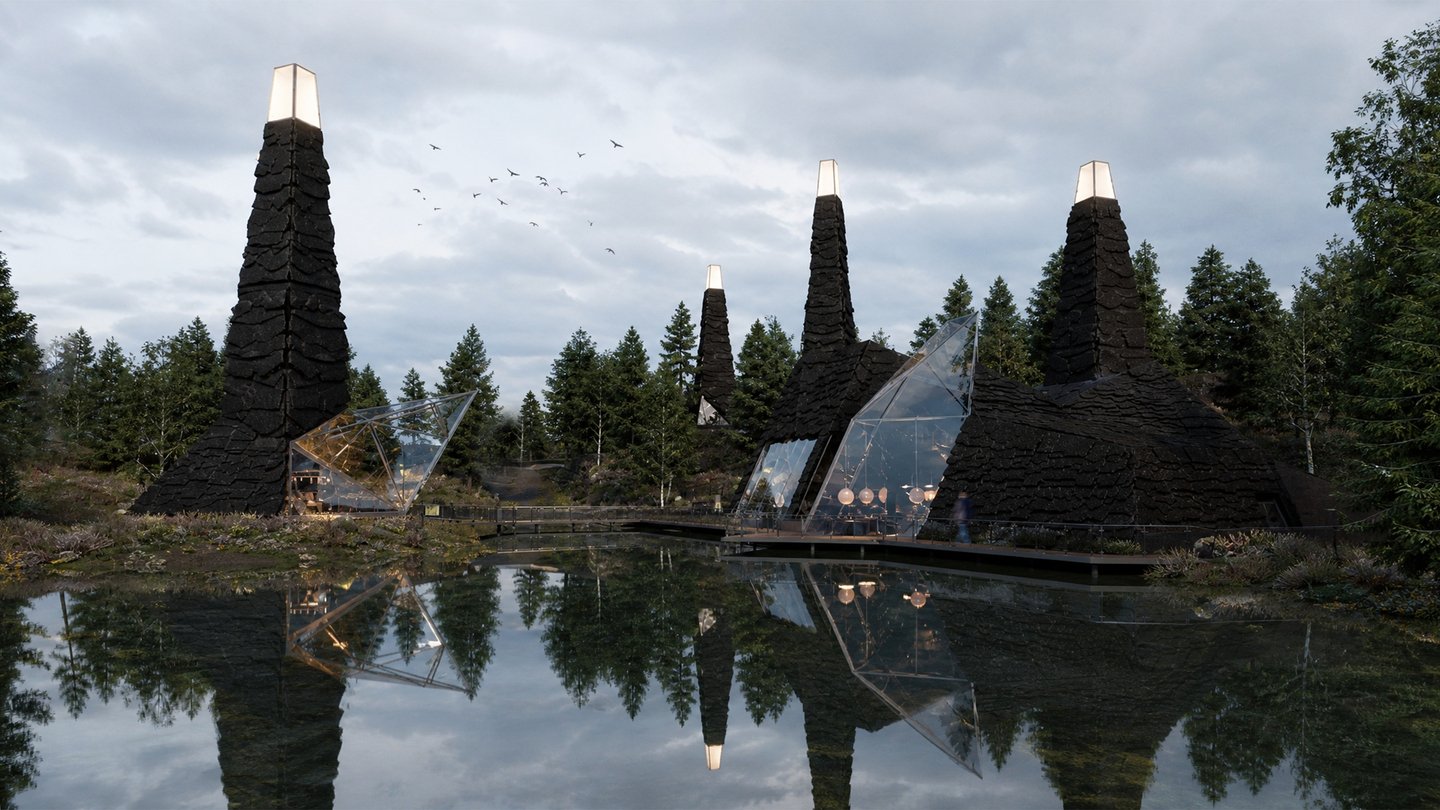
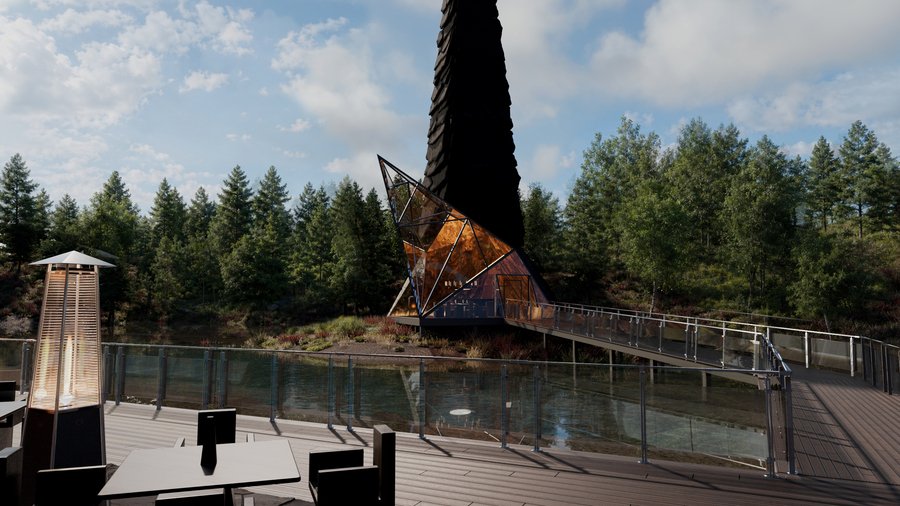
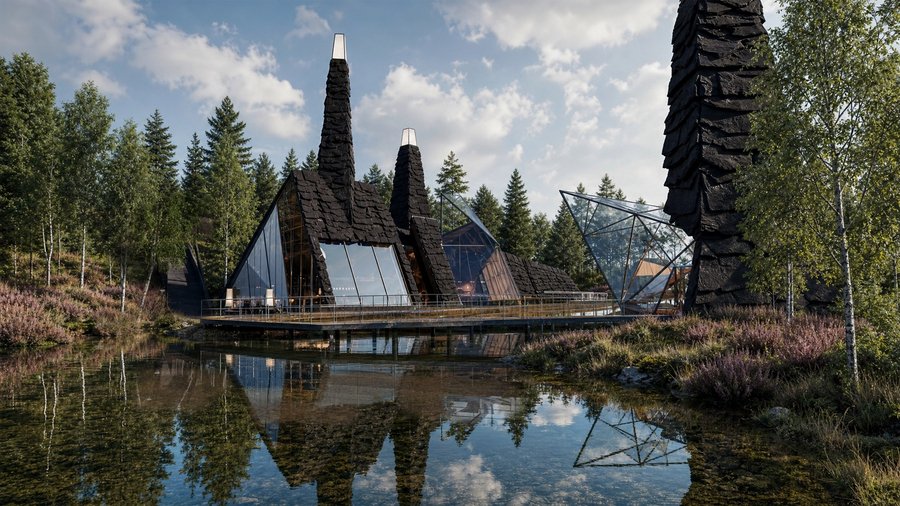
The historical image of stoves forms the basis for the shaping of form, while the northern context of the location is revealed through wood, stone, water, and the theme of fire. The restaurant is conceived as a space where forgotten industrial heritage connects with the culture of Finnic-Ugric cuisine, transforming into a new experience of place perception.
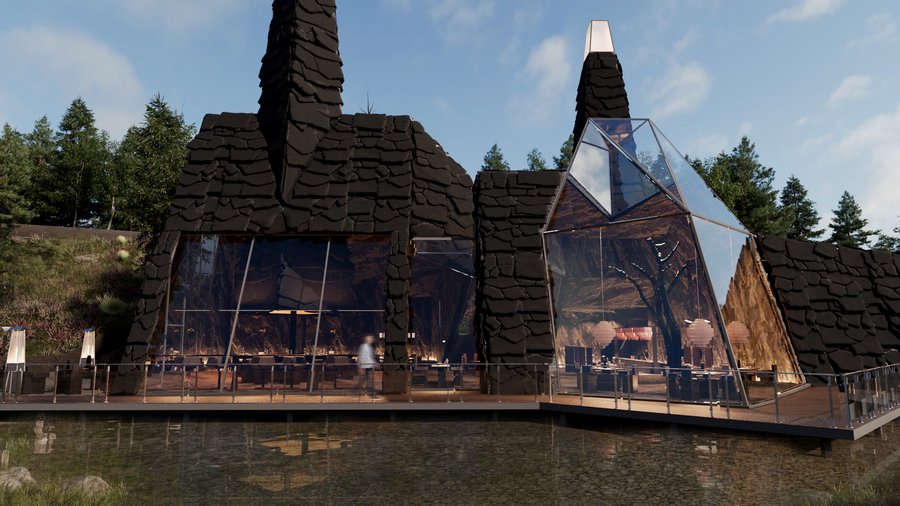
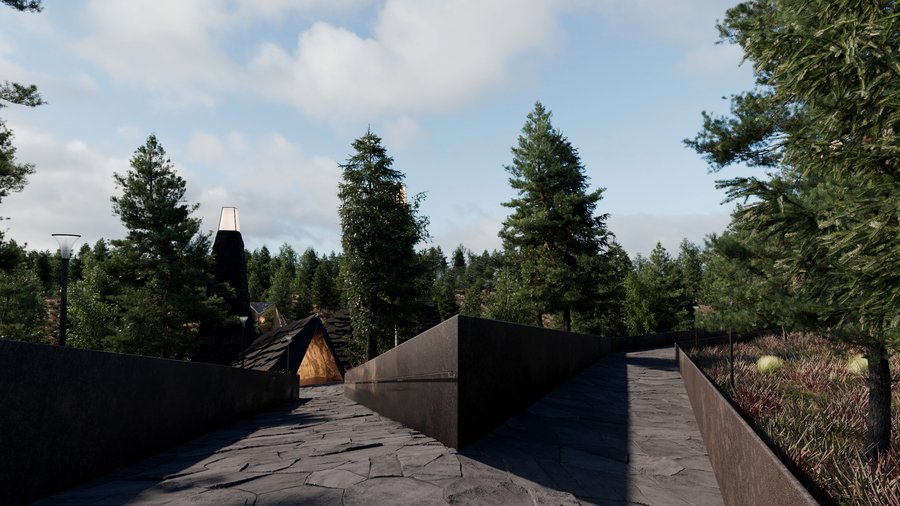
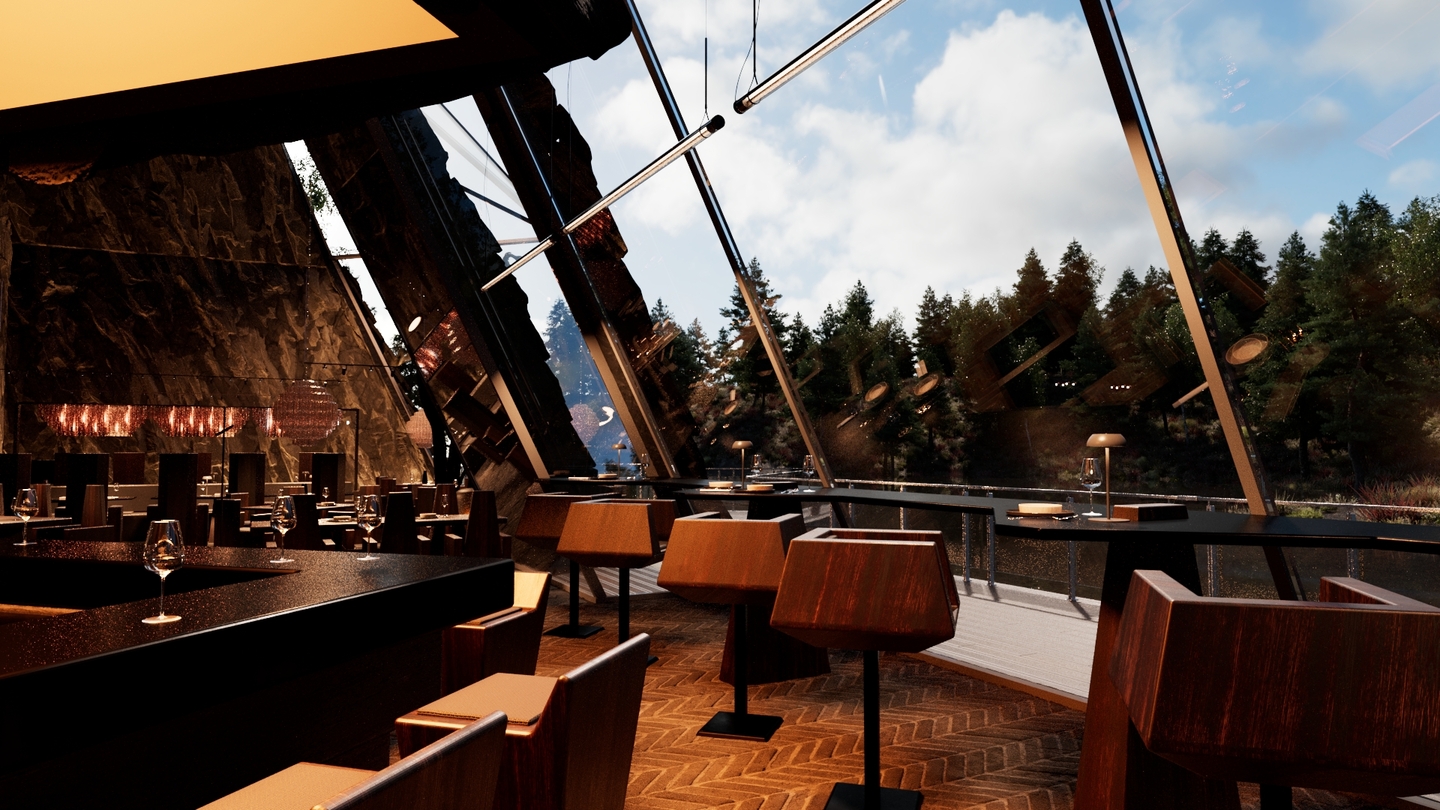
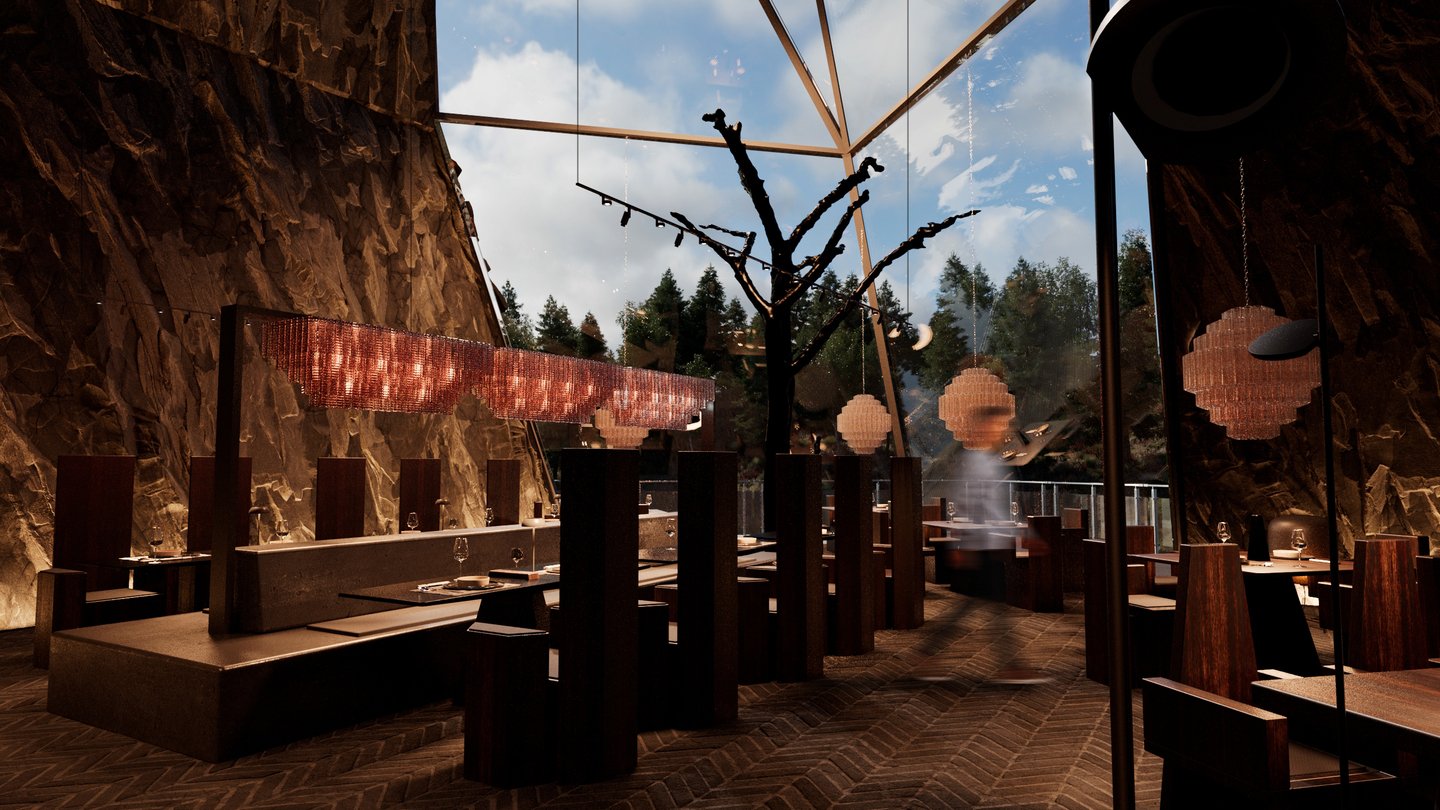
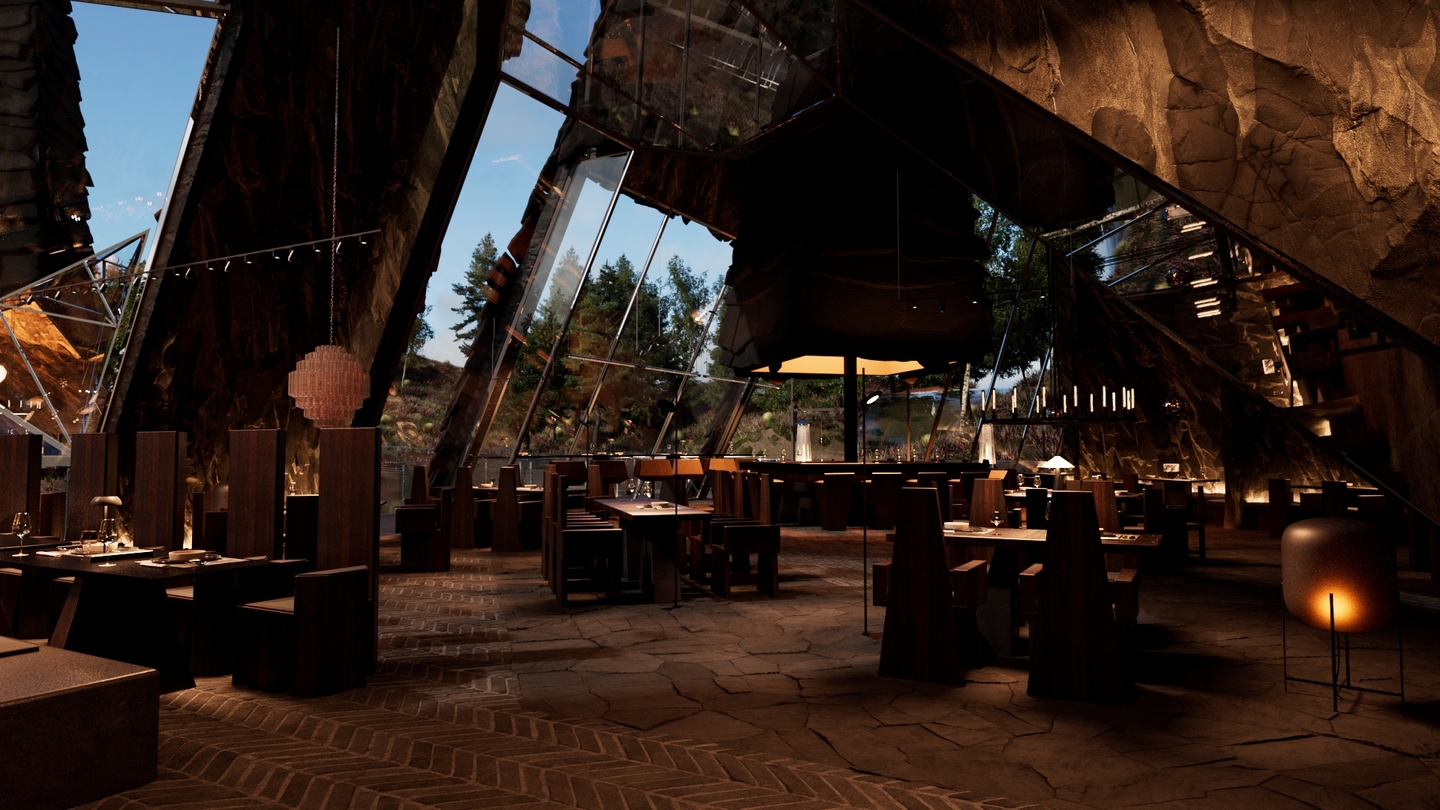
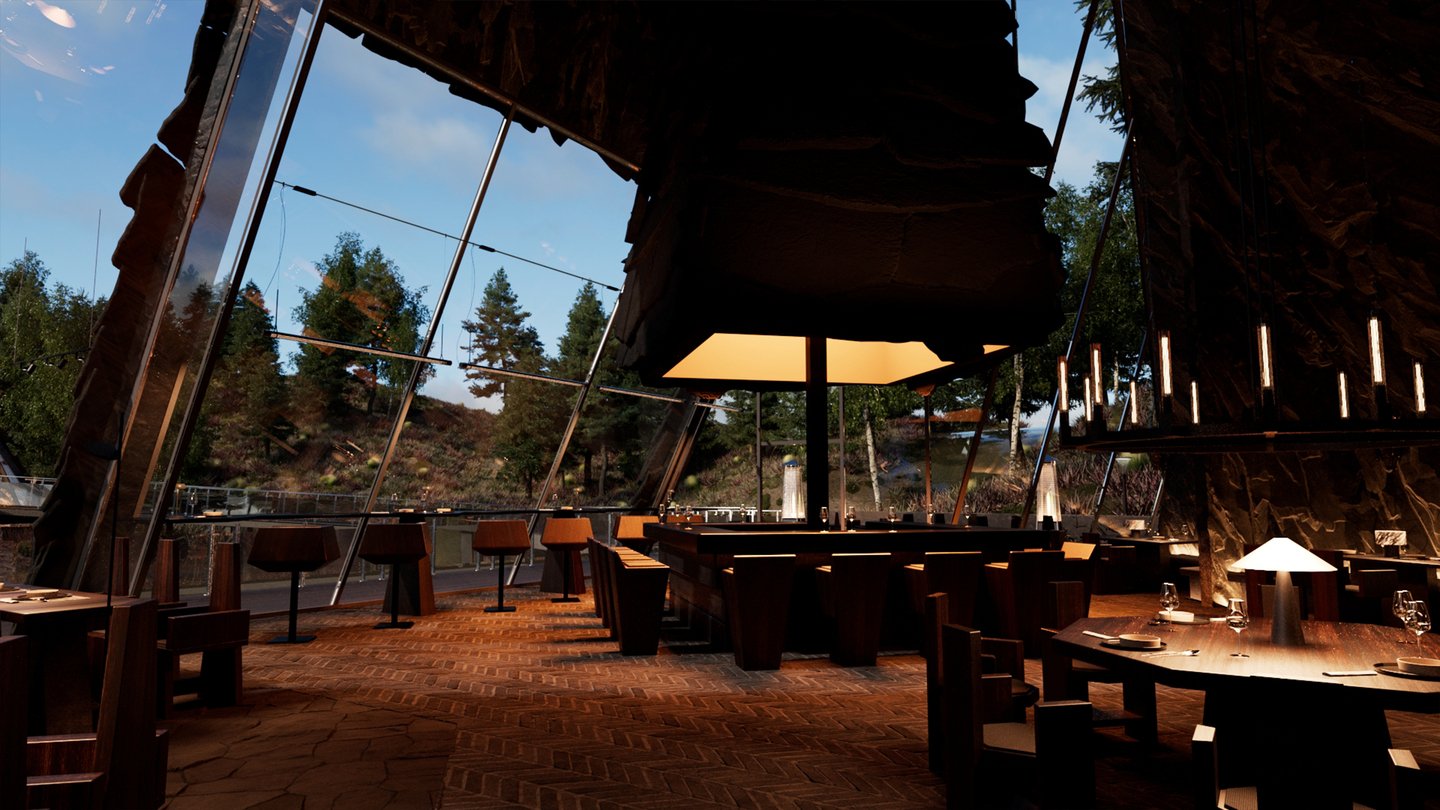
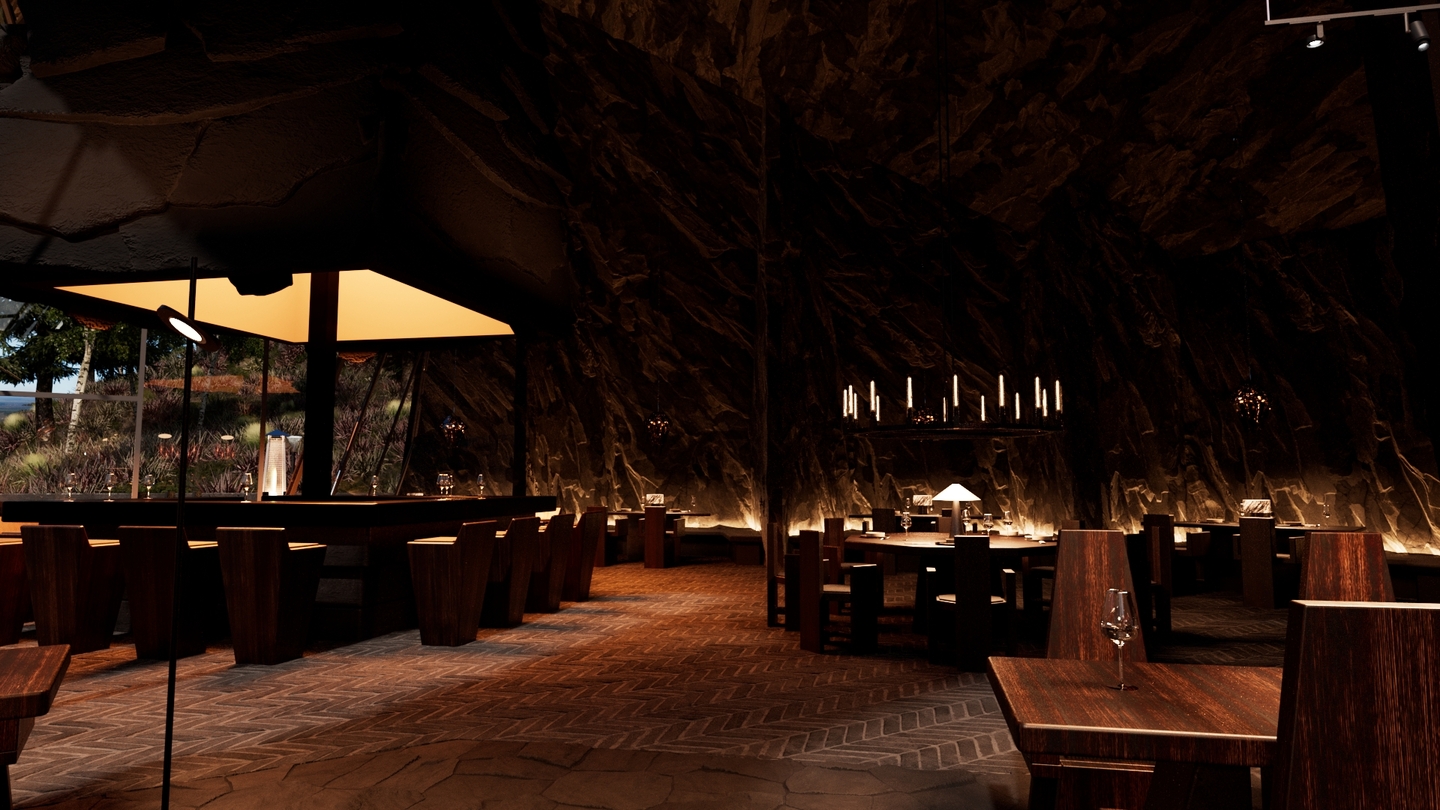
The project is located on the site of the former Mitrofanovsky Plant in Koyrinoya, which operated from 1842–1859. Traces of the industrial landscape are still preserved here: remnants of a dam, fragments of masonry, hills where furnaces once stood, and pilings in the riverbed.
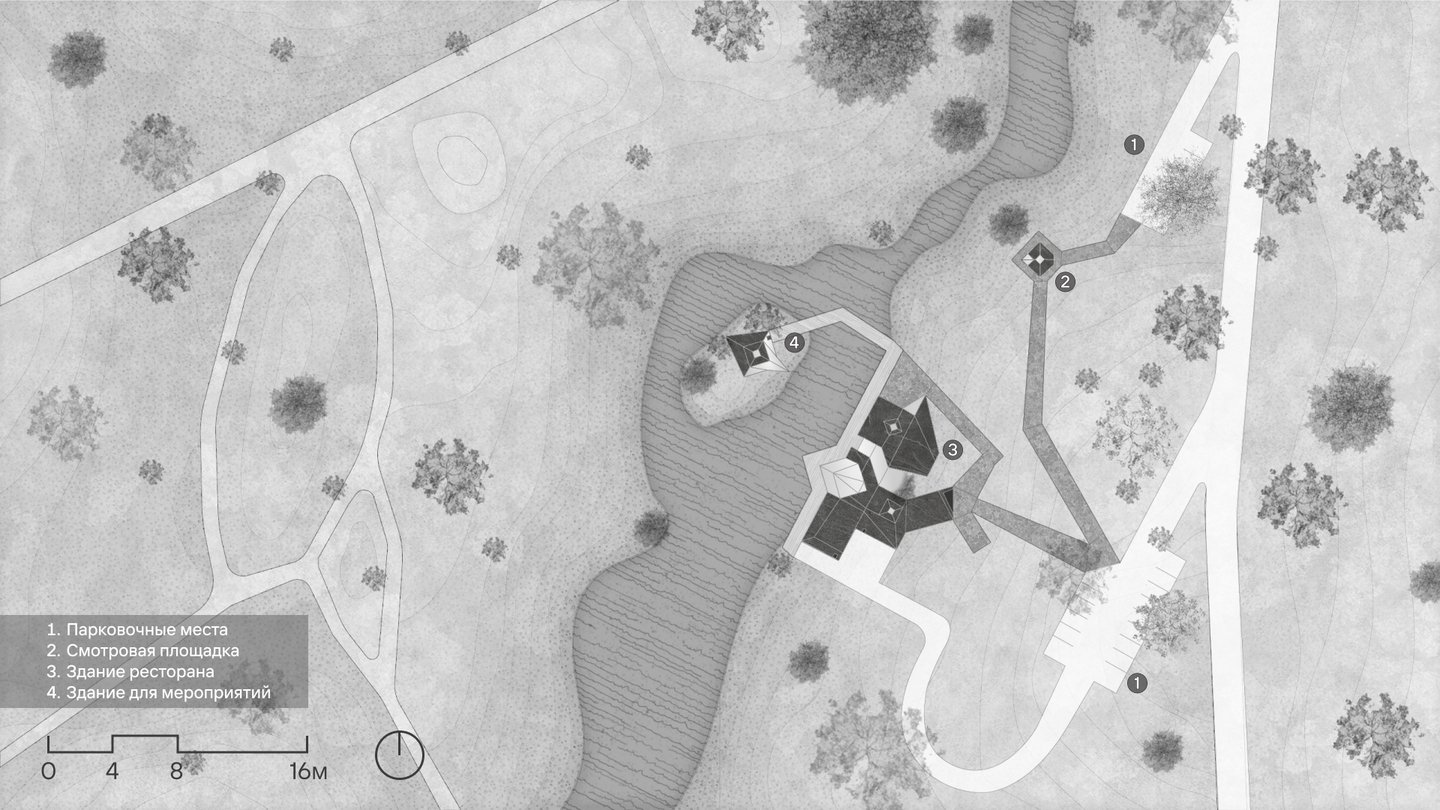
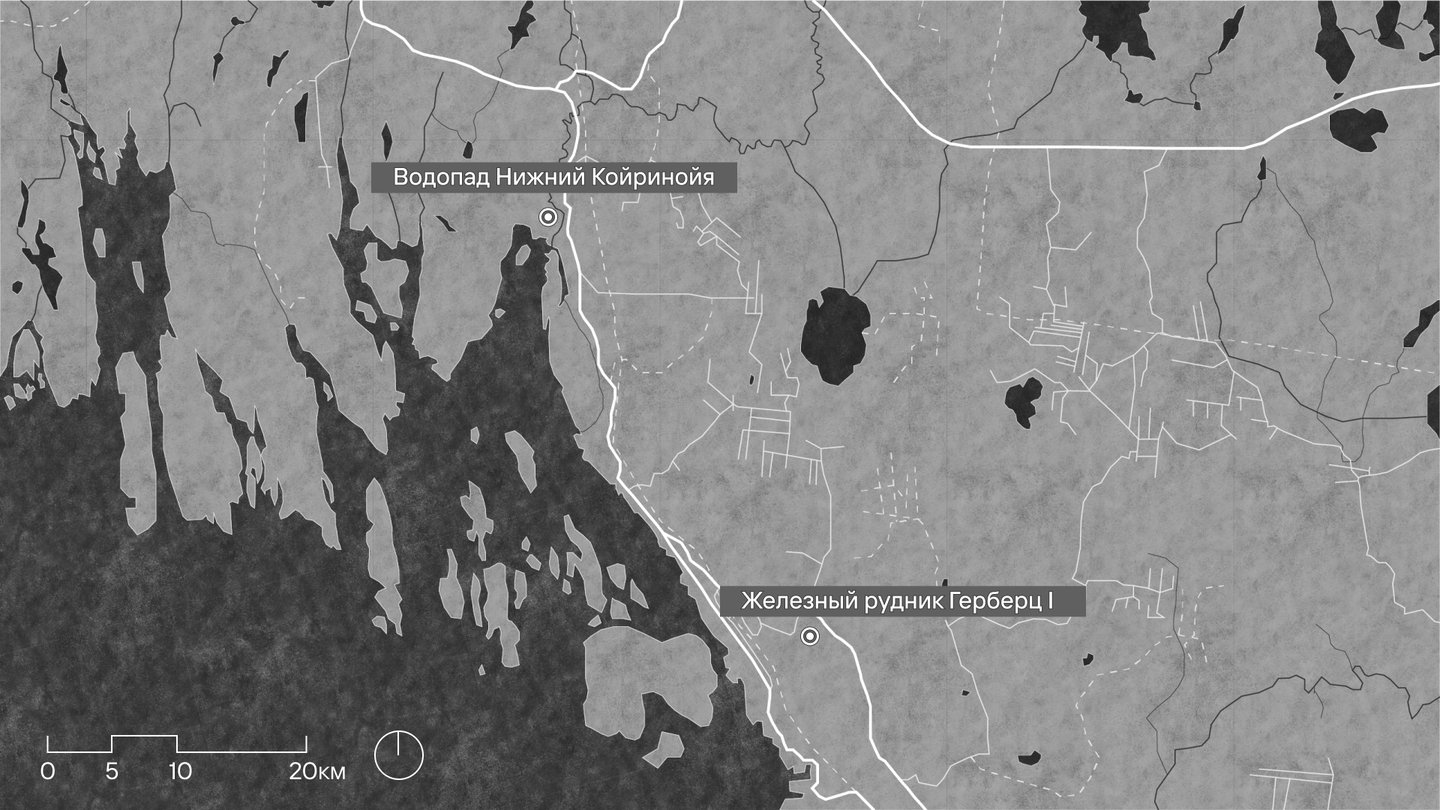
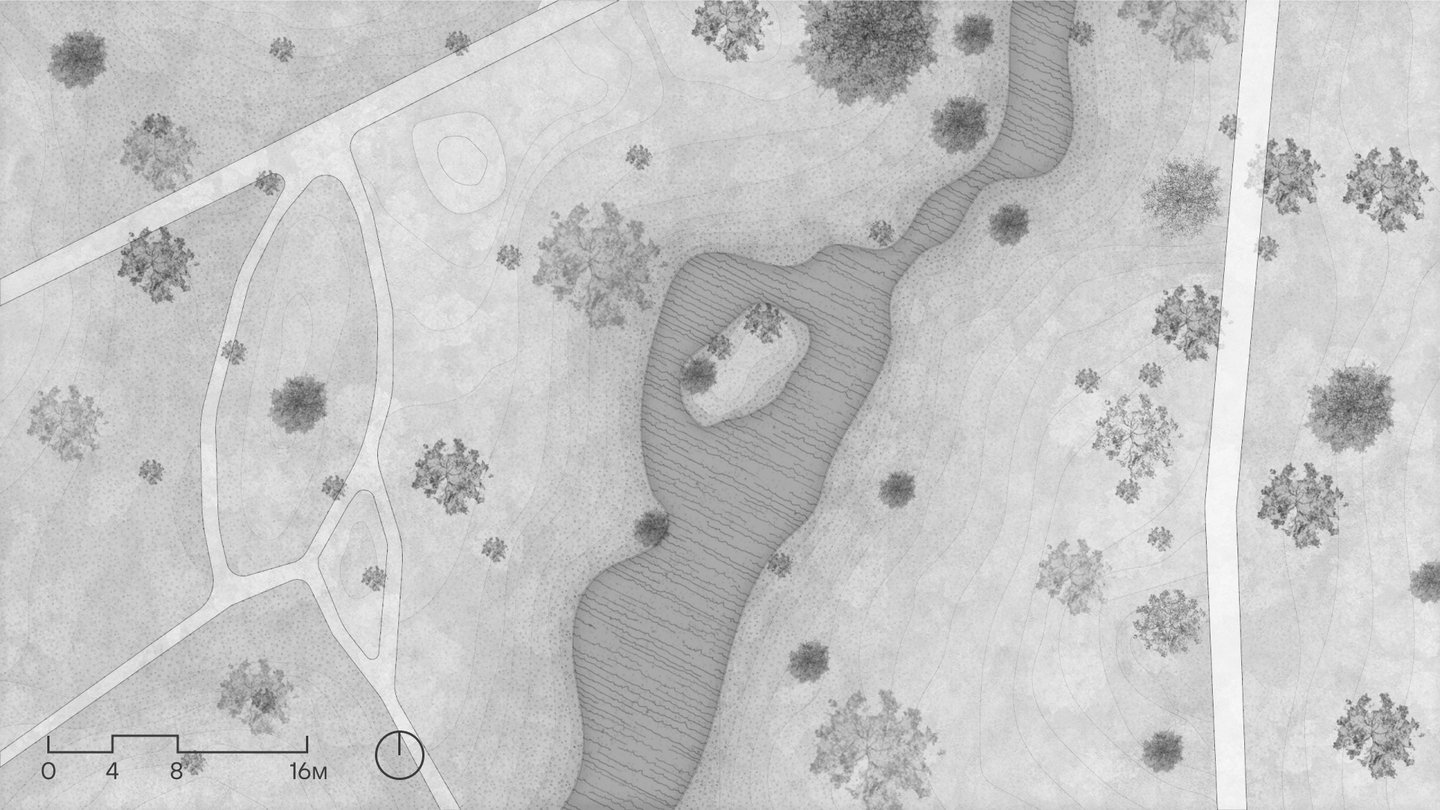
A crucial part of the image becomes not only the history of the factory but also the character of the place itself—the water, the granite, the dark northern palette, and the feeling of archaeology from an industrial past.
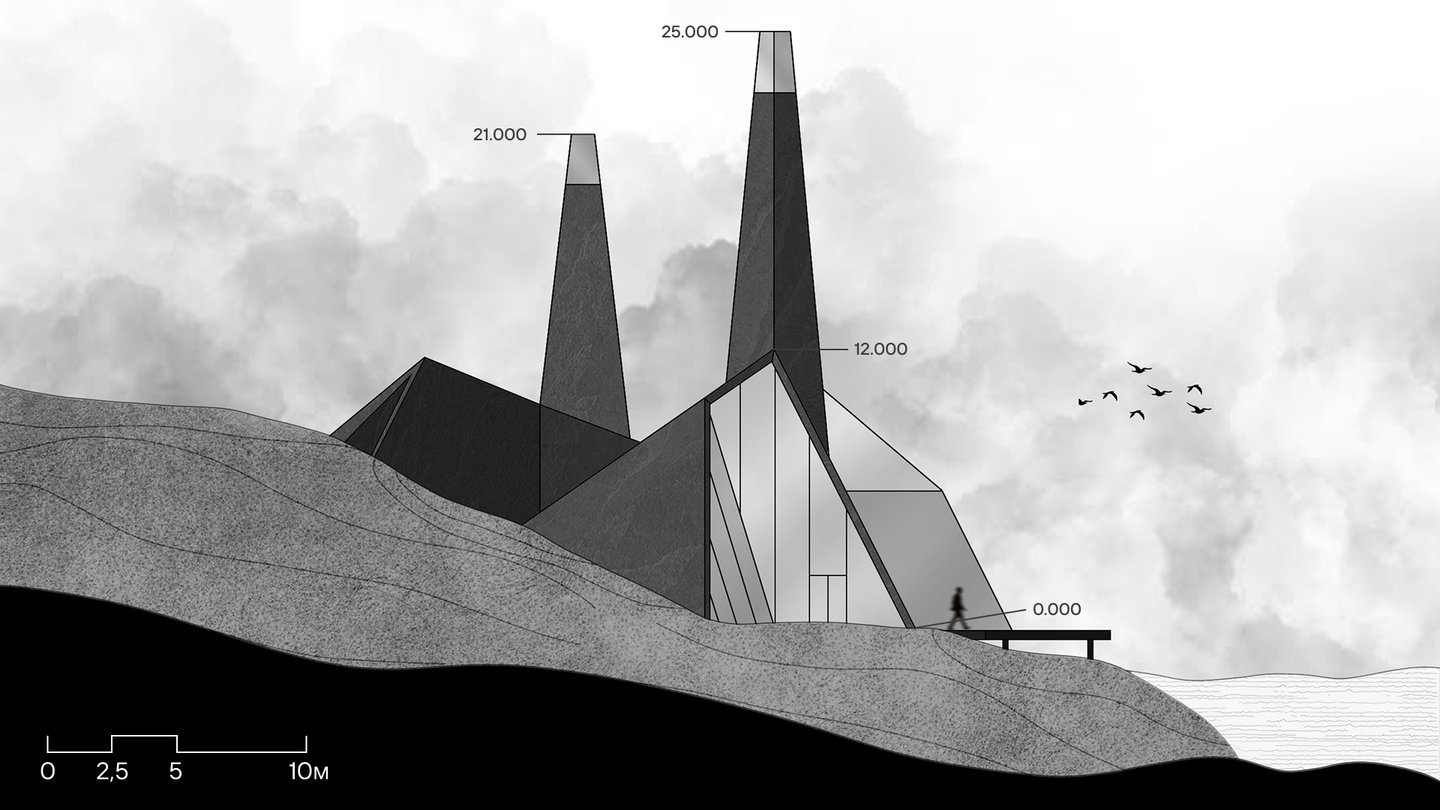
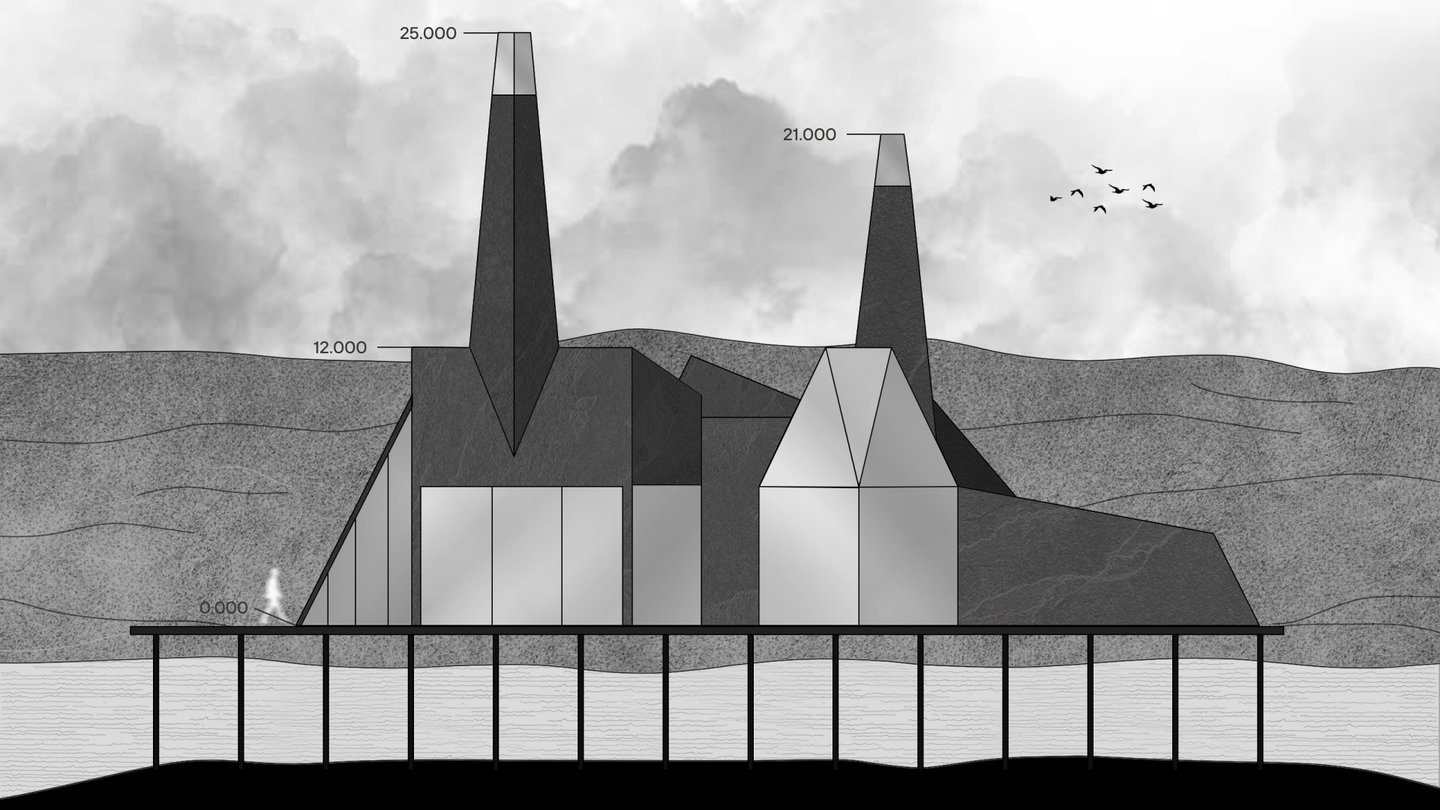
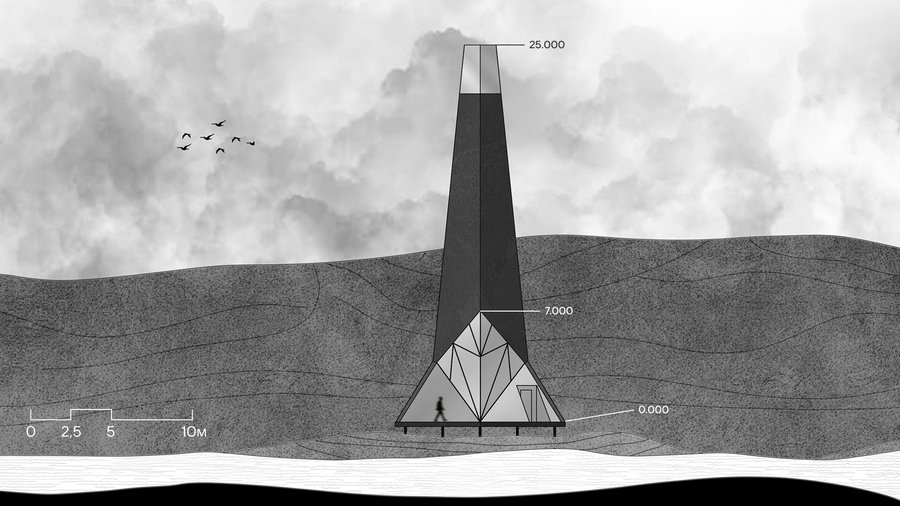
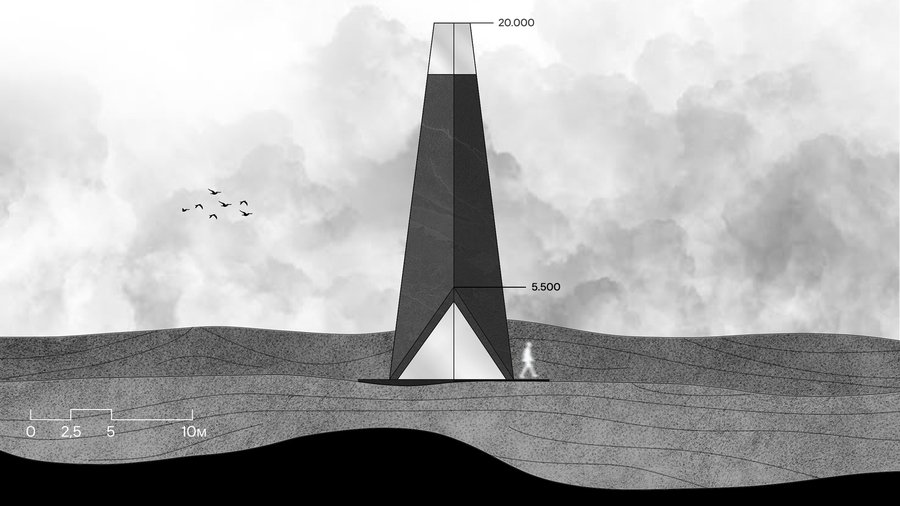
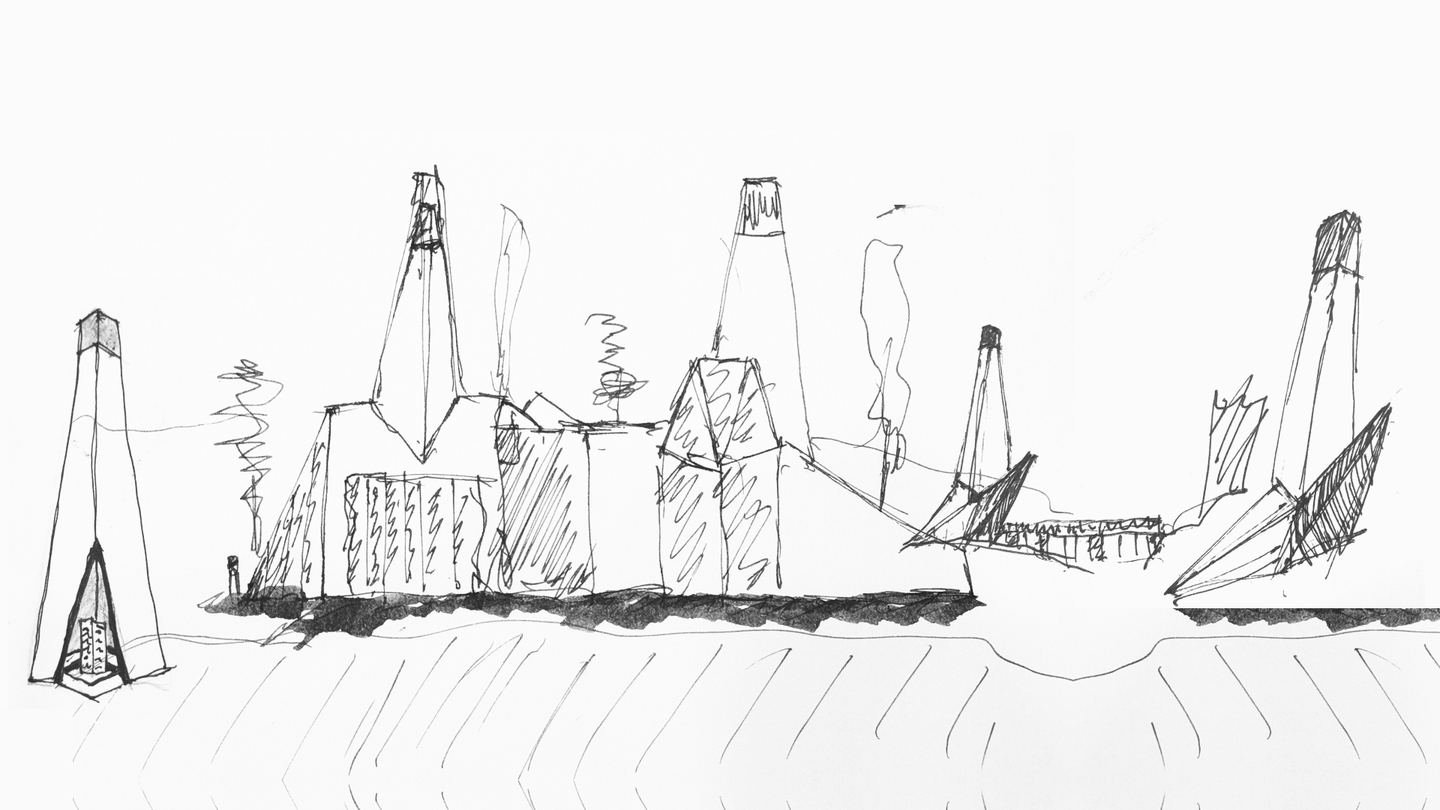
The restaurant’s form is inspired by the image of smelting furnaces and their chimneys. These elements are not copied literally but are simplified into concise, aggregated volumes.