Course 1. Fundamentals of Public Speaking and the Structure of a Good Presentation
Short cours
Eloquence and the Architecture of Speech:
How to Speak Clearly and Present Effectively.
What is this course about?
Description.This course is about learning how to speak clearly and build a strong presentation. Many people are scared of public speaking because their thoughts are messy and they don’t know where to start.In this course, you will learn that good speaking starts with good structure. We will teach you how to organize your ideas logically, how to design clean and simple slides, and how to use your voice and body language to look confident. You will also learn easy techniques to stay calm and overcome stage fright.By the end of this course, you will be able to take any messy topic and turn it into a clear, structured 10-minute presentation without panicking.

Who is suitable for this course?Who are they? Students (especially in their final years), interns, and junior employees new to professional environments.What do they have in common? They possess strong technical knowledge in their field but lack experience in effectively communicating that knowledge to others.What is their problem? They become very nervous speaking in public; their presentations are disorganized and unstructured, and they struggle with time management during talks.What do they want? To overcome stage fright, learn a clear framework for organizing their thoughts, and become confident, structured presenters.
Course duration: 5 weeks.
Total contact hours:
40 academic hours,
of which 28 hours are lectures and 12 hours are consultations.
Sessions are held in an online format.

Course prerequisites:Knowledge: Basic familiarity with at least one presentation tool (such as PowerPoint, Keynote, Google Slides, or even a whiteboard).Skill: The ability to record a video of yourself (using a phone or webcam) for practical homework submissions.Content: You must have a specific topic or project (related to your studies or work) that you can use for practice during the course.

What will students learn in this course?Self-regulation: Understand the roots of stage fright and utilize breathing, focus techniques, and pre-presentation routines to manage anxiety and build confidence. — Structure: Take disparate ideas and organize them using clear frameworks—such as the «Problem–Solution–Result» model or narrative arcs—and craft compelling openings and memorable conclusions. — Audience Analysis: Identify your audience’s needs and level of understanding, then tailor your message and tone to ensure resonance. — Visual Design: Design slides that are easily readable and understandable (by minimizing text, utilizing effective spacing, and choosing clear fonts), and deploy visuals and data strategically to support your narrative. — Engagement: Maintain audience involvement through consistent eye contact, rhetorical questioning, and interactive elements, while dynamically reading the room to adjust your pacing. — Delivery: Deliver a focused 10-minute presentation without drifting off-topic, employing strong vocal control, purposeful pauses, and intentional body language. — Impromptu Speaking: Think critically on your feet to provide clear, concise answers during Q&A sessions or unexpected interruptions without meandering. — Preparation & practice: Develop a systematic practice regimen, manage your time efficiently, and integrate peer feedback for continuous improvement. — Technology & Environment: Navigate fundamental technical setups, gracefully handle technical difficulties, and adapt your presentation style for both in-person and virtual settings.
What practical assignments will the course participants complete?Peer Review: Students check each other’s slides and structure using a checklist and provide feedback. Self-Check Video: After recording a practice video, students use a checklist to grade their own body language and pauses. Short Intro Video: Students record just the first 1–2 minutes of their speech. This tests their ability to capture the audience’s attention without the pressure of delivering the entire presentation. Teacher Outline Check: The instructor reviews the student’s outline midway through the course to ensure they are on the right track before they design their slides. Audio-Only Practice: Students record a 3-minute audio file (with no video or slides). This assesses whether their voice is clear, audible, and engaging on its own. Question Prep: Students list three questions the audience might ask and detail how they would answer each. This verifies a deep understanding of the topic. At the end of the course (Summative Assessment—evaluating final learning):Final Project: A recorded video of a complete 10-minute presentation, submitted along with the corresponding slide file. Reflective Essay: A brief text (about 300 words) where the student discusses their improvements, challenges encountered, and successes. Applying Feedback: Students document at least two pieces of advice received from classmates or the instructor during the course, and explain how they integrated that feedback into their final video. This demonstrates receptiveness to critique and growth. Final Classmate Review: Students watch a peer’s final presentation video and assess it using a checklist, which helps them recognize effective presentation skills in others. Impromptu Q&A: The instructor or a classmate poses two unexpected questions regarding the final presentation, which the student must answer spontaneously. This asse

Final Course Result / Course Outcomes:— Make clear speech: Organize a 10-minute presentation with a strong opening, a clear core, and a memorable conclusion. — Capture attention: Immediately engage the audience within the first two minutes of the speech. — Design effective slides: Create simple, clean slides that support the presentation, rather than slides that confuse the audience or are overloaded with text. — Use their voice well: Vary their pace, volume, and tone to sound natural, and use pauses instead of using filler words like «um» or «uh.» — Manage their body language: Maintain good posture, utilize natural hand gestures, and keep steady eye contact (looking at the camera) to project confidence. — Deal with stage fright: Feel less nervous and more prepared when speaking in front of a camera or a group. — Speak without slides: Clearly explain their ideas using only their voice, avoiding over-reliance on visuals or text. — Answer questions: Listen attentively to audience questions and provide clear, calm responses spontaneously without becoming flustered. — Offer constructive feedback: Review a classmate’s presentation and articulate precisely what they executed well and what areas require improvement. — Apply advice for growth: Internalize the feedback received from peers and actively integrate it to enhance their subsequent presentations. — Self-assess their work: Review their own practice recordings, identify their own errors, and determine how to correct them independently.
Approximate Syllabus (Thematic Plan)
(Designed for 5 weeks, with step-by-step focus)
1: Mindset and Speaking Basics— Why do we get nervous? (Understanding the psychology of stage fright). — Breathing techniques and shifting focus from «myself» to «the audience.» — Vocal basics: Tone, pace, and the power of the pause. — Homework: Record a 2-minute video introducing yourself (voice and body only, no slides) to gauge your starting level.
2: Building a Solid Structure (The core of the course)The pitfalls of poor presentations: Lacking a clear skeleton or structure. Effective structures: The «Problem → Solution → Result» model and Storytelling. How to make a strong opening: The Inverted Pyramid (begin with the main point or a hook). Assignment: Develop a structural outline for your specific topic and allocate time for each section.
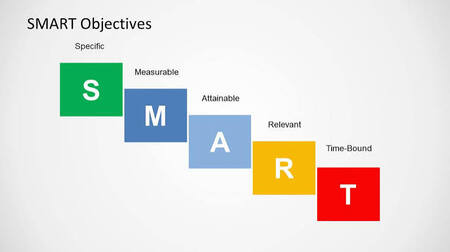
3: Smart Slide Design— How to visually group information. — Reducing cognitive load: Showing more while keeping the message concise. — Selecting fonts, colors, and images without creating distractions. — Homework: Design at least five key slides (Start, Problem, Solution, Data, End) applying the rules you have learned.
4: Delivery, Body Language, and Interaction — Aware body language: What to do with your hands, eye contact, and moving in the space. — How to talk with your slides, instead of just reading from them. — Handling Q&A (Questions and Answers). — Homework: Record a 5-minute practice video (combining content and slides) and review a classmate’s video.
5: Simulation, Review, and Final Presentation. Live Webinar (optional but recommended): 3-minute live talks by students and live feedback. . Final tips for continuing practice after the course. . Final Homework: Submit the final 10-minute video presentation, the slide file, and the reflective essay.