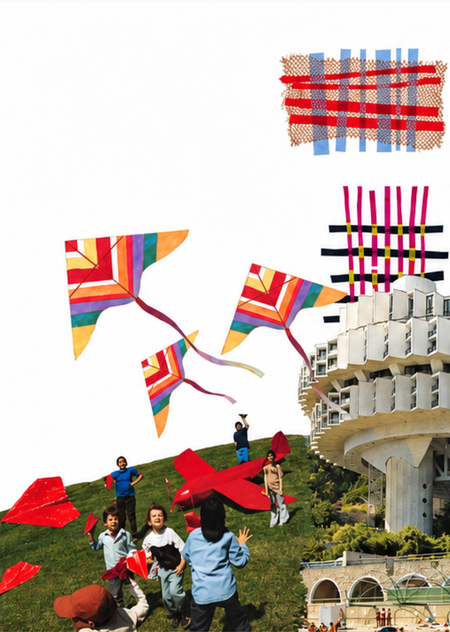
Concept
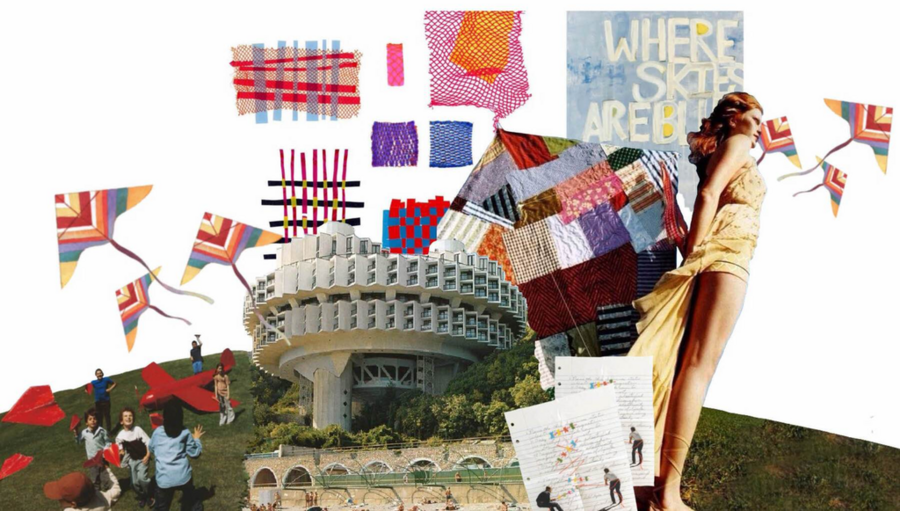
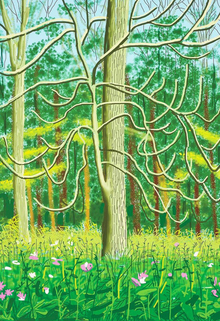
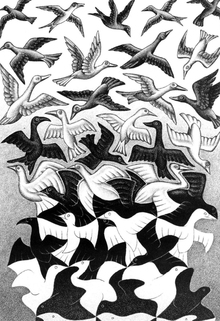
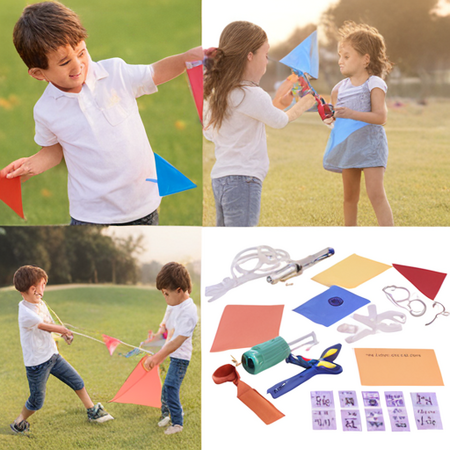
Example base image for generation (project moodboard)
KiteMind—an educational and research hub that unites the science, creativity, and culture of kites.
The goal of the experiment is to train a generative model on the visual language of an existing brand and to test whether it can create new materials while maintaining the project’s recognizable aesthetic.
Instead of generating images solely through text prompts, I used DreamBooth LoRA to fine-tune Stable Diffusion XL.
Dataset Preparation
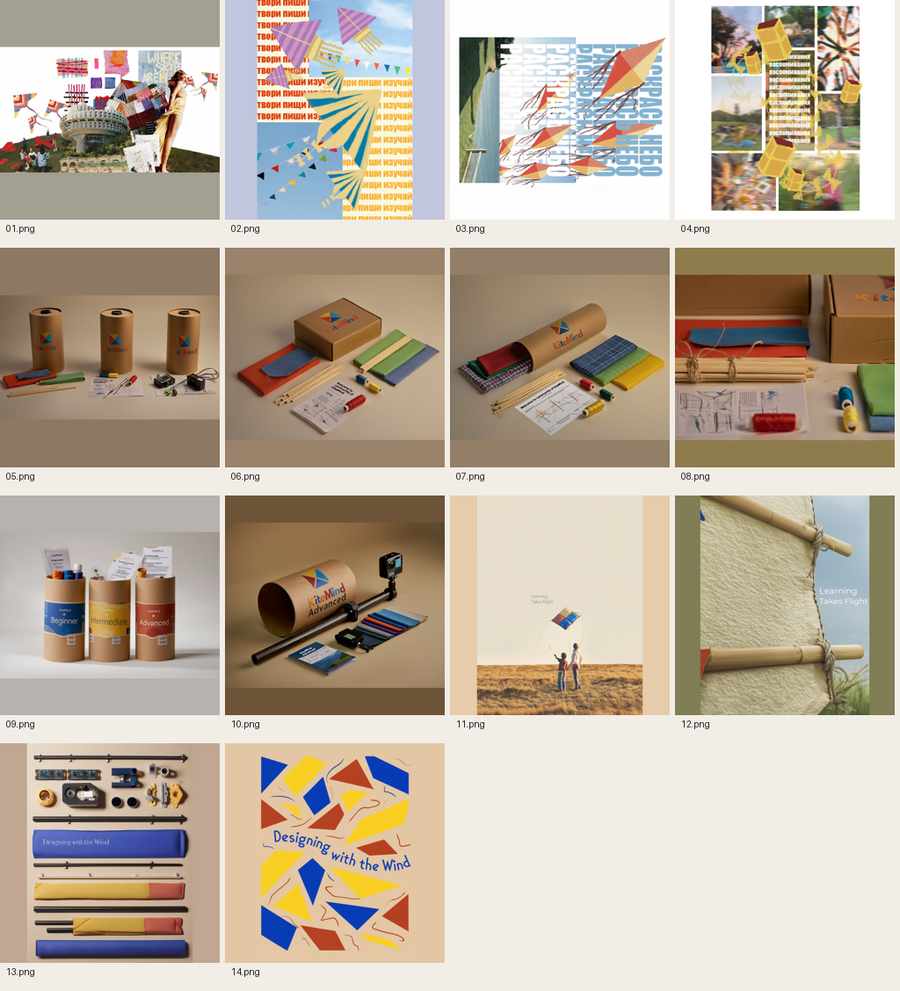
Foundation for generation
A dataset of 14 original images was compiled for training: graphic posters, collages, and visualizations of KiteMind educational products. The images were standardized to a square format of 1024 × 1024 px while maintaining their proportions. A textual description (caption) was prepared for each image, characterizing the composition, objects, colors, and materials. The caption included the unique token kitemindstyle, which was used during subsequent generation.
Thus, the model received both visual examples and their corresponding textual descriptions.
The Learning Process
To adapt the model, the LoRA (Low-Rank Adaptation) technology was employed, which allows for training small supplementary weight matrices instead of fully updating the neural network’s parameters. Training was conducted in Google Colab using PyTorch, Hugging Face Diffusers, and Accelerate.
Loading the base SDXL model.
Image and text description preparation.
Training LoRA on a custom dataset.
Using LoRA allowed the model to adapt to a small dataset while preserving the results without needing to export the entire SDXL.
Image Generation and Prompt Development
After training, the model was tested on new subjects not present in the original dataset.
Results Gallery
In text prompts, the scene content, materials, color palette, composition, and image style were specified separately. Negative prompts were also utilized to exclude unwanted elements: collages, deformed objects, extraneous characters, and unnatural details.
The following parameters were used for generation:
Resolution: 512 × 512 pixelsNumber of generation steps: 25–30
Text prompt adherence: 6.5–7.0
Batch size: 1 image per generation
Activation keyword: kitemindstyle
Random seed: fixed for the reproducibility of individual experiments
Iterative Generation
Initial results indicate that the model successfully reproduces the brand’s color palette and materiality, but it does not always interpret the objects correctly.
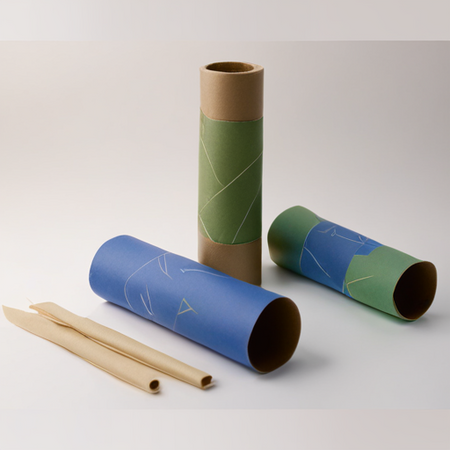
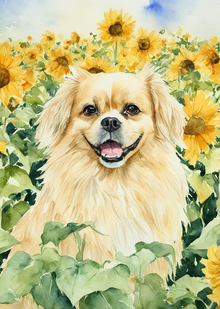
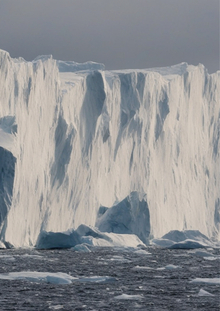
Resulting Images
For instance, when generating an educational kit, simple cardboard cylinders appeared instead of a kite construction set. Initially, the scene with the children was a collage of several images.
Resulting Image
Iterative prompt development was employed to enhance results.
General statements were replaced with specific descriptions of objects and their spatial relationships. Additional details were clarified, such as the number of characters, the kite’s shape, the camera angle, and the lighting style. This improved the compositional integrity and object recognizability without requiring re-training the LoRA.
Result
The final series is unified by the principle of Create—Learn—Fly, which reflects the KiteMind educational concept.
CREATE