BLOSSOM Brand Communication
Author’s Reflection: How Communication Theory Operates in Design and Contemporary Art
In my design and artistic practice, I increasingly understand visual work not as the creation of objects, but as a form of communication. Design and contemporary art do not simply transmit information; they create conditions in which meaning emerges through interaction. Communication theory helps clarify that meaning is never fixed, but negotiated between the creator, the object, and the viewer.
The interpretive approach to communication is particularly relevant to design. Visual messages do not contain universal meanings that can be decoded in a single way. Instead, meaning is constructed through personal experience, cultural background, and context. In this sense, design functions similarly to interpersonal communication: it does not deliver ready-made messages but initiates shared meaning-making. As a designer, I do not fully control interpretation — I frame it.
This perspective reshapes the role of the designer from an authority into a participant in communication. Visual elements such as color, texture, typography, and composition operate as symbolic cues rather than direct statements. From a semiotic perspective, these elements function as signs whose meanings remain fluid and context-dependent. For example, a restrained palette or minimalist form may suggest care, precision, or ethical awareness, yet these meanings emerge through interpretation rather than instruction.
Communication theory also explains why ambiguity is not a flaw in contemporary design and art. Openness to interpretation increases engagement, transforming the viewer from a passive observer into an active participant. Meaning becomes co-created rather than transmitted.
The concept of social exchange further illuminates visual communication. Viewers invest attention, time, and emotional energy, expecting meaningful value in return. When a design demands effort without offering resonance, the exchange fails. Effective design balances complexity and accessibility.
Finally, a phenomenological perspective highlights design as experience rather than message. Sensory and emotional perception — scale, texture, rhythm, presence — shapes understanding beyond language. Communication theory thus provides a framework that bridges academic concepts and design practice, allowing visual work to function as a relational process rather than a static message.
Brand Philosophy: The Reciprocity of Beauty
Care is a mutual process. We leave a mark on the planet, and nature leaves its imprint on our memory, emotions, and beauty. Our mission is to transform humanity’s «rough imprint» into a «caring footprint» by creating products that become vehicles for this mutual care.
For the modern young woman, beauty is not a mask—it’s a state of harmony: with herself and with the world. She consciously chooses what benefits her skin without harming the ecosystem.
This philosophy transforms skincare from a simple product into a link between personal beauty and the beauty of the world, answering the main desire of today’s audience: to be beautiful without harm and with a clear conscience.
For a general audience
Reciprocity of Beauty Brand Philosophy: reciprocity of beauty. Beauty is harmony — with yourself and the planet. Clean beauty: we reveal, not disguise. Healthy, radiant skin with fewer steps, more confidence. Power of natural formulations: every ingredient is a story — an imprint of nature, captured in effective botanical extracts, oils, and hydrolates. Environmental Responsibility: recyclable packaging, less plastic, ethical sourcing, and support for eco-projects. Your purchase leaves a trace of care, not a rough imprint. Based on this text, compose a paragraph of text for the presentation of the cosmetics brand.
Product Lines: Traces of Care Begin your day with «First Trace» — lightweight daily hydration that kisses your skin like morning dew. For renewal and resilience. Turn to» Deep Imprint», a regenerating blend inspired by the enduring roots of ancient trees. Sensitive skin finds calm in «Gentle Impression», wrapped in the soothing softness of peony petals. And for moments of mindful escape, «Memory Trace» offers ritual oils, bath bombs, and candles—each scent a journey back to your happiest moments in nature.
Each product is a purposeful imprint—of care for your skin, and respect for the earth that inspires it.
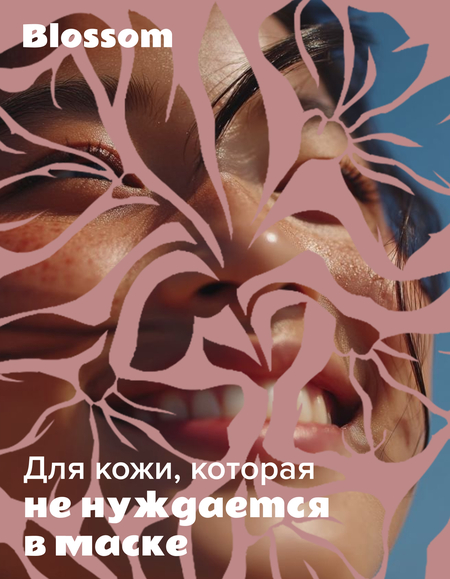
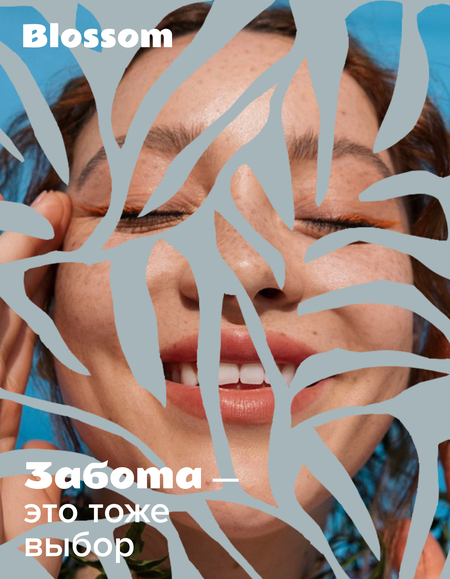
Value Proposition for You With Blossom, you’re choosing more than skincare—you’re embracing a thoughtful philosophy of care. Our products deliver effective, clean formulations that nurture not only your skin but also your soul, turning each ritual into a moment of mindful self-connection. Every purchase is a conscious decision that supports ethical production and lightens your environmental footprint, allowing you to leave a trace of care rather than consumption. Ultimately, Blossom becomes a mark of your personal journey—a reflection of maturity, awareness, and a deep, abiding love for nature.
Blossom isn’t just cosmetics — it’s a movement. Join us in transforming beauty into a cycle of care. Because every imprint should be gentle, meaningful, and beautiful.
For a professional audience
Core Idea: Caring is a mutual process. We leave our mark on the planet; nature leaves its mark on us—in memory, feeling, and beauty.


Mission: To transform humanity’s «rough imprint» into a «caring footprint» through products that embody this reciprocity.
Target Audience: Conscious women aged 20–30 who seek harmony with themselves and the world. They value clean beauty, minimalism, and sustainability.
Brand Philosophy: Reciprocity of Beauty Natural Beauty (Clean Beauty & Skinimalism) We don’t mask—we reveal. Goal: healthy, radiant skin in its natural state. Less steps, more efficiency. Power of Natural Formulations The ingredients include oils, plant extracts and natural components. Each ingredient tells a story—a plant’s imprint transferred into the formula. Environmental Responsibility Recyclable packaging, minimal plastic, ethical sourcing. Every purchase is a vote for the planet.
Visual & Sensory Identity: Bio-Impression Graphics & Packaging Aesthetic: Imperfect, tactile, organic. Nature is a source of inspiration — the use of leaf prints on the packaging and bottles. Materials: biodegradable and eco-friendly, in line with the brand’s values. Color palette: pastel shades — a symbol of tenderness and care. Aromas & Textures Scents: Bring the buyer closer to nature — peony, rose, pine, eucalyptus. Textures: thick creams, scrubs, delicate oils — tactile pleasure as part of the experience.
Communication & Content Strategy We speak the language of mindful beauty. Tone: Poetic, thoughtful, accessible. We invite you to take care of yourself mindfully. Content: Educational blogs, plant stories, eco-hacks. Plant stories, eco-lifestyle tips, relaxation content Social Media: UGC-driven with #MyNaturePrints — real girls sharing rituals in nature. Partnering with mindful micro-influencers who value authenticity. Focus: Authenticity over reach—collaborate with voices who value awareness and natural beauty.
Value Proposition For Her Effective, clean formulas that solve skin issues. A ritual of self-love and mindfulness.
For the World Ethical consumption that reduces environmental footprint. A conscious choice that supports ethical production and reduces your environmental footprint. For Identity A marker of maturity, taste, and connection to nature. Part of a conscious community.
Call to Action — Join the Movement Let’s redefine beauty together—where every product is a step toward mutual
Communication theory served for creating
1. Semiotic Tradition
This is the primary theoretical framework used to construct the brand’s core identity.
Semiotics teaches that communication is the exchange of meaning through sign systems.
The brand name and tagline, «Blossom» and «Caring Footprint,» are signs that semantic associations with natural growth, tenderness and permanence.
Key metaphor: the entire presentation is built around this central symbol. This transforms cosmetics from a simple product into a symbol of meaningful, long-term, and caring impact—on skin, soul, and the environment.
2. Rhetorical Tradition
The structure and language of a presentation are designed for convincing effect, directly applying rhetorical principles.Rhetoric is the art of making a message to persuade an audience.
A presentation builds evidence based on credibility, emotional and logical impact, and logos.
Authority is built through «pure beauty,» «ethical sources,» «scientific effectiveness,» and «educational blogs.» Emotional impact by poetic language («the aroma of happy moments»), values («caring, ” „attentiveness, ” „harmony“), and appeals to personal identity („a sign of maturity and awareness“). The logical impact is presented in a clear structure, within the framework of a problem and a solution (hard cosmetics versus gentle care) and practical benefits („less steps, more confidence“, „reduces environmental impact“).
3. Sociocultural Tradition
A strategy for transition from selling a product to building a community with shared values.Here, communication is viewed as a symbolic process that creates and reproduces social order, culture, and reality.
Creating a culture of «conscious beauty»: Blossom doesn’t simply sell creams; it invites consumers into a distant reality where beauty rituals are acts of care for the environment and yourself. User-generated content and #MyNaturePrints directly apply the concept of co-creation of meaning. By encouraging users to share their stories, the brand fosters social interaction that reinforces its core values and builds community.
Partnering with «conscious» micro-influencers involves selecting influencers who are not only popular but also embody the specific culture and values the brand wants to promote, ensuring authentic cultural representation.
4. Cybernetics and the Two-Step Flow
The presentation presents a complex communications model that takes into account feedback and the influence of influencers.Cybernetics views communication as an information processing system, emphasizing feedback loops. The two-step flow model suggests that media effects often pass through influencers.
The plan includes educational blogs, but particularly emphasizes user-generated content and social media engagement. This closes the communication loop, allowing the brand to adapt.
The strategic use of influencers demonstrates an understanding of the two-step flow. The brand will deliver its message to these authoritative, niche influencers, who will then interpret and validate it for their engaged followers, making it more persuasive than direct advertising.
5. Narrative Paradigm
The entire brand is presented as a story, which is fundamentally more compelling than a simple list of features.
Walter Fisher’s theory posits that people are essentially storytellers, and we evaluate messages based on their narrative coherence and credibility.
Application:
The overall idea is to transform beauty into a cycle of care. Each product line represents a subplot within a larger story.
The user-driven campaign invites consumers to become characters and narrators of the Blossom story, enhancing personal engagement and the perceived authenticity of the narrative.