The question of whether therapy can be a productive force within art—rather than merely a «plot point» or a «side effect”—arises at the intersection of clinical practice and artistic theory. Its contemporary framing is linked to a crisis of boundaries: social practices in art are increasingly being evaluated based on utility rather than aesthetic value. The academic discourse presents two opposing viewpoints: some researchers and curators view therapeutic logic (catharsis, confession, ritual) as a legitimate artistic method, while others see it as a threat to art’s autonomy—a substitution of aesthetic judgment with psychological appraisal. For example, the topics of care and the therapeutic turn are discussed in the „Art Journal“ (issue „What is Called Care?“, No. 116) and in the journal „Inviolable Reserve“ as a problem of institutional ethics: who, and on what grounds, decides that art „heals“? The field of inquiry poses several questions: is the therapeutic effect the goal of the work or merely a byproduct? Where is the line between caring for the viewer and using them as „material“? Can pain documented in an object be considered an artistic statement, or does it remain merely a document of suffering? In this paper, these questions are examined critically: using three projects as examples, I will show that therapy becomes part of art not when the artist is „cured“ or „cures, ” but when therapeutic logic submits to formal discipline—and it is this submission, not the therapeutic effect itself, that creates the work.
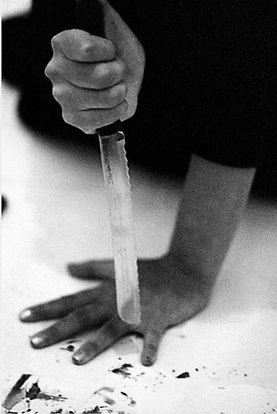
Marina Abramović, «Rhythm 10» (1973)
Date of Creation / First Exhibition: 1973, Edinburgh College of Art (as part of the Edinburgh Festival).
Illustration: Performance documentation (photographs, audio recording) is available in the Tate and MoMA archives. https://www.demarco-archive.ac.uk/search?search_type=assets&tags[]=Rhythm%2010&tags_combo=any
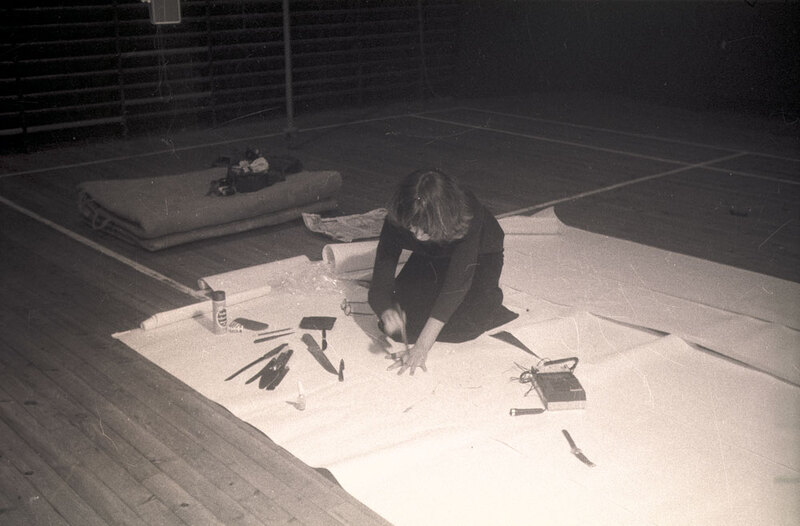
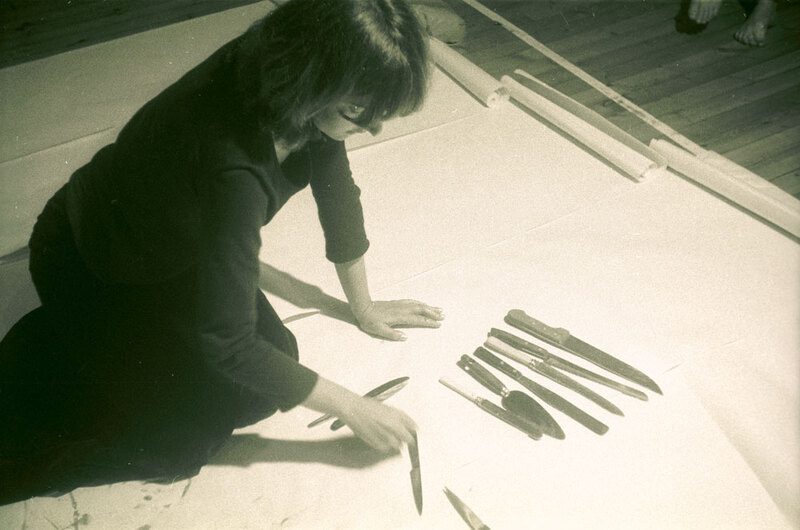
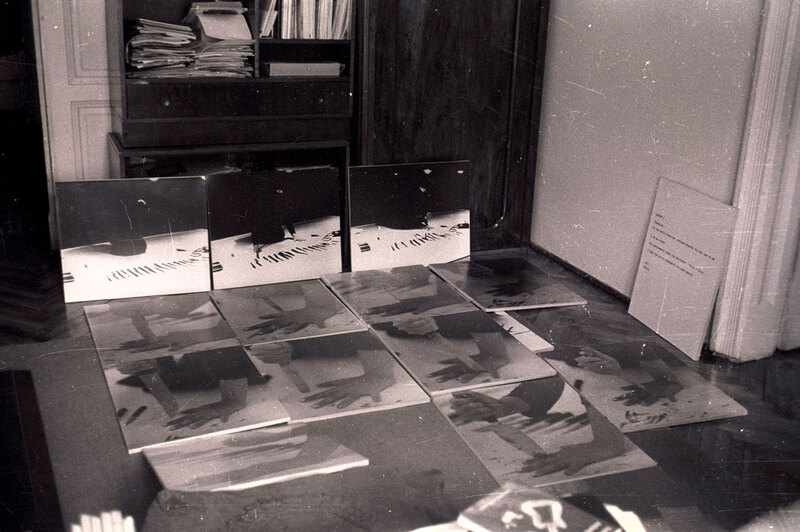
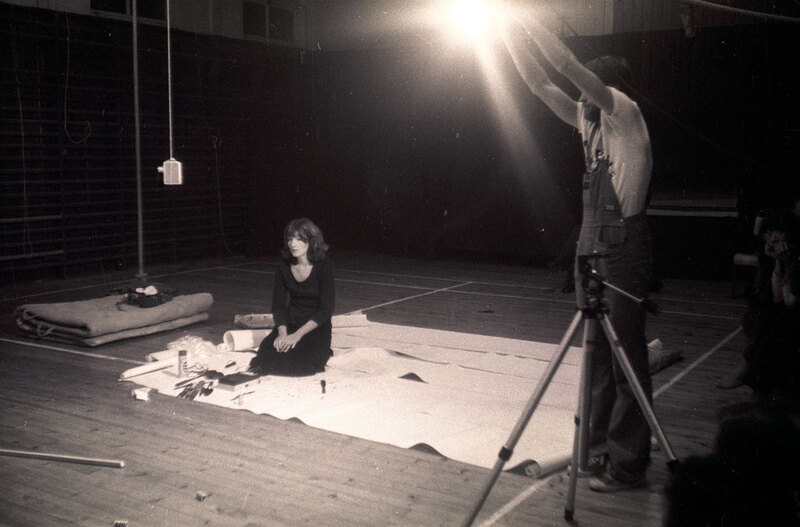
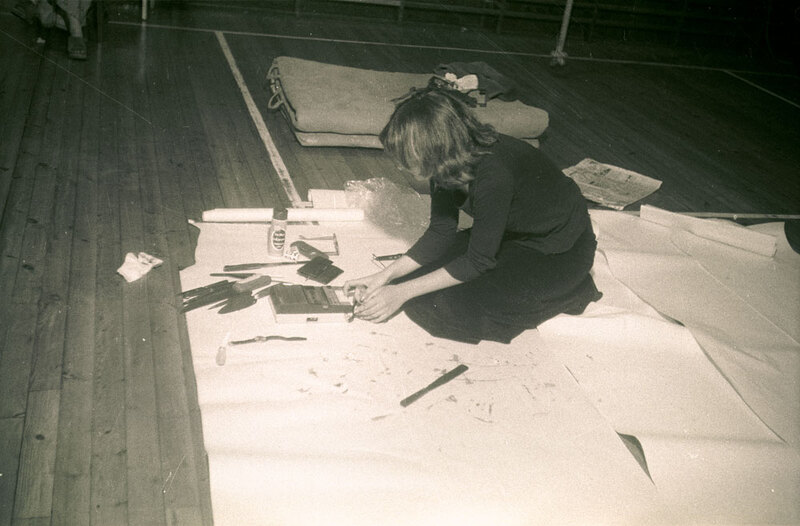
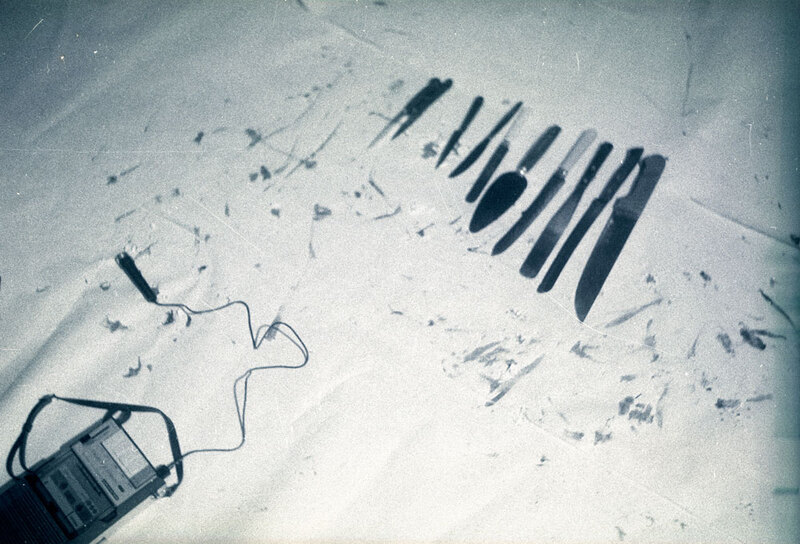
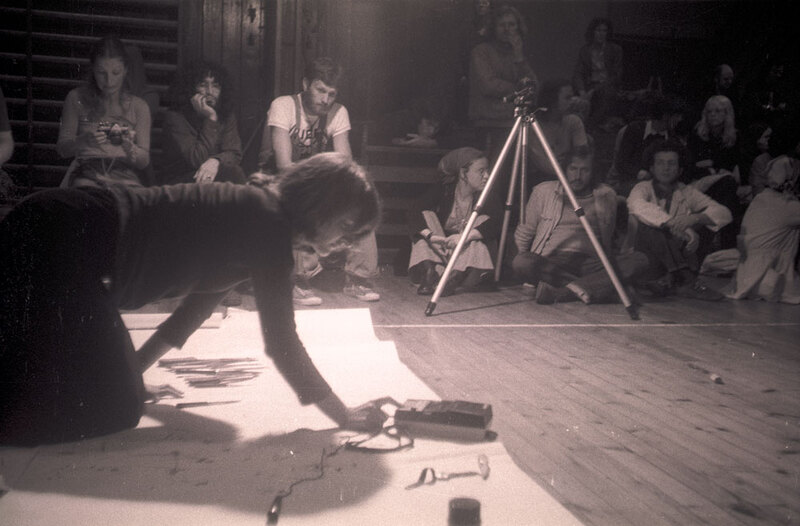
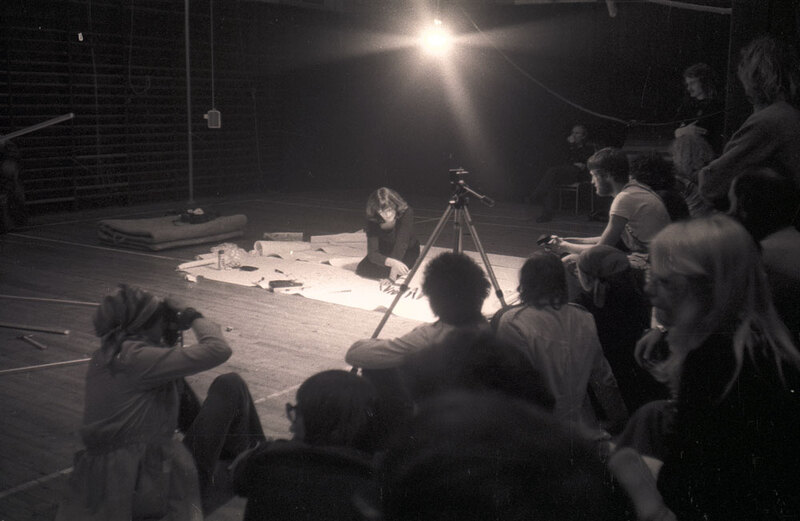
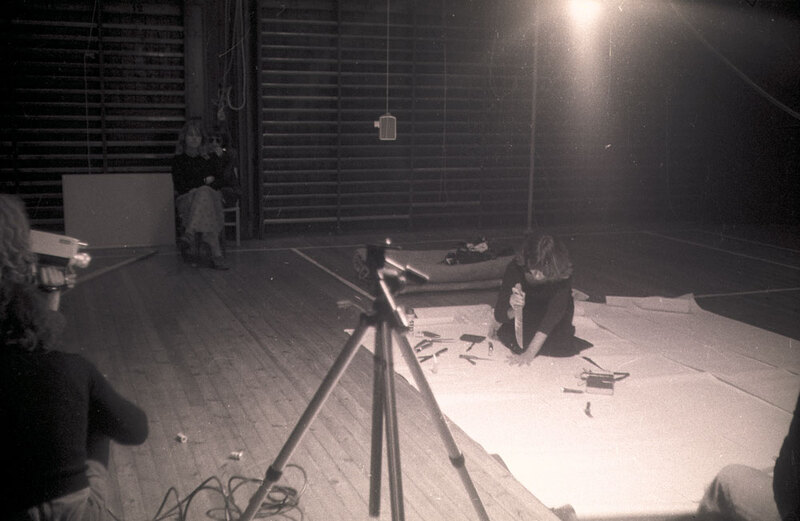
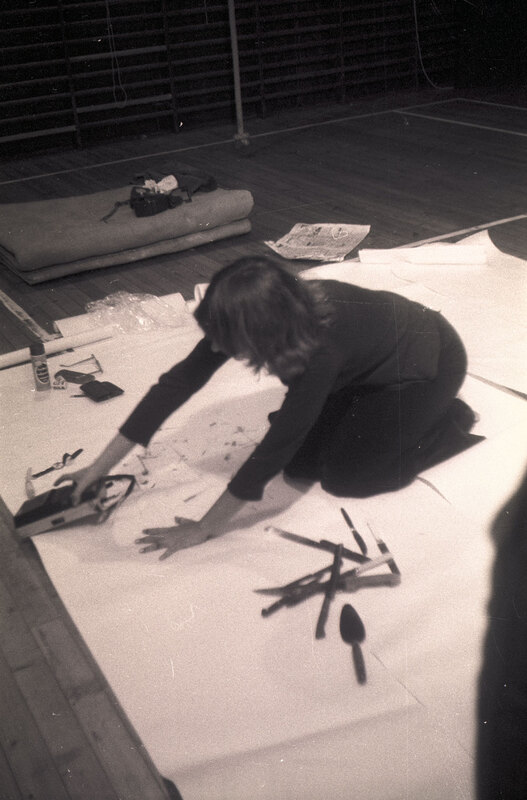
Marina Abramović, «Rhythm 10» (1973)
«The idea of death terrifies me. When the plane shakes, I shake with fear… But when it comes to my work, I discard caution. That’s how I felt in „Rhythm 10.””
„In this performance, the errors of the past and the present synchronize“ (my translation. — Note).
«Rhythm 10» is an extreme case that exposes the asymmetry of therapeutic logic within art. Abramović does not «heal» the viewer, nor does she offer catharsis. Instead, she creates a situation where the action itself becomes the material for a repetitive gesture, and this gesture proves diagnostic rather than therapeutic. The masochism here is not a metaphor for «accepting pain for art’s sake, ” but a literal practice: the artist stabs knives between her fingers, records the sounds of the wounds, and repeats them, transforming pain into an aural object. The work reveals a problem that art therapy typically taboos: the therapeutic framework assumes safety, but Abramović’s artistic framework strips away that security. Any therapeutic effect (if one exists at all) is achieved not through care, but through the extreme experience of one’s own vulnerability. The artist frames this as „abandoning caution“ and „absolute madness”—meaning art functions not as a clinical form of healing, but as a way to affirm existence through controlled risk. This is precisely why „Rhythm 10“ remains a work, not a session: its goal is not alleviation, but the revelation of what therapy strives to control. The critical question is: is the repetition of a traumatic gesture therapeutic—or does it merely make trauma visible, leaving it unresolved?
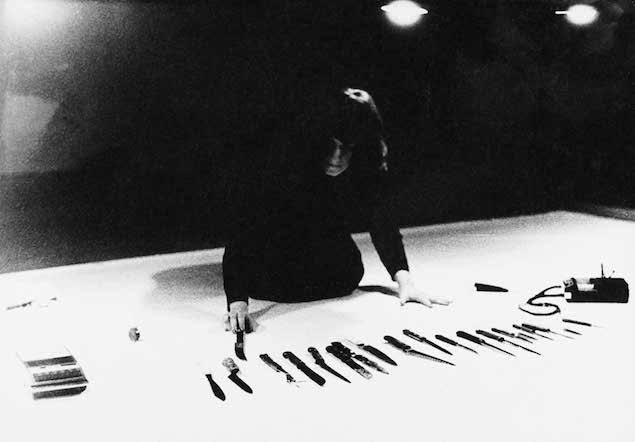
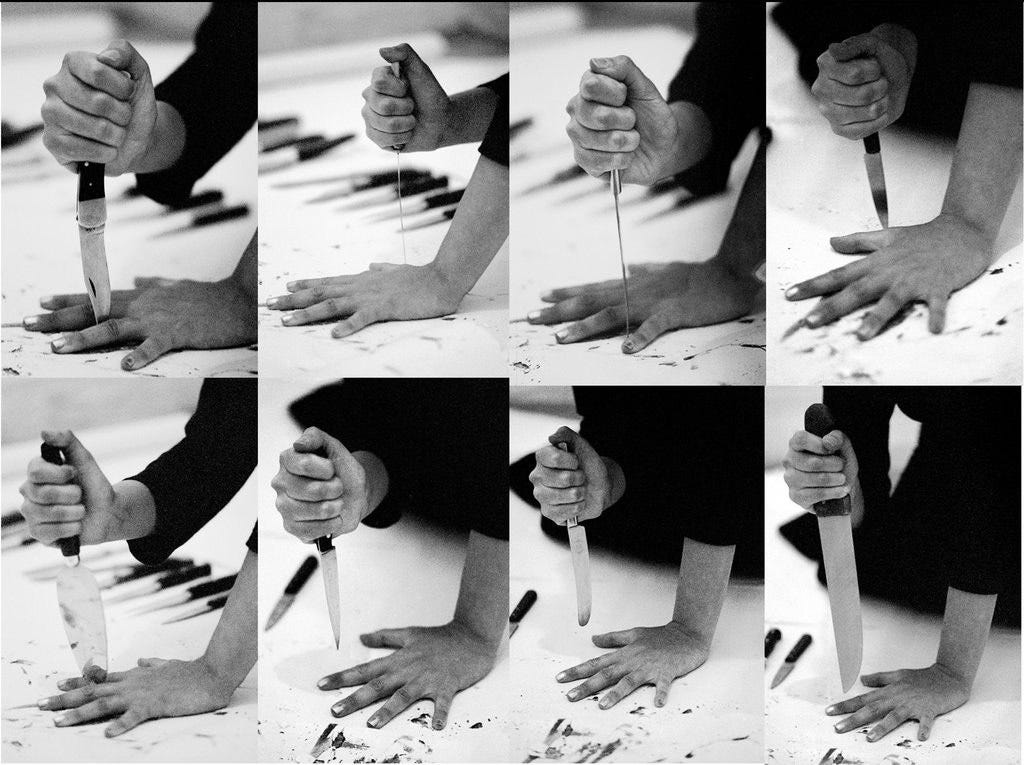
Marina Abramović, «Rhythm 10» (1973)