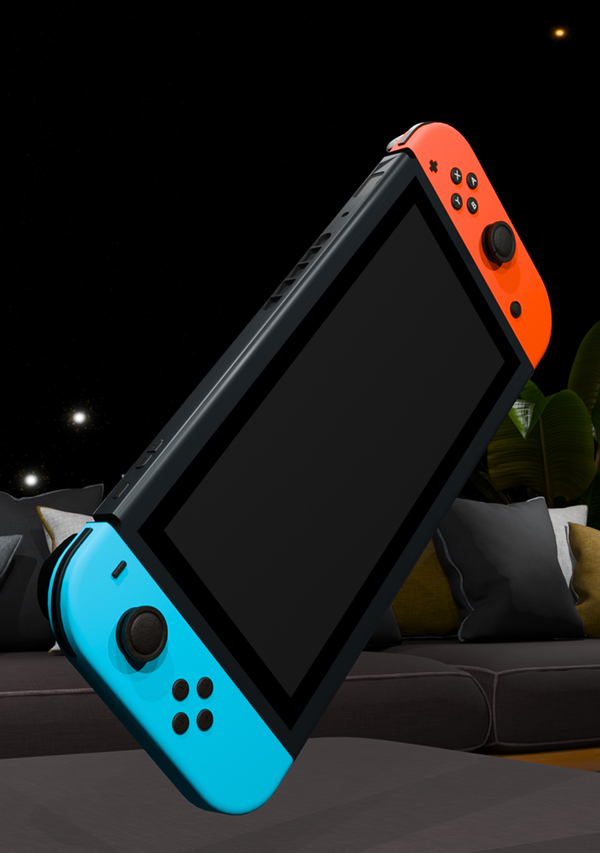
In this project, I investigated the Nintendo Switch—its history, formal principles, and design language. I chose this console because of its recognizable silhouette, modular design, and the connection between its form and various use scenarios. Based on this analysis, I created a 3D model of the device and a series of final visualizations.
Structure
Nintendo Switch — a hybrid gaming console designed for portable, tabletop, and TV modes. Its structure revolves around a central screen and two detachable Joy-Con controllers, which attach to the main body via side rails. This modular system allows the user to quickly change the usage scenario.
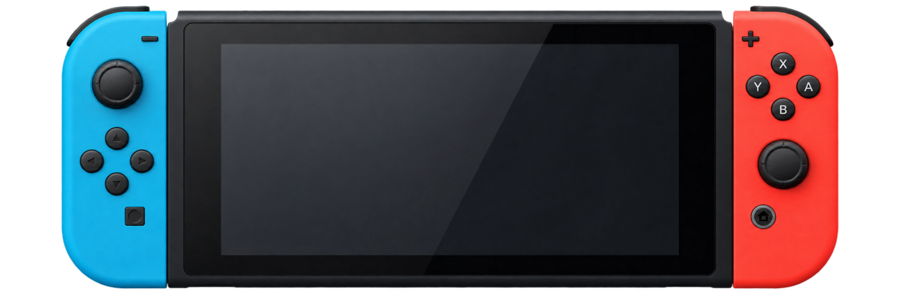
Nintendo has gradually established a recognizable approach to gaming devices: simple forms, intuitive controls, and a friendly visual identity. In the Switch, this approach continues through soft curves, contrasting colors, and a clear separation of control elements.Visually, the device maintains a connection to previous generations of Nintendo but appears more minimalist and modern.
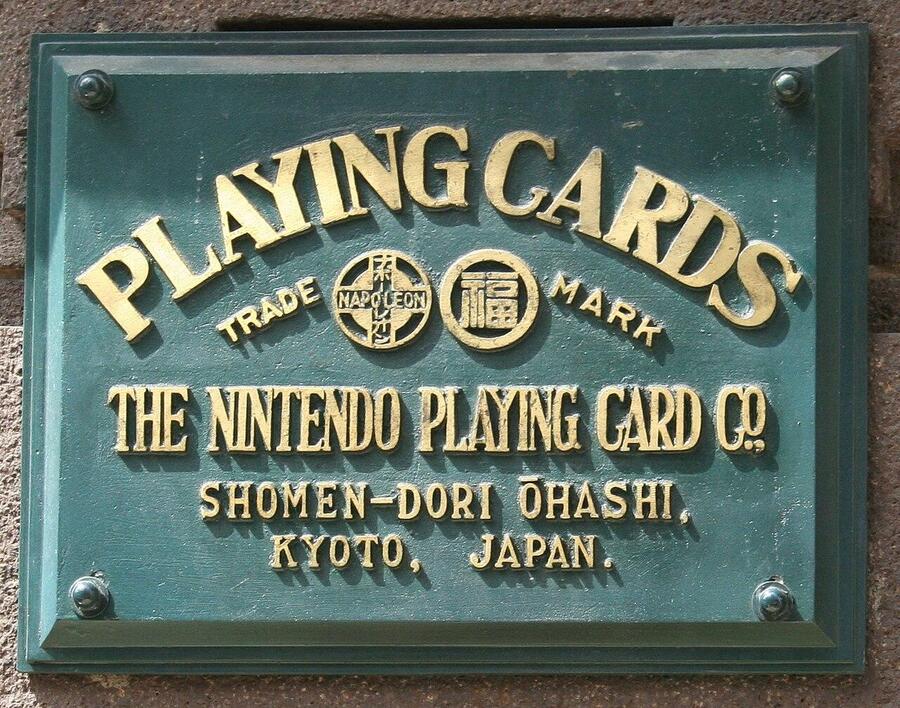
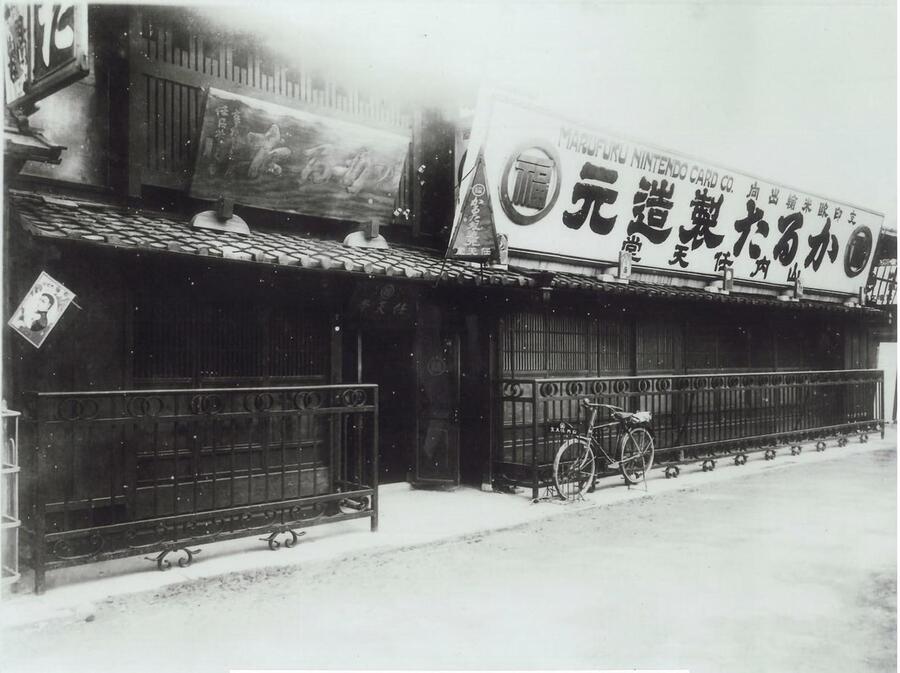
Nintendo was founded in Kyoto in 1889 and initially produced Hanafuda playing cards. Over time, the company expanded its focus into toys, electronic entertainment, and video games, becoming one of the most recognizable brands in the gaming industry.
How the History of Nintendo Consoles Began
In 1977, Nintendo released the Color TV-Game 6—one of the company’s first home gaming systems. The console connected to a television and included six built-in games in the style of Pong. From that moment on, Nintendo began developing the home video game sector.
From the first console to modern form
The Nintendo Switch form is built on a combination of simplicity, functionality, and visual balance. The device appears cohesive yet maintains a feeling of flexibility and adaptability.The design is not cluttered with details: the core elements are easy to read, and the overall look remains clear and recognizable.
Visualization