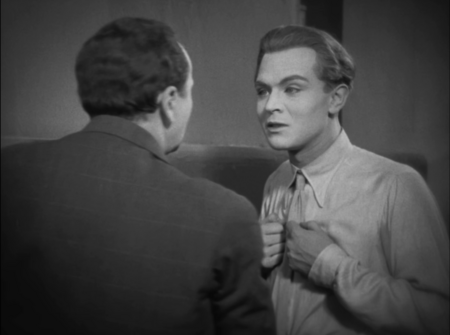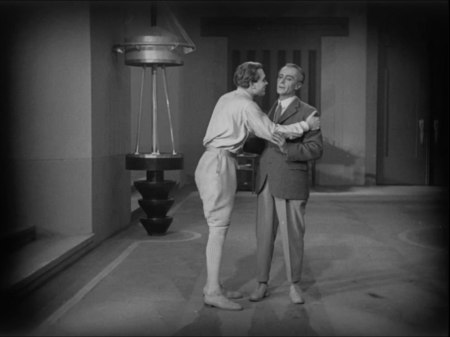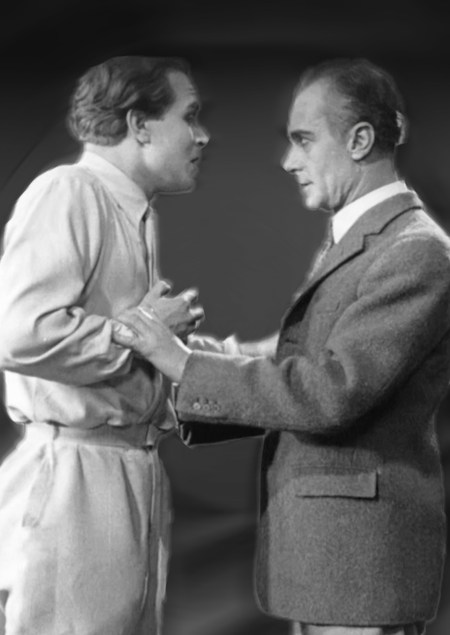
«Metropolis» is a film of immense significance to cinema. It addresses issues of power, class inequality, labor exploitation, and the cost of technological progress. While «The Simpsons» holds a place in popular culture, it occupies a lower tier, functioning primarily as entertainment for the masses. The animated series is rich with pop culture references and allusions to famous figures, and its plot often follows the same formula.
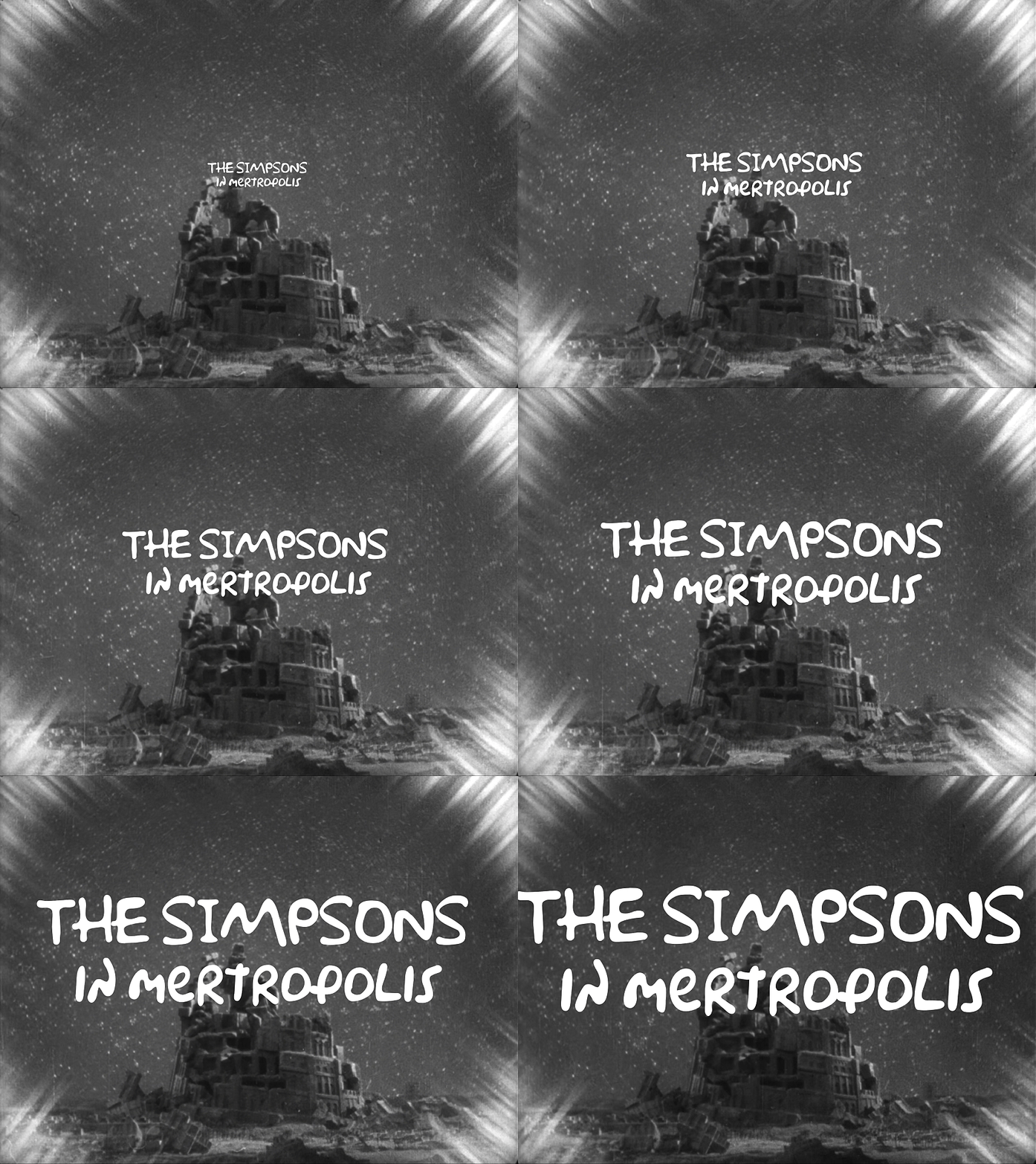
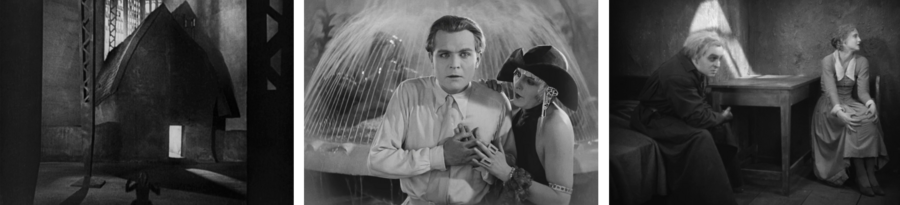
These characteristics make «The Simpsons» an ideal vessel for remixing—a genre that, by definition, cannot produce anything entirely new. But it’s not just the genre; art in general involves reprocessing itself, echoing the familiar notion that nothing truly original can be created because everything has already been conceived before us. If «Metropolis» can be considered an original work because it stands at the genesis of the genre, the originality of «The Simpsons» might be debatable. As for the non-originality of my own work, I have no doubt.
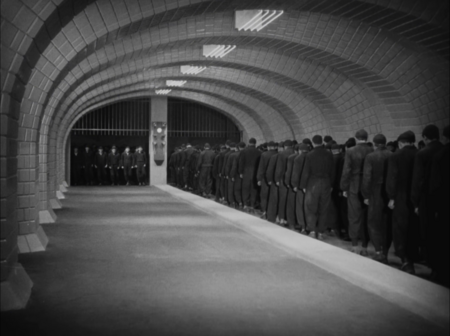
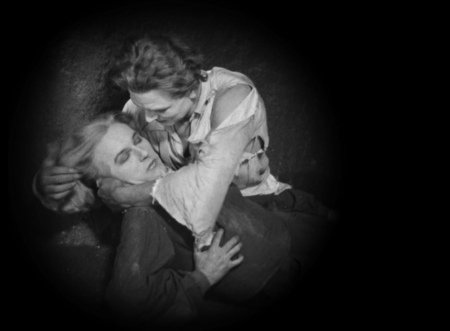
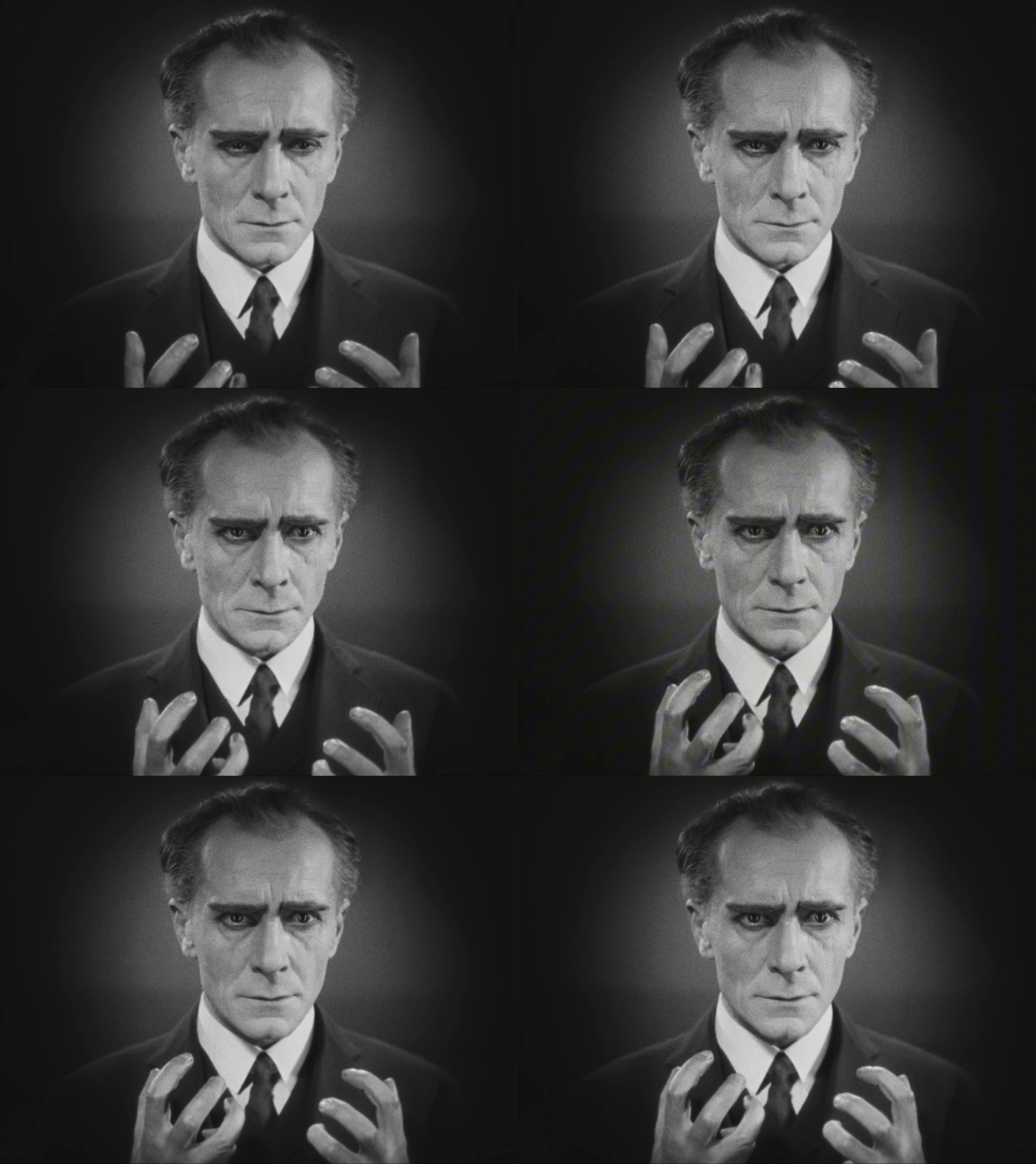
The editing style itself is choppy and jarring. The narrative is difficult to follow due to the large amount of disjointed, off-topic material pulled from The Simpsons. This loud, erratic editing is characteristic of most modern shows and internet content. Applying this style to Metropolis makes it clearer just how much the narrative style has changed throughout the history of film.