Cinema used smoking as a tool to reveal characters: their personalities, coolness, brutality, and social status—through expensive cigars for men or the emancipation shown in scenes featuring women who smoke.
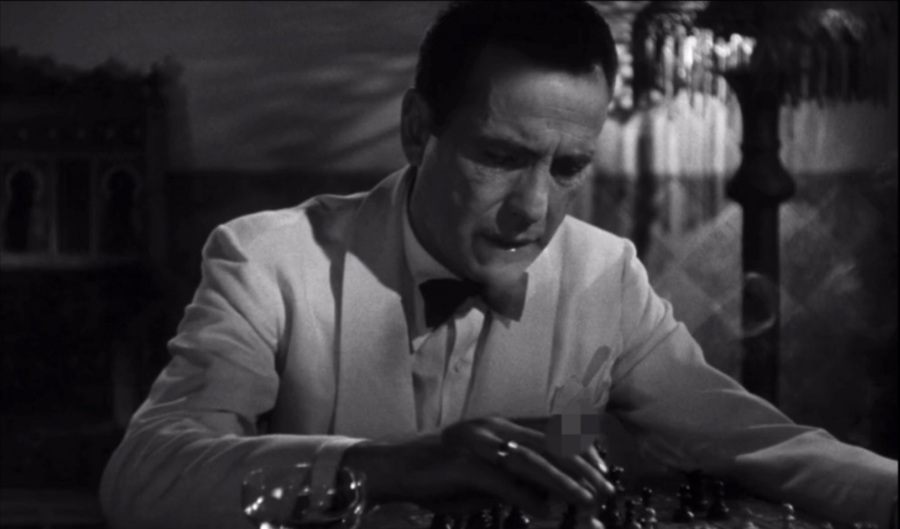
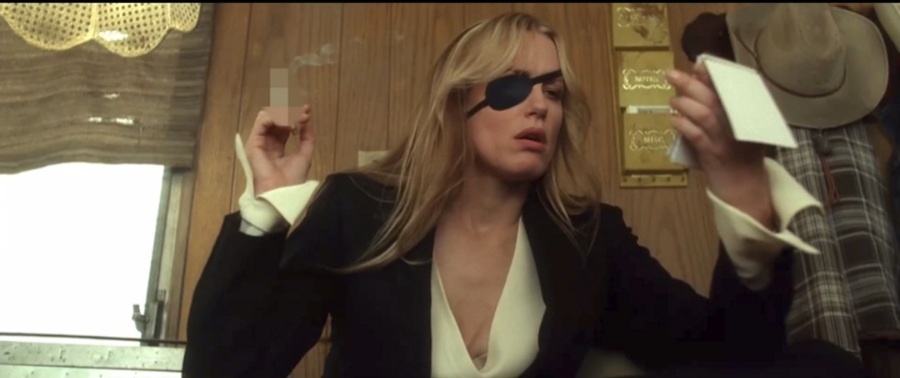
With the spread of anti-nicotine campaigns, including graphic warnings on packaging, the cigarette in the frame has become a symbol of marginality and recklessness, transitioning into an anti-hero archetype.

In contemporary cinema, the cigarette has transformed into a rarer ritual, symbolizing loneliness, internal conflict, and a destructive, self-sabotaging nature—serving as a substitute for dialogue and a moment for reflection.
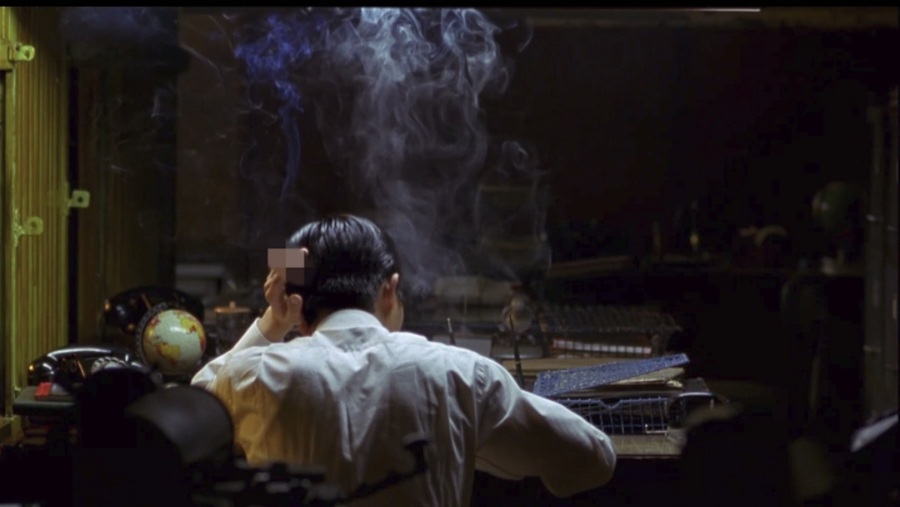
I constructed a visual narrative illustrating the evolution of the smoking image in film, and by overlaying a blur on the cigarettes, I highlighted the act of censorship. The very concealment paradoxically draws attention, making the image recognizable to contemporary culture.
This trend—removing anything from reality—leaves too noticeable gaps; as a result, only the object itself disappears, permanently remaining as smoke on the global cinematic screen.