
Italian. «overshoot, spin» in the F1 community means «to go into a spin»
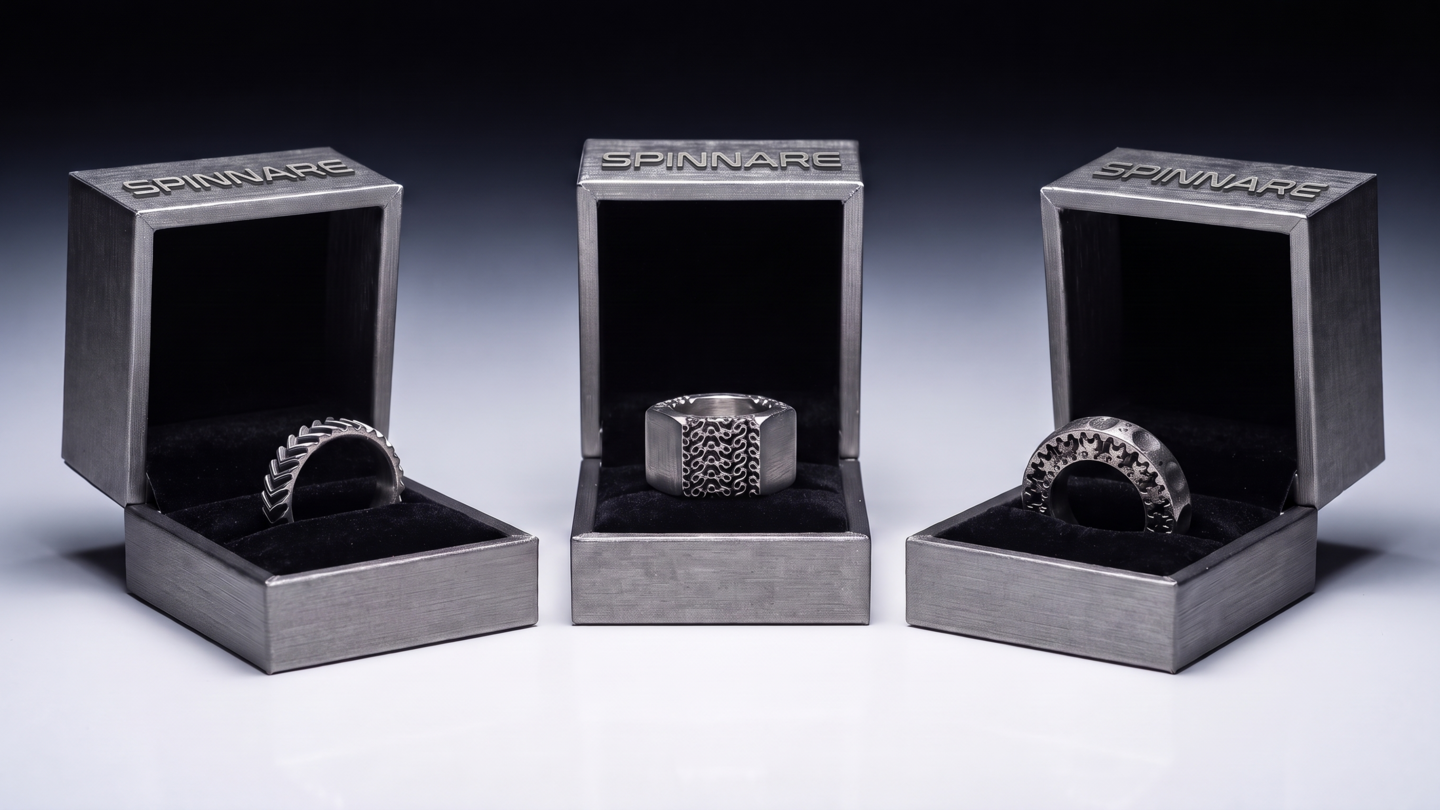
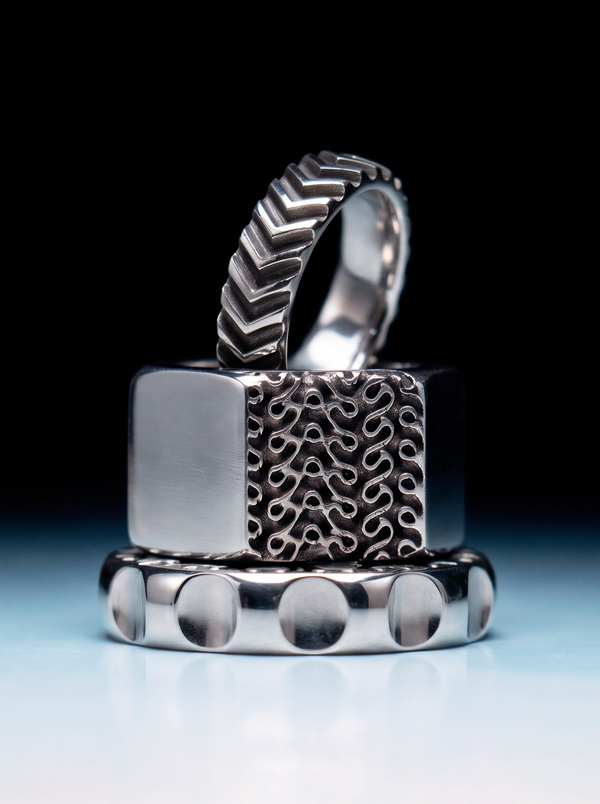
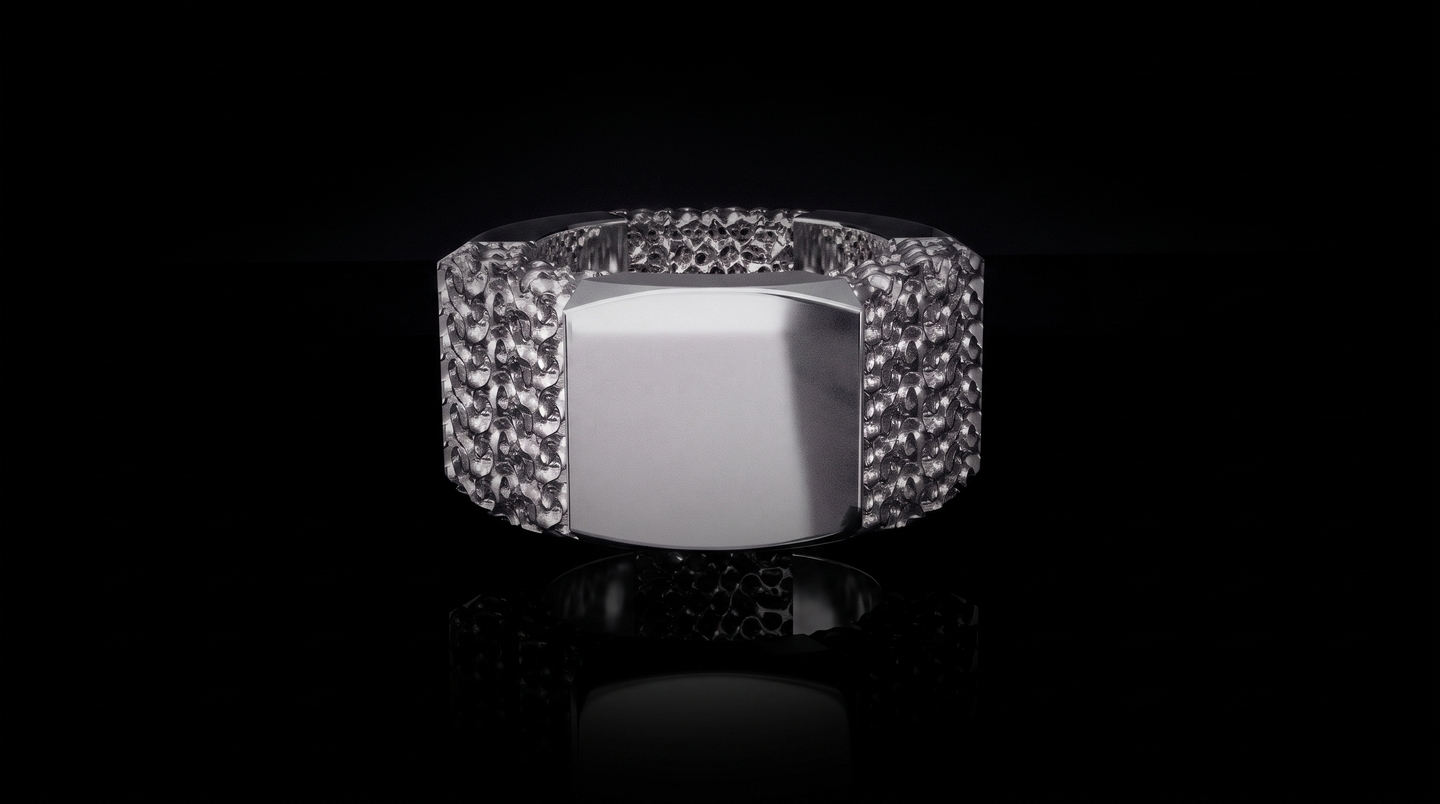
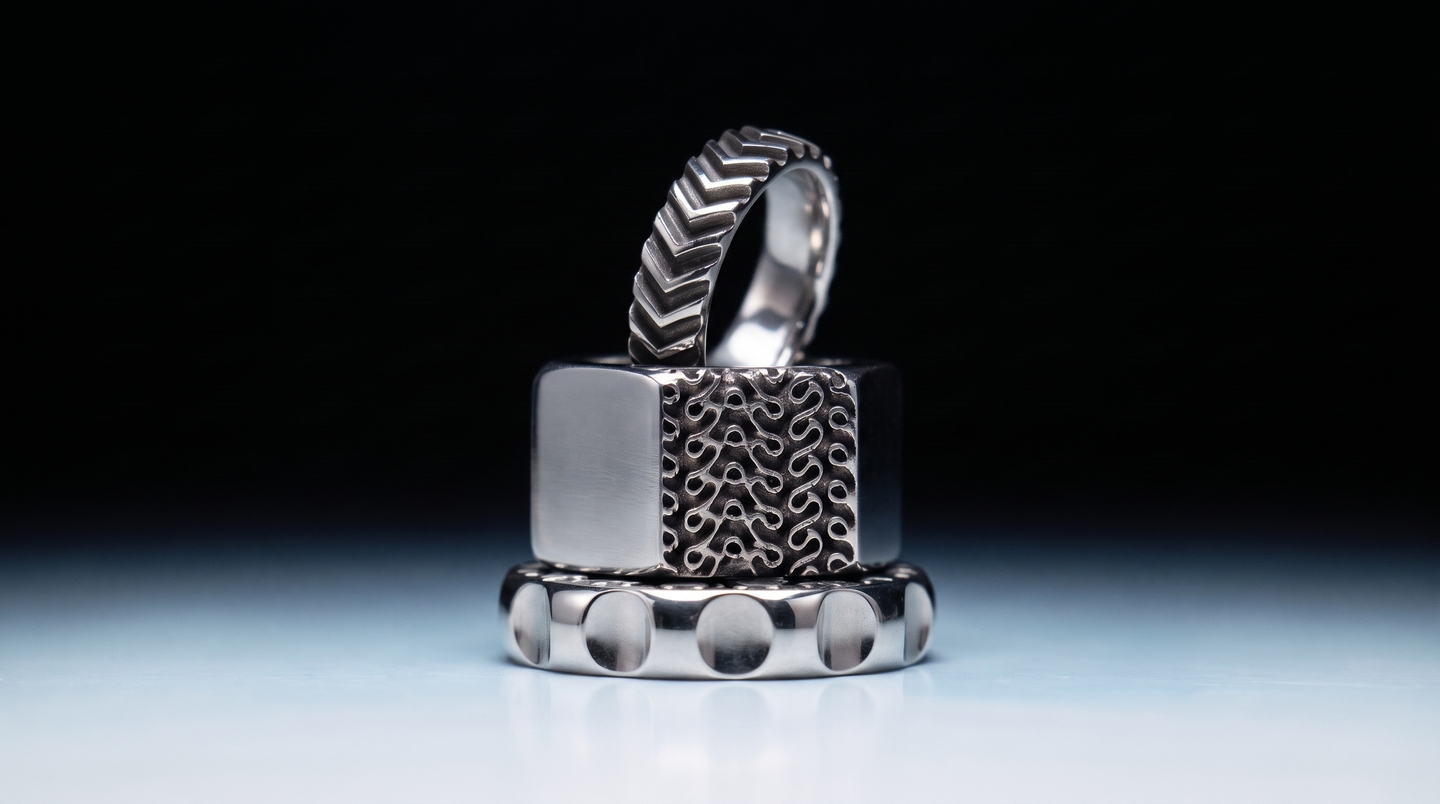
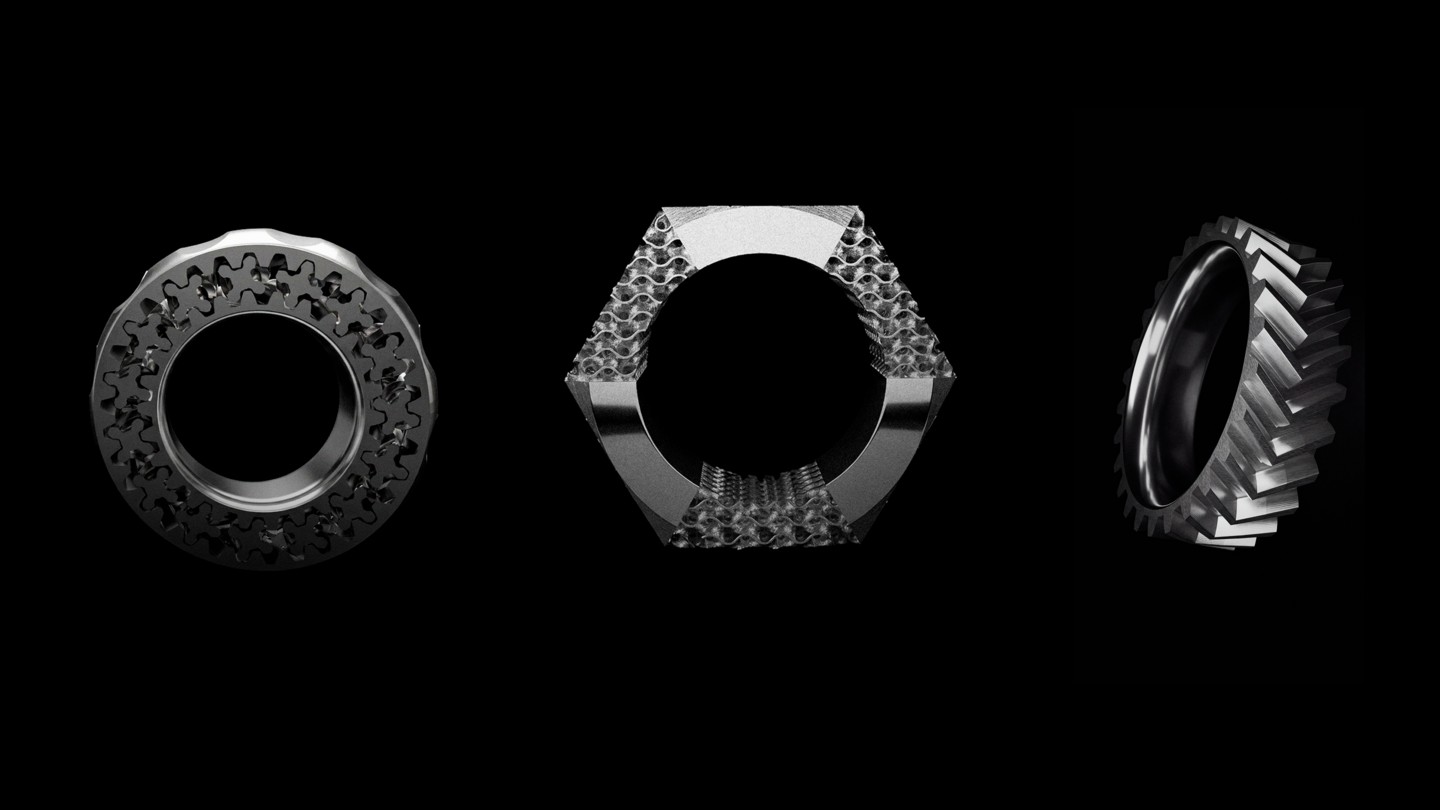
The collection is dedicated to auto racing, exploring the interplay between engineering mechanisms, motion, and jewelry form. At its core are three technical elements of a race car: the moving gear system, the wheel nut, and the gear transmission.Each piece translates the automotive mechanism into jewelry form while preserving its structural logic.
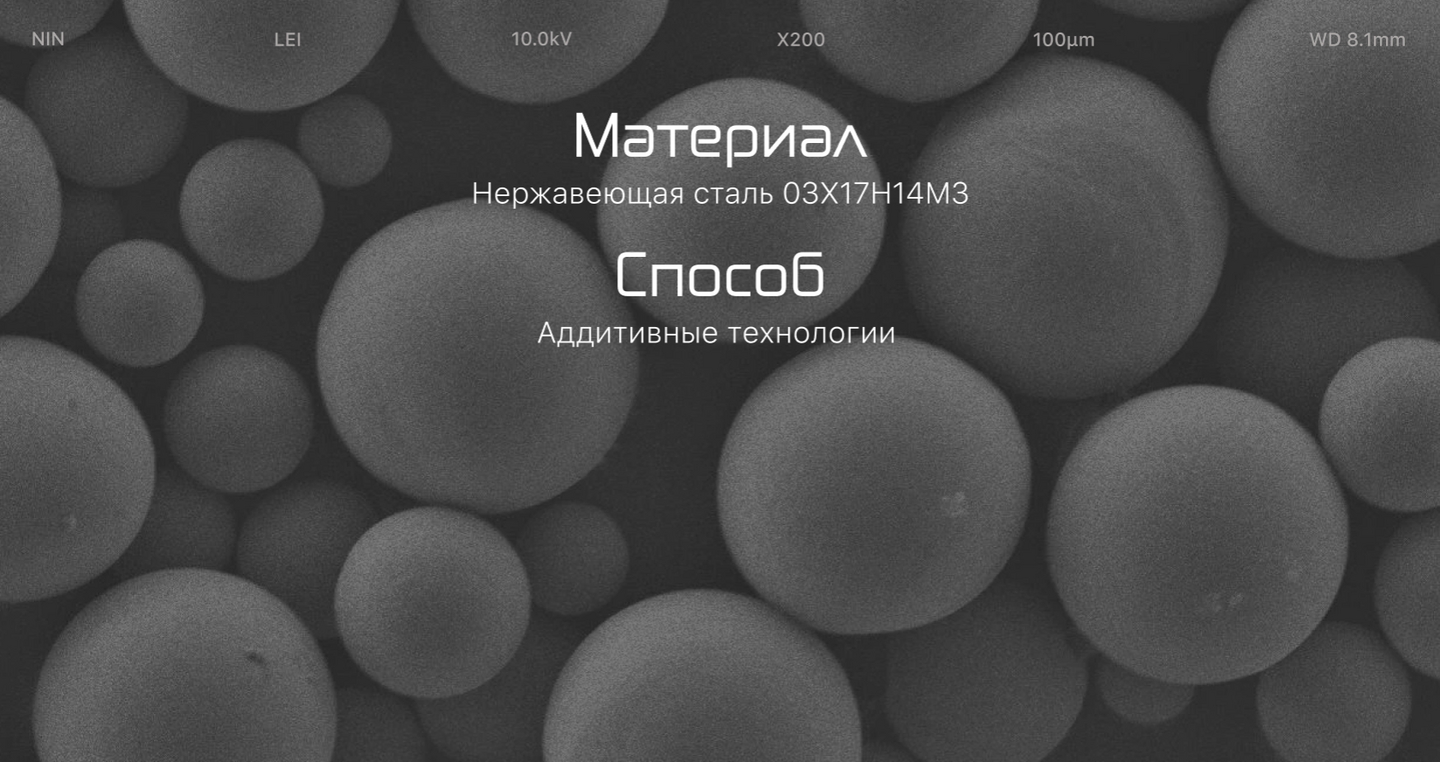
Additive manufacturing is a process of layer-by-layer creation of a three-dimensional object by selectively melting metal powder or wire using a focused laser beam according to a digital 3D model.
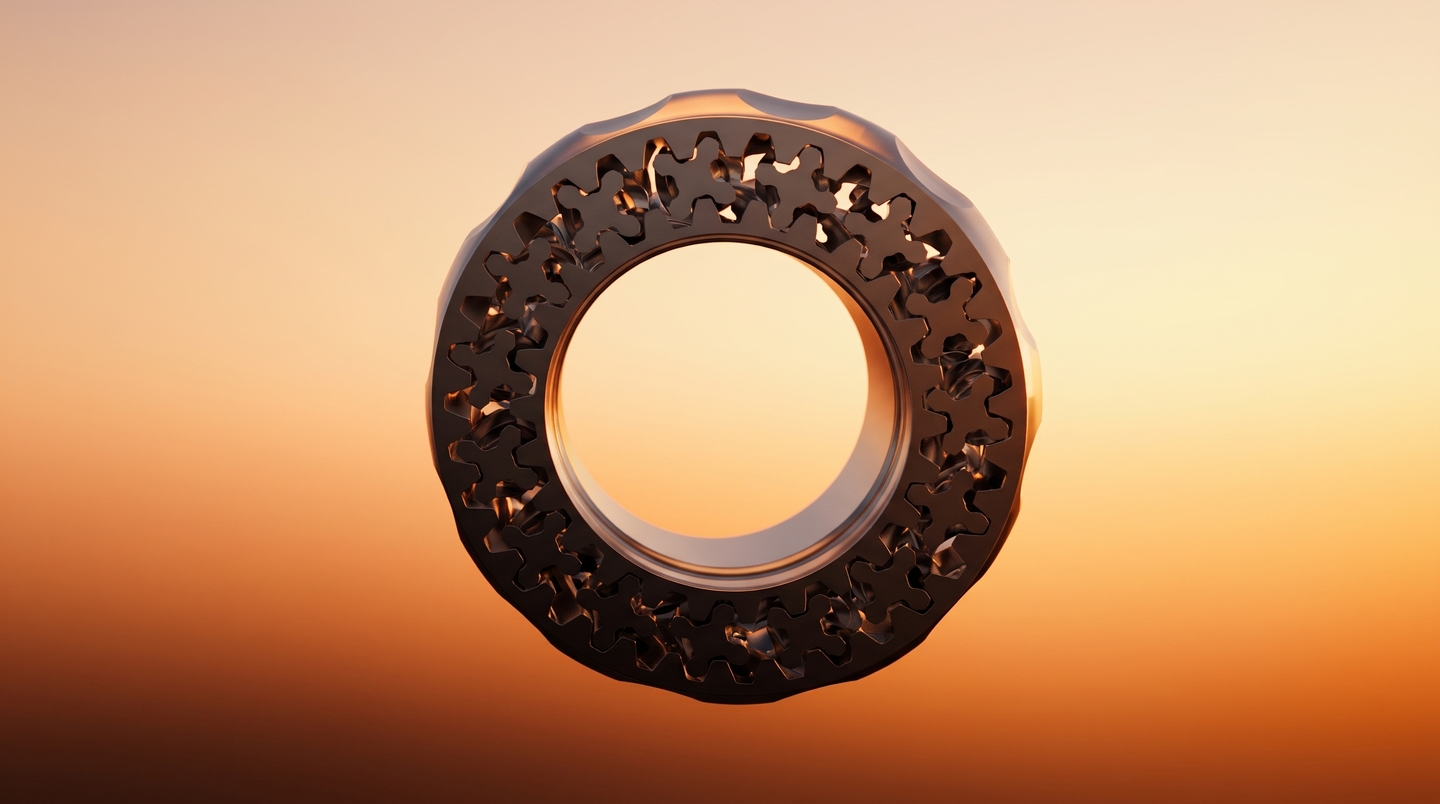
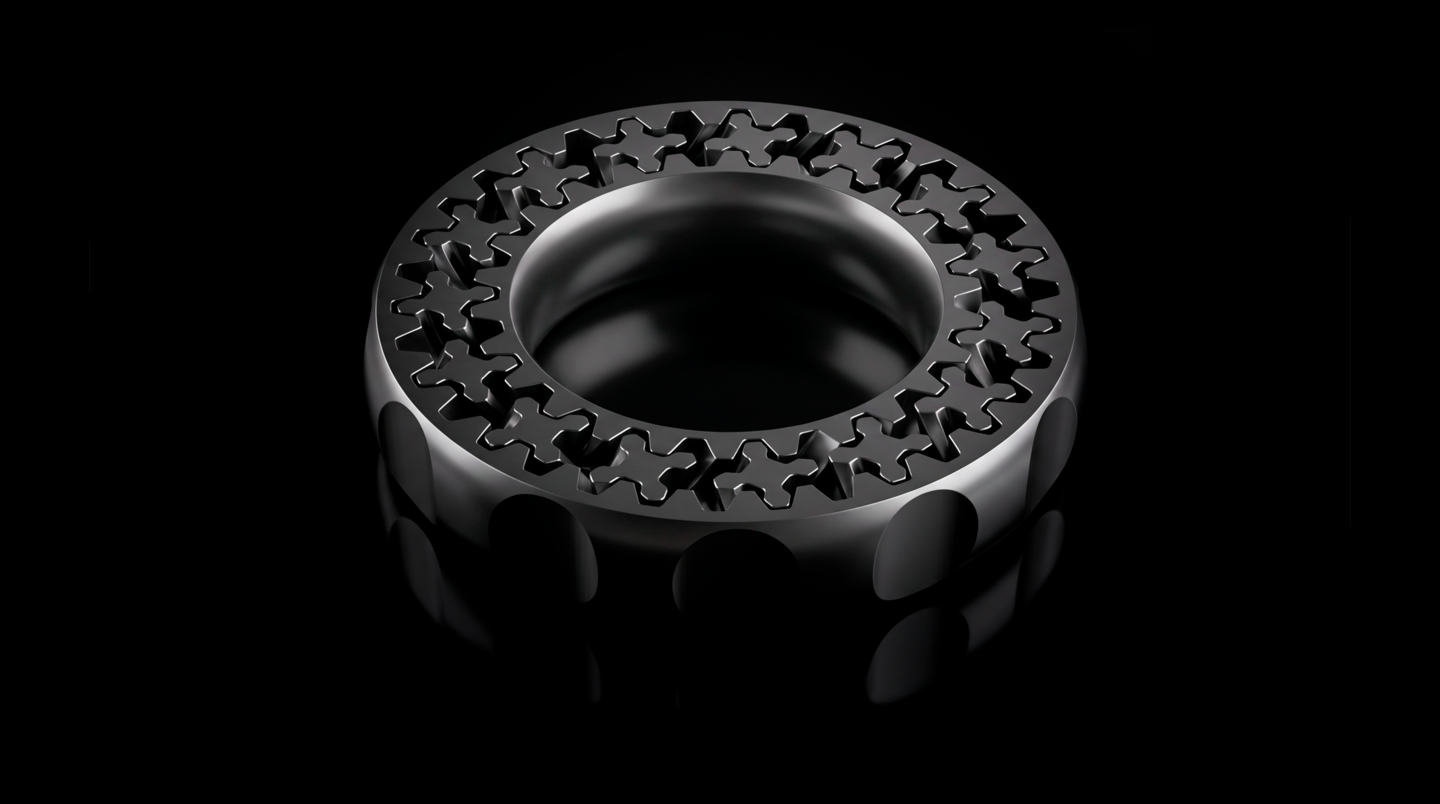
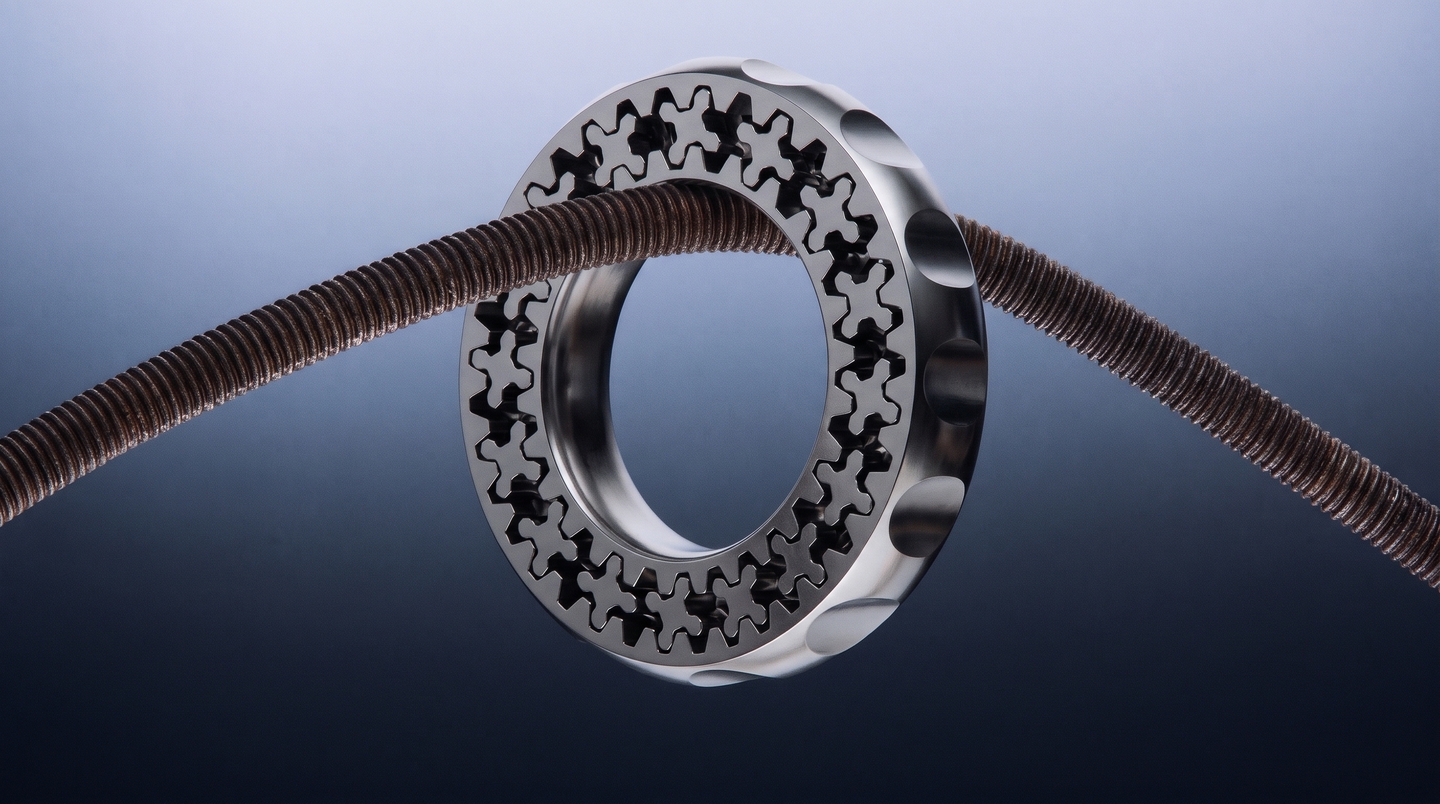
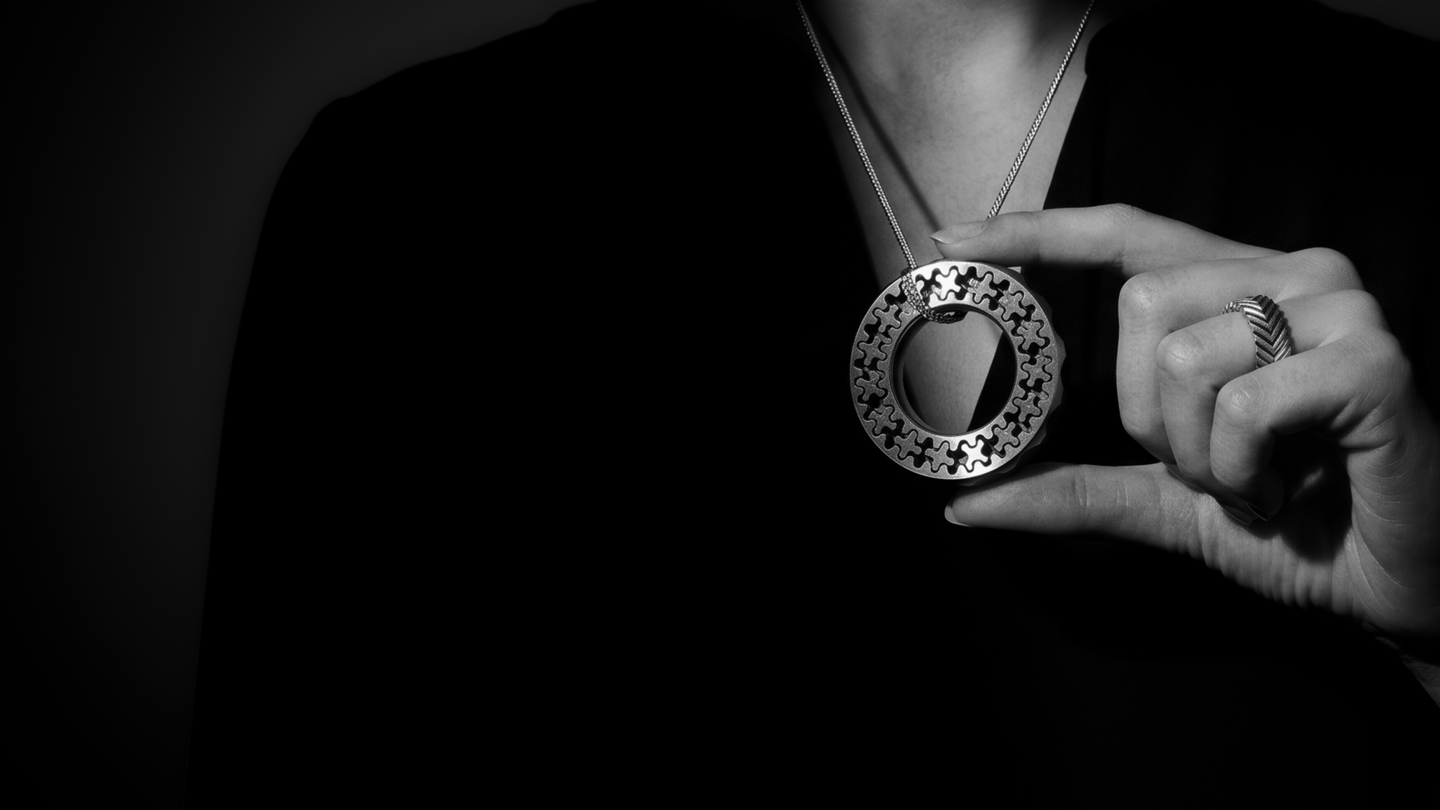
At the core of the first piece of jewelry are movable gears between two rings. Their interaction evokes the transmission of a race car, where toothed wheels transfer torque.
The piece is printed as a single construction. Technological supports maintain the geometry during printing and are removed afterward: the item is placed on a metal cone and rotated with a key. The gears are freed and gain the ability to rotate.
This transition from static to motion mirrors the launch of a race car.
The second motif—the nut as a point of connection. In motorsports, one nut secures the wheel through which the car transfers power to the road.
The safety of the drive depends on the precision of its installation.
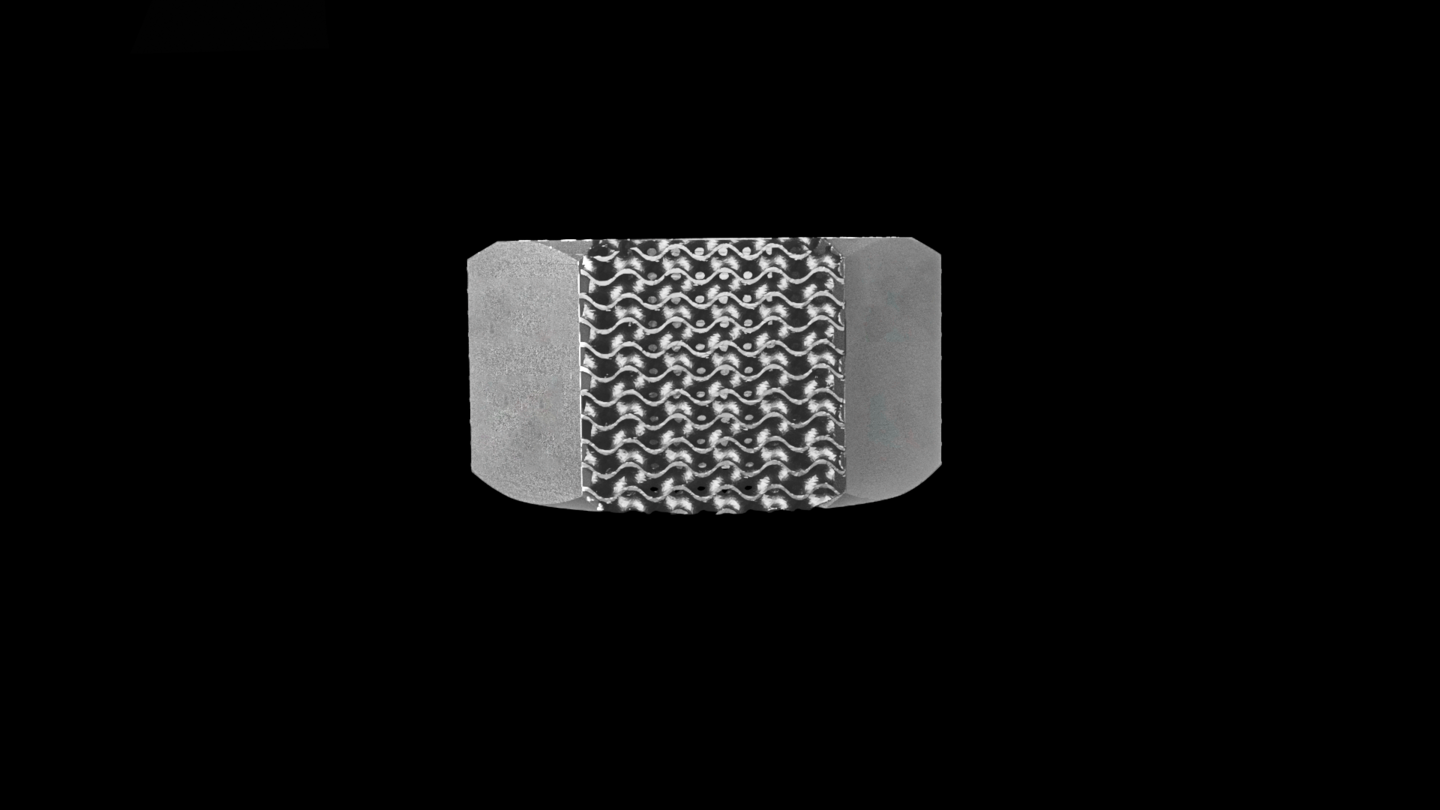
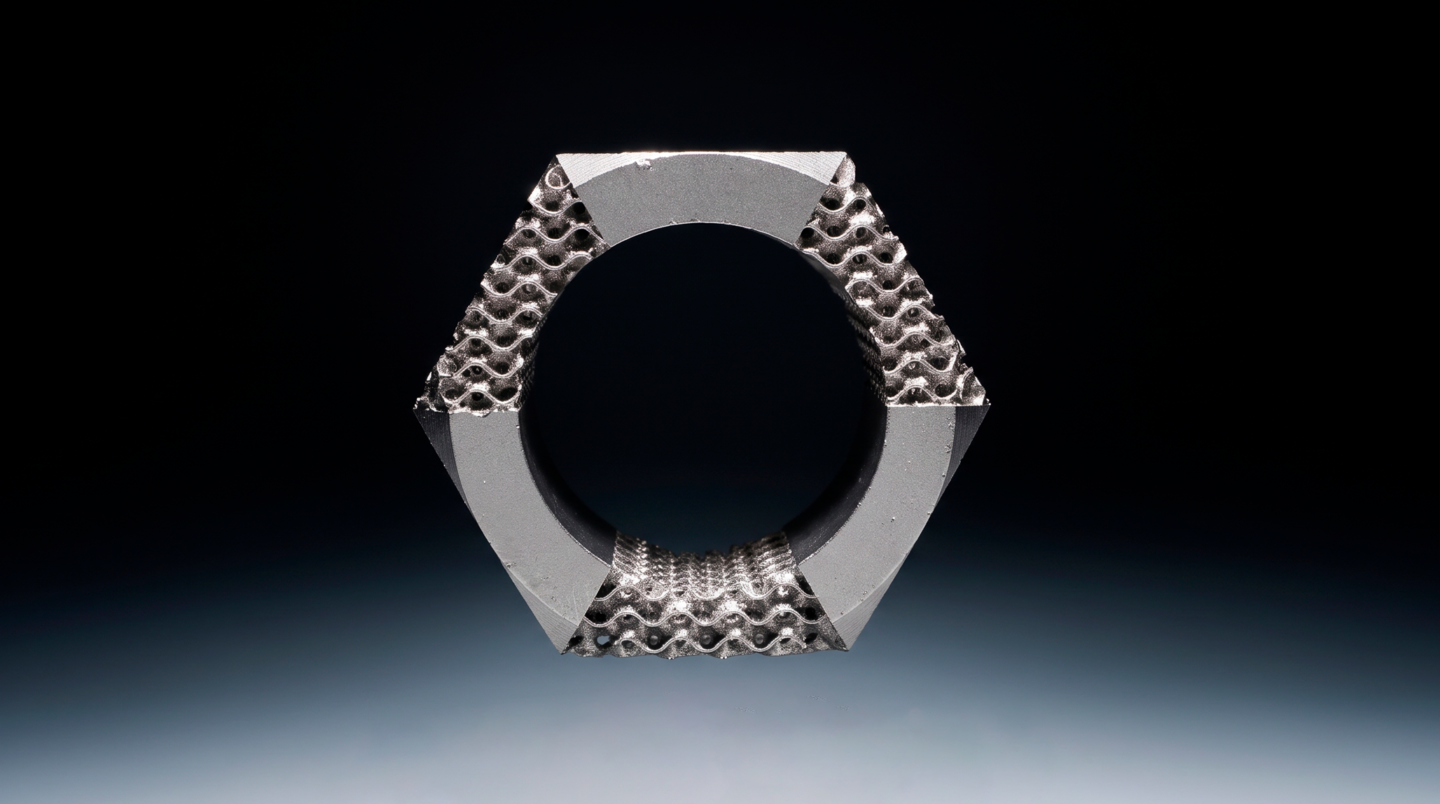
In the jewelry collection, the nut unites components into a functional structure. It bridges engineering function and aesthetic form.

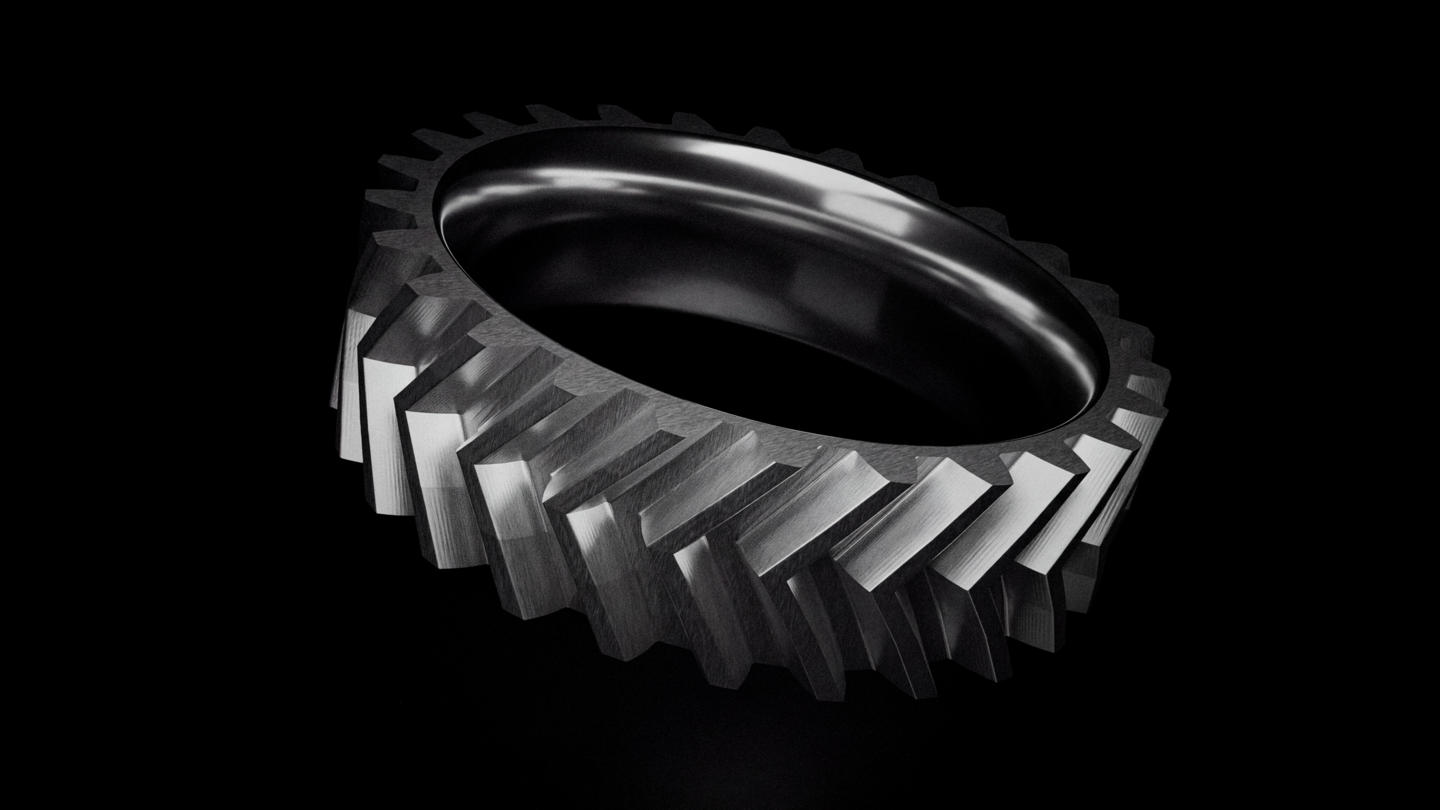
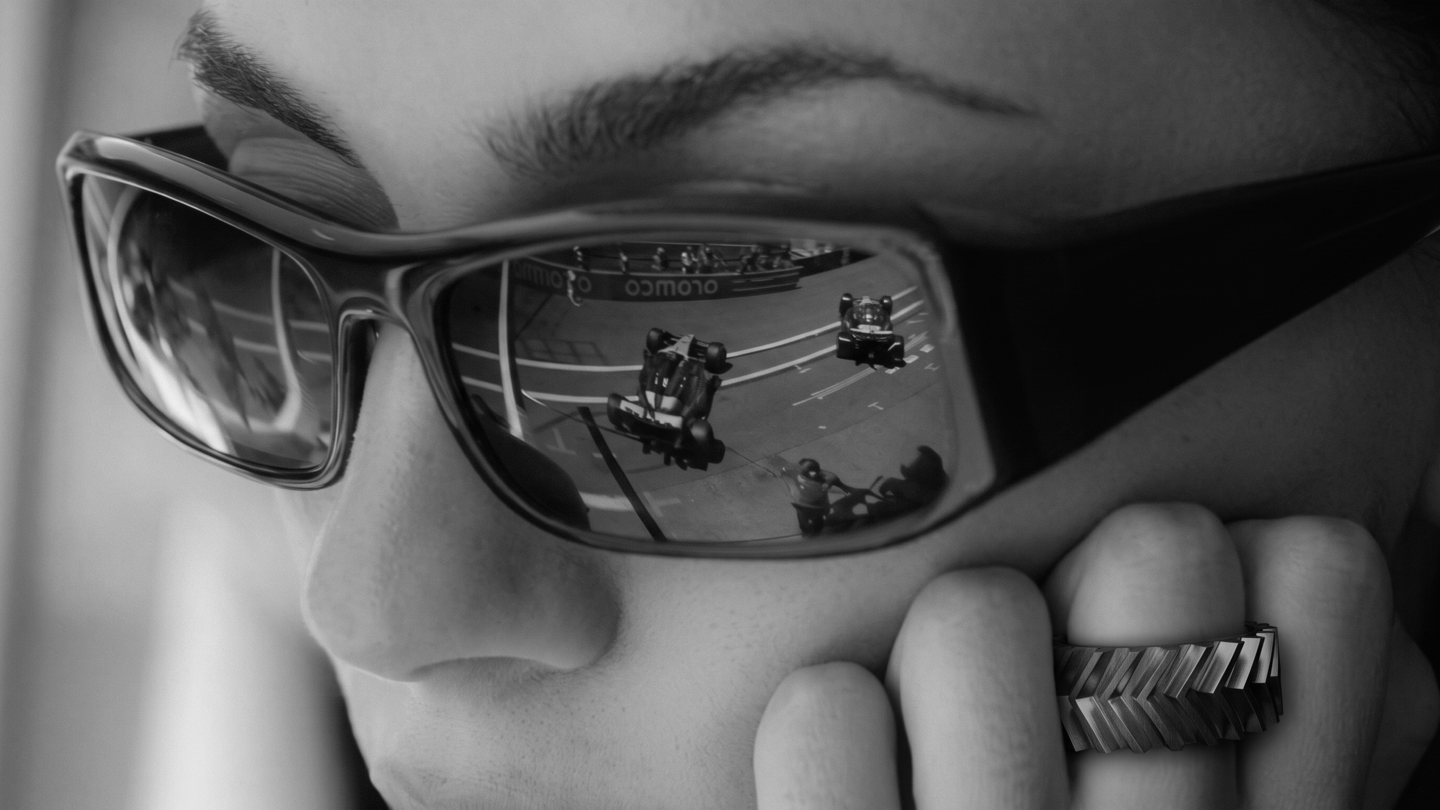
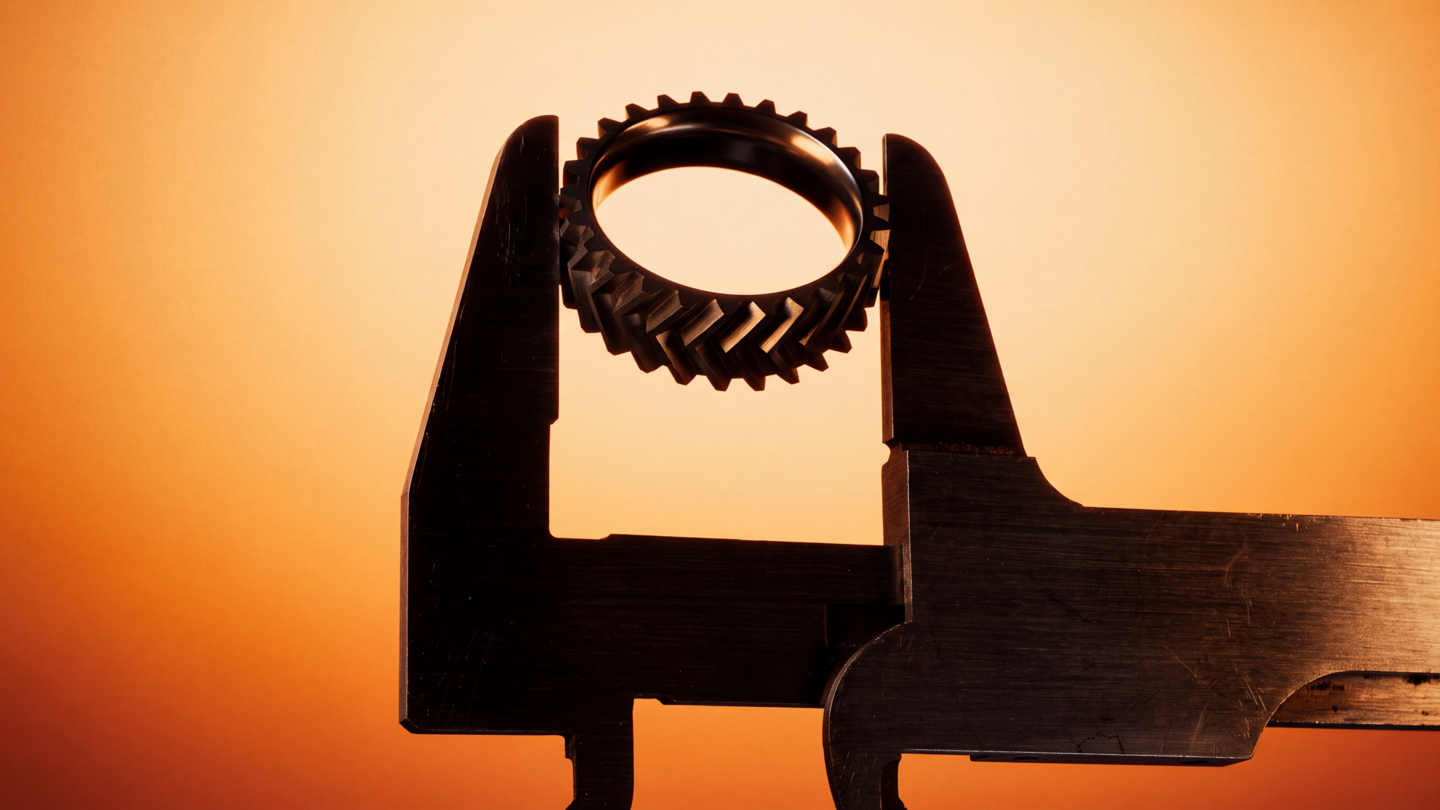
The third design piece references the gear train—one of the key components of a race car’s transmission. The form is built around a ring with large, angled teeth, reminiscent of chevron geometry.
In a vehicle, the transmission links the engine to the driven wheels, transferring torque. Rally cars use specialized sequential gearboxes and mechanisms designed for rapid shifting.

Finished Pieces
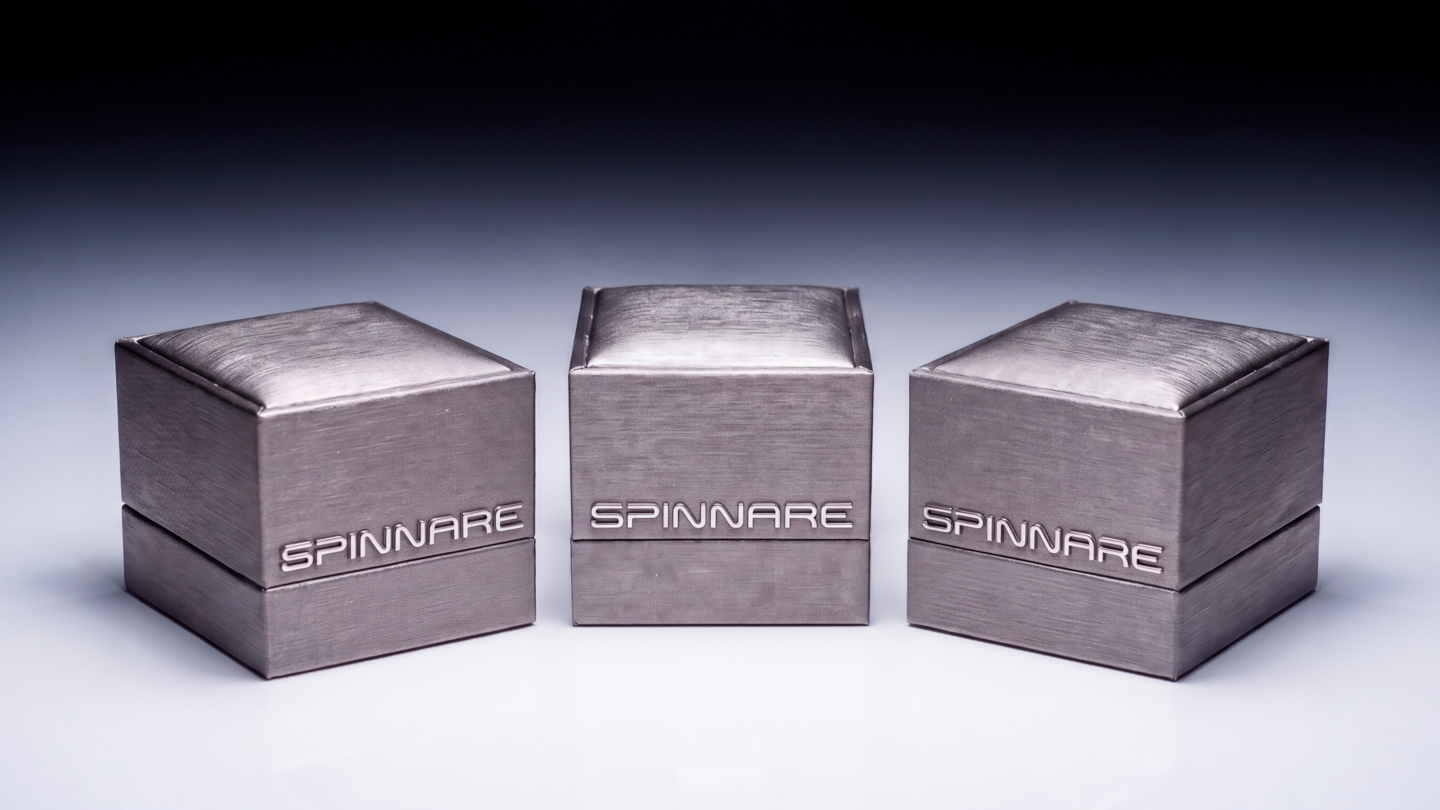
Packaging