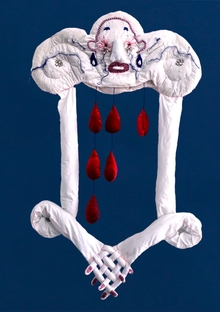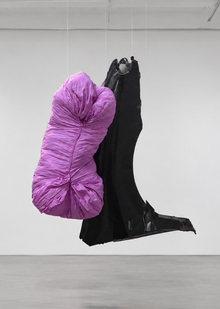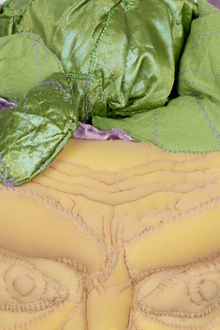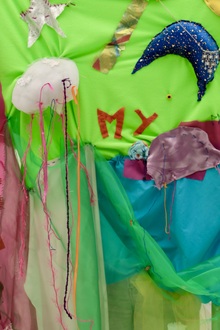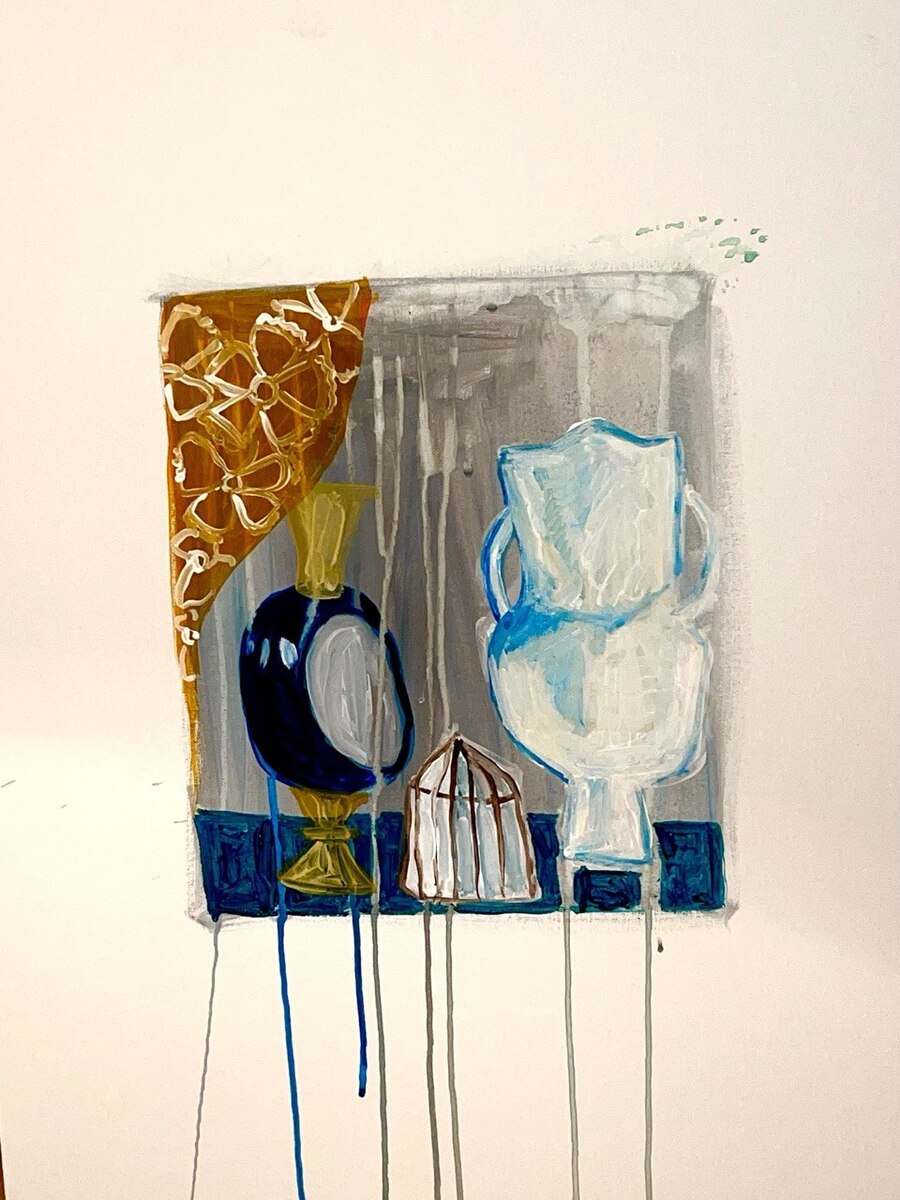
«Memory Patterns”—an artistic exploration of ornament as a method for preserving and reproducing personal childhood memories.
The project explores ornamentation as a means of preserving personal memories of childhood, home, and familiar surroundings.
The core concept is that familiar patterns, objects, and interiors become part of autobiographical memory. Over time, memories lose precision, but certain visual details remain preserved: the pattern on wallpaper, the tablecloth, the design on clothing, the shape of tableware, or the color of the walls.
Ornament is examined not merely as a decorative element, but as a visual code linking the present to the past.
References.
1. Édouard Vuillard — home interiors as ornamental environments.
Wybur actively utilizes floral patterns, geometric motifs, and repeating textile designs. The ornamentation does not merely decorate the interior; it unifies different parts of the composition.
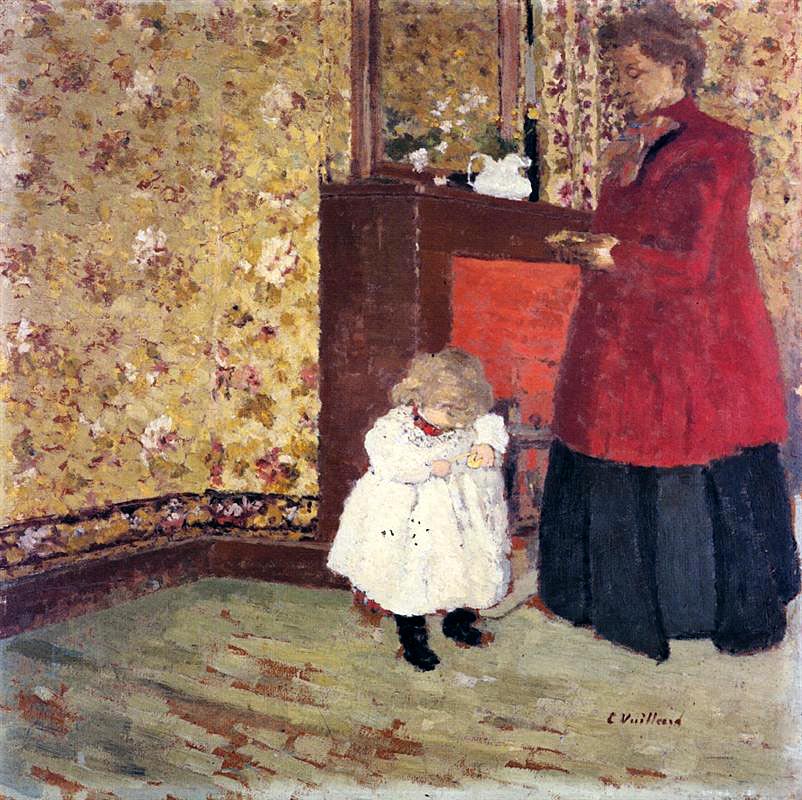
«Mother and Child»
The artist eschews emphasized perspectival depth. Walls, clothing, and furniture are often perceived as coexisting planes of color. Because of this, figures can almost blend into their surroundings.
«Countess Bibescu»
People remain recognizable, but their silhouettes interact with the pattern of the wallpaper and textiles. As a result, the human figure becomes part of the overall ornamental structure.
Breakfast
The UI refers to ordinary home situations. It is these familiar objects and interiors that create a feeling of closeness and intimacy.
Pierre Bonnard — memory rather than precise reproduction.
Bonnor frequently returned to familiar places and objects, reinterpreting them in his paintings. Consequently, his work is particularly interesting in the context of memory studies—the image becomes not just a record of what was seen, but an interpretation of personal experience.
Dacha Dining Hall
Bonnar uses color not only to convey the realistic appearance of objects. Color relationships create mood and define the emotional perception of a space.
Intimacy
Wallpaper, fabric, tablecloth, and other surface patterns form a complex system of color spots. Objects may lose sharp boundaries and merge with the background.
«Window»
Home interiors and everyday situations become independent narratives. The artist demonstrates that ordinary objects can possess profound emotional resonance.
William Morris — ornament as a recurring natural structure.
Morris created textile patterns based on botanical forms, utilizing rhythm, symmetry, and repetition. His work demonstrates how natural motifs transform into an independent decorative system.
«Spring Bloom»
Flowers, leaves, stems, and birds form the basis of many of its ornaments. Meanwhile, these natural forms are stylized and subordinated to the overall composition.
«First Flower»
Botanical elements often fill nearly the entire surface. The background and ornamentation are perceived as a single decorative system.
«First Flower»
The elements are arranged to create a continuous surface pattern. Repetition does not render the ornament mechanical; individual motifs interact with one another.
Elena Polenova — folk motifs and decorative stylization.
The artist addressed traditional forms and natural imagery, transforming them into her own artistic solutions. Her work is connected to the development of late 19th-century Russian decorative arts.
«The Beast»