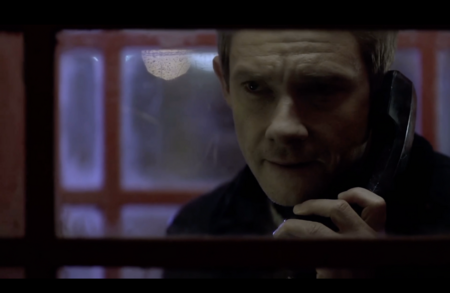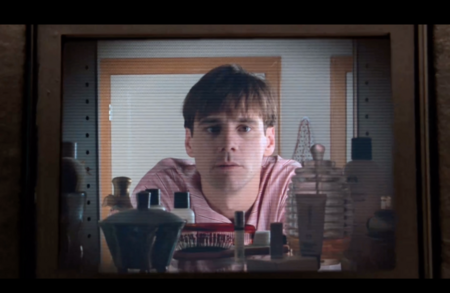
Panopticon — a prison without walls

The essay begins with a simple question: Have you ever behaved differently just because you might be observed? I then trace the origin of this feeling. In the late 18th century, the philosopher Jeremy Bentham conceived of a prison where the inmate never knows whether a guard is watching or not—so they behave well all the time, just in case. The prison was never built. However, its idea took hold so thoroughly that we live by it every day.I trace a path from Bentham’s blueprint to Michel Foucault, who noticed the same pattern in schools, barracks, and factories, and from there to city cameras, social media, and algorithms. My goal was not to scare readers with the idea of surveillance or to criticize social media, but rather to calmly demonstrate how the mechanism operates and to leave the conclusion for the audience to judge.