Navigation
- Concept
- Color Palette
- Movement and Speed
- Blending of Visual Styles
- The City as an Active Part of the Narrative
- Visual Symbols
- Conclusion
- Bibliography
- Sources
Concept
«Run, Lola, Run» (Lola rennt)—a 1998 experimental German film directed by Tom Tykwer [1]. The story is presented in three alternative versions, where small changes in action and chance occurrences lead to completely different outcomes. The film is distinguished by its dynamic editing, rich color palette, unusual camera movements, and the combination of live-action film, animation, and photography.
The primary objective of this research is to understand how the director’s visual choices illuminate the themes of time, fate, chance, and human choice.
Tom Tykwer is renowned for his experimental approach to cinema—his combination of diverse visual techniques and his interest in the interplay between image, music, and movement. His directorial style is characterized by dynamic editing, an unconventional narrative structure, active use of color, and the blending of genres. He aims to make film not merely a means of storytelling, but a complete sensory experience through which the viewer perceives what is happening via rhythm, image, and sound. This approach is particularly vivid in «Run, Lola, Run»: the film simultaneously resembles a video game, a music video, and experimental cinema. This choice of visual language is intrinsically linked to the film’s concept—to demonstrate how rapidly reality changes and how a single small action can affect the subsequent development of events.
The central theme of the study is the interconnectedness of visual form and dramaturgy. The plot centers on twenty minutes during which the main character, Lola, must find money to save her beloved. However, the story unfolds in three alternative versions, where the same events recur with minor variations. Through this structure, the director demonstrates that reality is not fixed, and a person’s destiny can depend on a chance encounter, a decision made, or even a minor detail.
Research Hypothesis: The visual language of the film «Run, Lola, Run» shapes a specific perception of time and events, heightening emotional tension and helping to reveal the themes of fate, chance, and choice. Color, editing, camera movement, and scene repetition become independent narrative tools.
Research Goal: To analyze the visual language of the film «Run, Lola, Run, ” identify its core artistic devices, and investigate how the visual narrative impacts the perception of the plot, reveals the protagonist’s character, and conveys the film’s central idea.
Thus, this study aims to demonstrate how the visual techniques in the film «Run Lola Run» help reveal its meaning and convey the director’s original concept. The color palette, dynamic editing, camera movement, and recurring episodes are not arbitrary; each of these elements influences the perception of the story and underscores its central themes: chance, time, fate, and the impact of human choice. Analyzing the visual narrative will allow for a deeper understanding of Tom Tykwer’s creative approach and how imagery can not only tell a story but also convey profound ideas and emotions.
Color Palette
Tom Tykwer, «Run Lola Run,» 1998
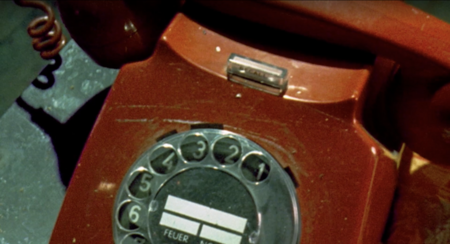
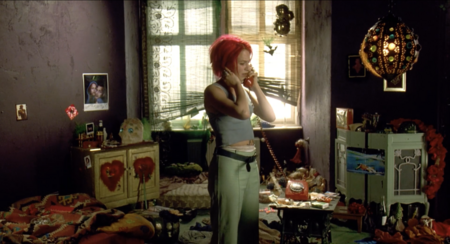
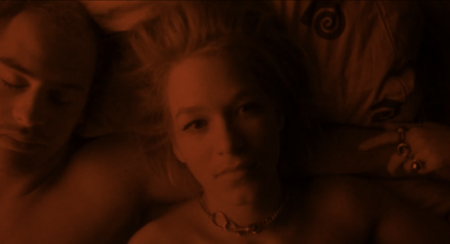
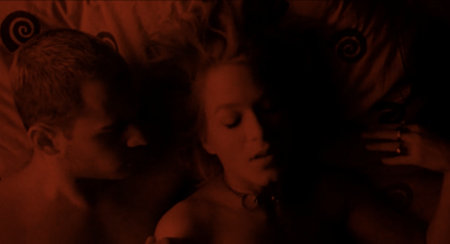
The film’s color palette plays a crucial role in establishing its visual identity. One of the primary color accents is red, which accompanies the viewer throughout the entire movie. It is primarily linked to the protagonist’s image: her bright red hair sets Lola apart from the surrounding urban landscape and makes her the central visual focus of the narrative.
Tom Twicker, «Run, Lola, Run, ” 1998
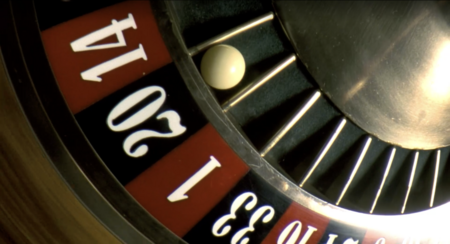
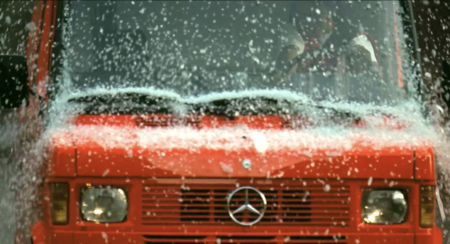
The color red carries several meanings here. On one hand, it symbolizes the energy, movement, strength, and determination of the heroine, who is constantly in a state of action. On the other hand, it conveys anxiety, danger, tension, and the feeling of running out of time. It seems to mirror Lola’s internal state—her fear of losing a loved one and her desire to change what is happening.
Tom Twigbe, «Run, Lola, Run, ” 1998.
The contrast between red and the calmer, more subdued hues of the urban environment plays a vital role. This allows the heroine to visually separate herself from her surroundings, making her movement even more striking. The color helps the viewer track the character while simultaneously intensifying the emotional impact of the scene.
Tom Tykwer, «Run Lola Run,» 1998
The color red can also be interpreted as a symbol of vitality and struggle. Lola does not accept circumstances as inevitable; instead, she strives to influence the course of events. Therefore, her outward appearance becomes a reflection of her character—vibrant, impulsive, and resolute.
Tom Twiggy, «Run, Lola, Run,» 1998
Movement and Speed
Tom Tykwer, «Run Lola Run,» 1998
Tom Twicker, «Run, Lola, Run, ” 1998.
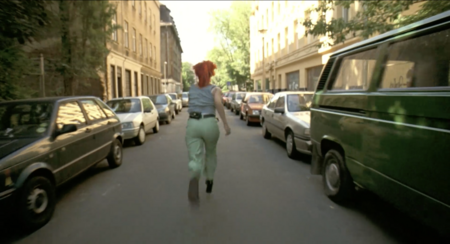
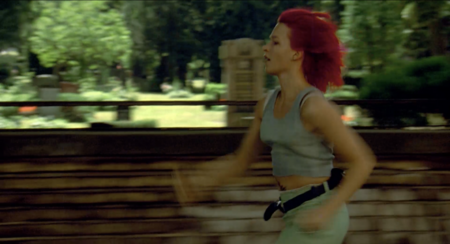
Movement is one of the central components of the visual language in the film «Run, Lola, Run.» The title itself establishes the primary rhythm of the narrative: the protagonist is in motion almost constantly, and her running becomes not just a physical act but a symbol of the struggle against time and circumstances. Through this constant motion, Tom Tykwer conveys anxiety, tension, and a sense of urgency, compelling the viewer to experience the events alongside the main character.
Tom Tykwer, «Run Lola Run,» 1998
Tom Tykwer, «Run Lola Run, ” 1998
Tom Twigbee, «Run, Lola, Run,» 1998
The speed in the film becomes not just a visual device, but a way to reveal Lola’s character. Her running symbolizes determination, desperation, and an unwillingness to give up. She is constantly moving forward, trying to change the course of events and overcome her circumstances.
Tom Twigbee, «Run, Lola, Run, ” 1998
The camera work plays a particularly crucial role. The director utilizes various angles, close-ups, tracking shots, and abrupt shifts in perspective. The camera often follows Lola, creating a sense of presence and allowing the viewer to feel the speed of her movement. Because of this, the urban space is perceived as dynamic and constantly changing.
Tom Tikvaer, «Run, Lola, Run, ” 1998
Camera movement, rapid editing, and the protagonist’s continuous running create a distinct visual dynamism in the film. Tom Tykwer uses speed as a means of conveying emotion and tension, transforming movement itself into one of the film’s primary narrative elements.
Mixing visual styles
Another key characteristic of the visual language of the film «Run, Lola, Run» is the combination of various modes of depiction. Tom Tykwer departs from traditional cinematic presentation, merging live-action cinema, animation, photography, and elements of video game aesthetics. This gives the film an unusual rhythm and makes it feel like an experiment in form and visual storytelling.