┃ AUTOGRAPH ZINE: FROM MATERIAL TO PRINTED EDITION
┃ WHAT IS THIS COURSE ABOUT?
How to turn a personal archive, observations, or collection of images into a small, authored publication?In this course, you will create a zine on a topic of your choice. You will gather your material, determine the page sequence, develop the design, and produce a printed copy.We will work with photographs, texts, drawings, scans, and collages. We will explore how format, paper, binding method, and the rhythm of the spreads affect the perception of the content.The focus of the course is the independent creation of a publication—from material selection to testing how it functions in the reader’s hands.
┃ WHO IS THIS COURSE FOR?
• For students in design disciplines who wish to master the creation of multi-page publications.• For illustrators, artists, and photographers interested in presenting their own work in print format.• For emerging designers who want to go through the complete process of creating a small, personal publication.
┃ FORMAT AND DURATION
Duration: 6 weeks
Total Load: 48 academic hours, including 24 contact hours and 24 hours of independent study
Format: Online, two sessions per week, two academic hours each
Classes include case study reviews, practical exercises, layout discussions, and feedback. Independent work involves material collection, typesetting, trial printing, and production of the final piece.
┃ WHAT IS NEEDED FOR STUDY?
Foundational knowledge of composition and typography, along with skills in working with text and images in a graphic editor.
For this course, you will need a computer with a multi-page layout program, paper, and binding tools. Access to a home printer or a copy center is required.
Prior experience creating publications is not necessary. You may bring your own material at the start of the course or compile it during your studies.
┃ WHAT WILL STUDENTS LEARN?
↗ Formulating the theme, concept, and readership for an authored publication↗ Collecting, selecting, and editing visual and textual materials↗ Structuring the sequence of pages and the rhythm of spreads↗ Developing the grid, typography, and principles of image placement↗ Choosing the format, paper stock, and binding method based on content and available budget↗ Reviewing the layout via a paper prototype and preparing the publication for print
┃ PRACTICAL ASSIGNMENTS
01 / Theme and ContentSelect a theme, define your target audience, and articulate the concept for the zine. Gather photographs, texts, drawings, or other materials. Select the content and document all sources.02 / Publication StructureArrange the material across the pages. Determine the beginning, development, and conclusion. Create a small paper mockup to check the sequence and volume. 03 / Visual DesignDevelop two layout concepts for several spreads. Compare the use of typography, imagery, margins, and negative space. Select the most suitable design principle and apply it throughout the publication.04 / Prototype CopyPrint and assemble a rough draft of the zine. Check readability, page order, margins, folds, and viewing comfort. Make adjustments to the layout.05 / Final EditionPrepare the file according to the requirements of your chosen printing method. Produce one copy and photograph the cover, spreads, and assembly details.
┃ THEMATIC PLAN
01 / Concept for an Independent Publication Theme, audience, examples of zines, and material selection02 / Editing and Sequencing Content selection, structure, rhythm, and paper layout03 / Layout and Typography Grid, margins, fonts, and the interplay between text and image04 / Material Form Format, paper, cover, folds, and binding methods. Final layout05 / Prototyping and Refinement Test printing, assembly, layout check, and revisions06 / Printing and Presentation File preparation, creation of the final copy, and photographic documentation
┃ COURSE SUMMARY
Author zine, 16 to 24 pages including the cover, in a format of your choice.
The final submission must include one physical copy, a print-ready file, photographs of the publication, and a brief description of the concept.
Students will go through the entire process of creating a small publication and gain experience translating a digital mockup into a physical format.
┃ PROJECT EXAMPLES
• Visual journal of a single urban route• Family archive with authorial commentary• Collection of found inscriptions, objects, or textures• A small investigation into a daily habit through photography, drawing, and text
┃ HOW IS THE RESULT GRADED?
• Alignment of content with the stated theme• Justification of material selection and sequencing• Pacing of spreads, composition, and readability• Relationship between format, paper, and construction and the concept• Quality of the printed edition and error checking from the proof copy
┃ COURSE SPECIFICS
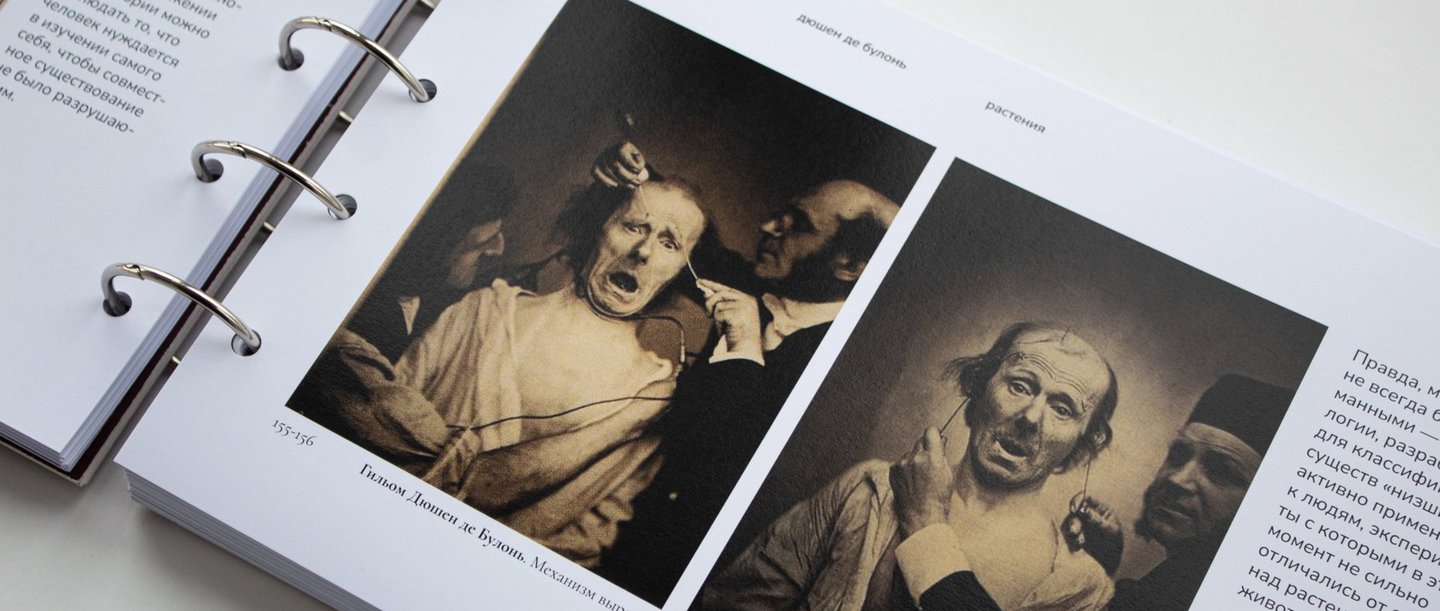
The work is built through creating and testing paper prototypes. Participants evaluate the publication in full scale: they flip through it, compare spreads, and check readability and ease of assembly.
The format and materials are chosen based on available printing methods so that every participant can independently produce their own zine.