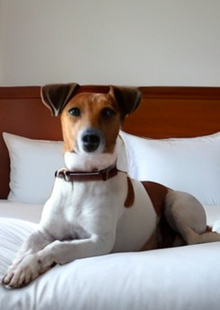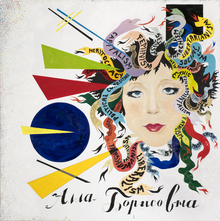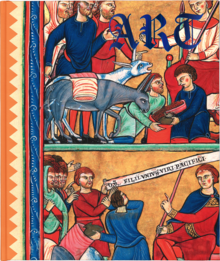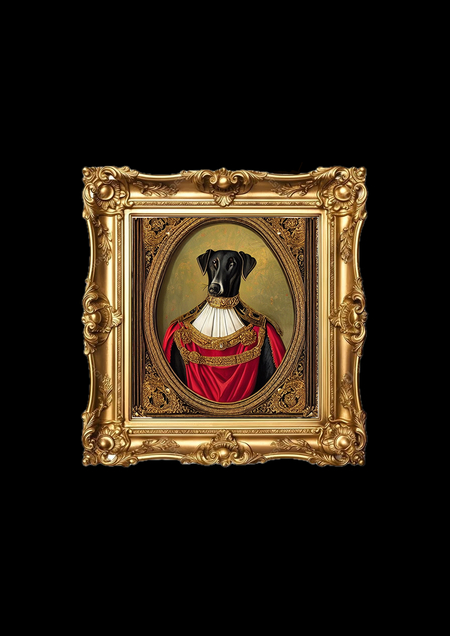
My Doberman, Azza, was the key figure in this project. All photographs were taken by me and constitute my personal archive.
In this project, I trained Stable Diffusion to render my Doberman in fantastic scenarios. I wanted to test whether it was possible to retain the dog’s recognizable features—its black coat with russet markings, muzzle shape, and expressive silhouette—while placing it in various fictional worlds.
The image of the Doberman acts as a conduit between reality and fantasy. It appears amidst unusual forests, stellar landscapes, antique books, and fairy-tale backdrops.
My goal was to create illustrations that were somewhat stylized and painterly, as this is not an attempt to produce a realistic portrait, but rather a series of imaginative scenes featuring a single main character.
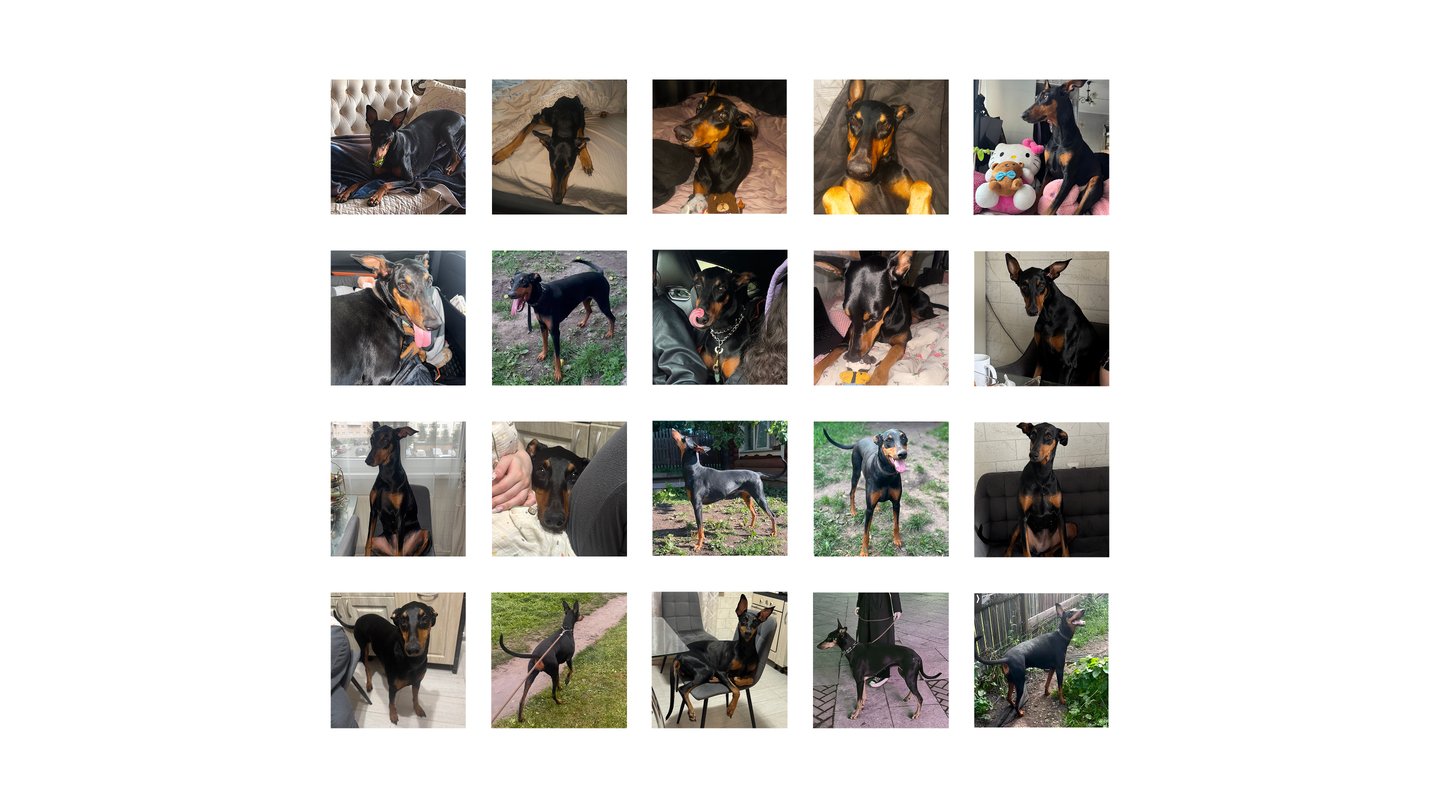
For the training, I compiled my own photographs of my dog. From these, I selected 18 shots that show her appearance and distinctive features. The photographs were prepared in a uniform square format of 512 × 512 pixels.The diversity of the original frames was important so that the model could see the dog from different angles and in various poses. However, the small sample size limits the results. For instance, if a detail in the original images is difficult to discern, it is harder for the model to reproduce it in new scenes.Stable Diffusion 1.5 and the DreamBooth LoRA method were used for training. LoRA.
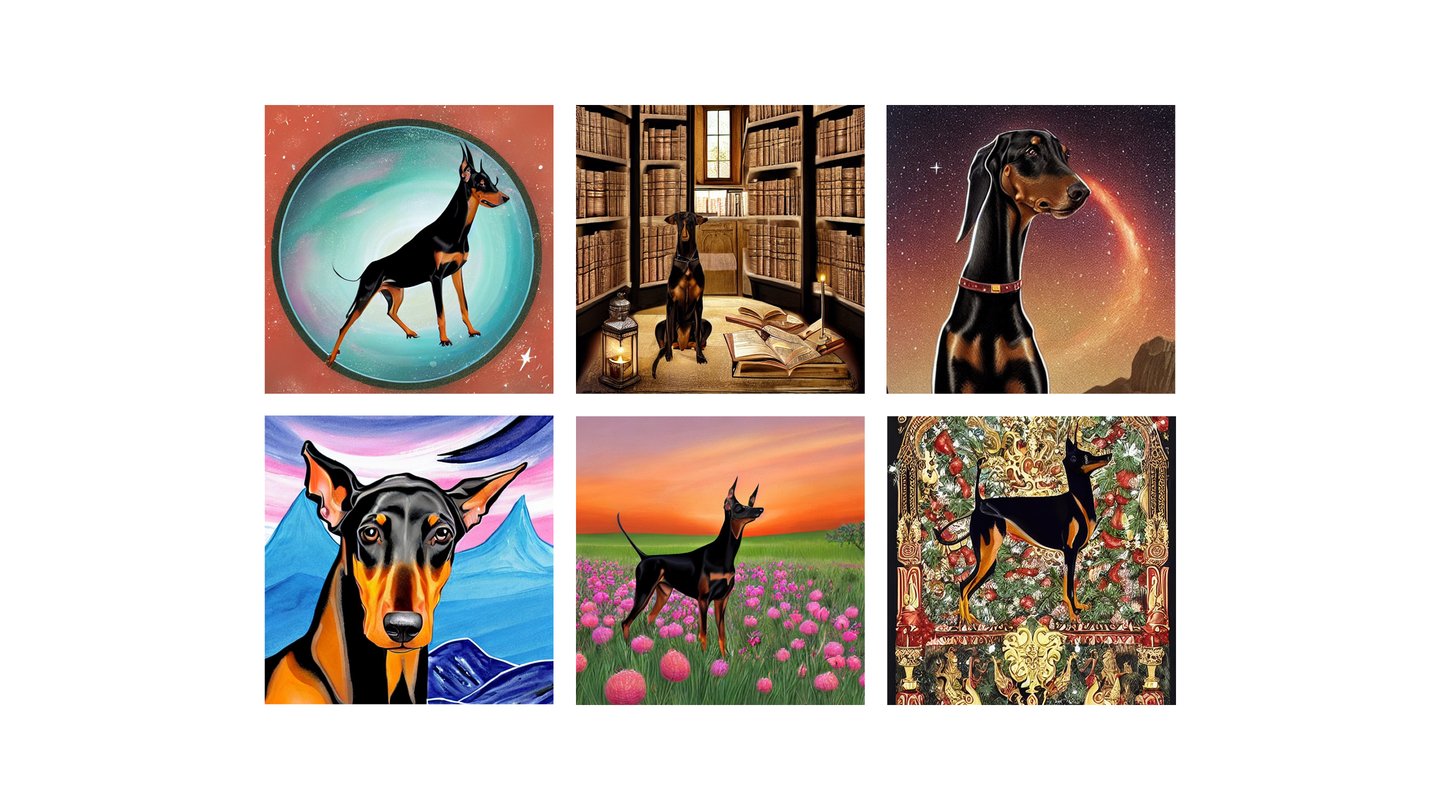
Some successful entries
For my dog, a specific keyword tag, qzv_dog, was assigned. It was used in searches to summon the desired image.
After completing the training, I tested how the model performed with various scenarios. In the prompts, the Doberman became a space explorer, a character in a fairy forest, a library guardian, or the protagonist of a landscape featuring unusual colors and skies.The resulting series demonstrates the model’s ability to recognizably convey the dog’s characteristics while placing it into novel environments.
Examples of unsuccessful outcomes
However, the result is not always accurate. In some frames, body proportions, head details, or paw placement change; sometimes the dog appears too large, cropped at the edge, or indistinct. These errors are particularly noticeable in complex poses and unusual angles.
Resulting images
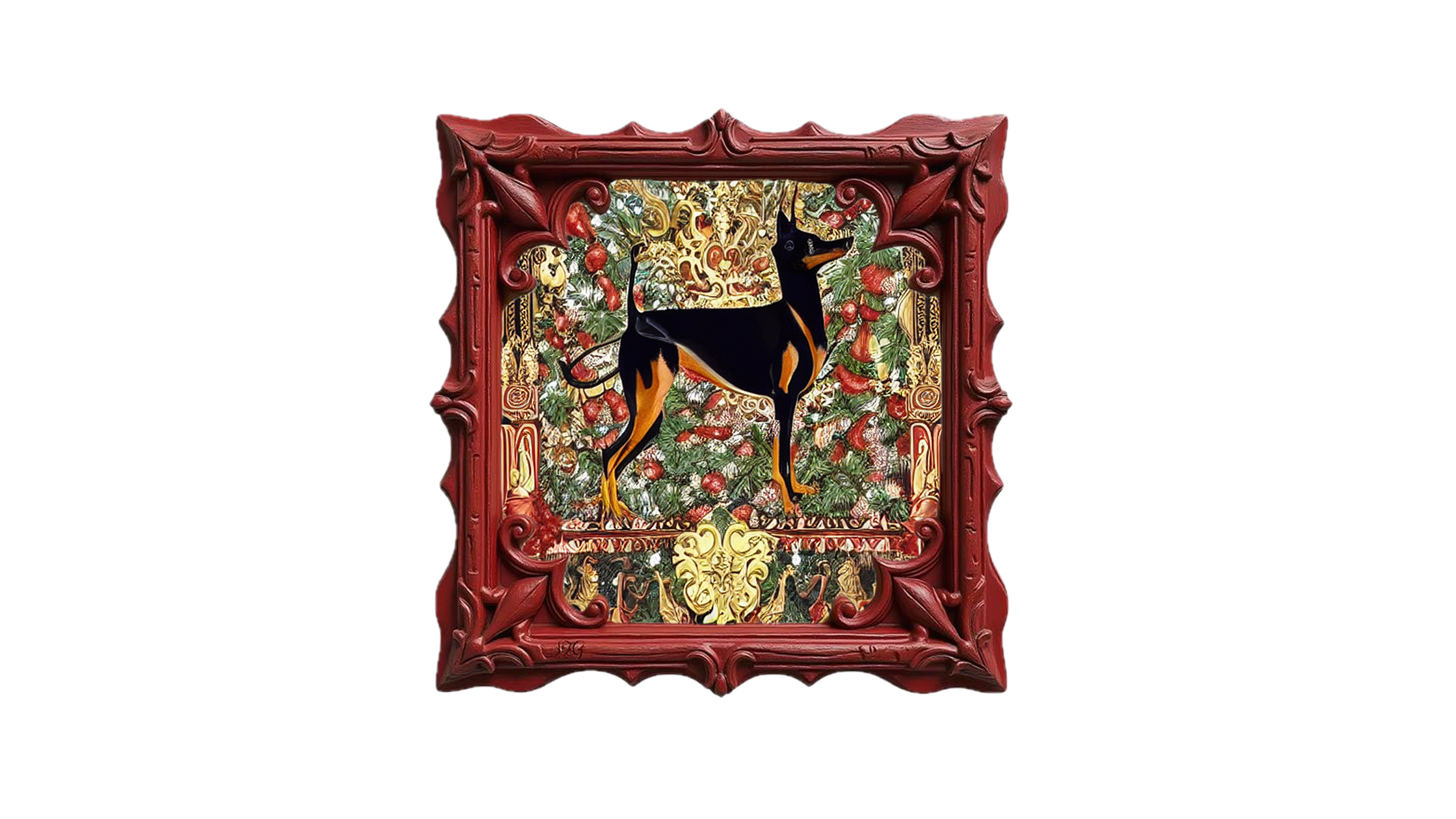
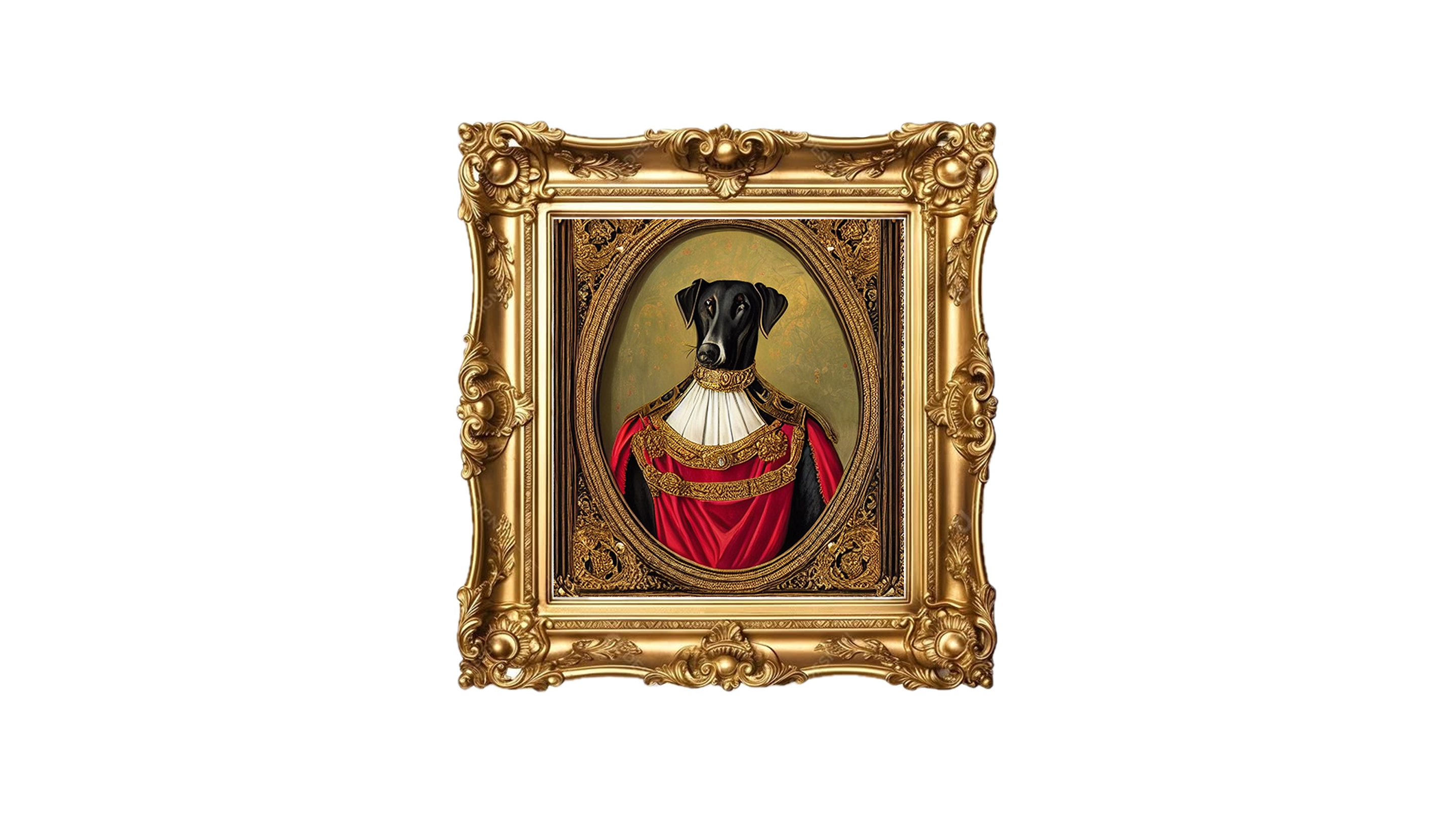
Frame 1 — Fantasy Forest: The Doberman is shown in a vibrant, fairy-tale setting; the black coat and reddish markings are clearly visible. Furthermore, part of the silhouette is close to the edge of the frame.Frame 2 — Cosmic Portal: This is a profile shot of the dog against a circular celestial object. The composition differs from the others, but the tail and body proportions appear somewhat tentative.Frame 3 — Library: The books and an open book support the narrative of a fairy-tale character. The dog’s face is less distinct, and part of the figure is obscured by the composition.Frame 4 — Flight Amidst Clouds: The unusual concept conveys the series' fairy-tale nature, but the pose and body parts look less convincing.Frame 5 — Fantasy Palace: The decorative background creates a feeling of a mythical world, but the dog’s dark silhouette blends into the surrounding details.Frame 6 — Close-up Portrait: The orange-and-black coloring and facial features are best seen here; the style is more graphic and saturated than in the other scenes.Frame 7 — Flower Field: This is one of the most legible scenes: the body, paws, and tail are visible, and the flowers and sunset establish a fantastic mood.Frame 8 — Portrait in Exaggerated Aristocratic Style: The anatomy of the dog’s head is well-rendered, and the frame possesses strong pictorial quality.
After processing, we get beautiful images within the framework of
The main takeaway for me wasn’t achieving a perfect copy of the photographs, but rather the opportunity to use the image of my dog as a recurring character in various fantastical scenarios. At the same time, the quality of the initial dataset and the wording of the prompt noticeably influence the outcome—even after training the model, I had to select descriptions, compare options, and choose images for the series.
The project also highlighted the limitations of a small dataset. Eighteen photographs were enough to attempt to learn the appearance of a specific dog, but not enough to guarantee accurate anatomy and consistently precise results in every pose. Therefore, I judged the final series not only on the beauty of the background but also on how convincingly and recognizably the Doberman itself was depicted.
Materials
Stable Diffusion 1.5, DreamBooth LoRA, and the Diffusers library were used for training and image generation. The generative model was employed to create fantastical illustrations based on the image of my dog. ChatGPT was used as an assistant for formulating prompts and debugging errors in the notebook. The final image options were generated and selected during the project development.