Glossy covers and the front rows of fashion shows are just the tip of the iceberg in the fashion industry. Behind the scenes of fashion, a completely different life is brewing—one full of burnout, financial instability, and the endless search for self. How does one navigate the path from high school sketches to working with celebrities while preserving a love for creativity? Rising star Roman Zimogorsky, a graduate of the HSE Art and Design School, shares his experience, detailing his career change, competition wins, and battles with imposter syndrome.
Career Foundation: From Idea Generation to First Professional Milestones
The path into the big world of fashion is rarely direct or sprinkled with roses. More often, it resembles a rough draft with countless revisions, where initial sketches fall short of perfection and inspiration contends with despair. Before diving into this whirlwind, a novice designer must ask themselves a fundamental question: is what drives them a genuine passion or a hunger for easy profit? As Roman admits, high fees in this field are reserved for the elite, and at the start, newcomers are highly likely to face serious financial difficulties. The primary fuel for moving forward becomes the incredible desire to see mental images materialize into physical form.
Choosing a specialization is another complicated stage, much like working with a capricious material. The eye gets clouded, and the options seem hazy. At this point, it is critically important to find a mentor—that guide who will help clarify the focus and restore confidence. Roman confesses that his path began with studies in branding, but his inclination toward hands-on work eventually won out. Switching his program to fashion design in Maria Smirnova’s group proved to be a pivotal moment. He compares this transition to finding a professional «mother figure» who taught him everything, from fundamental skills to the nuances of the trade.
Once the basic outlines of a career are established, the question of «materials"—meaning skills—arises. Possessing a foundation in fine art certainly provides an advantage that is noticeable to the naked eye. However, the key to success is not so much the ability to draw as it is systematic thinking. In an age of readily available information, self-taught individuals often create aesthetically pleasing items but fail in the conceptual aspect. The ability to answer the question, «What is my collection about?» and build a creative methodology is the bedrock that is easier to master in a professional environment than through endless trial and error. In addition to creativity, the modern designer must also be a businessman: calculating budgets, studying the audience, and understanding financial reports, because in reality, these functions are rarely delegated to others.
Going Public: How to Build a Personal Brand and Learn to Sell Yourself
Once the technical foundation is solid, comes the most crucial stage—shaping a unique «voice.» A contemporary designer’s personal brand is built not only on a logo but on a distinctly defined identity. Fashion is a statement. Whether it’s commercial apparel or avant-garde experimentation, the story behind the piece and the author’s coherence are the primary factors that compel people to support a brand. A successful designer must possess their «anchor"—a leitmotif that resonates in every project, whether it’s a runway show or a standalone photoshoot.
However, even the most talented artist needs an audience. Promotion in the modern world is impossible without social media presence and the right connections, even if you are an introvert. Roman’s story is a vivid example of a chain reaction: a curator noticed his work, an established professional reposted it, which led to an invitation from a stylist and the first collaborative projects. Wins in competitions, features in magazines, and shows in iconic venues (such as DLT) automatically expand one’s network and attract the attention of media personalities. Therefore, the advice Roman gives himself and others is simple: be socially active, build friendships with colleagues, and attend relevant industry events. Often, a ticket into the world of major projects is opened not by genius, but by the ability to be in the right place at the right time.
The final and most challenging phase is monetizing your creativity and overcoming internal barriers. Many talented creators work for meager pay for years, suffering from low self-esteem. Shyness and the fear of naming a price are typical companions of beginners. Roman frankly admits that he himself was once hesitant when discussing fees, but adult life compels one to reevaluate these deeply held assumptions. The main lesson he learned is this: inspiration and income are not always linked, but respect for one’s labor is the foundation of professionalism. Setting an appropriate price, screening out unserious clients, and occasionally exhibiting healthy audacity—this is not a whim, but a necessity. And if you feel you’ve reached a dead end, simply give yourself time to breathe, but never abandon your passion for fashion. Remember: your uniqueness is your ultimate advantage.
Read the full article on the «Tsekh» website.
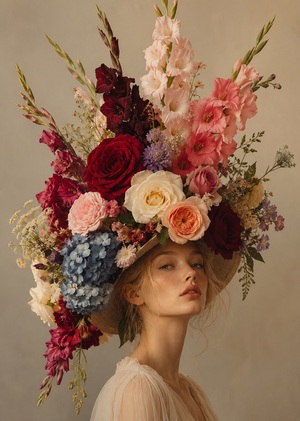
Cover: Collage «The Workshops.» Photo: © Roman Zimogorsky / HSE ART AND DESIGN SCHOOL; NW2020, marymyyr / Shutterstock / Fotodom