1. Project Idea
The project’s goal is to explore the capabilities of generative artificial intelligence in working with an individual artistic style and to create a tool capable of generating new images based on my own drawings.
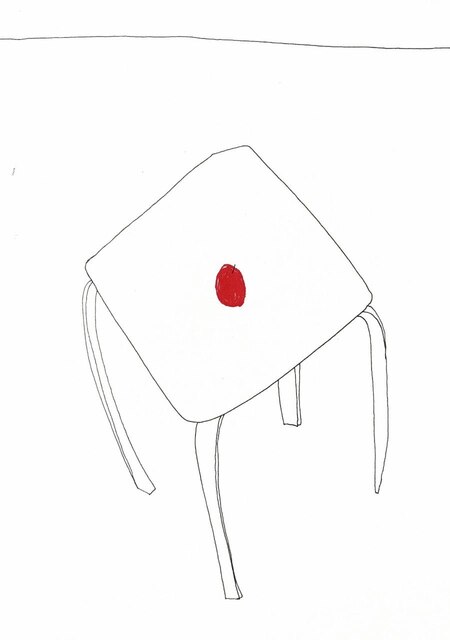
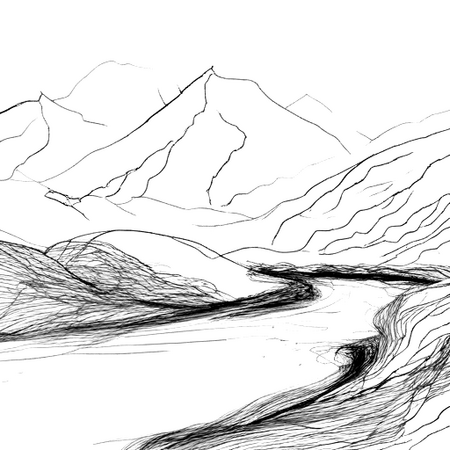
The input data consisted of a collection of 65 graphic works created by me. These included images of people, animals, natural landscapes, cityscapes, and other subjects, executed predominantly in black line on a white background. My drawings in this style are characterized by simplified forms, a freehand approach, intentionally uneven contours, naive quality, a childlike aesthetic, and conventional proportions.
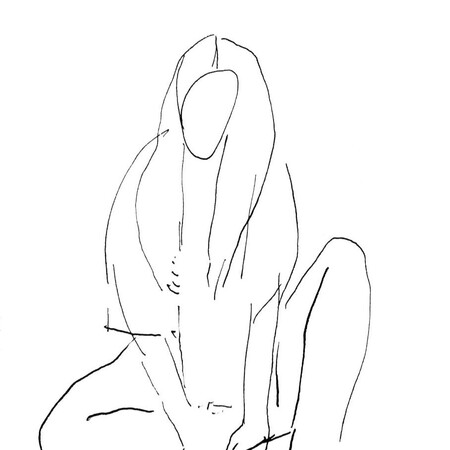
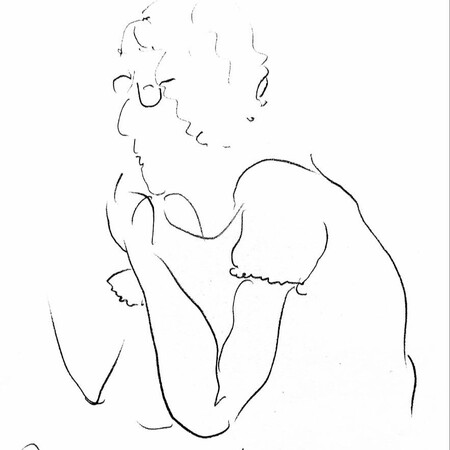
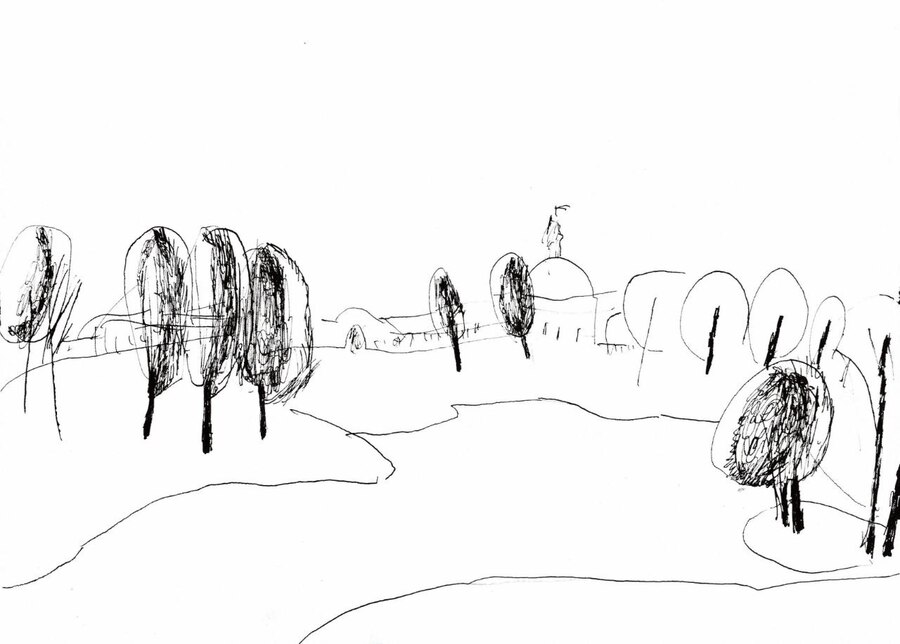
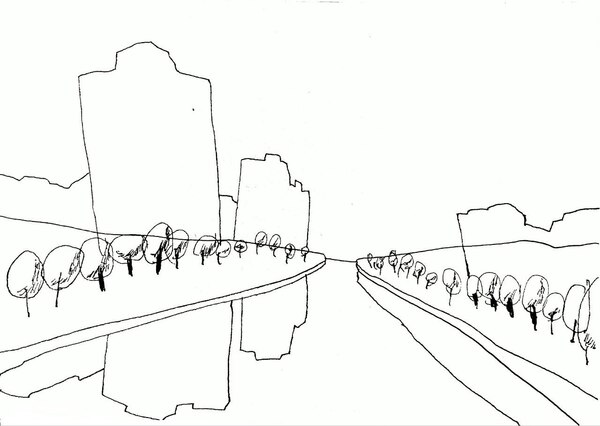
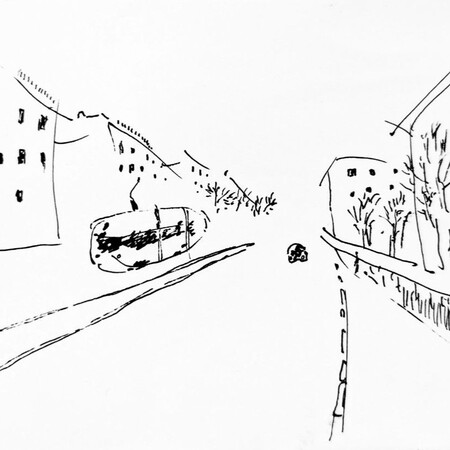
The core idea of the project is not to precisely copy individual drawings, but to investigate whether a neural network can absorb the characteristic features of an author’s graphic style and apply them to new subjects.
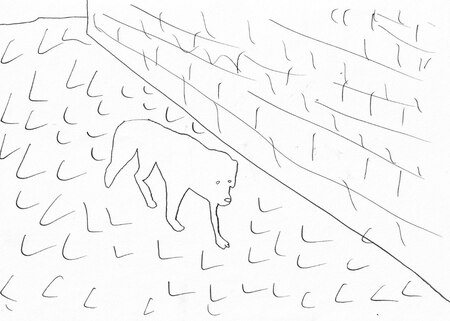
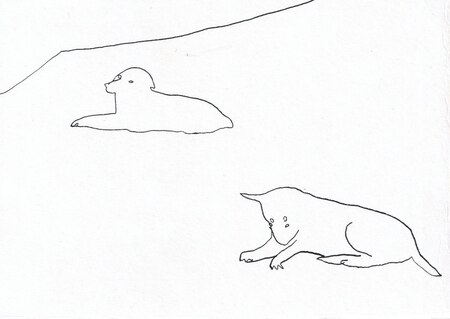
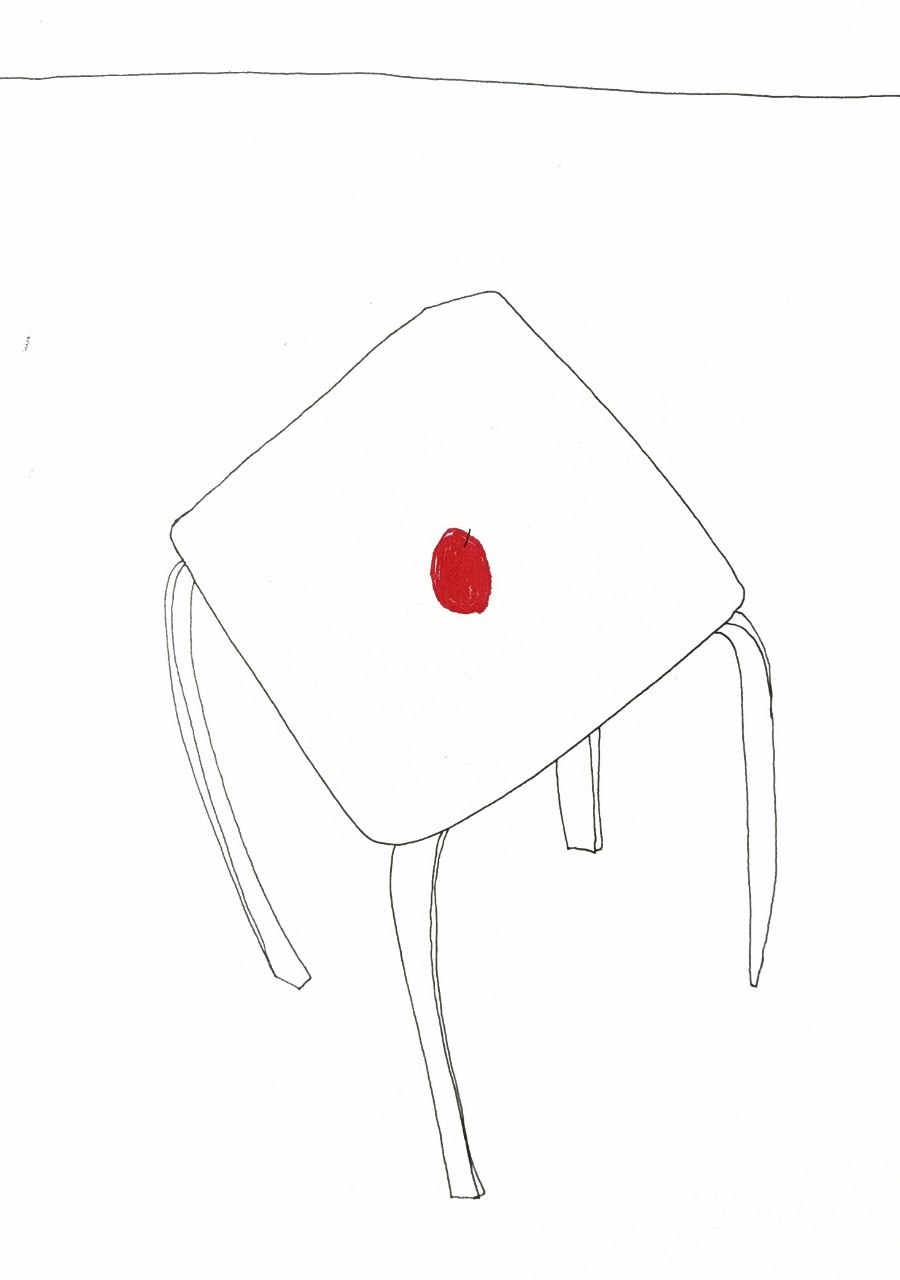
2. the resulting series
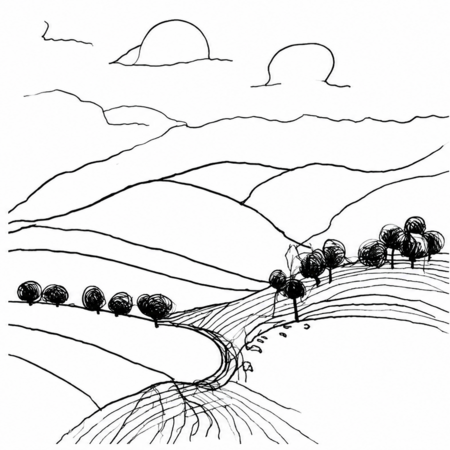
During training, the neural network learns to identify recurring visual patterns in the source collection. In this project, these patterns include the character of the contours, the degree of form simplification, the ratio of black and white areas, and the depiction of people and animals.
However, the neural network does not perceive the author’s style as a human does, nor does it consciously replicate the artistic method. Instead, it modifies the distribution of probable visual decisions based on the training examples. Therefore, the resulting images represent an interpretation of the original graphics, rather than a guaranteed precise reproduction of every feature. The resulting images share a generally unified character, yet they possess diverse stylistic elements, much like the source examples, since the original drawings were created at different times and using different materials.
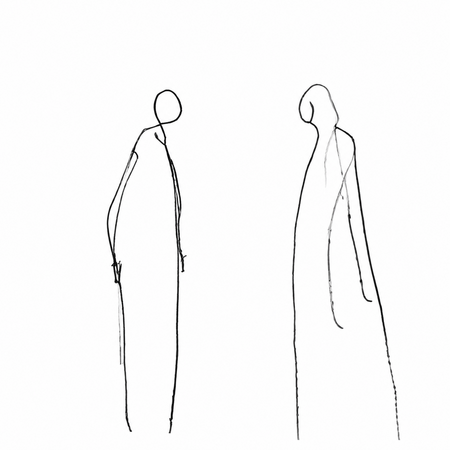
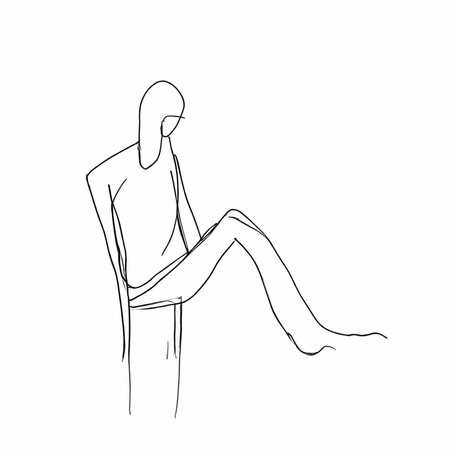
The texture of charcoal, as seen in some drawings
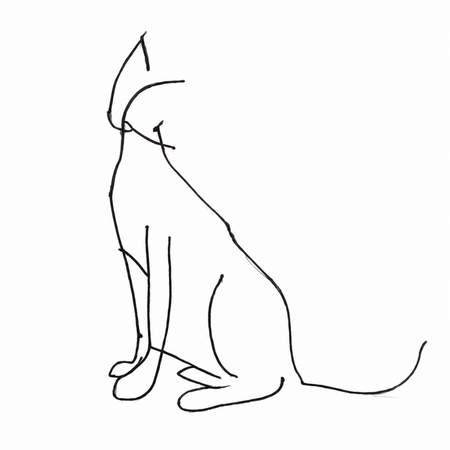
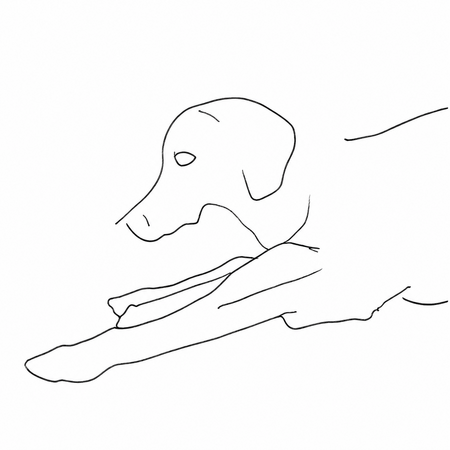
3. Process description, laptop with code
To train the model, I utilized Stable Diffusion XL coupled with LoRA technology, which allowed me to fine-tune the neural network to adopt my unique artistic style. The training dataset consisted of 65 original hand-drawn illustrations on paper: images of people, animals, and cityscapes. For each image, I created descriptive text prompts, enabling the model to learn and reproduce the distinctive characteristics of my artwork. The training process was conducted in Google Colab. The resulting LoRA model was then used to generate new images based on text prompts.
I used ChatGPT to compose and refine the prompts for image generation, analyze the results, and adjust model settings. Additionally, ChatGPT assisted with technical questions during various stages of training the LoRA model in Google Colab, editing the backgrounds of the generated images, and writing accompanying textual descriptions.