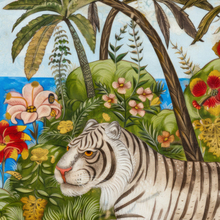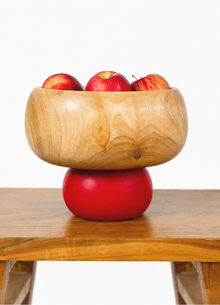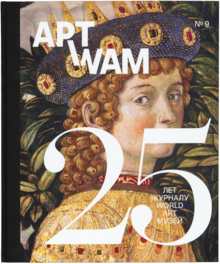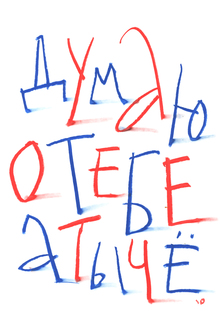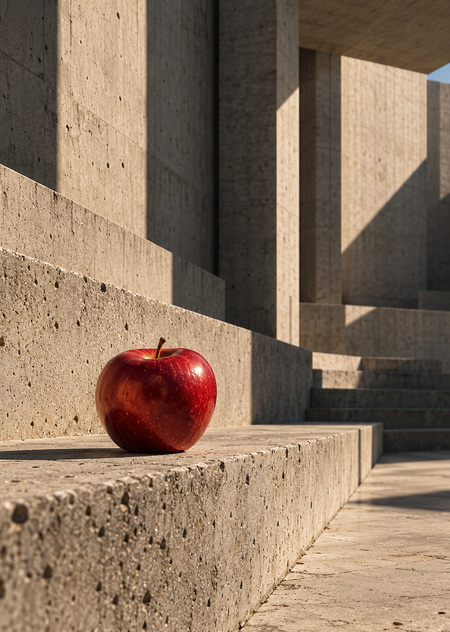
I became interested in how familiar objects change their perception when placed in an environment completely foreign to them.
This led to the idea for the project, «Out of Place”—a series of images where ordinary, everyday objects are placed within empty, monumental spaces of Brutalist architecture.
I wanted to convey a sense of silence and solitude through the contrast between small objects and vast concrete structures. Here, the items seem to have landed by chance, not where they belong.
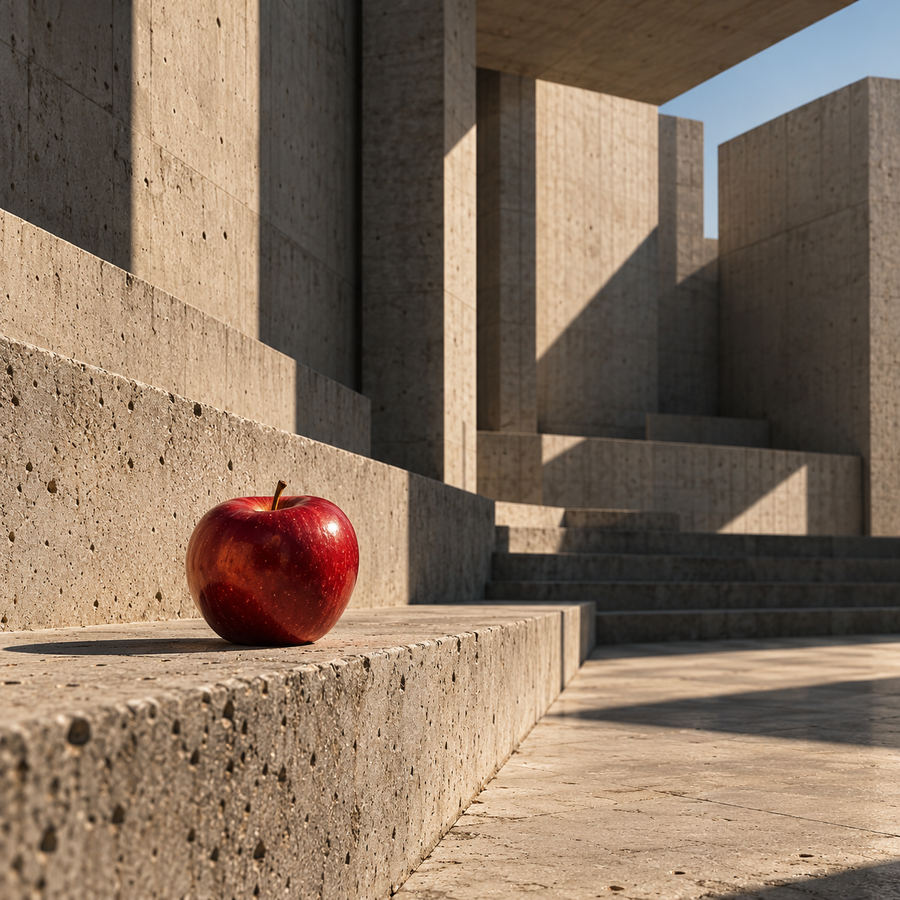
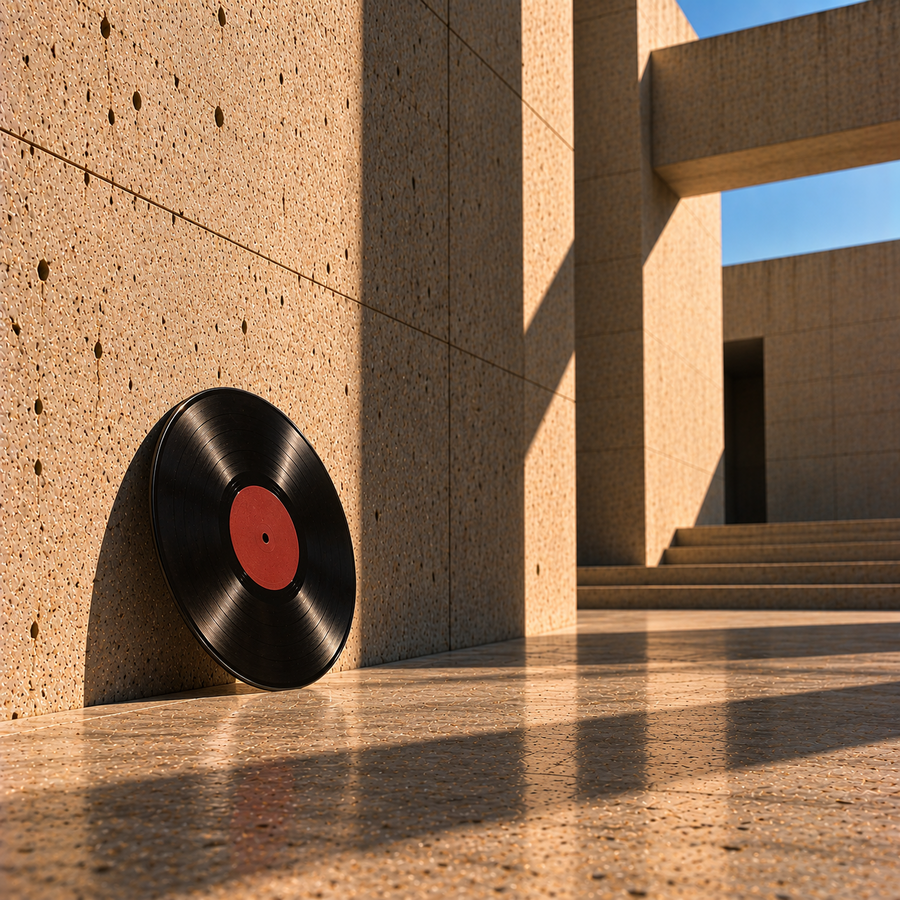
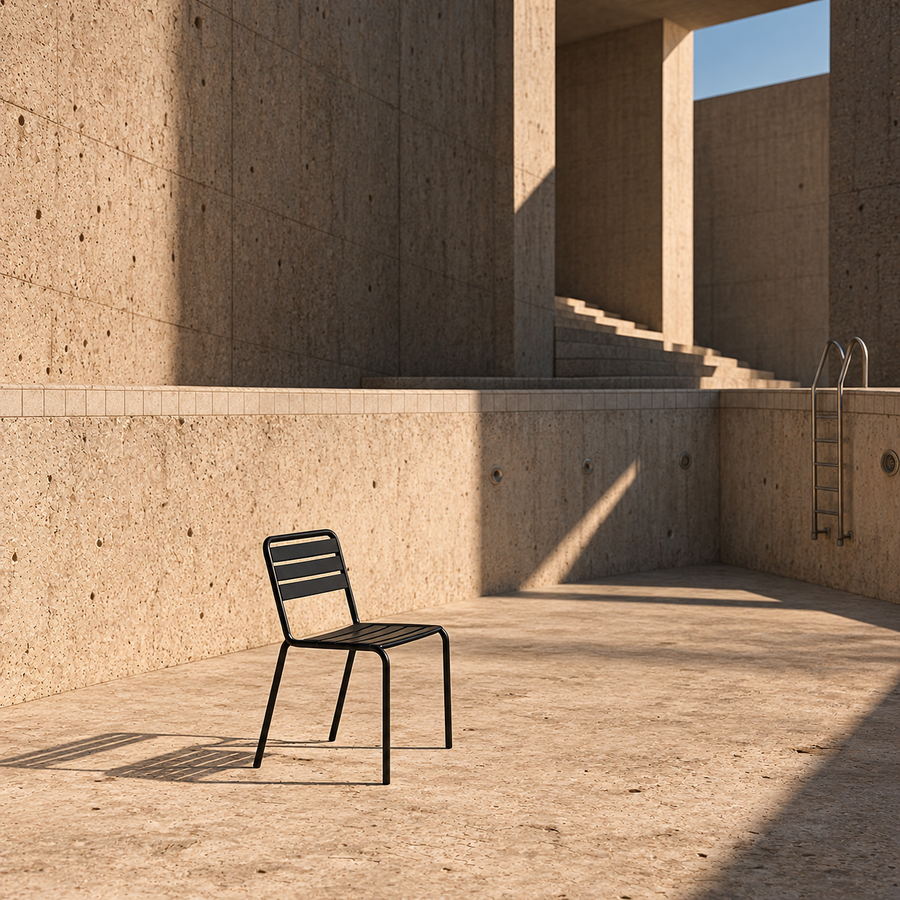
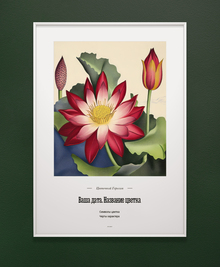
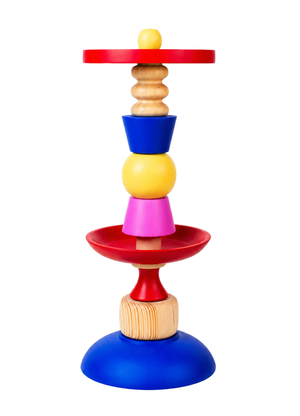
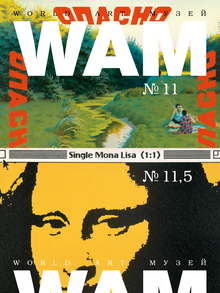
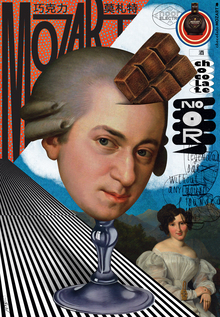
Image examples from the OUT OF PLACE source Dataset.
Dataset Creation
To train the model, I decided to create my own image dataset using artificial intelligence. All 24 images were generated in ChatGPT using an image generation tool.
I used individual text prompts for each subject, but maintained consistent visual characteristics: brutalist architecture, warm concrete tones, harsh sunlight, and long geometric shadows.
This allowed me to compile a dataset with diverse subjects, yet unified by a single visual style.
Original dataset of 24 images generated using ChatGPT.
Model Training
For training, I utilized Stable Diffusion XL and the DreamBooth LoRA method, based on the instructor’s training notebook.
LoRA allows the adaptation of a pre-trained model to a specific visual style without full retraining.
My objective was to teach the model to reproduce the characteristics of the source images: concrete architecture, a warm color palette, harsh lighting, and minimalist compositions.
SDXL DreamBooth LoRA Training Parameters
Training Error
During the training process, I encountered a library compatibility error between torchao and peft. Due to a version conflict, the training process halted.
To resolve the issue, I removed the conflicting torchao library and restarted the Google Colab environment.
After doing this, I was able to resume training the model.
Learning Outcome
After correcting the error, I retrained the model on the prepared dataset of 24 images.
The training was configured for 300 steps. The resulting LoRA weights are saved separately from the main SDXL model, allowing them to be used to generate new images in the studied visual style.
Training the SDXL DreamBooth LoRA was completed in 300 steps, taking approximately 36 minutes. The final loss value was 0.108.
Generating New Images
After completing the training, I moved on to testing the resulting LoRA.
For this, I used new text prompts that included the `OOPSTYLE` marker, which was added to the image descriptions during dataset preparation.
I chose subjects that were not present in the original 24 images. This way, I wanted to test whether the model could maintain the learned visual style while generating new scenes, rather than simply replicating examples from the dataset.
Generating new images using trained LoRA
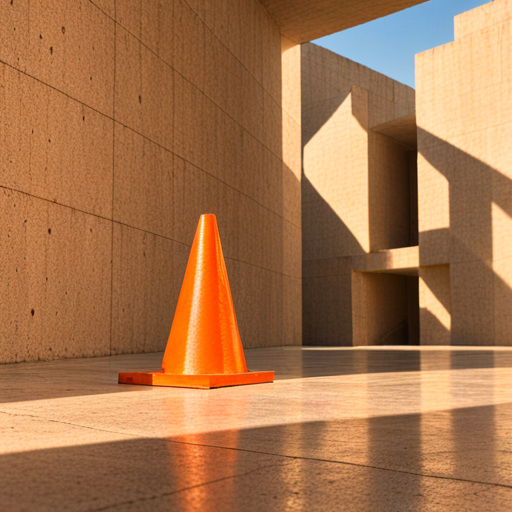
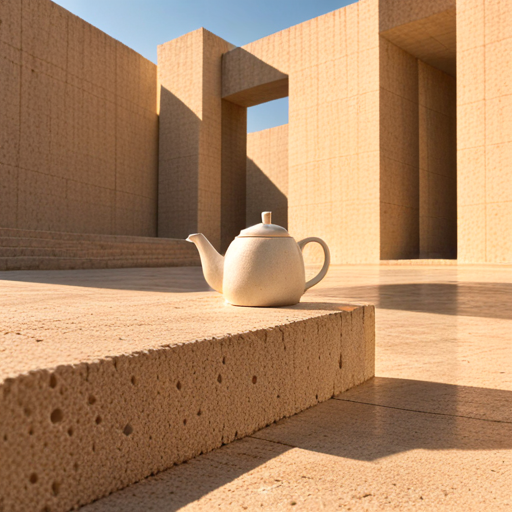
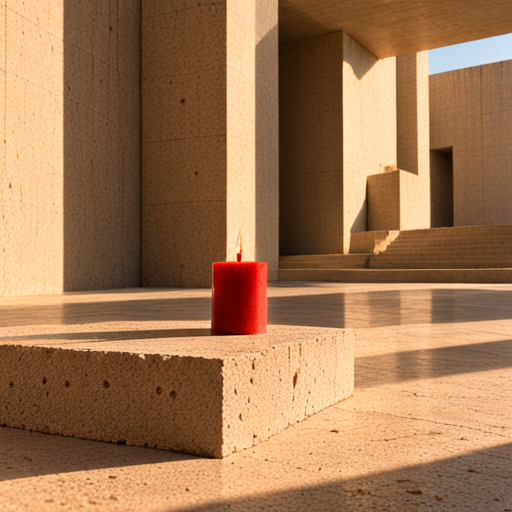
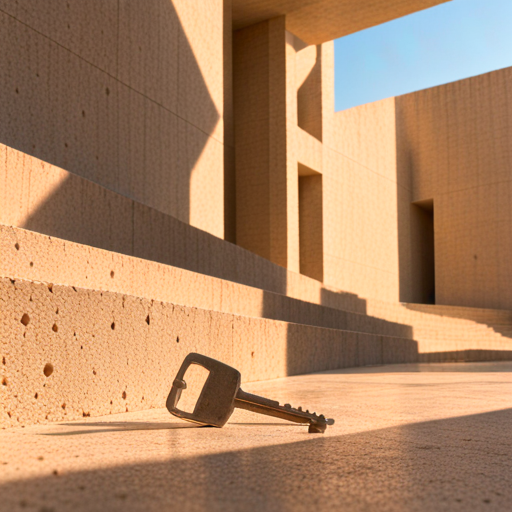
Final Series — OUT OF PLACE
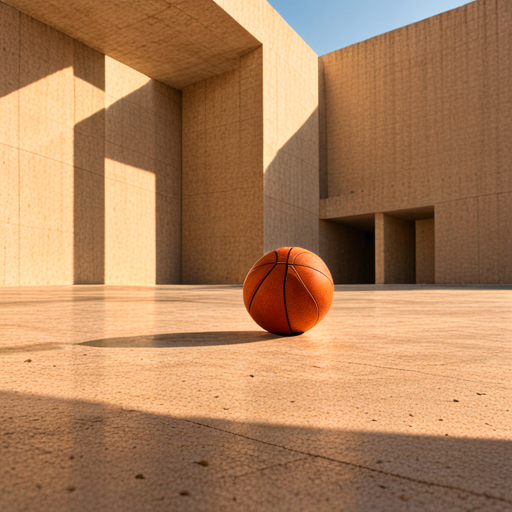
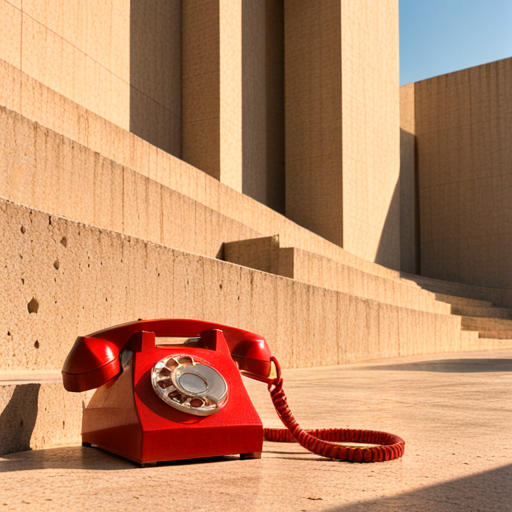
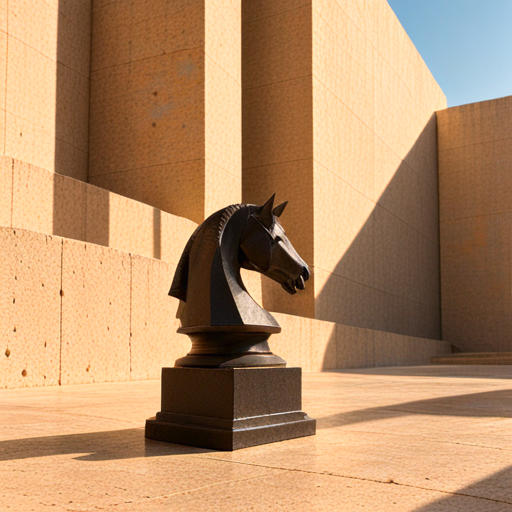
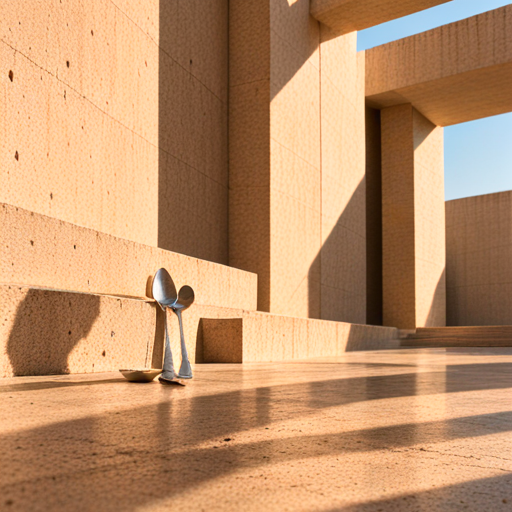
After 300 steps of training, I generated a new series of eight images. Unlike the original dataset, this series utilized new objects that the model had never seen during training.
I was curious to see how well it would maintain the established atmosphere and visual style.
Conclusion
Throughout this project, I curated a dataset of 24 images generated by ChatGPT and trained Stable Diffusion XL using DreamBooth LoRA. After 300 training steps, I produced a series of eight new images. The model successfully absorbed the key stylistic elements: a warm color palette, concrete texture, monumental architecture, and sharp geometric shadows. The images featuring a phone, a knight chess piece, and a kettle proved particularly successful. However, some compositions ended up being too similar, and there were inaccuracies in certain objects, such as in the images of the spoon and the key. Overall, the experiment demonstrated that even a small dataset is capable of instilling a recognizable visual style into the model.