Project Concept
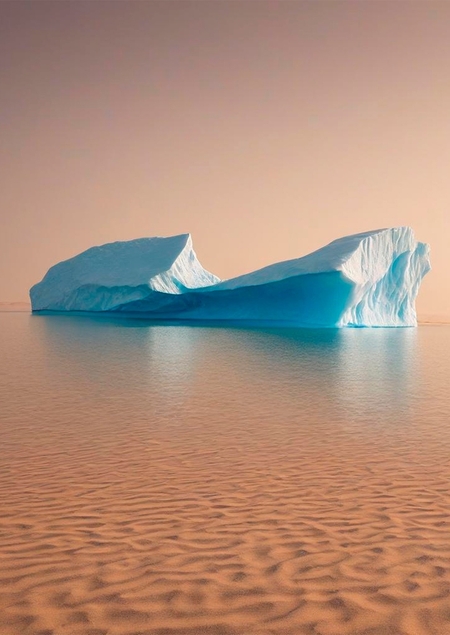
Concept: The creation of a hybrid visual universe at the intersection of two extreme environments—a scorching desert and eternal ice. The project investigates a visual paradox: what happens when the laws of physics cease to apply, and glaciers begin to grow on hot sand.
Why is this interesting? We are accustomed to ice melting from heat. The neural network, unburdened by physics, generates a new aesthetic—a «frozen heat.» Our goal is to demonstrate how generative art finds harmony within the absolute conflict of elements.
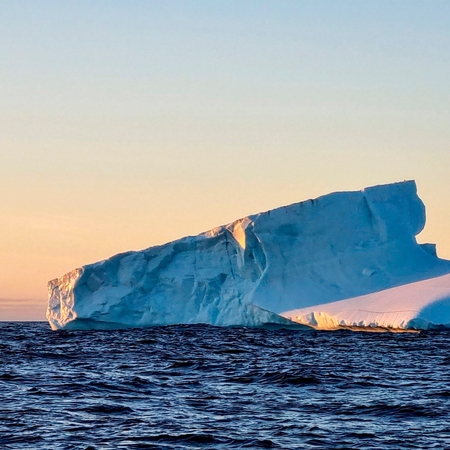
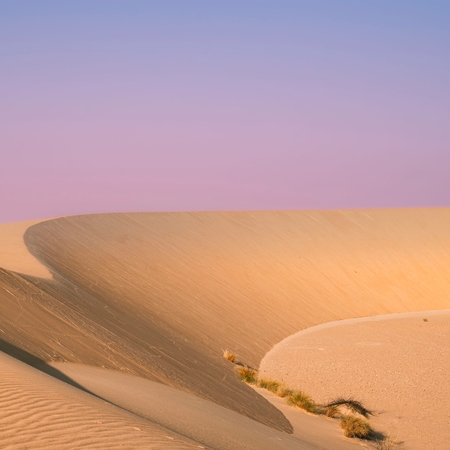
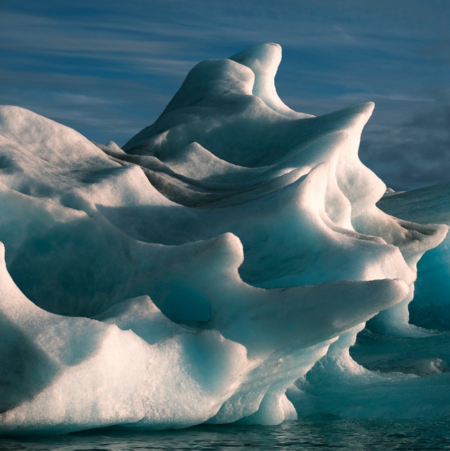
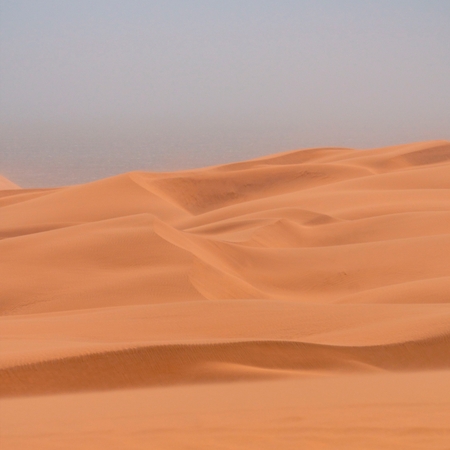
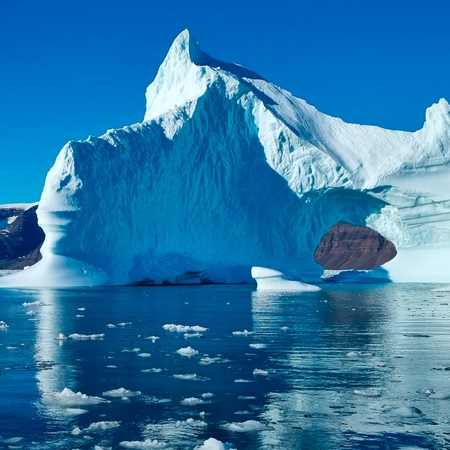
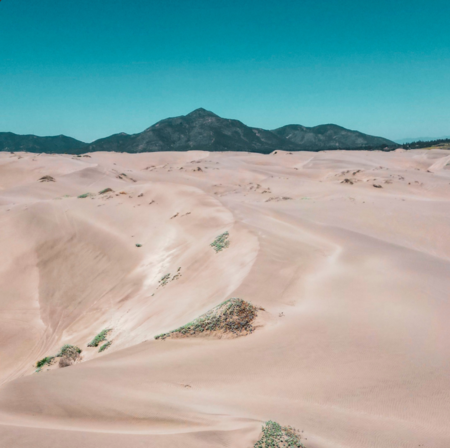
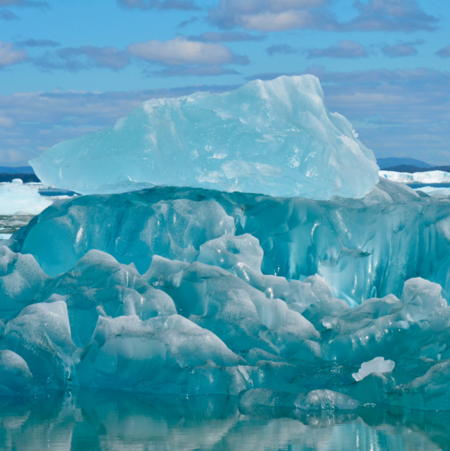
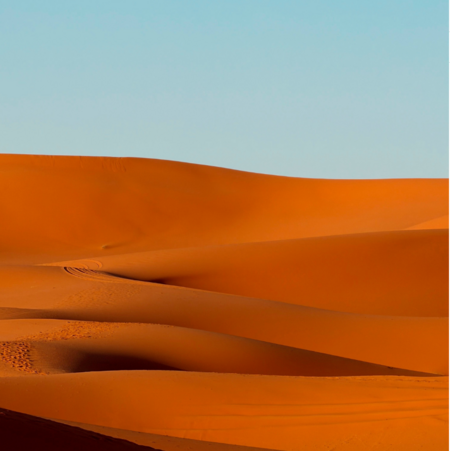
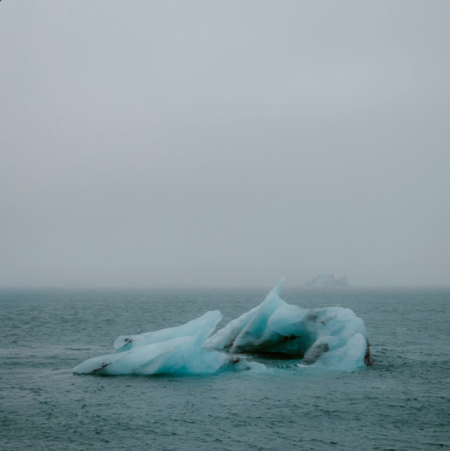
Source images for training
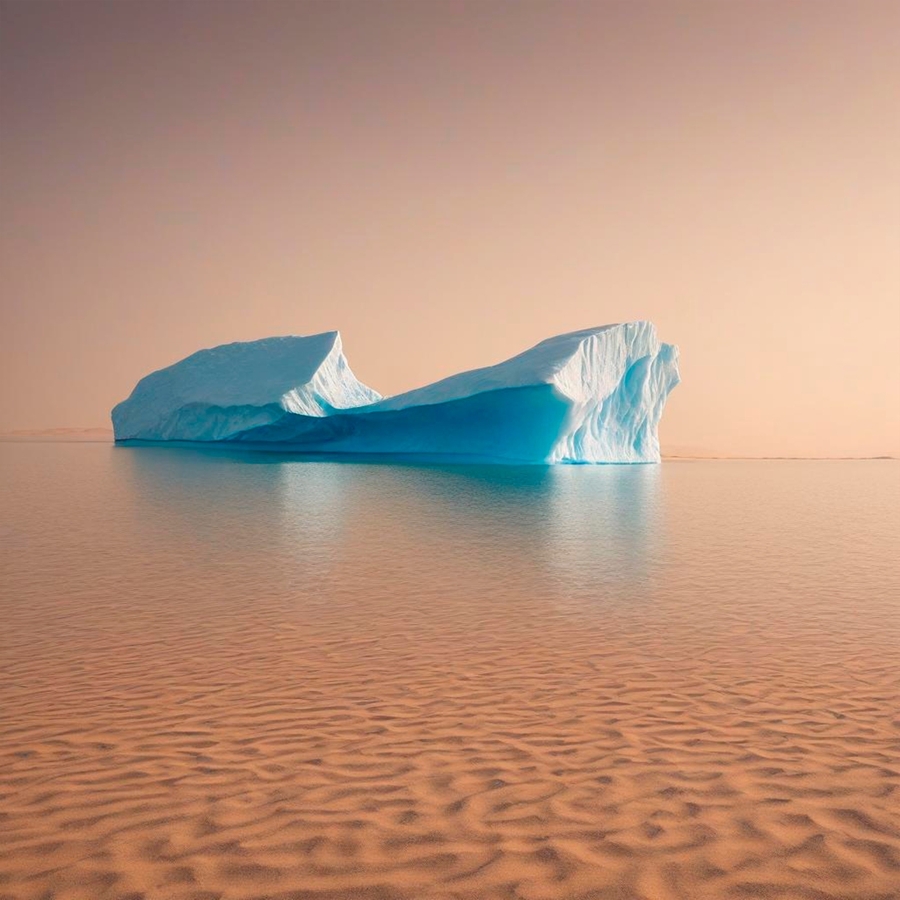
Resulting Image Series
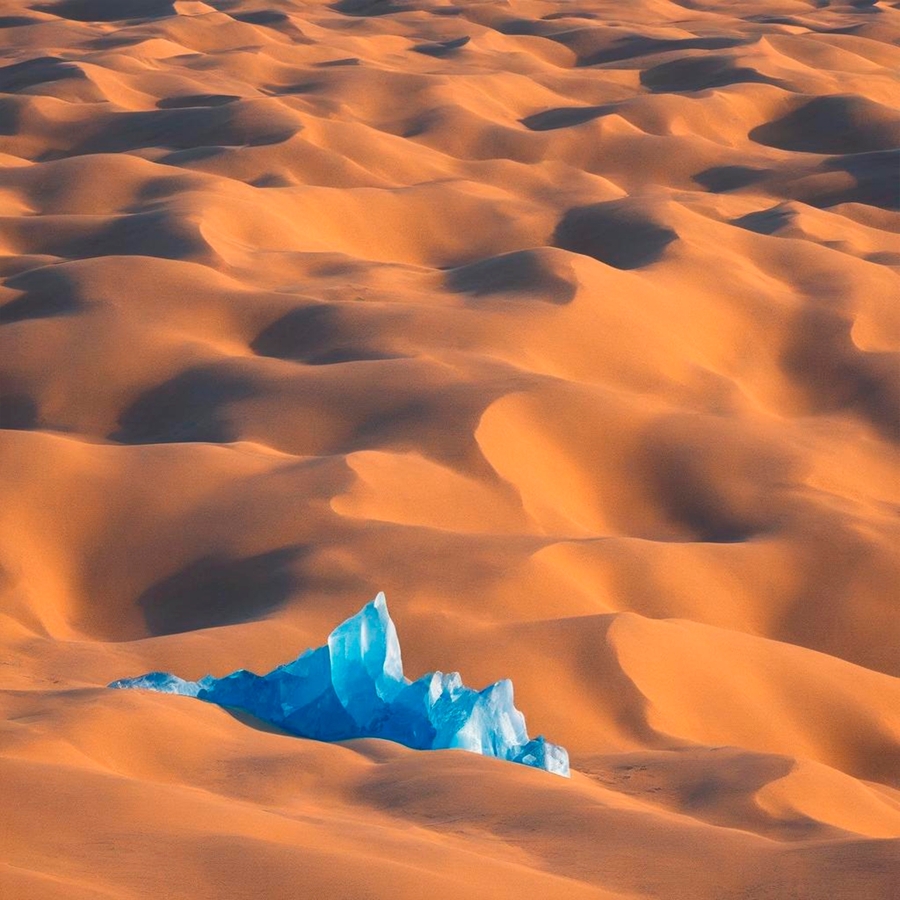
Detailed results commentary
Concept Compliance Analysis The project successfully demonstrates a visual oxymoron. The neural network assimilated the key textures of both environments and learned to combine them: — Textural Fusion: The transparency and gloss of ice perfectly meshed with the roughness of sand dunes. — Light Adaptation: The model employed contrasting lighting—warm sunset rays illuminate the cold facets of the icebergs.
You might notice that some images (especially those with ice crystals) shift into a deep pink-purple spectrum.
- Pink Ice: During training, the model analyzed colors. The source material included icebergs at sunset (where the ice reflects the pink sky) and sand dunes in evening light (which also possess a reddish hue). The neural network mathematically «blended» these palettes, creating a unique neon aesthetic—glaciers that glow from within, like plasma.
- Ship in the Desert: In the prompt, I used the phrase «ancient frozen ship in the middle of a desert.» The model knows no word for «impossible.» It relies on its initial experience (the SDXL base), where ships are objects and deserts are environments. By crossing them, it generated a surreal image. This proves that the trained LoRA does not merely copy our photographs; it generates new concepts.
Visual Image Analysis
- «Ice Oasis»: A classic iceberg within the dunes. The most realistic photo in the series (featuring a pool of meltwater).
- «Neon Glacier»: Abstract pink ice tori. This demonstrates how the model perceives the «energy of cold.»
- «Frozen Waterfall»: An epic ice waterfall cascading down the rocks in the desert. This was a complex work in texture handling.
- «Crystal Bloom»: Crystals growing directly out of the sand. This is the most fantastical and minimalist piece.
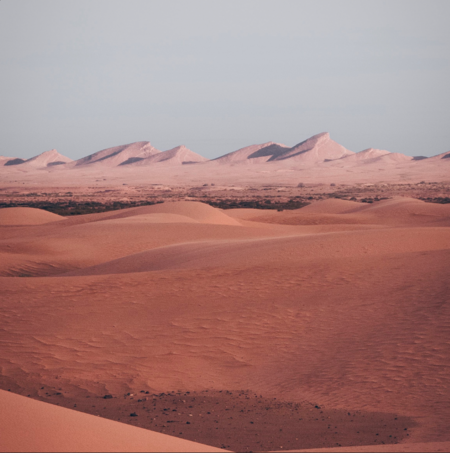
- «Mirage»: Snow-capped peaks on the horizon among sand dunes.
Generation Technical Details: Prompts utilized strict specifications of elements (hot desert sand, frozen ice peaks). The negative prompt (blurry, ugly, text) filtered out artifacts and superfluous details, forcing the model to focus on the pure landscape.
Technical Implementation
— Architecture: Stable Diffusion XL 1.0 base model, DreamBooth adaptation method with LoRA. — Dataset size: 21 images. — Number of steps: 300 steps. — Resolution: 512×512 pixels. — Optimization: Gradient checkpointing and 8-bit optimization (8-bit Adam) were used to prevent video memory overflow.Process description: The model was trained on contrasting data. Due to limitations of free Colab (GPU VRAM shortage), training was conducted using memory-saving techniques, and generation was performed with CPU offloading. Despite this, the neural network successfully extracted the style features.
Description of the generative model’s application (POPATKUS)
The following AI tools were used during the project:
- Stable Diffusion XL 1.0 (Base Architecture) — Link on Hugging Face.
- LoRA (Low-Rank Adaptation) — for efficiently customizing the base model to the «Desert + Ice» style.