Concept
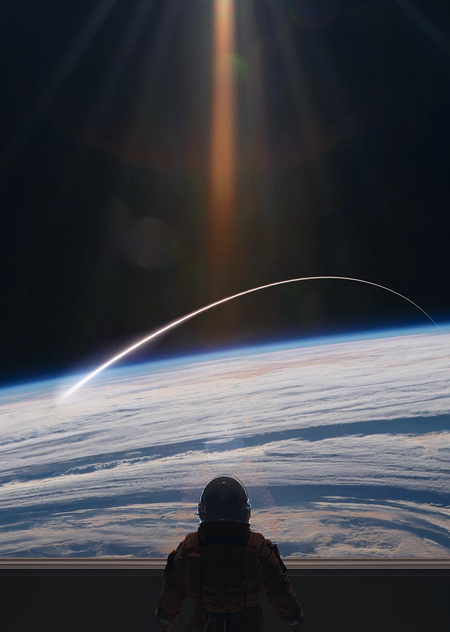
Space is often perceived as a symbol of the future and technological progress, but in contemporary art and science fiction, it is increasingly transforming into a space for depicting internal crisis. Space becomes a metaphor for alienation: the absence of contact, sound, familiar corporeality, and time makes it a mirror of the human psyche.
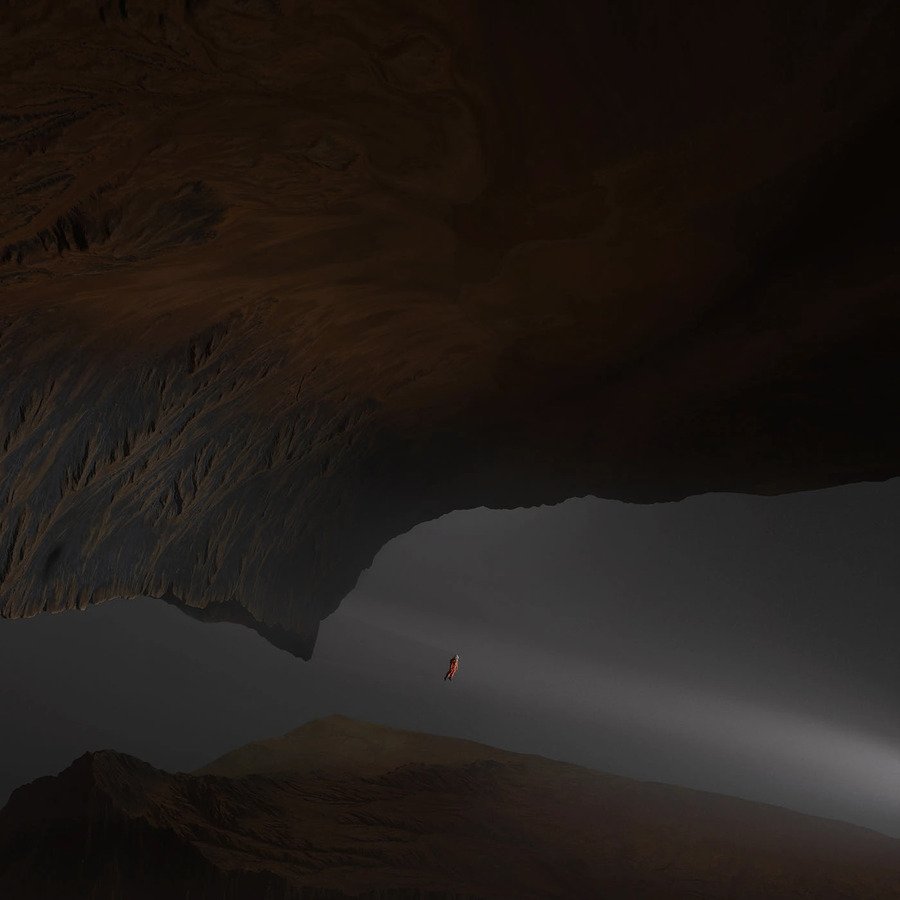
Andrey Ryazanov Space Everywhere. Behance 2022
I am interested in how directors portray loneliness and psychological instability amid complete isolation. Therefore, the research focuses less on technical aspects and more on the psychological and visual—specifically, how the environment in films becomes a factor that intensifies the distortion of reality.
Rubrication Principle
The project structure includes two key areas of focus. The first is space as a realm of internal isolation, analyzing how deprivation, solitude, and disconnection from familiar environments affect a person’s psychological state. The second is space as an artificial environment and a source of psychological pressure, exploring how the station’s architecture, technology, color, sound, and rhythm create emotional tension and shape the character’s experience.
Isolation and Loneliness as a Psychological Phenomenon
Loneliness in space is an ultimate form of isolation, where all basic human connections to the world break down. The absence of sensory cues, the cycle of day and night, organic sounds, and sometimes even touch, leads to a restructuring of the psyche.
Author: Vitaliy Zamedyanskiy
The Impact of Deprivation on the Mind
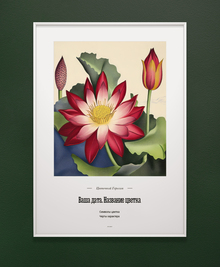
Psychologists note that under conditions of sensory deprivation, basic cognitive processes in humans rapidly deteriorate: the perception of time changes, memory becomes distorted, and a need for artificial stimuli arises. Deprivation chamber experiments have shown that within just a few hours, subjects began experiencing auditory and visual hallucinations, anxious states, and a sense of derealization.
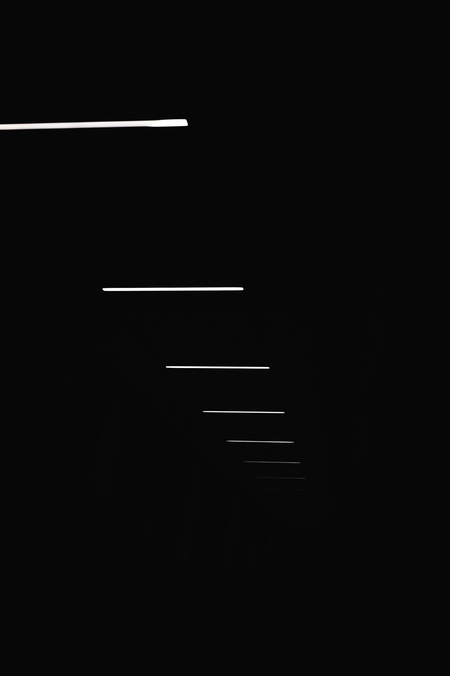
Authors: Ryunosuke Kikuno and Mehrsa Saberi
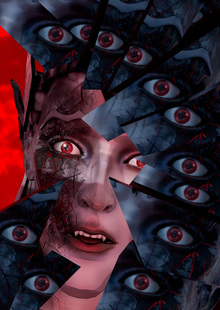
In sensory deprivation, the psyche begins to «imagine» the external world. The brain, lacking familiar stimuli, generates patterns or flashes of light before the eyes. A tingling sensation or a crawling feeling on the skin is often experienced, and a feeling of someone’s presence arises. This manifests as heightened anxiety, fear without an apparent cause, and mild paranoia.
Authors: Michał Mancewicz and Susan Wilkinson
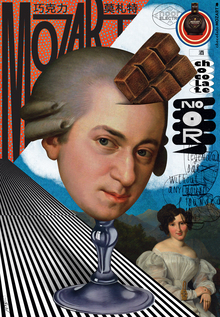
After several hours in silence and darkness, a person begins to struggle with concentration, thoughts become scattered, and the perception of time becomes distorted: minutes can stretch out like hours, while hours feel like a moment. Research shows that prolonged deprivation disrupts the ability to distinguish what was presented from what actually happened. The brain loses the clear boundary between the internal and the external.
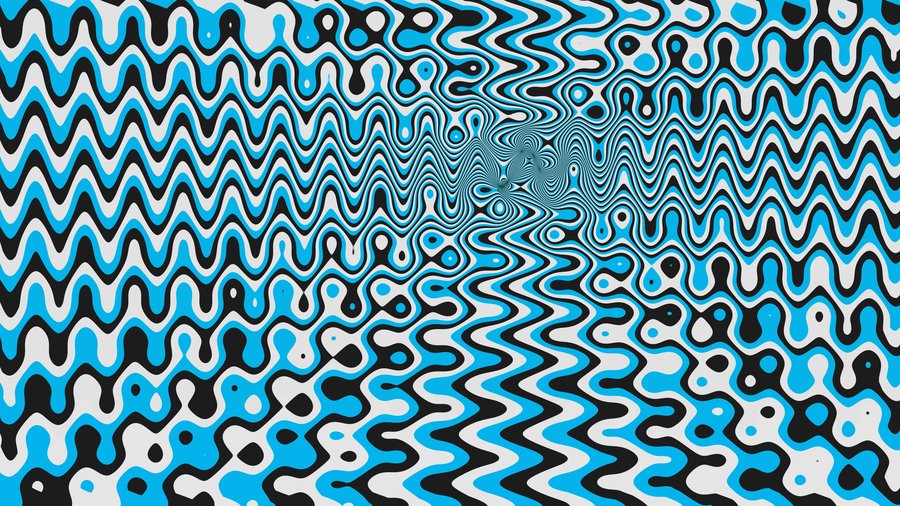
Author: Logan Voss
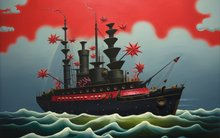
These effects resonate strongly with the experiences of astronauts and can be interestingly interpreted in media. The monotonous environment and disruptions to vestibular signals in the absence of gravity deprive the brain of familiar orientation points.
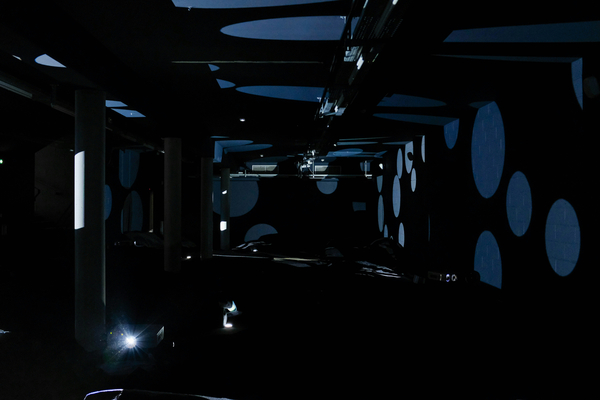
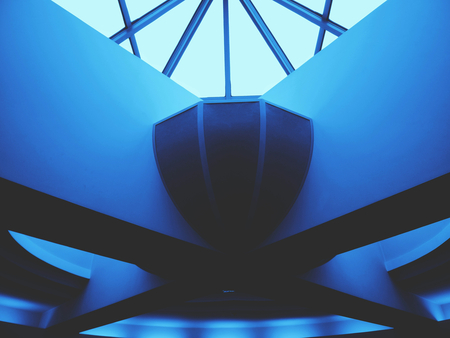
Author: Adrien Olichon
Vacuum of Meaning
Philosopher and psychiatrist Viktor Frankl wrote that humans need meaning to maintain inner resilience. When external stimuli disappear, only the internal dialogue remains, and it can become destructive if it lacks direction. In isolation, a person confronts a «meaning vacuum”—every action loses its context.
Space as a Metaphor for Inner Decay
In Andrei Tarkovsky’s Solaris (1972), the station orbiting the planet becomes a materialization of memory and guilt. Psychological disintegration becomes literal here: the characters lose the ability to distinguish the living from the dead, the real from the imagined. They either fear or ignore the «visitors, ” gradually losing their sanity.
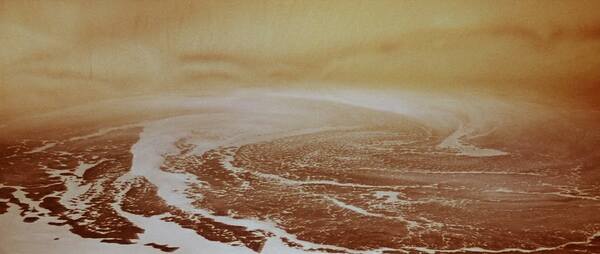
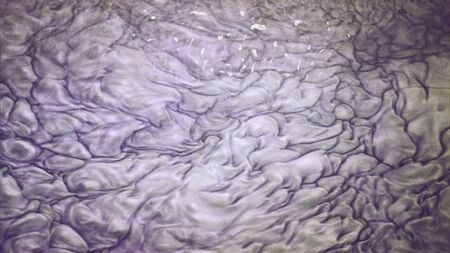
Solaris, Andrei Tarkovsky 1972
In Stanley Kubrick’s «2001: A Space Odyssey,» humanity confronts not so much emptiness as the infinite and indifferent vastness of space. The ship’s cold sterility, the measured rhythm of the flight, and the rationality of HAL-9000 in the film’s beginning emphasize the distance between humans and the technological environment they find themselves in. Space here is a realm of ultimate solitude and a test of the human mind—a place where humanity does not vanish, but transforms, passing through new evolutionary stages.
2001: A Space Odyssey (1968). Stanley Kubrick
In «Moon,» the character Sam Bell illustrates how prolonged isolation can affect a person. After spending nearly three years alone at a lunar base and interacting only with the robot Gerty, Sam begins to experience severe fatigue and worsening well-being, as well as hallucinations that precede his accident on the lunar surface. Long detachment from humanity and the monotonous environment erode emotional resilience.
Moon 2009 Duncan Jones
In «Ad Astra, ” long-term space travel and participation in dangerous missions have rendered Roy McBride a reserved and introverted individual. He almost completely suppresses his emotions and strives to keep his inner tension under control, even in critical situations. The film shows how this affects his psyche: Roy feels alienation and emotional isolation, and he struggles to show intimacy with others, including his wife.
Ad Astra 2019 James Gray
Clifford Macbraid’s obsession with the search for extraterrestrial life seems almost pathological. It can be interpreted as the consequence of prolonged isolation. Years away from humanity, limited contact, a monotonous environment, and mission pressure gradually degrade the psyche. Isolation in space intensifies fixation on a single goal—it becomes the only reality supporting a sense of purpose, as meanings generally dissolve in isolation.