Visual Research Concept
What do we know about early music? It is only reliably known that it originated around 50,000 years ago.
What tools were used to create musical pieces, how were some of them preserved to endure until today, and how ancient people perceived music—these are among the major questions that constitute a full field of study.
Did people perceive the concept of «music» the way we do today? Naturally, modern understandings of music differ significantly from the perceptions of people in antiquity.
Certainly, the musical compositions of ancient civilizations were much simpler in content than those we have today. For example, the German writer August Schlegel asserted, «The dominant principle of ancient music was rhythm and melody; for modern music, it was harmony.» But did ancient people approach music merely hedonistically, compared to us?
It would be fair to note that when posing the question of differences, we cannot avoid discussing the similarities between ancient and modern music.
The choice of a visual research topic is driven by the question of the importance and continuity of virtually all musical elements, expressions, forms, and techniques created in ancient times—elements that significantly influenced, or conversely, did not significantly influence, the formation of our understanding and perception of music.
The central question of my visual research is primarily focused on understanding how people in ancient times perceived music—how their concepts differed from ours, what musical instruments were used to create it, how it was preserved, and analyzing the similarities and differences between musical elements of antiquity and the present day.
For this study, we focused on the Ancient World period, which encompasses the musical culture of ancient civilizations (Ancient Egypt, Mesopotamia, Ancient Greece, Ancient Rome, etc.).
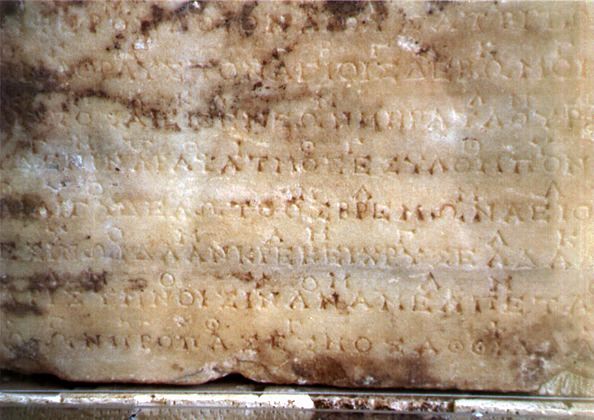
The selection of this period is due to the flourishing of writing—specifically, the emergence of the first musical notes, sound symbols, and the invention of musical instruments, forms, and elements, some of which are still used today in the creation of musical compositions.
Visual research materials were selected from open internet sources corresponding to the work’s theme, including images of ancient musical instruments, scores, and video materials for listening to musical compositions from antiquity that have survived to the present day.
The selection and analysis of textual sources are directly related to the topic of the research project. The textual material was primarily written based on the study of scientific articles in Russian and English to gain a deeper understanding of the questions posed by this research.
The categorization—that is, the structuring of the visual research—is built upon the principles of logical connection, sequential heading organization, information relevance, and correspondence with the content.
Musical Instruments of Antiquity
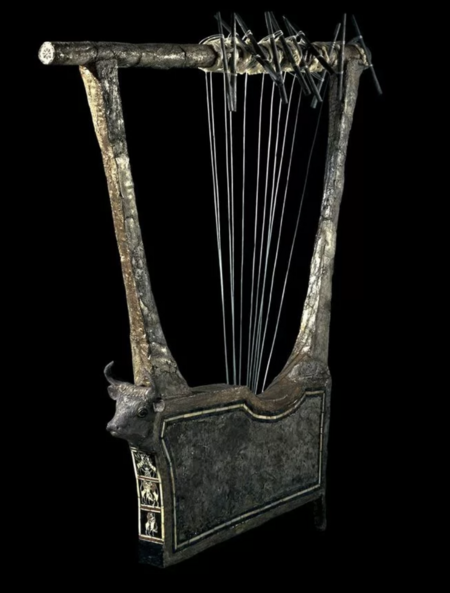
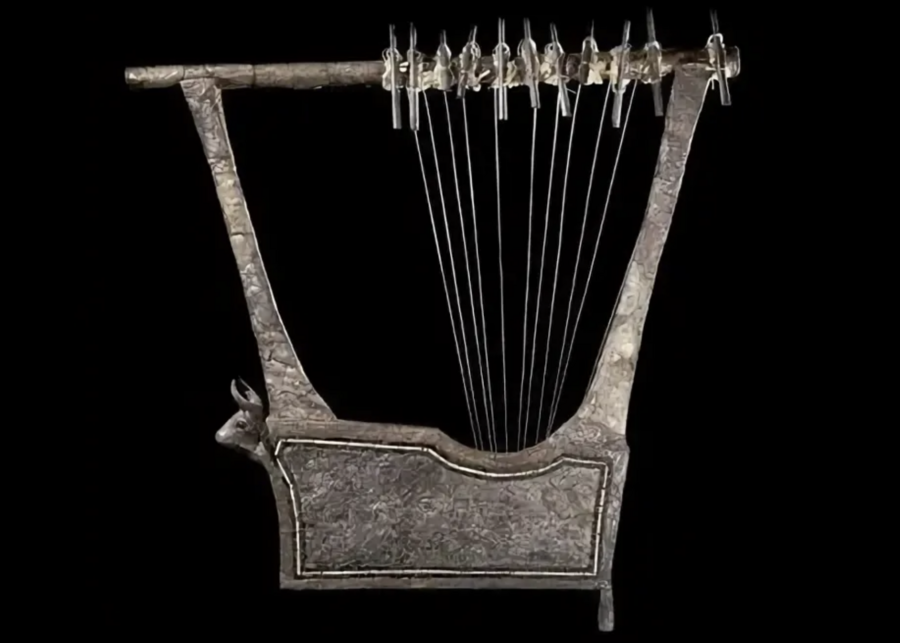
1 — «Silver Lyre.» Partial reconstruction. Royal Tombs of Ura. c. 2450 BCE.
Lyres decorated the head of the bull because it symbolized strength, fertility, prosperity, and a connection to the deities.
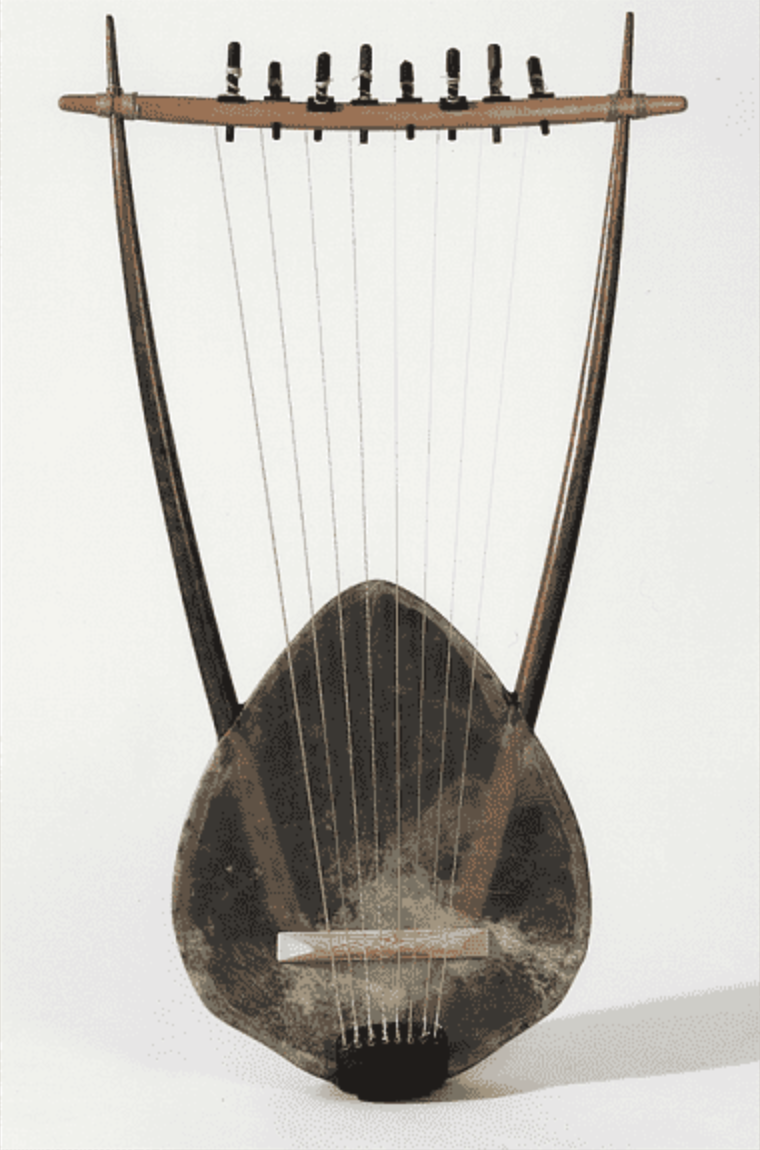
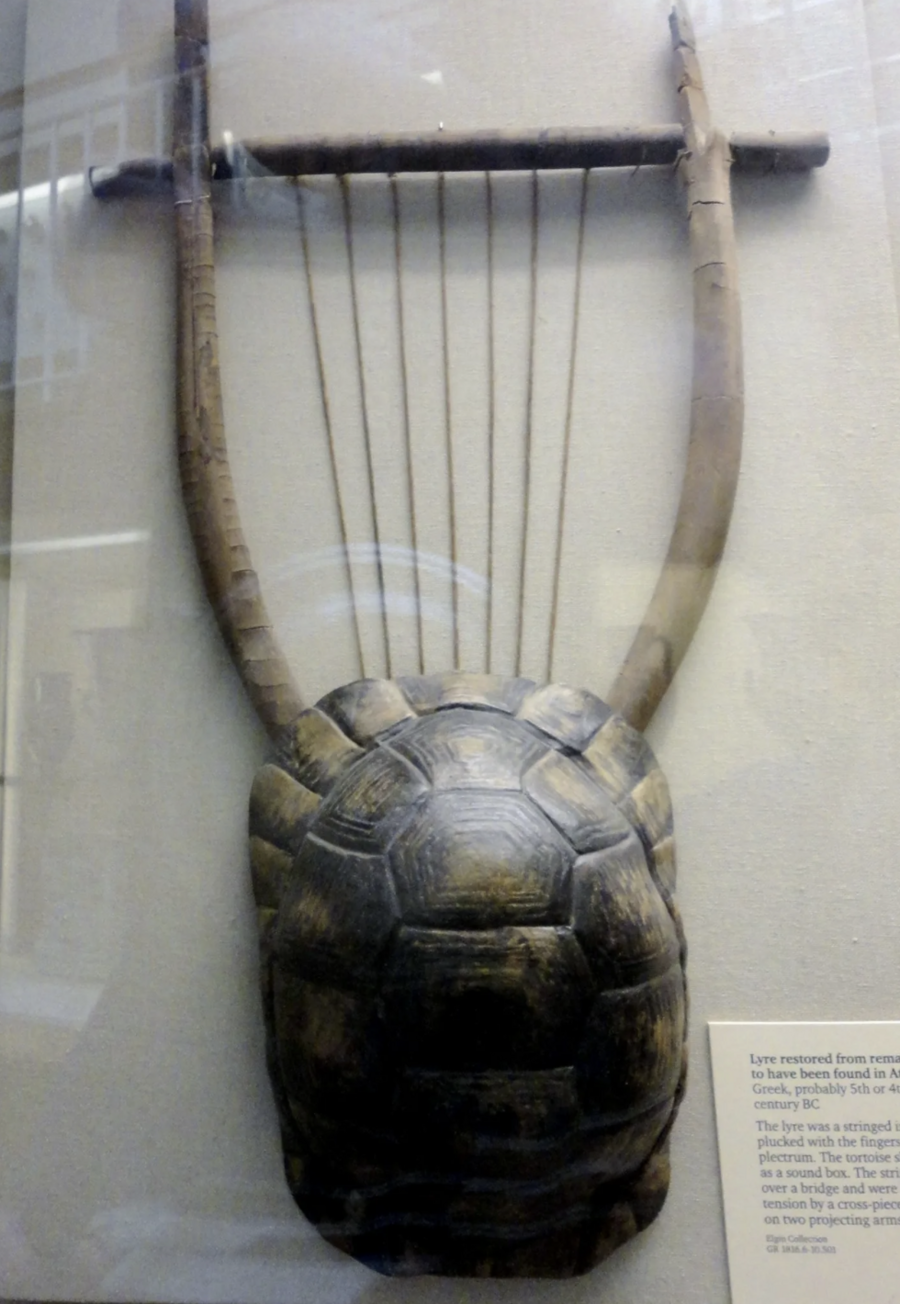
Lyre-helix. Ancient Greece. 5th–4th centuries BCE.
The Lyra-helix was a simplified version of the classical Lyre, distinguished by its resonator made of turtle shell.
Shoulder harp. Ancient Egypt. New Kingdom, c. 1390–1295 BCE.
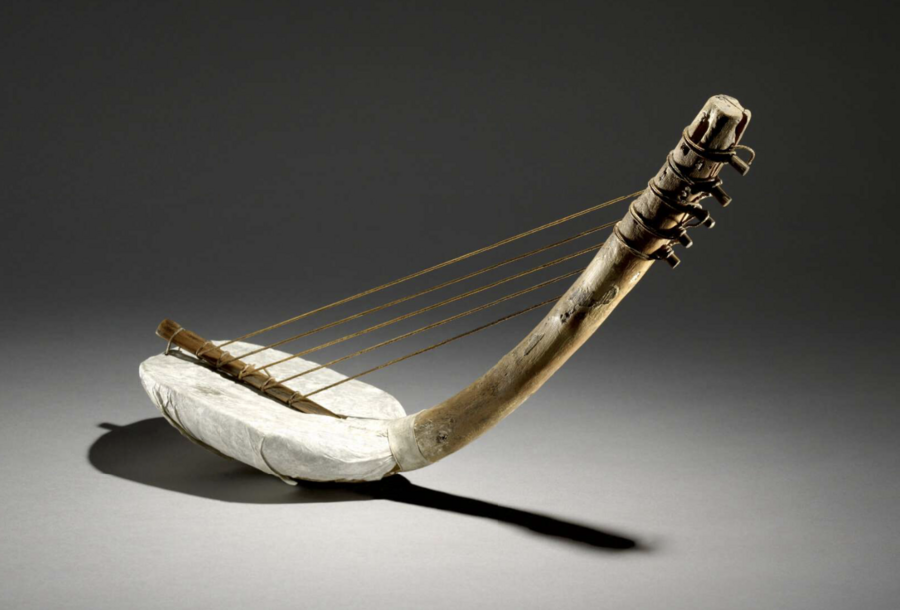
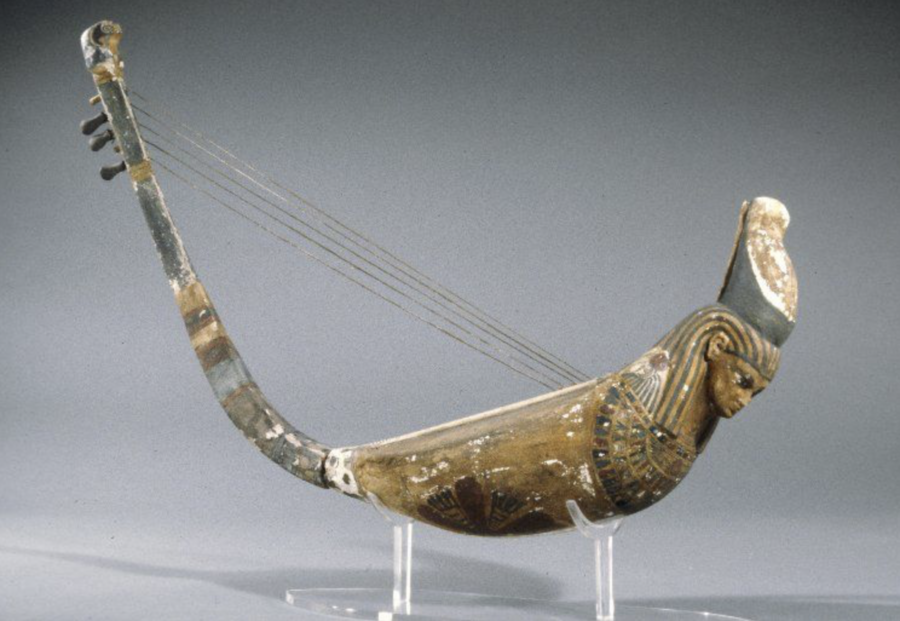
Shoulder harps. Ancient Egypt. New Kingdom, c. 1550–1069 BCE.
The images feature small, portable (shoulder) lyres, which added greater mobility for the player.
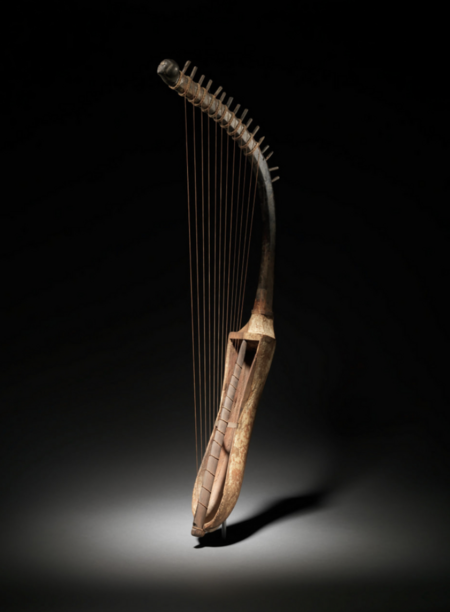
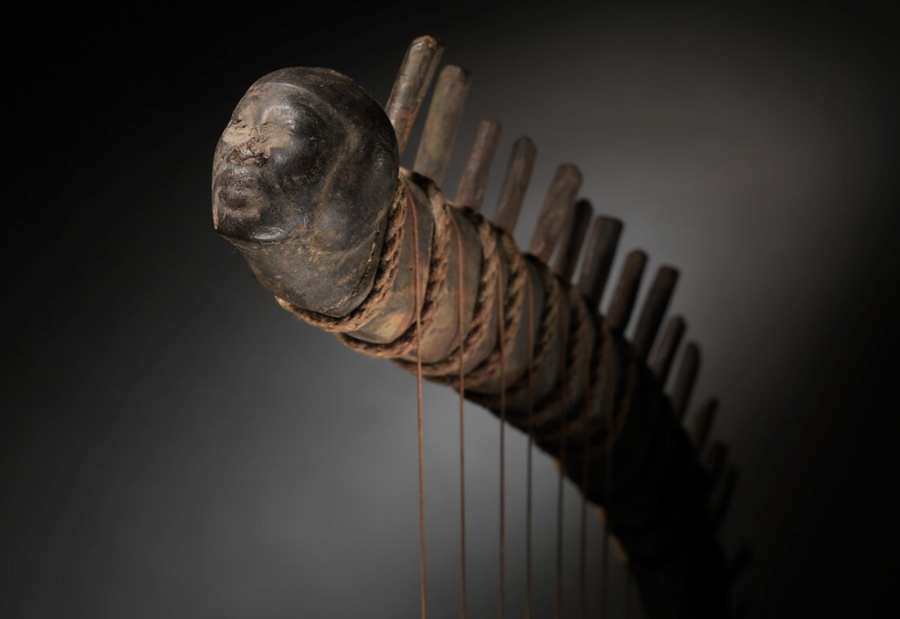
Shoulder lyre, Ancient Egypt, New Kingdom, c. 1390–1295 BCE
The upper image shows the end of a shoulder harp adorned with a captive that is «bound» by the harp’s strings.
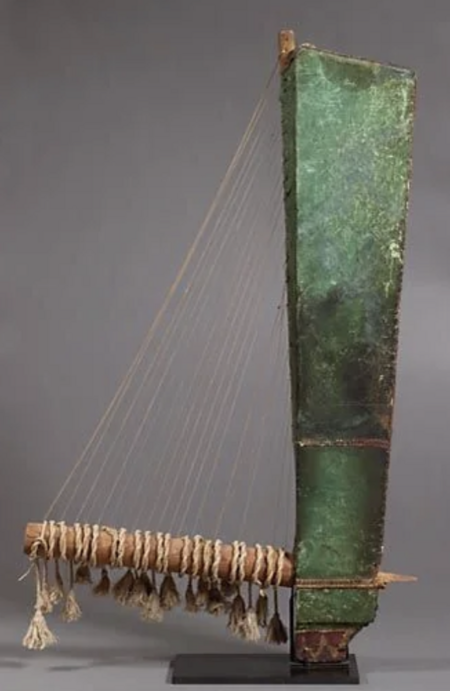
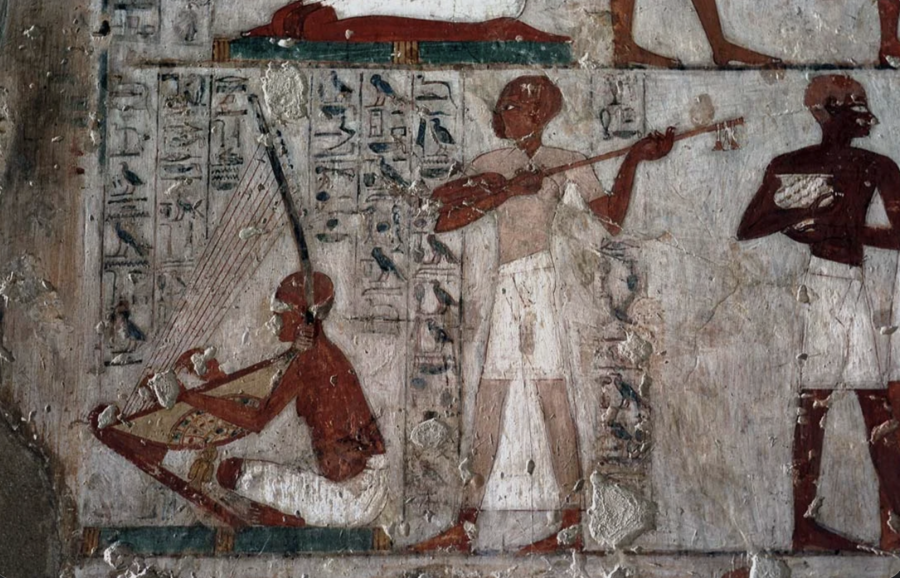
1-cornered harp. Ancient Egypt, c. 3120–2649 BCE. 2- Wall painting from the tomb of Rekhmire. Ancient Egypt, c. 1504–1425 BCE.
The image above depicts a corner harp. Typically, musical pieces were performed on it while seated.
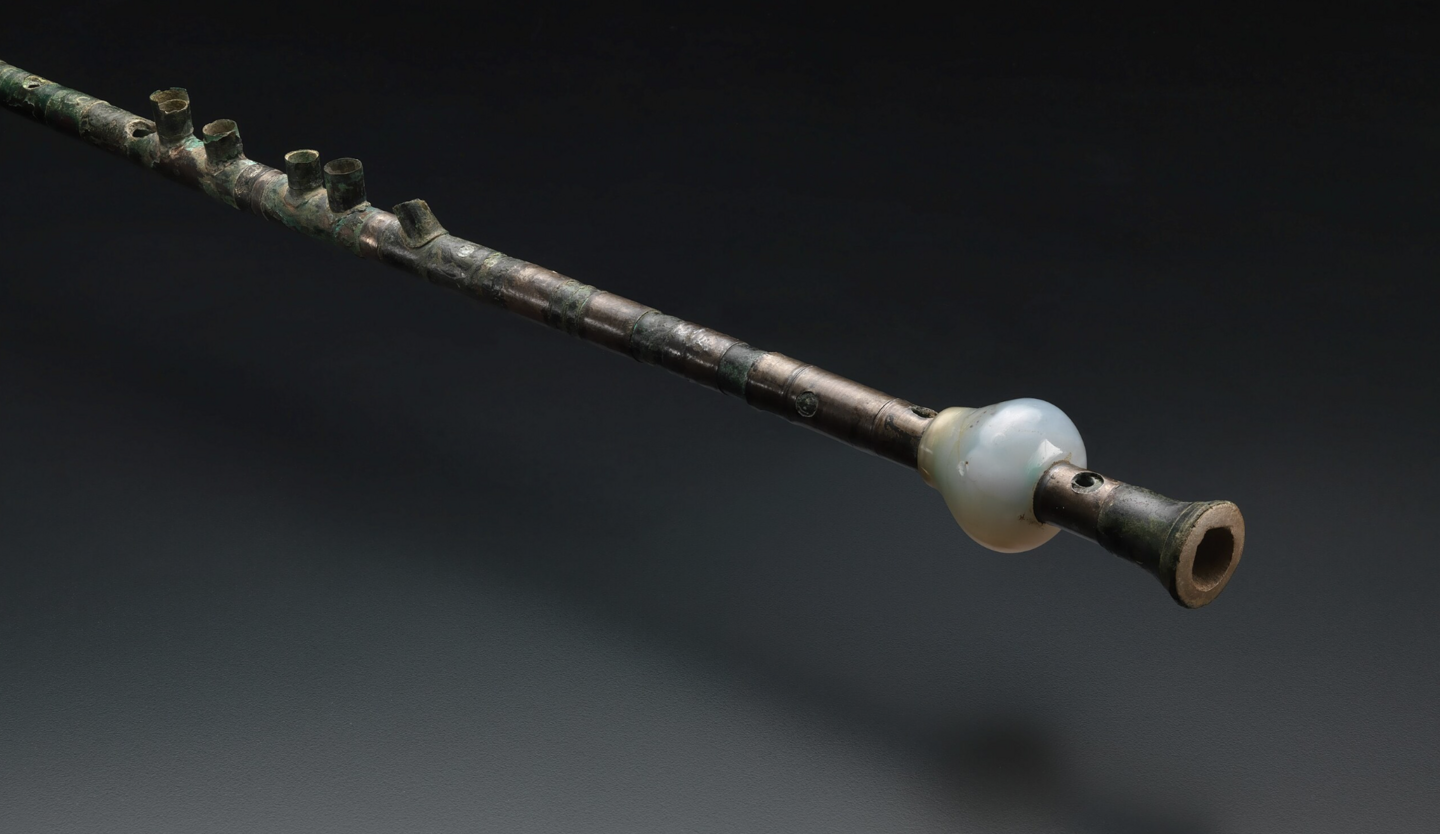
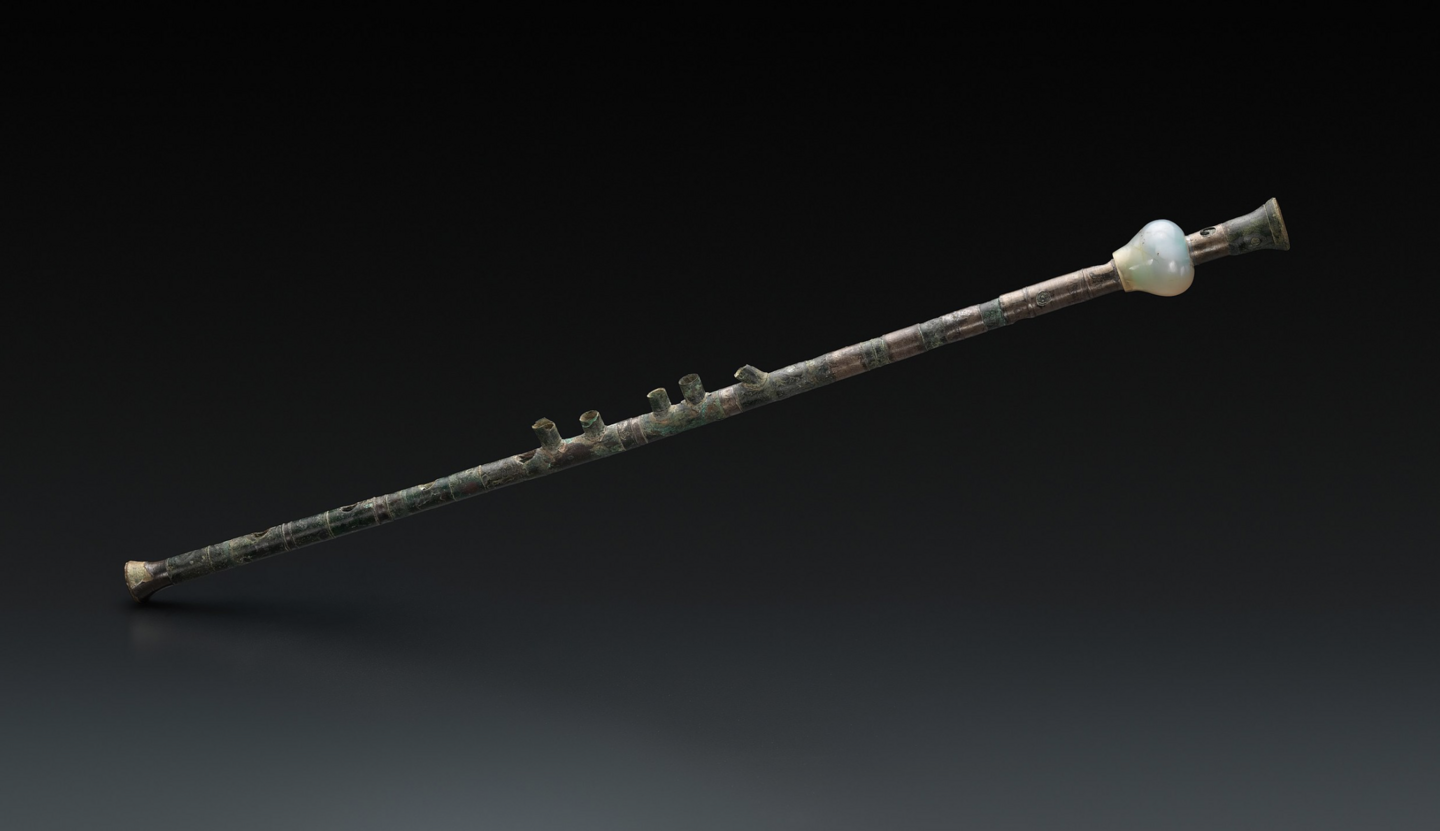
Tibye. One pipe from a pair. Okay. 1–500 CE, Syria.
The images above display an ancient Roman wind instrument—the tibia.
The tibia consisted of two tubes; one produced a high-pitched sound, while the other produced a low-pitched sound.
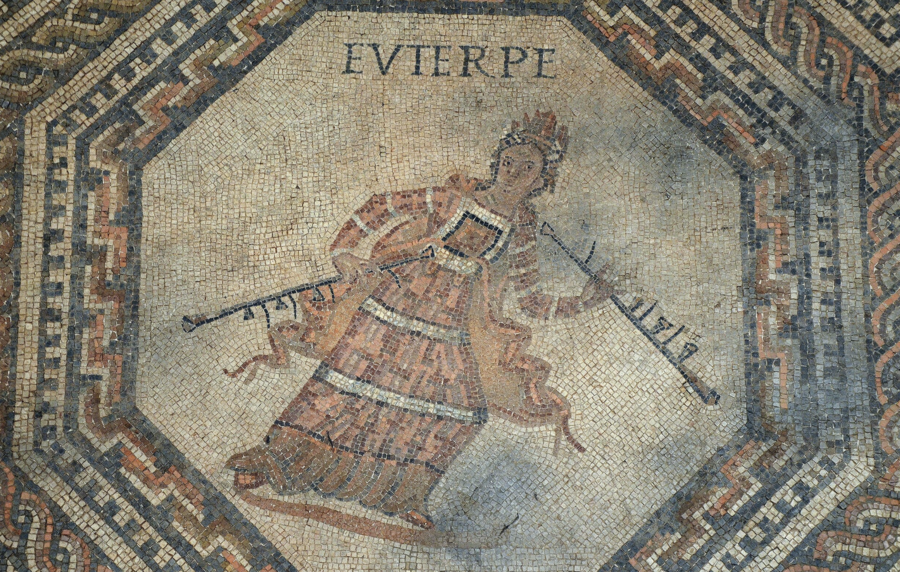
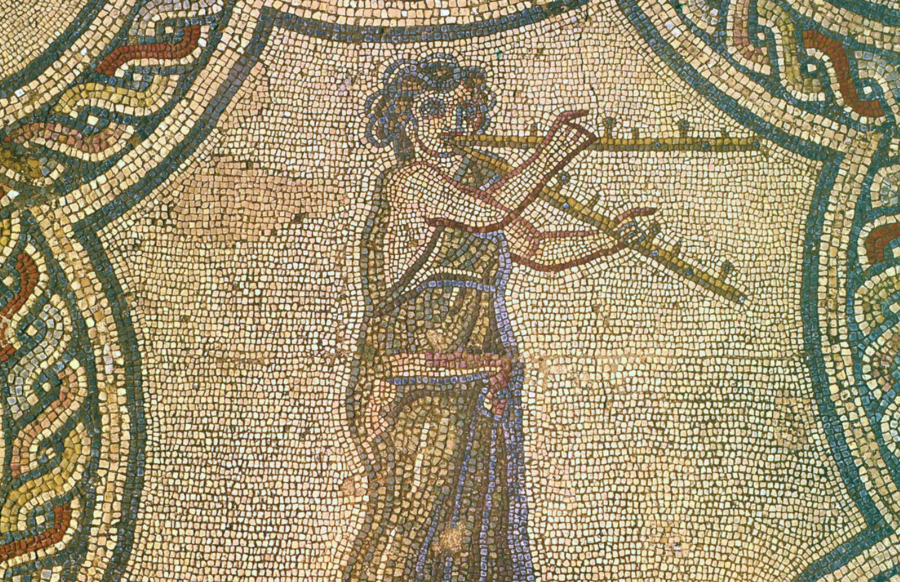
1–Euterpe playing the thyrsus. Okay. 240 CE. 2–Mosaics depicting Thibicene or a maenad from the House of Dionysus in Volubilis, Morocco, part of the Roman Empire. 3rd Century BCE.
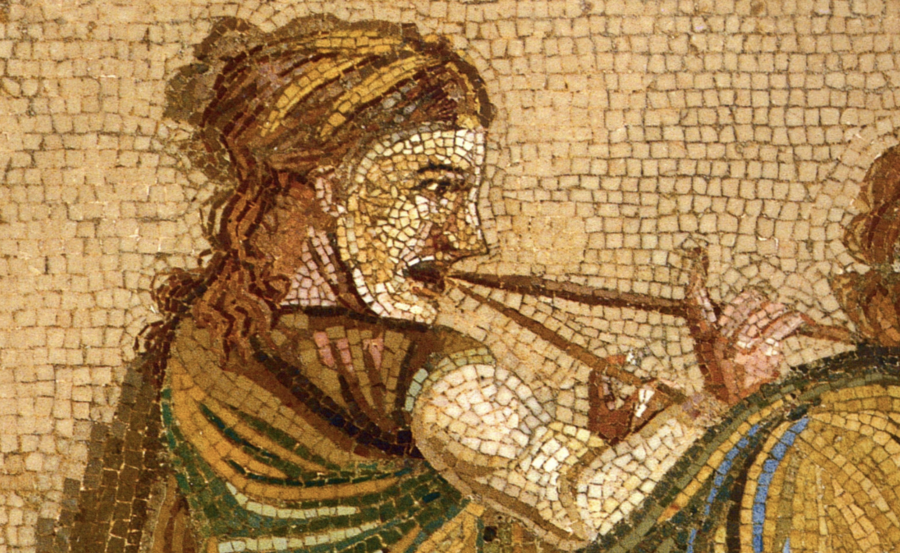
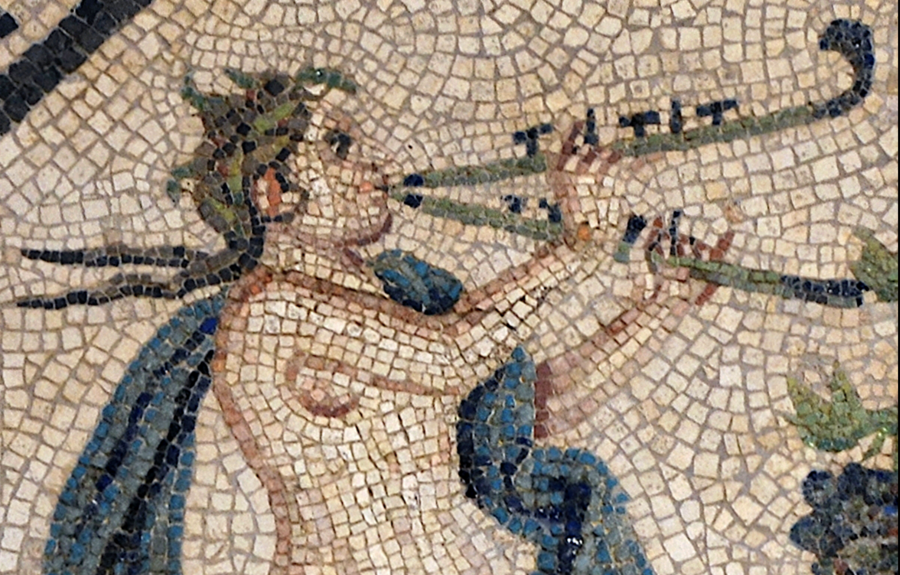
1-Street Musician, Pompeii, Ancient Rome. 2-Cologne, Germany. c. 220 AD
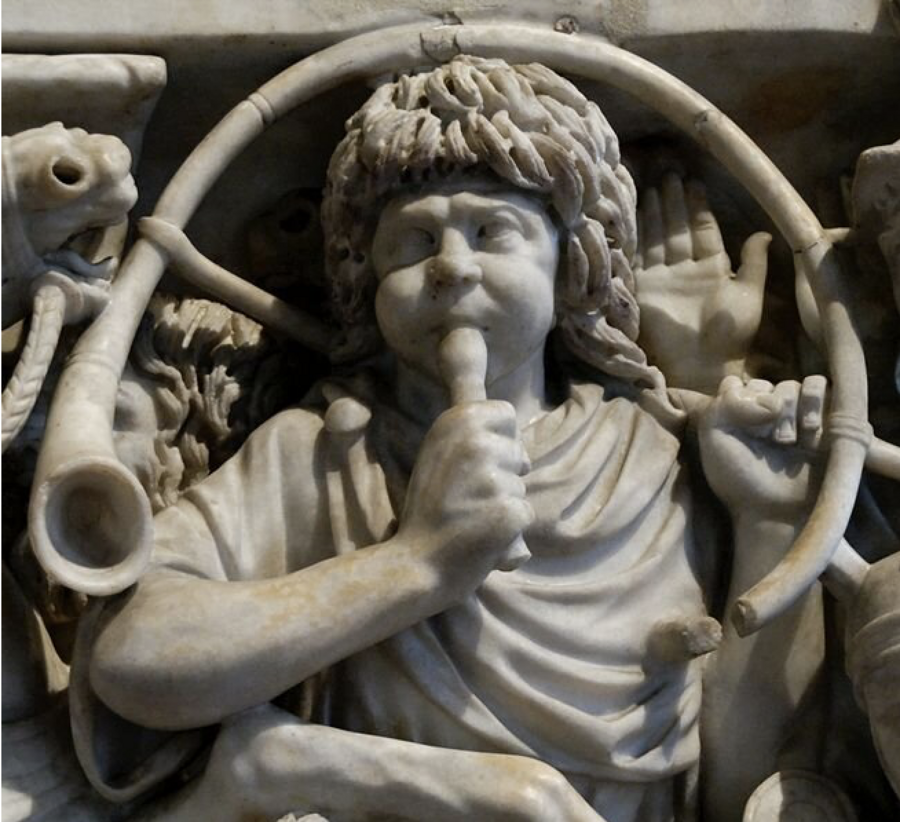
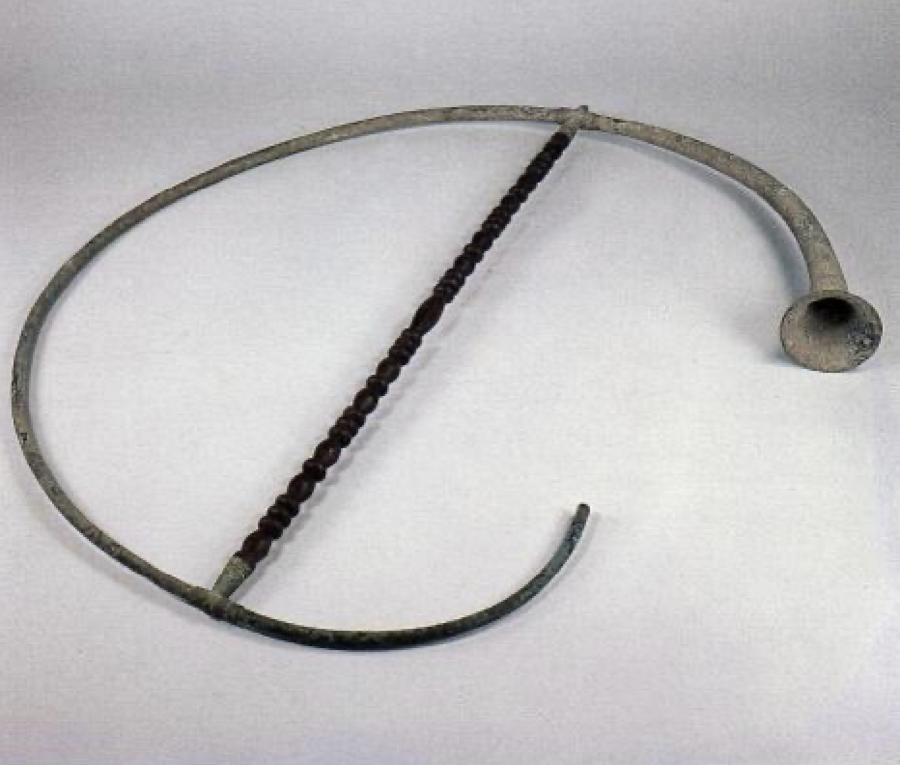
1-The Sarcophagus of Ludovisi. A soldier playing the cornu. Ancient Rome. c. 250–260 CE. 2-Cornu from the City Museum of Austrian Velz. Ancient Rome.
The images above feature the cornu—a brass wind instrument.
It possessed a low and powerful sound, which is why it was most often used in warfare or during solemn ceremonies.