Concept
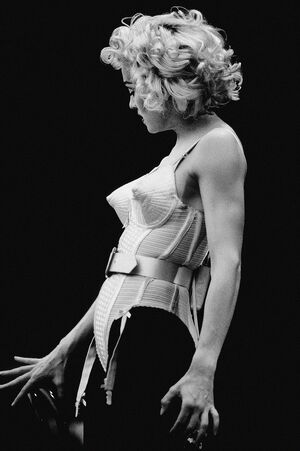
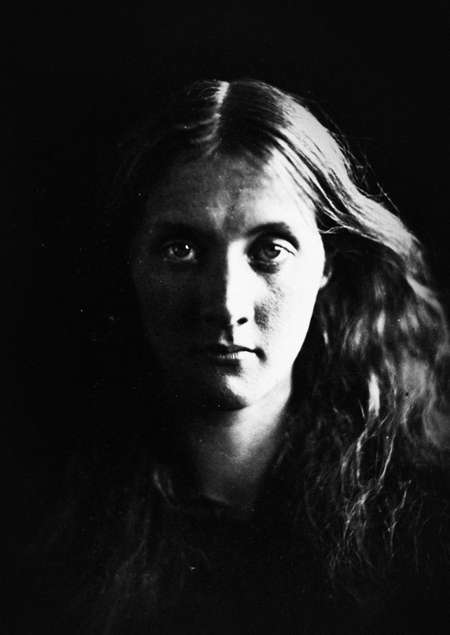
The female image has existed throughout art history not only as a method of representing a person but also as a reflection of cultural perceptions regarding female beauty, morality, social standing, and purpose. In different historical periods, femininity has been endowed with specific characteristics: fragility, innocence, sensuality, motherhood, mystery, or, conversely, independence and inner strength. These perceptions have been shaped by mythology, religion, literature, painting, and societal norms, and subsequently find reflection in photography.The choice of this topic stems from an interest in photography as a tool for forming visual stereotypes while simultaneously serving as a space for their reinterpretation. Photography is often perceived as a means of objective reality capture; however, the depiction of a woman is always linked to a specific authorial viewpoint, aesthetic preferences, and cultural context. Pose, gesture, clothing, lighting, composition, and even the direction of the gaze become means of creating a particular image of femininity.The period from the late 19th to the end of the 20th century proves particularly interesting. During this time, photography progressed from relatively early staged portraits, largely oriented toward pictorial canons, to experimental artistic practices where the woman becomes not only an object of depiction but also an independent subject capable of defining her own visual identity.This research will trace how perceptions of femininity have changed alongside the development of photographic technologies, artistic movements, and social relationships. A vital aspect will be comparing traditional imagery with new visual models that are gradually challenging conventional notions of female beauty and the role of women.
I. The Aesthetic Ideal of Femininity
At the turn of the 19th and 20th centuries, photography became one of the tools for shaping the aesthetic ideal of femininity. Concepts of what an attractive woman should be were disseminated through artistic portraits, fashion photography, and images of movie stars. These conceptions evolved alongside fashion, culture, and societal norms. If in the late 19th century the feminine image was often constructed based on painterly and literary ideals of beauty, in the 20th century, the magazine industry, cinema, and advertising increasingly influenced it.
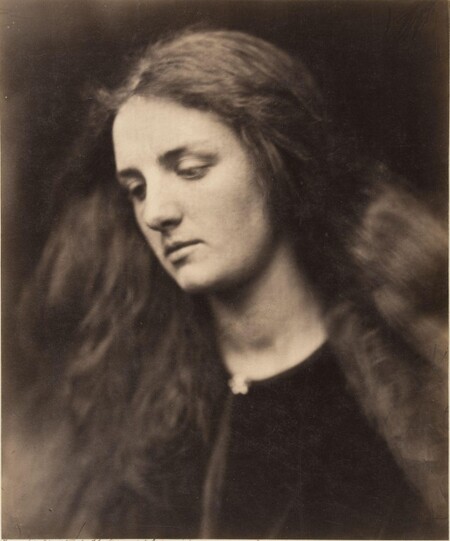
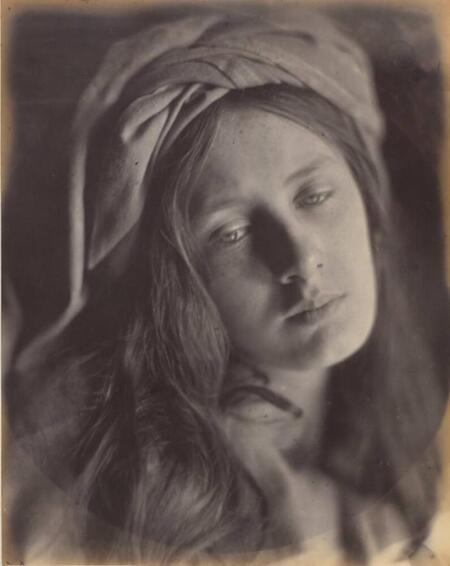
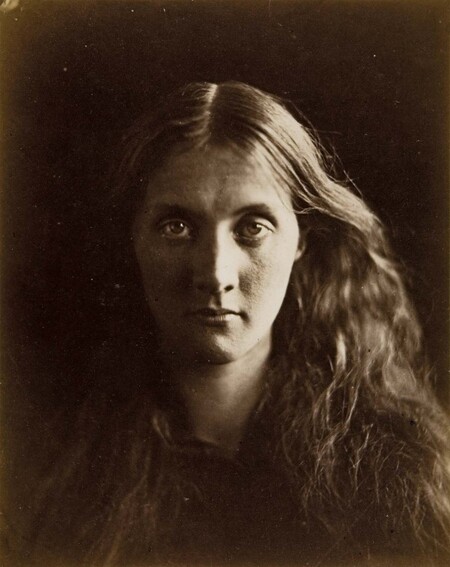
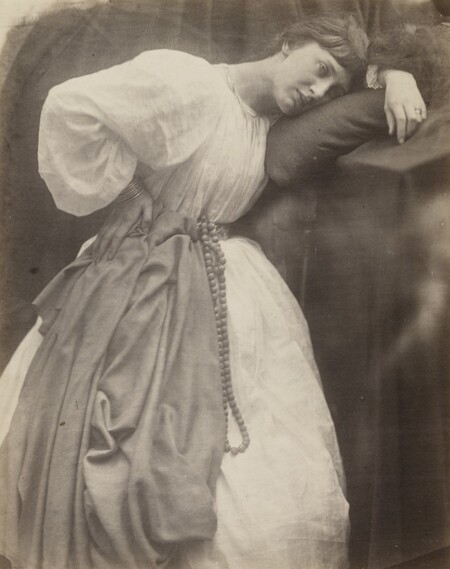
Julia Jackson, 1867 / Pre-Raphaelite Study, 1870
In Julia Margaret Cameron’s photographs, the female figure takes on the characteristics of an idealized artistic portrait. Rather than precisely reproducing physical appearance, the photographer strives to convey an inner state and create an impression of timeless beauty. The softness of the image, the diffused light, the classic draping of clothing, and the contemplative gaze reference the aesthetics of painting and classical notions of harmony. Cameron frequently drew upon literary, historical, and allegorical imagery, transforming her models into characters within an artistic world. Her work demonstrates that the photographic ideal of femininity could be constructed not only through external attractiveness but also through associations with spirituality, innocence, and loftiness.
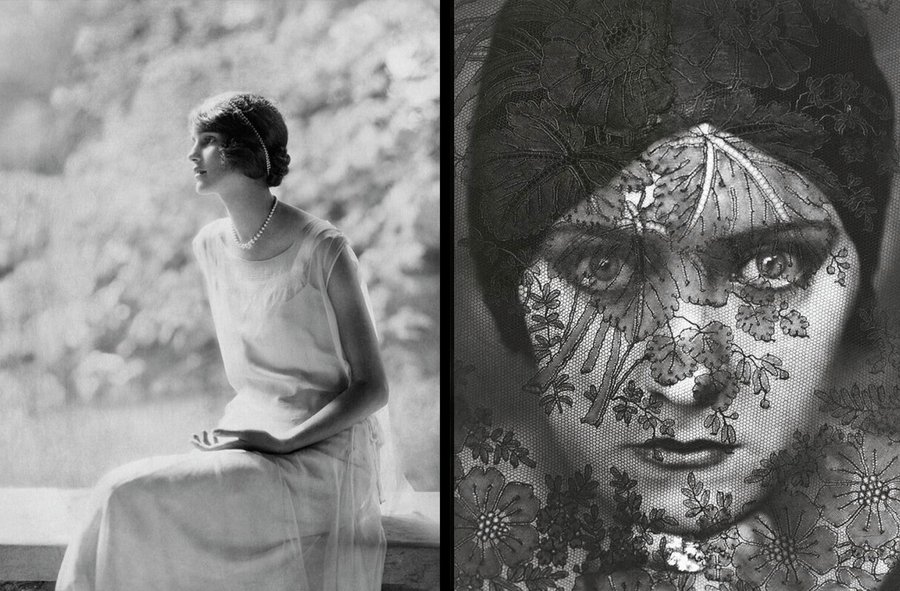
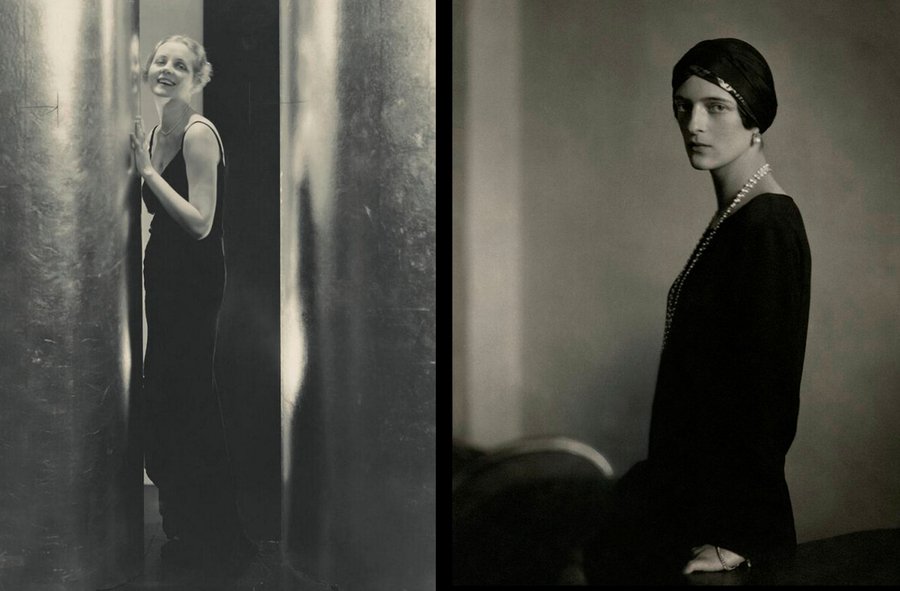
Evelyn Lay in Bitter-Sweet, 1930 / Princess Yusupov in a Turban, 1924 / Portrait of Laura Biddell, 1924 / Portrait of Gloria Swanson by the Lace, 1928.
At the beginning of the 20th century, photography increasingly interacted with the fashion industry. In 1911, photographer Edward Steichen created photographs of models wearing clothing by the French designer Paul Poiret. These were published in the magazine Art et Décoration and became a significant milestone in the development of artistic fashion photography. The feminine image in these works is constructed around silhouette, fabric, the line of the clothing, and model posing. Beauty is no longer presented merely as an inherent physical quality but as a result of the interaction between fashion, artistic conception, and visual presentation. The woman becomes the central figure of the image through which the aesthetics of the new age are demonstrated.
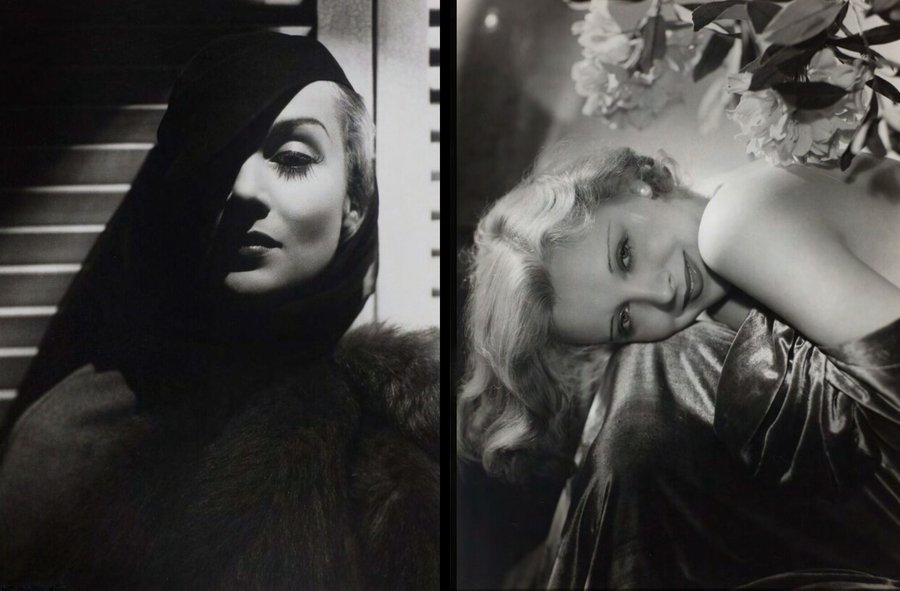
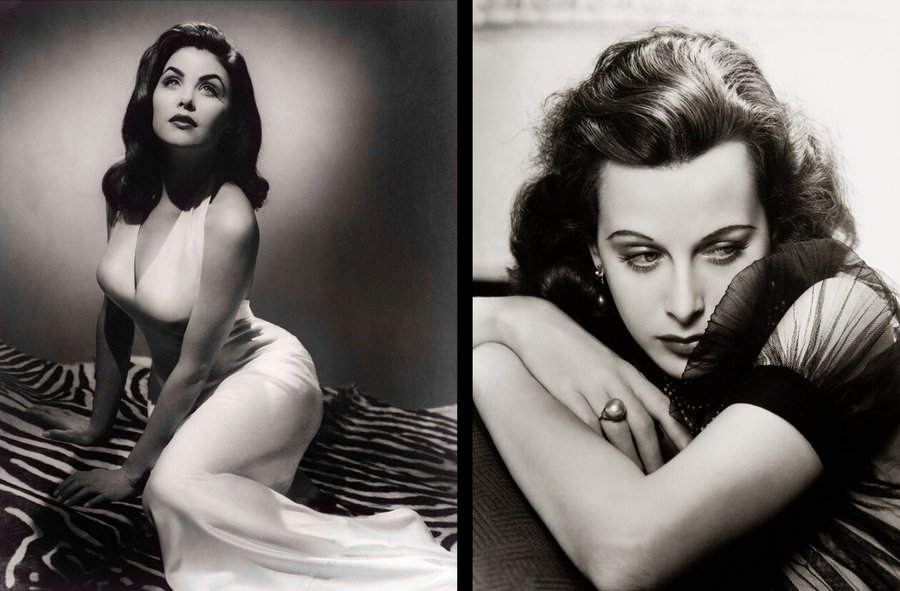
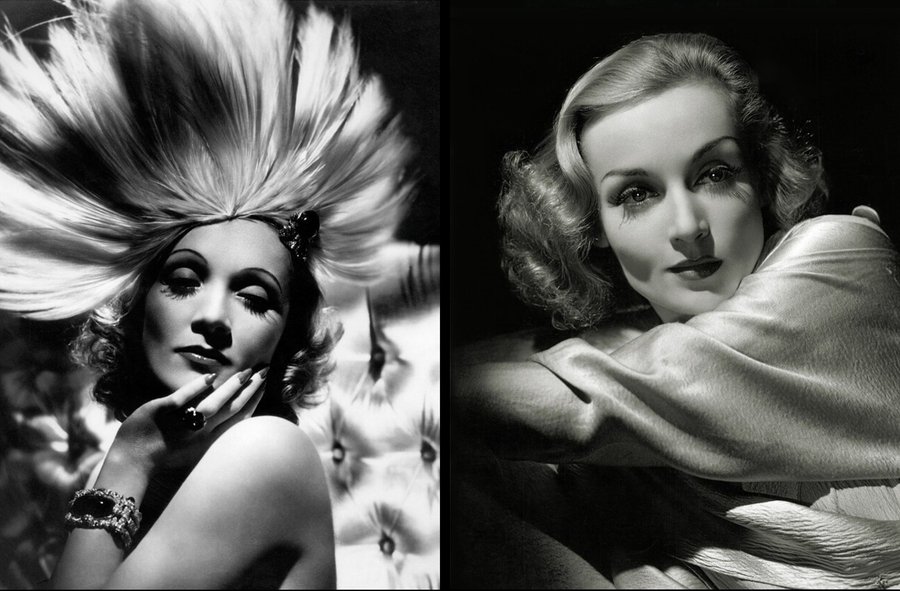
Sherilyn Fenn, 1992 / Heidi Lamar, 1938 / Marlene Dietrich, 1933 / Carol Lombard / Carol Lombard, 1936 / Virginia Bruce, 1940
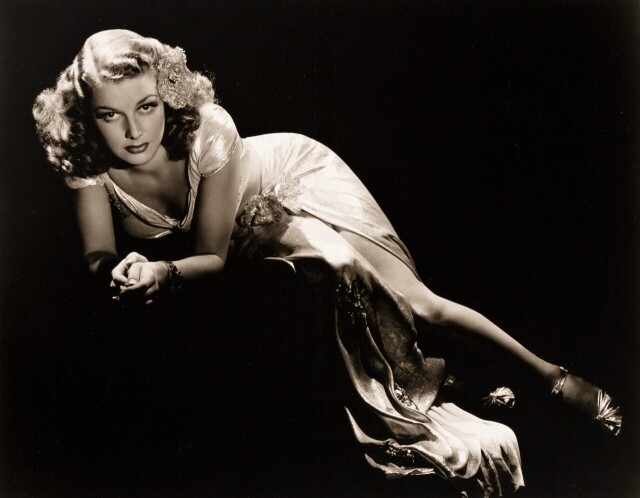
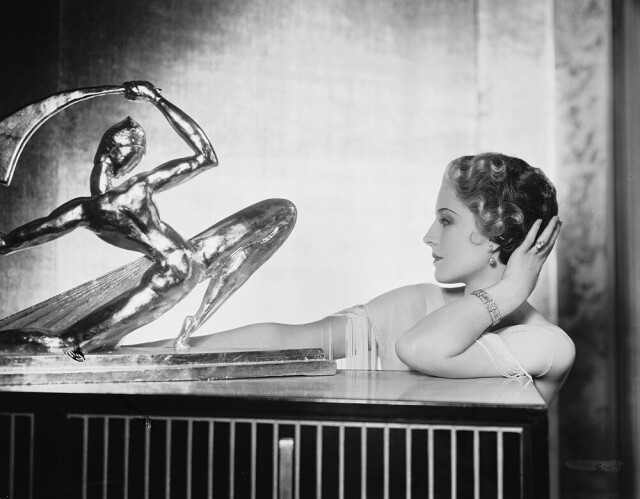
Anne Sheridan / Norma Shirer, 1932
In the 1930s, Hollywood cinema exerted a significant influence on perceptions of female attractiveness. Portraits of actresses created the image of a woman whose appearance was meticulously arranged for the camera: an expressive gaze, a deliberate pose, a hairstyle, makeup, and controlled lighting became integral parts of a unified visual aesthetic. Photographer George Hurrell, who worked with the Metro-Goldwyn-Mayer studio, played a crucial role in shaping the aesthetic of Hollywood glamour. His portraits did not merely capture the actresses' looks; they constructed a carefully staged image of a movie star. Such photographs were disseminated through press coverage and studio promotional materials, cementing the idea of beauty as a combination of flawless appearance, expressiveness, and theatrical impact.
Richard Avedon. Donna with two elephants in a Dior evening gown, Paris, August 1955.
In post-war fashion photography, the image of the elegant and confident woman holds a special place. In Richard Avedon’s work, the model Dovima poses in a Christian Dior evening gown against a backdrop of two elephants. The contrast between the model’s graceful figure and the massive animals—as well as between the delicate fabric of the dress and the texture of the elephants' skin—makes the photograph a striking, staged composition. Femininity is conveyed here through posture, movement, and the body’s plasticity. Yet, the model does not appear as a passive element of fashion advertising; she commands the central focus and defines the visual balance of the frame. The photograph has become one of the renowned examples of post-war fashion shoots where the display of clothing merges with a distinct artistic persona.
II. The Feminine Image in the Context of Nature
III. Embodiment and the Visual Representation of Women
The female body has long been one of the most frequent subjects in fine art photography throughout history. However, the ways in which it has been represented varied significantly depending on the era, the prevailing aesthetic tenets, and the artist’s intention. In some photographs, the female figure appears as the embodiment of harmony and the classical ideal of beauty; in others, the focus is placed on her plasticity, naturalness, movement, or specific fragments. Gradually, photography began to push the boundaries of conventional depiction of the female body, proposing ever more novel ways to visually interpret it.
In the late 19th and early 20th centuries, the photographic depiction of female physicality largely relied on the traditions of painting and academic art. Photographers referenced classical poses, staged compositions, and soft lighting, striving to make the image resemble a painted work. The female figure frequently appeared in an idealized form—portrayed through fluid lines, proportionality, and harmony. Furthermore, nude photography existed not only within artistic circles but also in commercial culture and was utilized as teaching material for artists. Researcher Raisa Ada Rexer, in her book The Fallen Veil: A Literary and Cultural History of the Photographic Nude in Nineteenth-Century France, examines the diverse cultural contexts surrounding the circulation of such images and demonstrates how heterogeneous the perception of the photographic nude was in the 19th century.[1]
In the early 20th century, conceptions of female beauty found new expression through the development of modernist photography. Artists increasingly moved away from traditional staging, experimenting with angles and lighting, employing close-ups, and using unconventional framing. The female body ceased to be perceived solely as a unified figure: photographers began focusing on its individual parts, exploring curves, lines, and the relationship of volumes. This led to images where physicality merged with abstract composition, establishing itself as an independent artistic medium of expression. A museum study, The Nude in Photography, notes that modernist photographers actively leveraged the specific capabilities of the camera—the precision of form transfer, contrast, and perspective—to create a new visual language.[2]
One example of this approach is Edward Weston’s photograph Nude (1927). In this work, the female figure is presented in fragments: the model’s face remains outside the frame, and the focus is placed on the form and plasticity of the body. This departure from traditional portraiture alters the way the model is perceived—individual features yield to a composition built on curves, volumes, and tonal transitions. Researcher Laura Christine Barton, in her work Interdependent Parts of the Whole: Edward Weston’s Studio Nudes and Still Lifes, 1925–1933, examines the connection between Weston’s nudes and his still lifes, noting the author’s interest in the formal qualities of the human body and natural objects.[3]
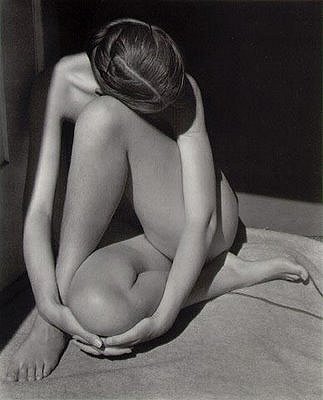
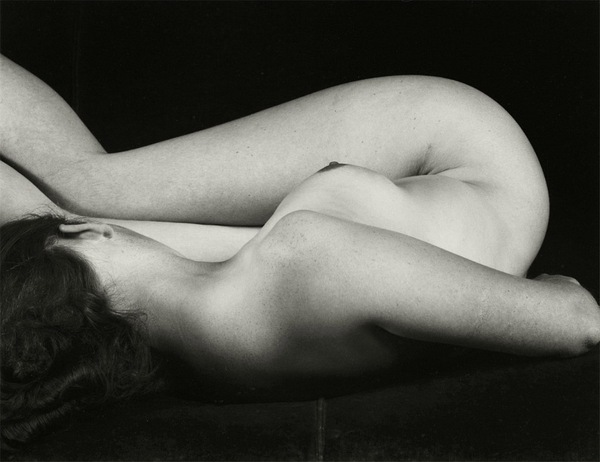
Nude, 1939 / Nude, 1934
Another representation of the female body is found in the work of Imogen Cunningham. Her photograph Triangles (1928) demonstrates an interest in the geometry of the human figure and the expressiveness of individual forms. The body is shown in close-up, devoid of a face or familiar portrait context. The composition is built upon the interplay of lines and areas of light and shadow, lending the image an almost abstract quality. Yet, the figure retains its recognizability, and the photograph’s focus on its plasticity allows the female body to be viewed from an unconventional perspective. Cunningham’s work reflects the modernist photographic search for new modes of representation, where form and composition acquire special significance. [4]
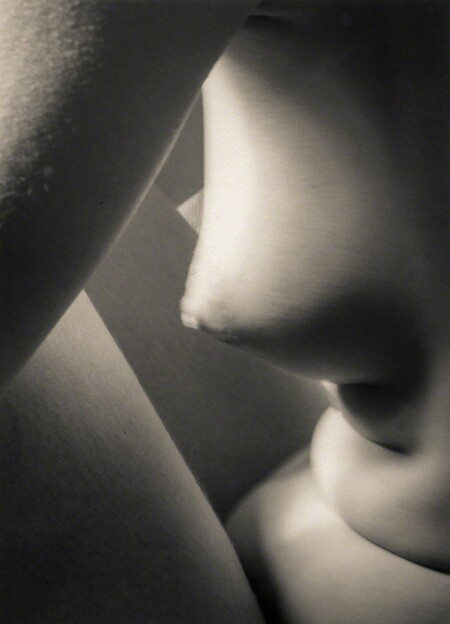
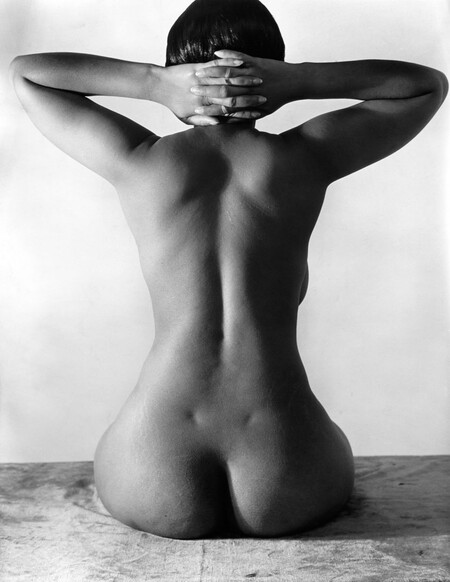
Triangles, 1928 / Nude, 1939
Irving Penn
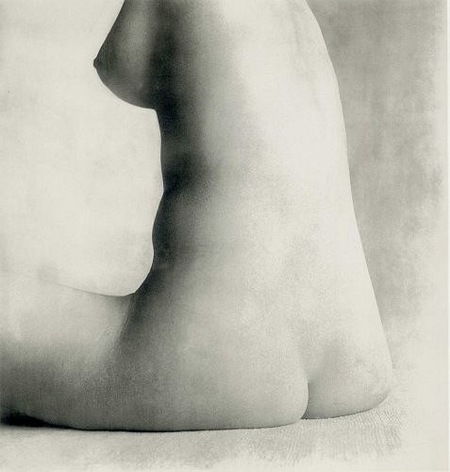
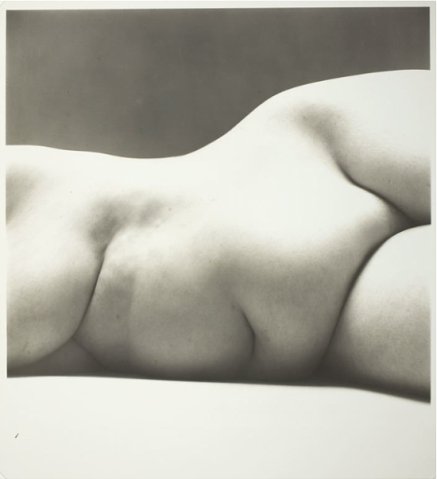
— // Unexpected beauty — Penn’s «Nude No. 100.»
Erwin Blumenfeld
IV. The Feminine Image in Historical and Social Context
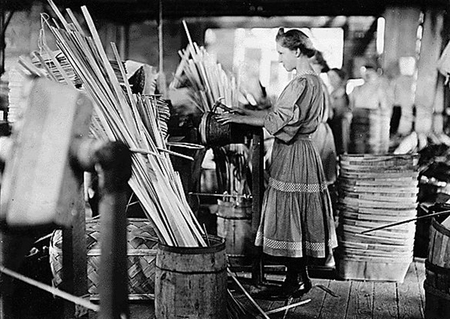
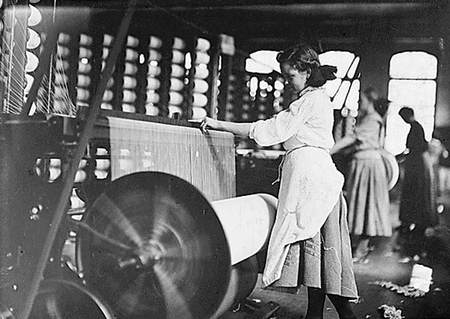
In the history of 20th-century documentary photography, the female image has repeatedly become a subject in discussions about social relationships, economic conditions, and cultural shifts. Photographers depicted women across various ages and social strata, presenting them in settings such as factories, agricultural labor, family life, public institutions, and national communities. Such images allow us to explore not only a woman’s position within a specific historical period but also the ways in which photography shaped perceptions of social groups.
One of the early instances of addressing the social conditions of female labor was the work of American photographer Lewis Hine. In the early 20th century, he collaborated with the National Child Labor Committee of the United States, documenting the employment of children in industrial settings and other areas. His photographs were used in public campaigns against the exploitation of child labor. The National Archives of the United States notes that the committee collected testimonials regarding the working conditions of minors and organized exhibitions in which the photographs were accompanied by statistical data [1]. Researcher Robert Macieski, in his book Picturing Class: Lewis W. Hine Photographs Child Labor in New England (2015), examines Hine’s photographic work as part of the reform movement and highlights the connection between his images and the committee’s public activism [2]. JSTOR+1Hine’s photograph Girls at Weaving Machines, Evansville, Indiana (1908) pertains to this topic, capturing young women at weaving looms. In the Library of Congress’s archival collection, this work belongs to materials dedicated to child labor in American factories [3]. The image records the presence of girls in industrial production and documents their working conditions. In this case, the female image is linked to early age, factory work, and the social consequences of industrialization. Furthermore, Kyubi Oenone’s study on Hine’s photographs demonstrates that documentary depictions of child labor held more than just informational value: their content and public reception were also influenced by captions, publication methods, and the context of use [4].