Navigation Menu
Concept Portraits Movement and Stasis Penne Space and Avedon Space Conclusion
Concept
Irving Penn and Richard Avedon are two seminal figures in the history of 20th-century fashion photography. Both shaped the visual lexicon of glossy magazines, worked for Vogue, and began their professional careers in the mid-1940s. Yet, despite shooting in the same era, following similar professional paths, and even training in the same milieu, their photography is perceived in vastly different ways. This very contrast became the starting point of my research. I illustrate how an individual’s character and inner world influence their work.
I conduct a comparative analysis of their images through an in-depth study of their personalities. They lived at the same time, photographed the same subjects, and undertook similar tasks, yet each created a unique atmosphere on set—an atmosphere that reflects their inner self and is clearly discernible in their work. Their individual artistic vision can be seen through the emotions of the subjects, their poses, details, rhythm, light, and background. Thus, I demonstrate how a person’s qualities, life experiences, and character shape their unique signature, which runs through their body of work.
Irving Penn was a reserved individual who was reluctant to open up to others. This is one reason why so little information about him exists. Penn rarely gave interviews, and even when he was persuaded to, he revealed nothing about his personal life. His introversion and focus directly influenced the atmosphere of the photoshoot. Consequently, models photographed by Penn appear restrained, slightly tense, as if they struggle to fully relax. His portraits evoke a sense of internal composure and quietude, where genuine emotion seems carefully concealed.
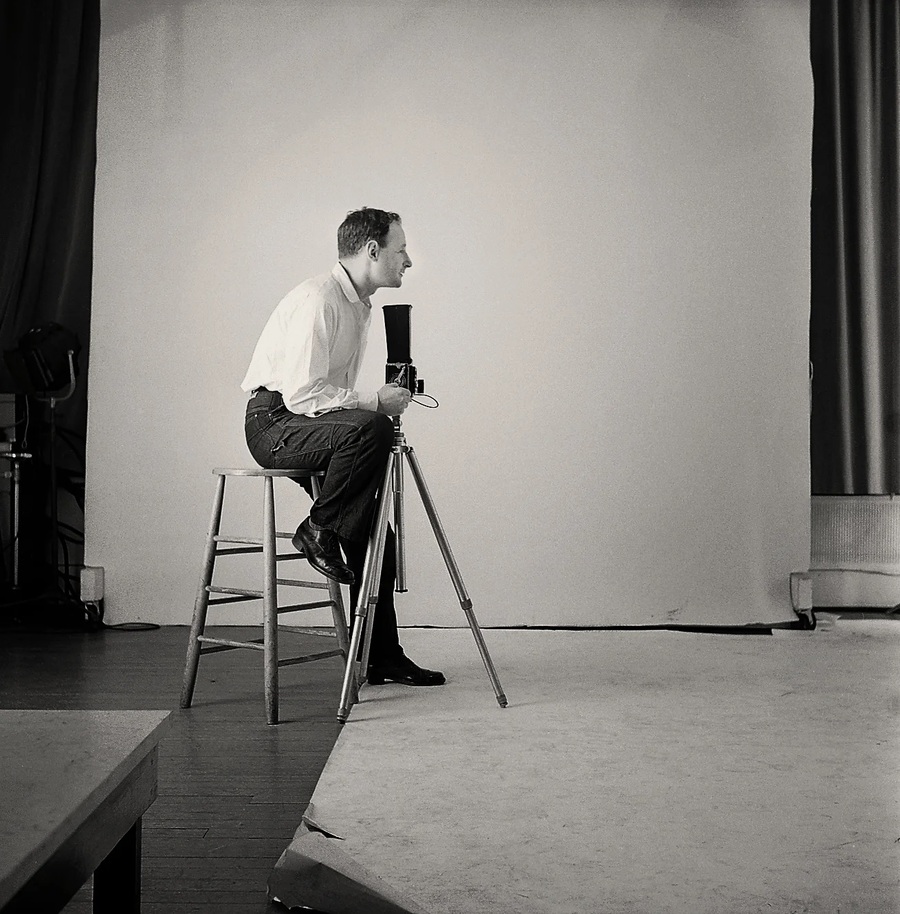
Irving Penn in his studio at 80 West 40th Street, New York, 1954. Photographer Robert Frazon.
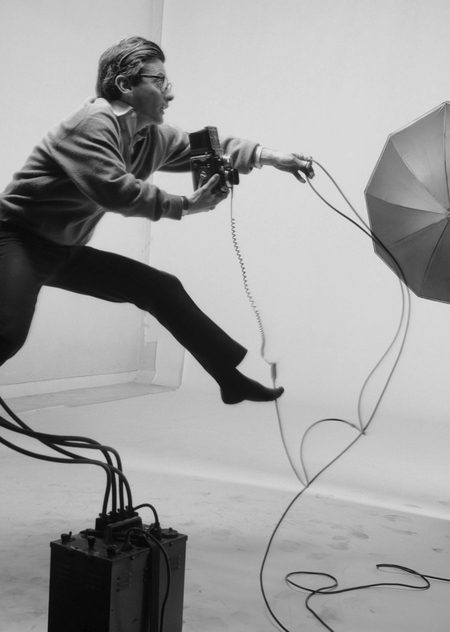
Richard Avedon, conversely, was energetic, vibrant, and outgoing. He aimed to move the model out of a fixed pose and into movement, laughter, and unexpected emotional expression. This didn’t necessarily have to be joy; he gave models the space to express themselves and relax in the frame. In his portraits, he didn’t force models to smile; rather, he used his photographs to convey their experiences and emotions. Avedon didn’t just take pictures of people—he interacted with them.
Richard Avedon, New York, 1966. Photographer Jacques Henri Lauric
What particularly interested me was that both photographers operated within the same cultural milieu. Both faced the challenge of forging a new visual language for fashion photography in the post-war period, when the glossy aesthetic was just beginning to take shape. Yet, against the backdrop of numerous biographical similarities, the contrast between their artistic worlds appears especially stark.
This leads to the research hypothesis: in fashion photography, the visual image is determined not only by the era, trend, or editorial brief, but also by the photographer’s individual temperament. The author’s personality is something invisible in the frame, but it is precisely what dictates the pause, the gesture, the gaze, and the image’s dynamics.
I have divided the research material into several thematic blocks:
- Portraits 1.1. The Woman in Penn’s/Avedon’s Portrait
- Movement and Stillness
- Penn’s Space vs. Avedon’s Space
In each section, I compare specific pairs of works to illustrate differences in perspective, gesture, space, and energy, or I display several works by one photographer to convey the overall feeling of their imagery.
The research aims to demonstrate that in fashion photography, the model never exists in isolation. Her image is always the result of an encounter. Using the work of Irving Penn and Richard Avedon as examples, I show that fashion photography is not merely about clothing, style, or era, but also about the dialogue between the photographer’s inner world and the model’s personality.
Portraits
I decided to begin my research with the most accessible and universal genre—portraiture. The portrait has always remained one of the most enduring forms in photography: it features a person, a gaze, an expression—something that doesn’t require elaborate sets or convoluted narratives. It is in portraiture, where all focus is directed solely at the model, that both the character of the subject and the character of the photographer become especially clear.
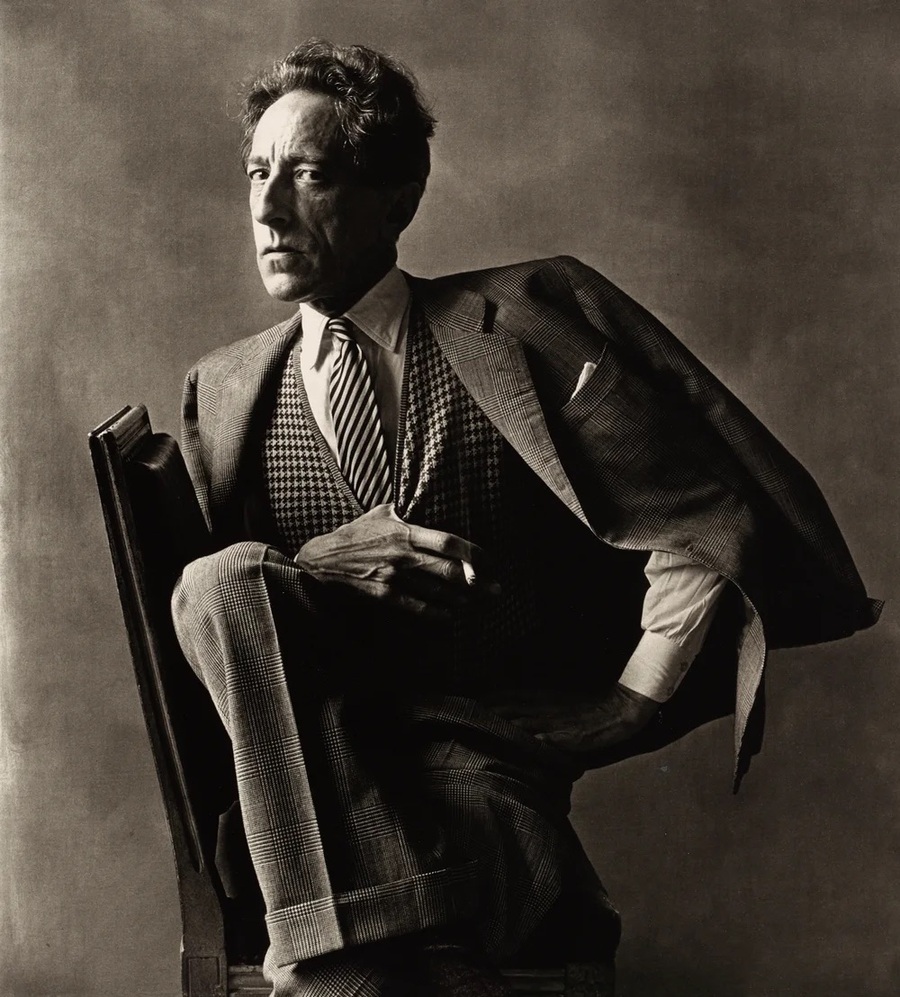
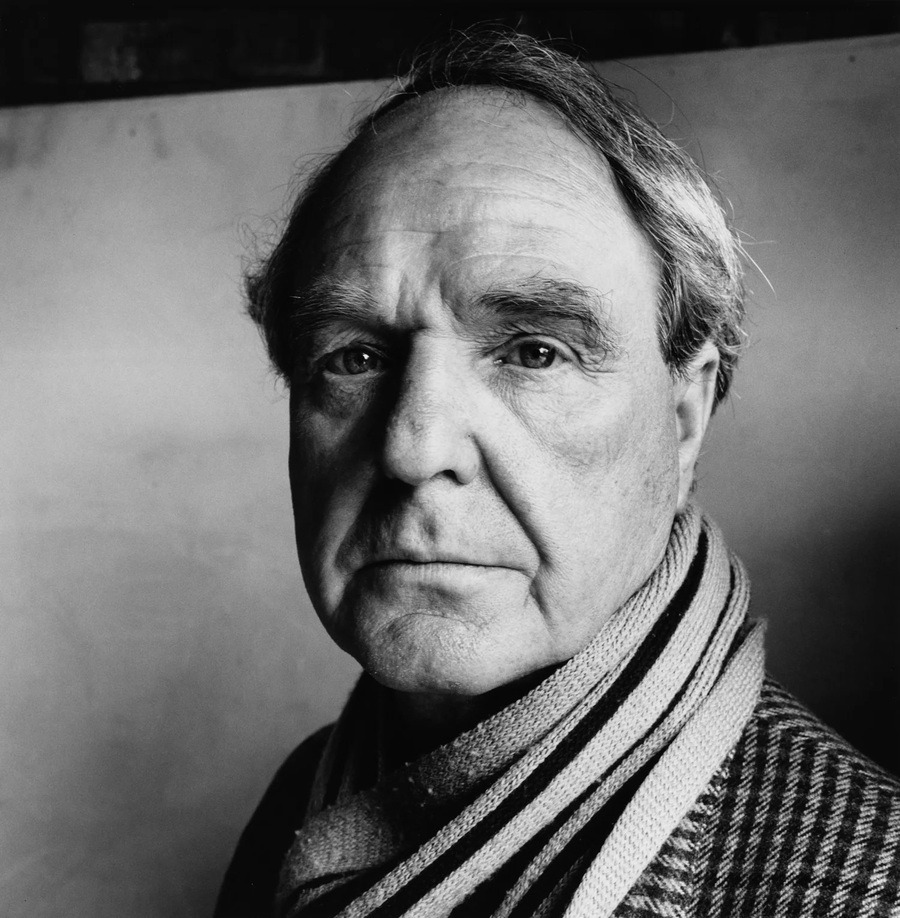
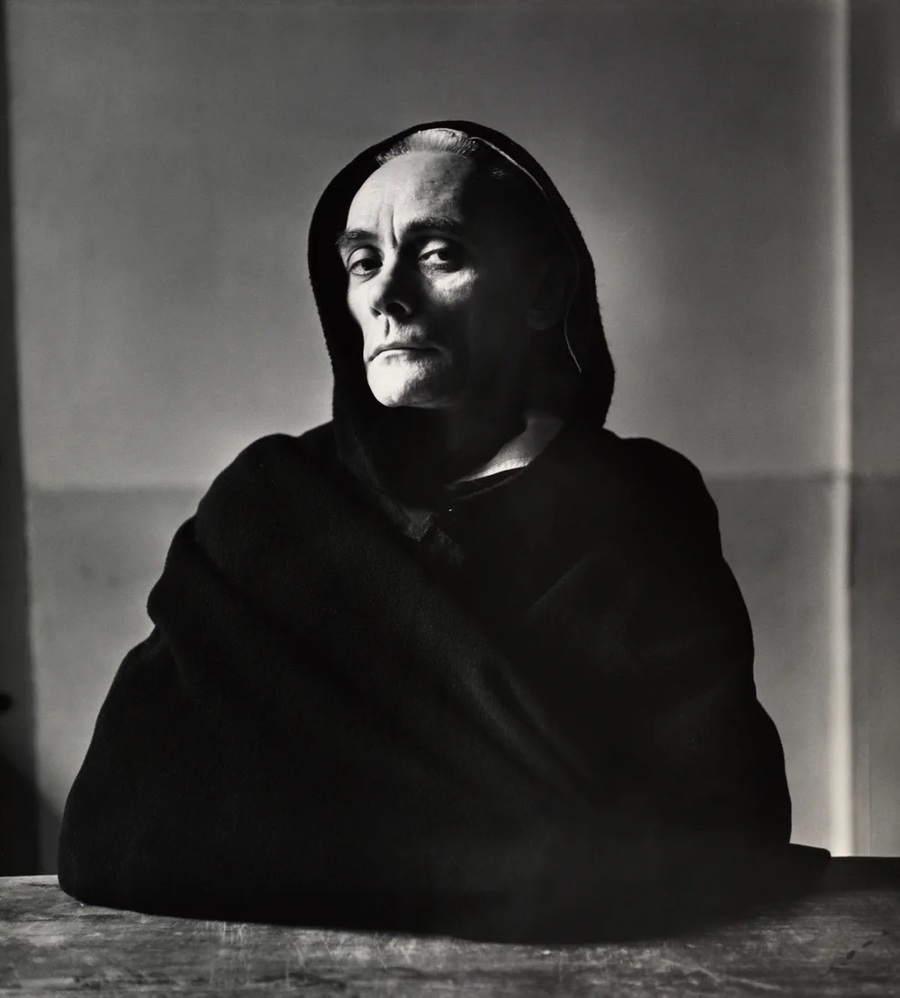
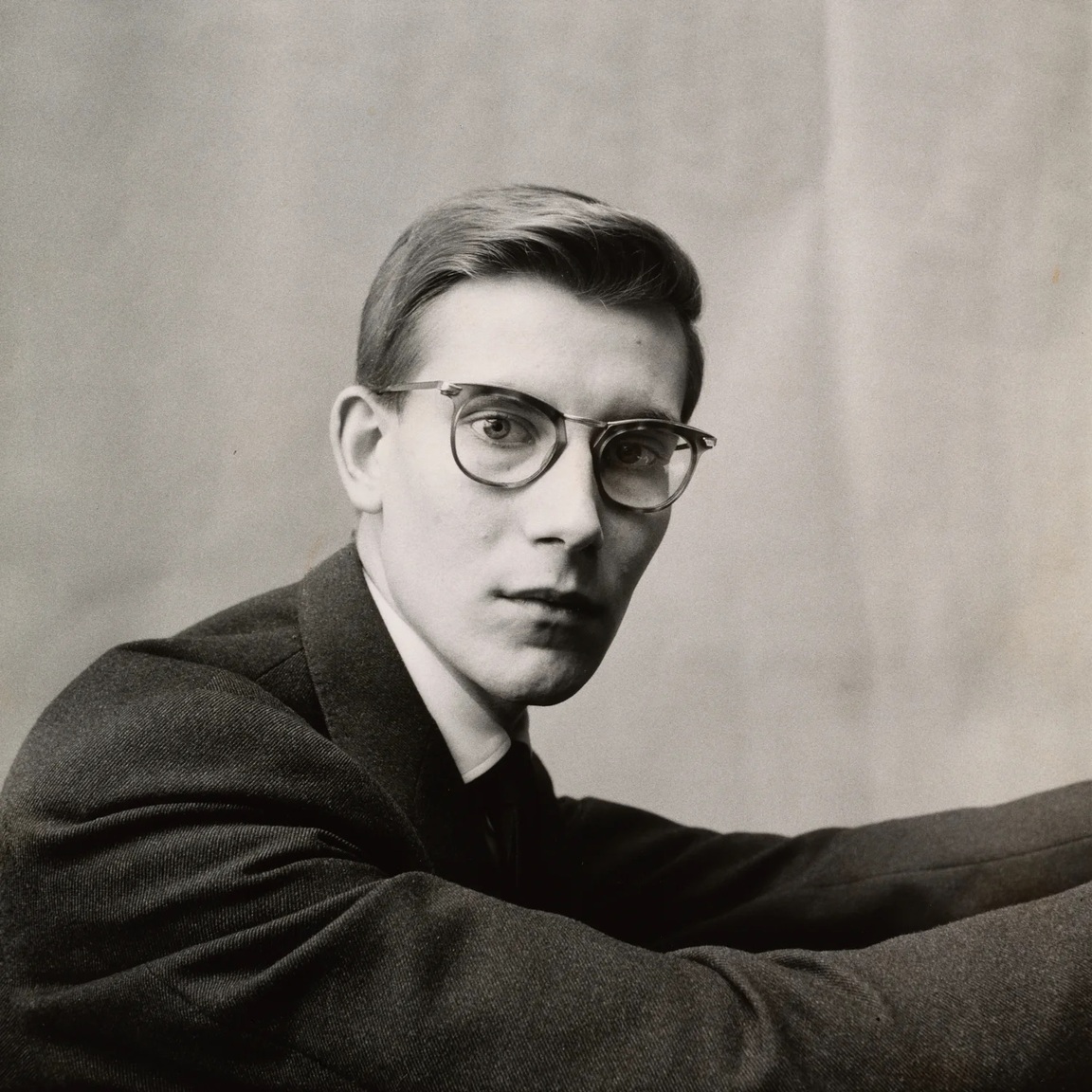
Henry Moore, Mac-Hadden, England, 1962. Pierre Couturier, Paris, 1948. Yves Saint Laurent, Paris, 1957. Jean Cocteau, Paris, 1948. Photographer Irving Penn.
Irving Penn and Richard Avedon approached portraiture in vastly different ways. Penn’s subjects often appear composed, restrained. His portraits are built on reserve and internal stillness—as if the figures in the frame were forbidden from relaxing.
Avedon’s portraits, conversely, thrive on movement, naturalness, and openness. He engaged, provoked, and pushed his subjects toward a gesture or an emotion—not necessarily a joyful one, but an authentic one. His models look free and «alive» in the frame.
It is this initial visual confrontation—Penn’s statis vs. Avedon’s emotionality—that serves as the starting point for a further comparison of their work.
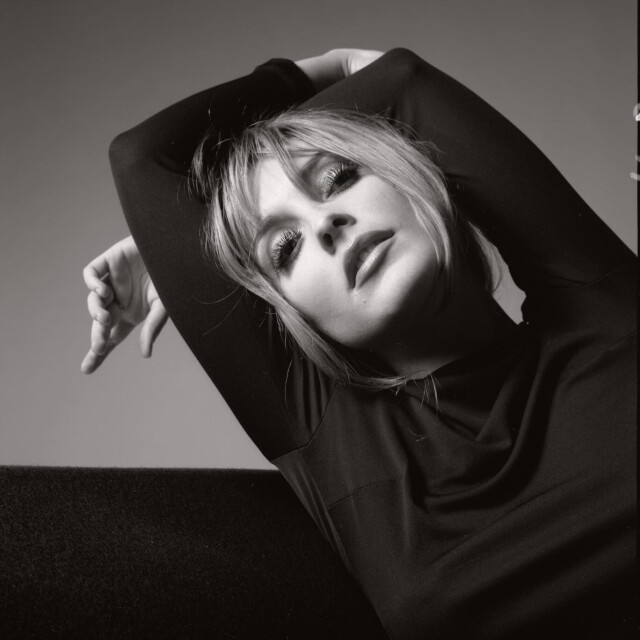
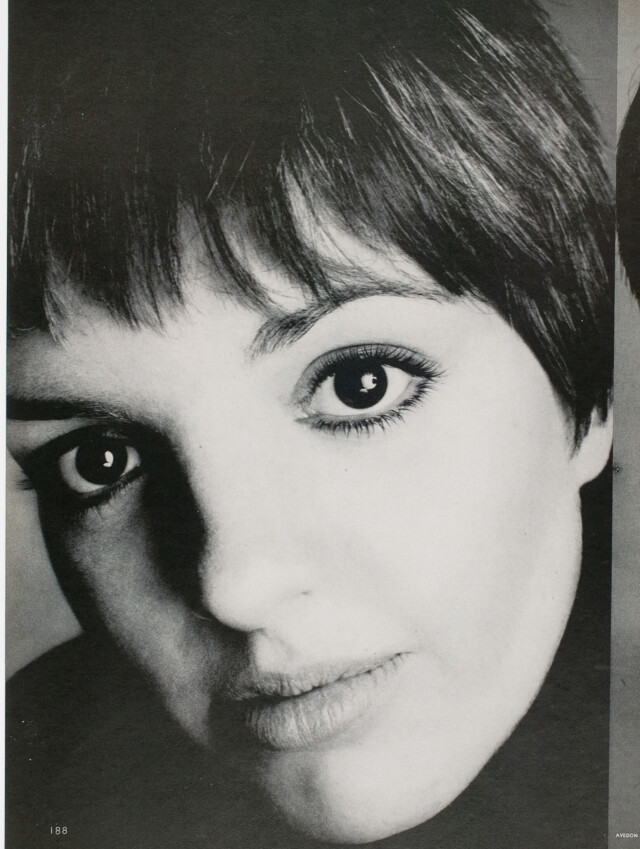
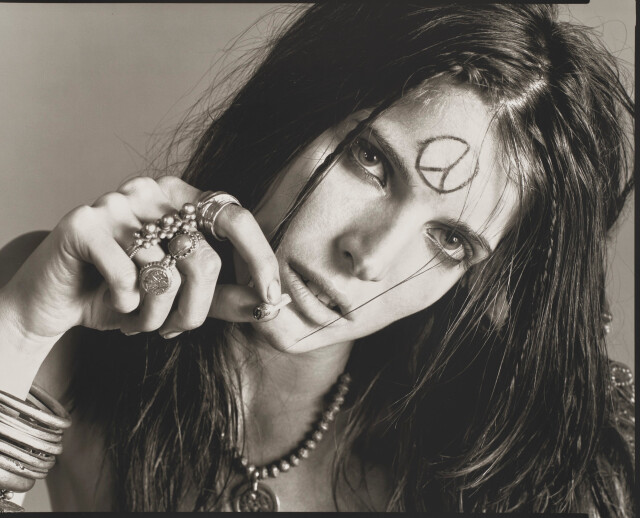
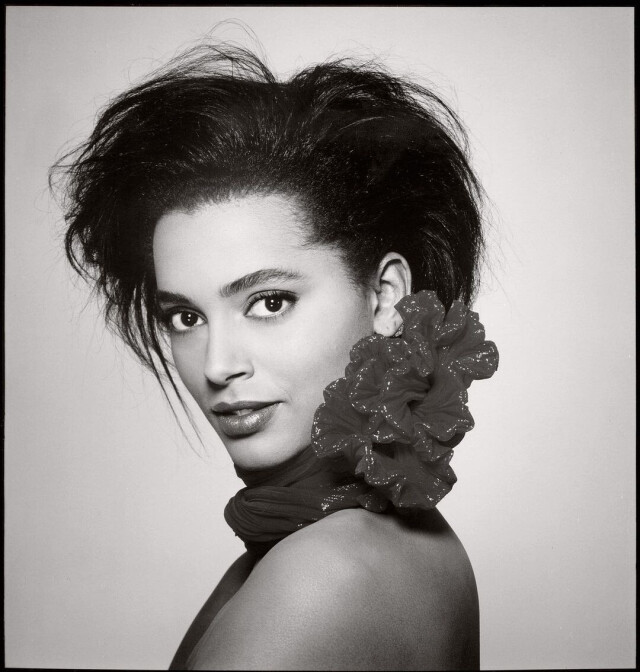
Laiza Minelli, 1968 Stephanie Seymour, 1996 Louisa Vient, 1986 Sharon Tate, 1966 Photographer Richard Avedon
This difference in emotional state is particularly evident when comparing portraits of the same individuals taken by different photographers.
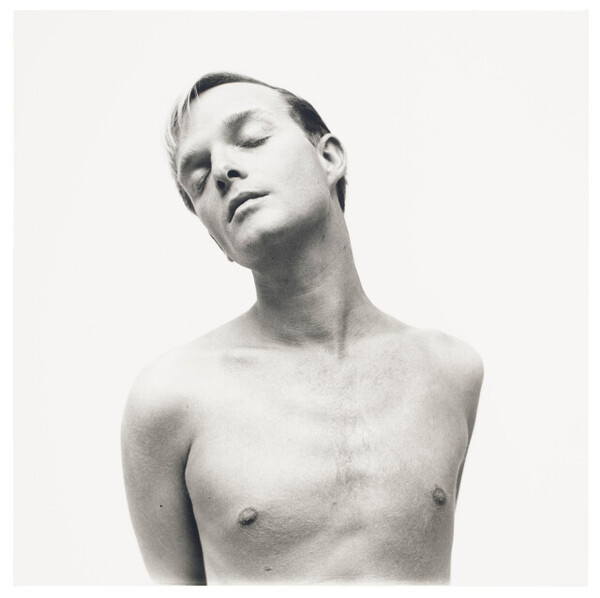
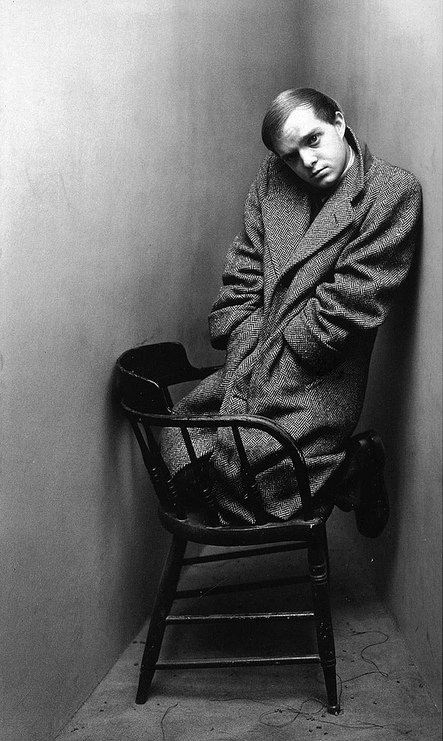
Truman Capote, New York, 1955. Photographer Richard Avedon Truman Capote, New York, 1948. Photographer Irving Penn
The example featuring Truman Capote offers a striking contrast. In Avédon’s work, he appears soft and vulnerable—able to close his eyes, relax, and exhibit fragility. In Penn’s work, however, Capote is cornered, restrained, and tense—struggling to relax. This difference clearly demonstrates how the photographer’s character influences the atmosphere of the shot.
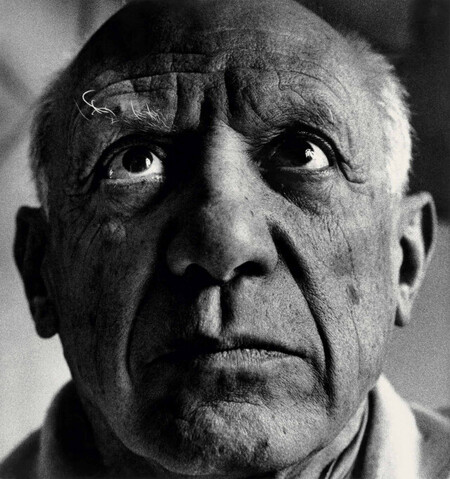
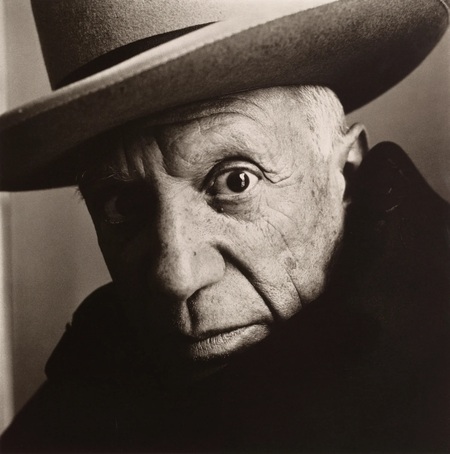
Pablo Picasso, April 1958. Photographer Richard Avedon Pablo Picasso, Cannes, 1957. Photographer Irving Penn
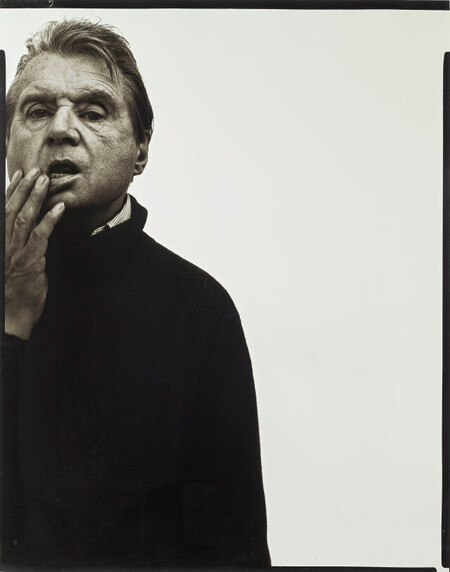
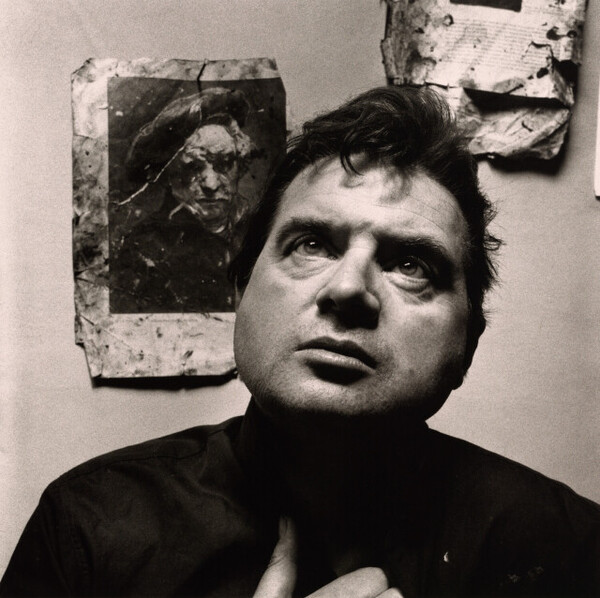
Francis Bacon, Paris, 1979. Photograph by Richard Avedon. Francis Bacon, London, 1962. Photograph by Irving Penn.
The portrait of Francis Bacon by Avedon depicts him as real and vulnerable, with a sincere expression of anxiety, preoccupation, or contemplation—as if he has just learned something significant. In the Penn photograph, Bacon appears constrained: the camera is close, the gaze is directed upward, and the posture is tense. His emotions are masked—one sees more wariness and slight fear than genuine feeling.
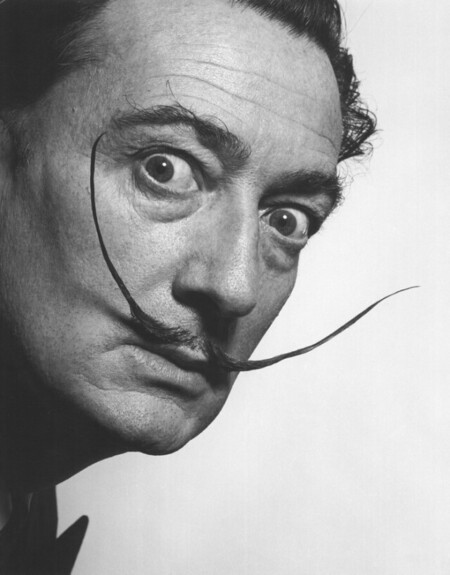
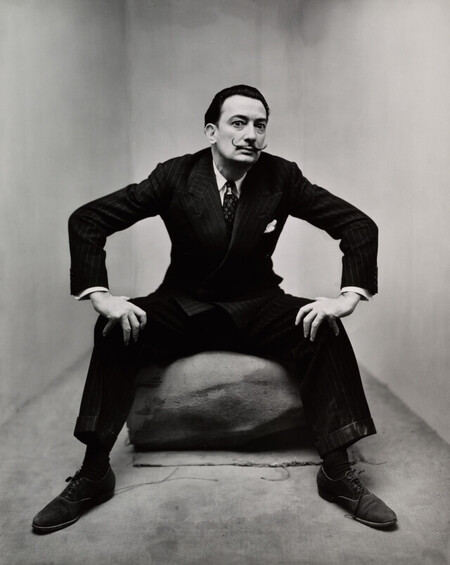
Salvador Dalí. Photograph by Richard Avedon Salvador Dalí, New York, 1947. Photograph by Irving Penn
Charlie Chaplin leaves America, New York, September 13, 1952. Photographer Richard Avedon
In the portrait of Charlie Chaplin, taken by Richard Avendon, we see him completely different—lively, playful, and mischievous, much unlike how we are accustomed to seeing the famous actor. Avendon cultivates an atmosphere of complete trust and comfort, which allows the subject to open up and reveal unexpected facets of his personality. This photographer’s unique ability—to make a person feel at ease in front of the lens—allows us to view Chaplin from another perspective, not just as a star, but as a vibrant, authentic individual.
Woman in the Avedon/Penn portrait
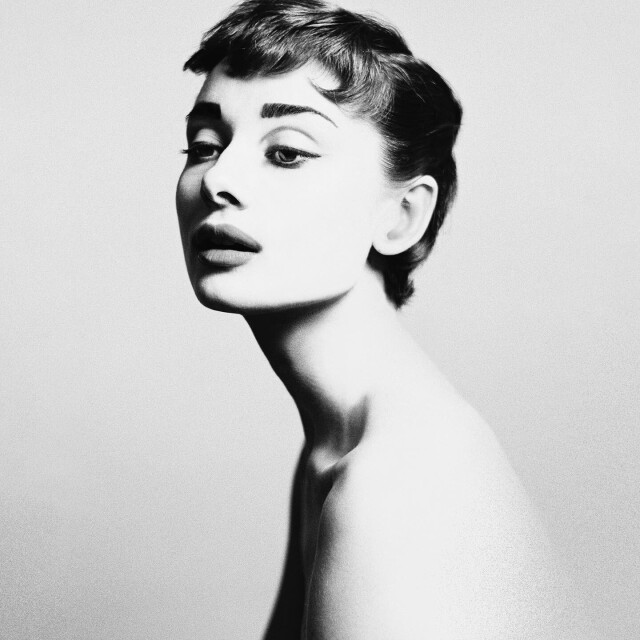
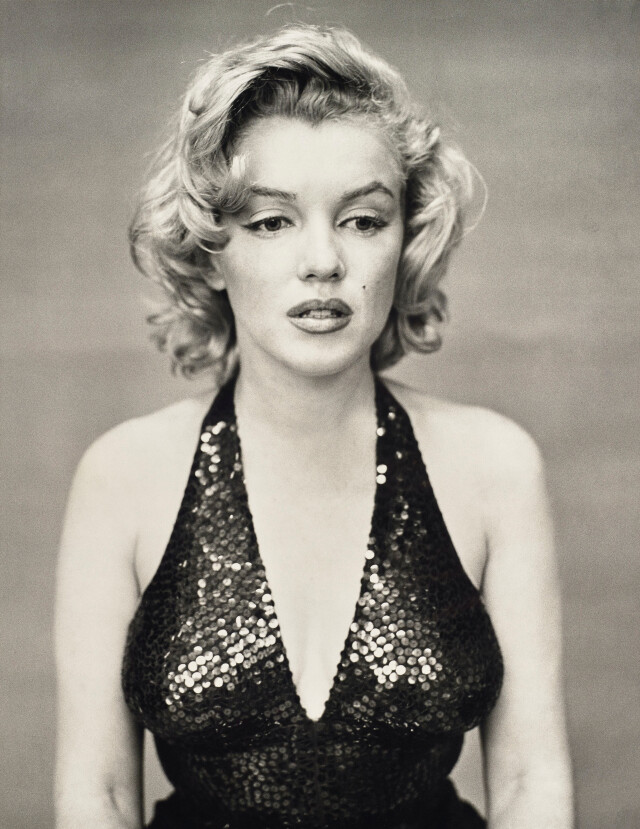
Marilyn Monroe, actress, New York, May 6, 1957. Photographer Richard Avedon Audrey Hepburn, New York, December 18, 1953. Photographer Richard Avedon
In Avedon’s photographs, Marilyn Monroe appears vulnerable and contemplative—far removed from the carefree glamour we usually associate with her. Her fragility and genuine emotional experience are palpable through the lens. In a similar manner, Avedon portrays Audrey Hepburn as gentle and sensitive, possessing true emotional depth. It is especially evident here how the photographer’s connection with the model helps her relax and reveal her authentic self.
Pen’s Sofia Loren remains firmly in the role of an actress. In his portrait, she appears constrained and tense, with a fearful gaze characteristic of his angular studio shots. He does not interact with the model during the shoot, so the models do not feel comfortable and remain in a state of similar tension. This contrast between the photographers becomes particularly noticeable: Avedon unearths the person’s identity, while Pen captures the external image and restraint.
Sophia Loren, New York, 1959. Photograph by Irving Penn
Marlene Dietrich, New York, November 3, 1948. Photograph by Irving Penn
Motion and Static
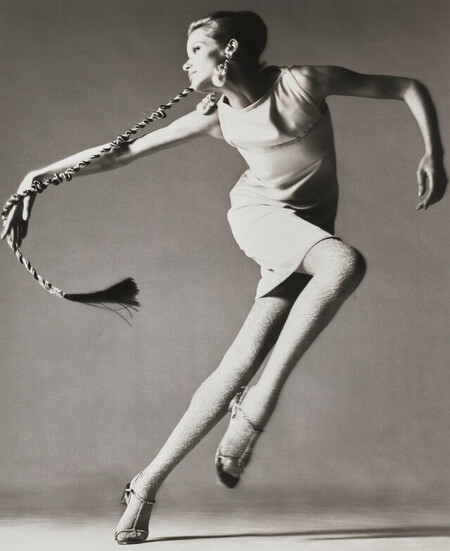
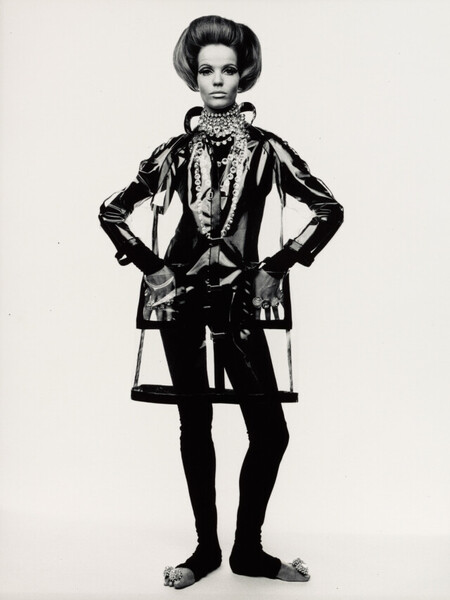
Verushka, Kimberly dress, New York Studio, January 1967. Photographer Richard Avedon Transparent cloak (Verushka), New York, 1965. Photographer Irving Penn