Project Concept
SIGNAL FLORA — a project at the intersection of botanical illustration and visual language for information transfer. It is founded on the resemblance between plant structures and wires: thin stems, branching, and intertwining patterns recall a system of signal conductors. Using a neural network trained on archival botanical illustrations, a series of fictional plants is created, in which natural forms acquire technological associations. The project explores the connection between the organic and the artificial through their shared visual language.
Source images for training
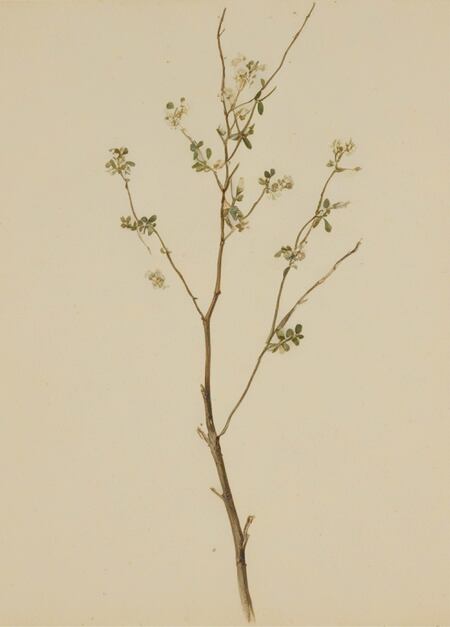
— 10 historical botanical watercolors by artist Mary Vaux Walcott from the Smithsonian American Art Museum collection.— All images are selected from the Smithsonian Open Access program and hold a CC0 (Creative Commons Zero) status, permitting free use, copying, and modification of the materials, including in educational projects and for training neural networks.— A link to the original in the museum collection and a screenshot confirming the rights are saved for each image.— Additionally, 2 illustrations by Pierre-Joseph Redouté from The Metropolitan Museum of Art collection (Public Domain) were used solely as visual references, without inclusion in the training dataset. Dataset Preparation: The 10 images were resized to a square format of 1024 × 1024 px while preserving the original compositions.
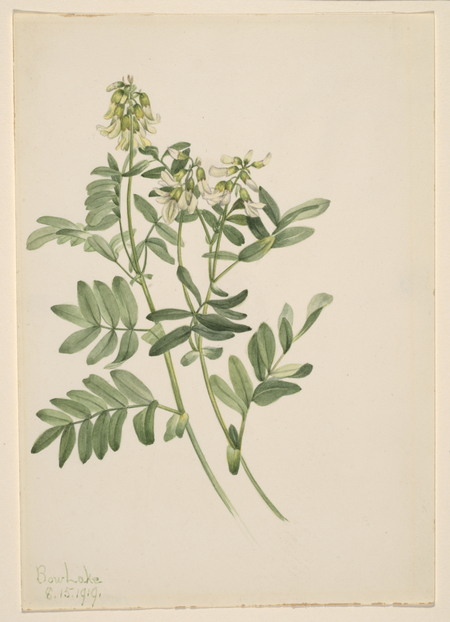
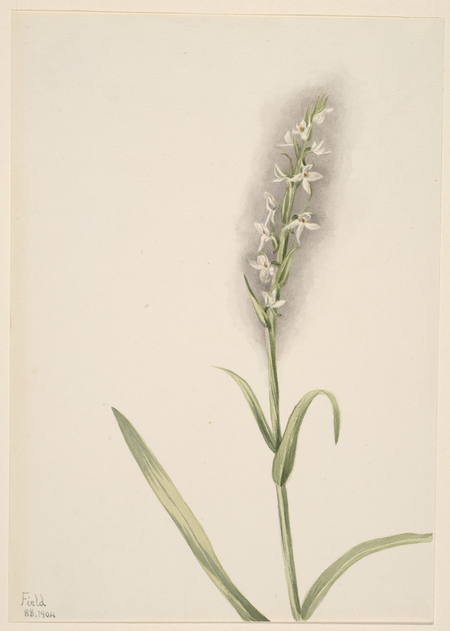
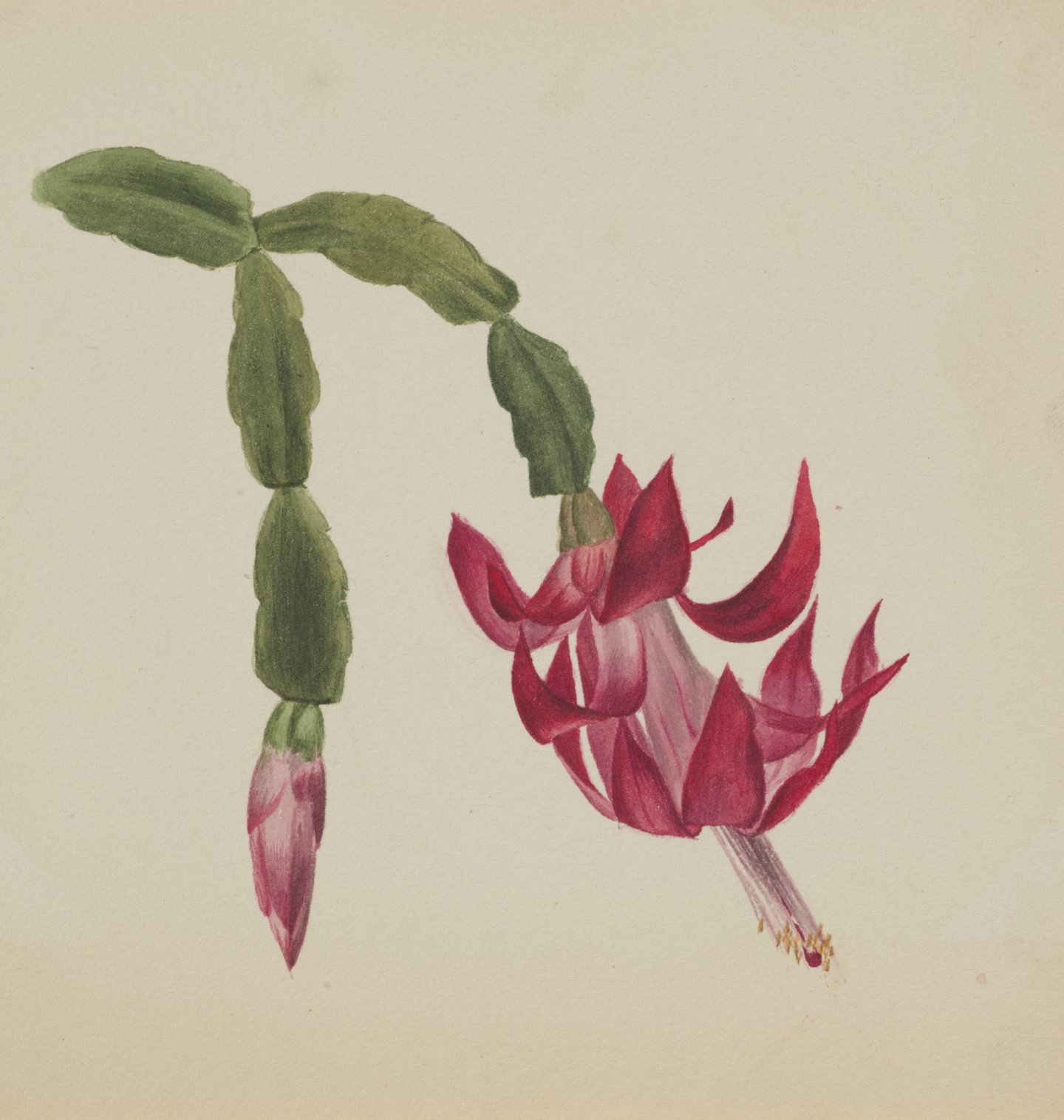
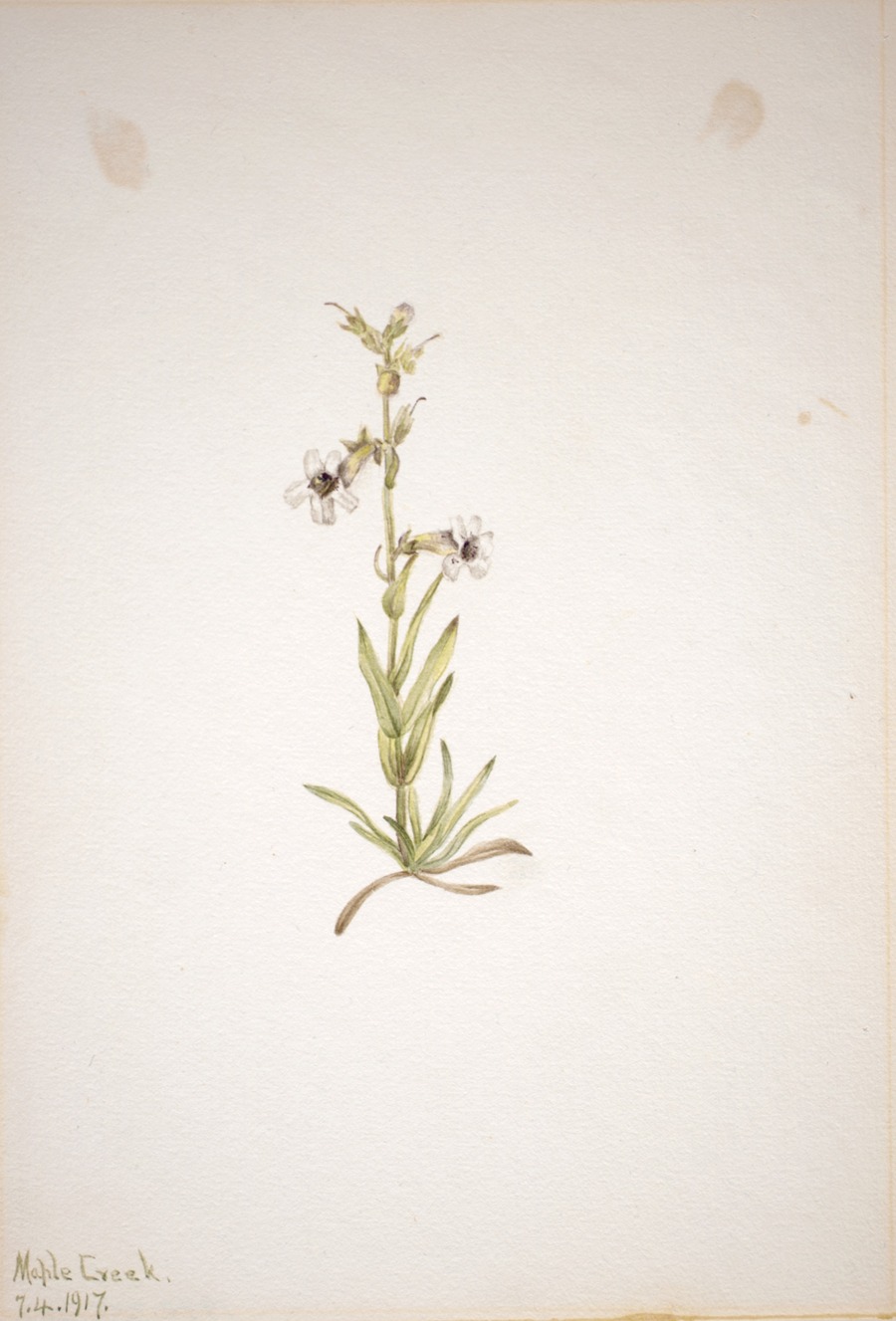
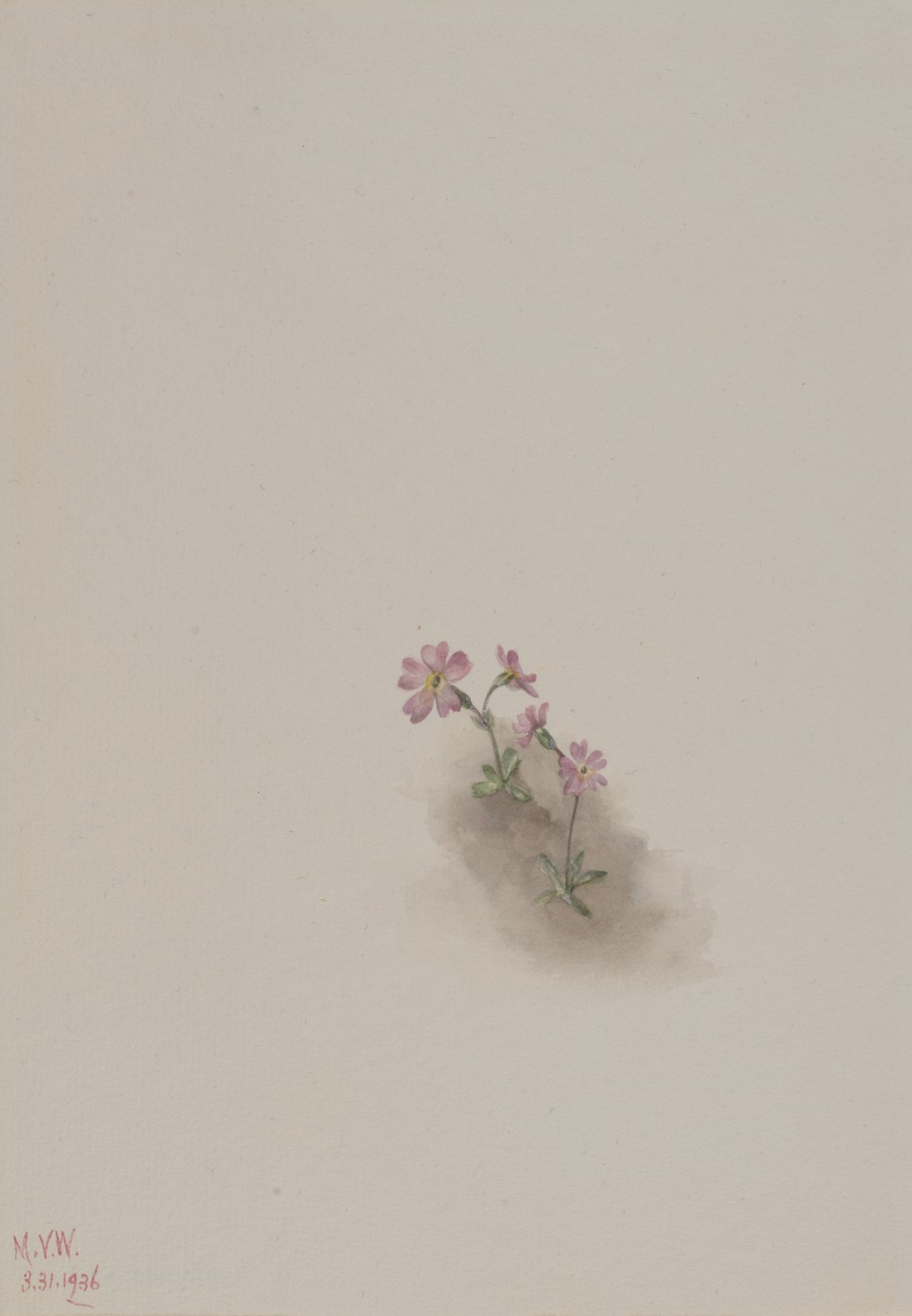
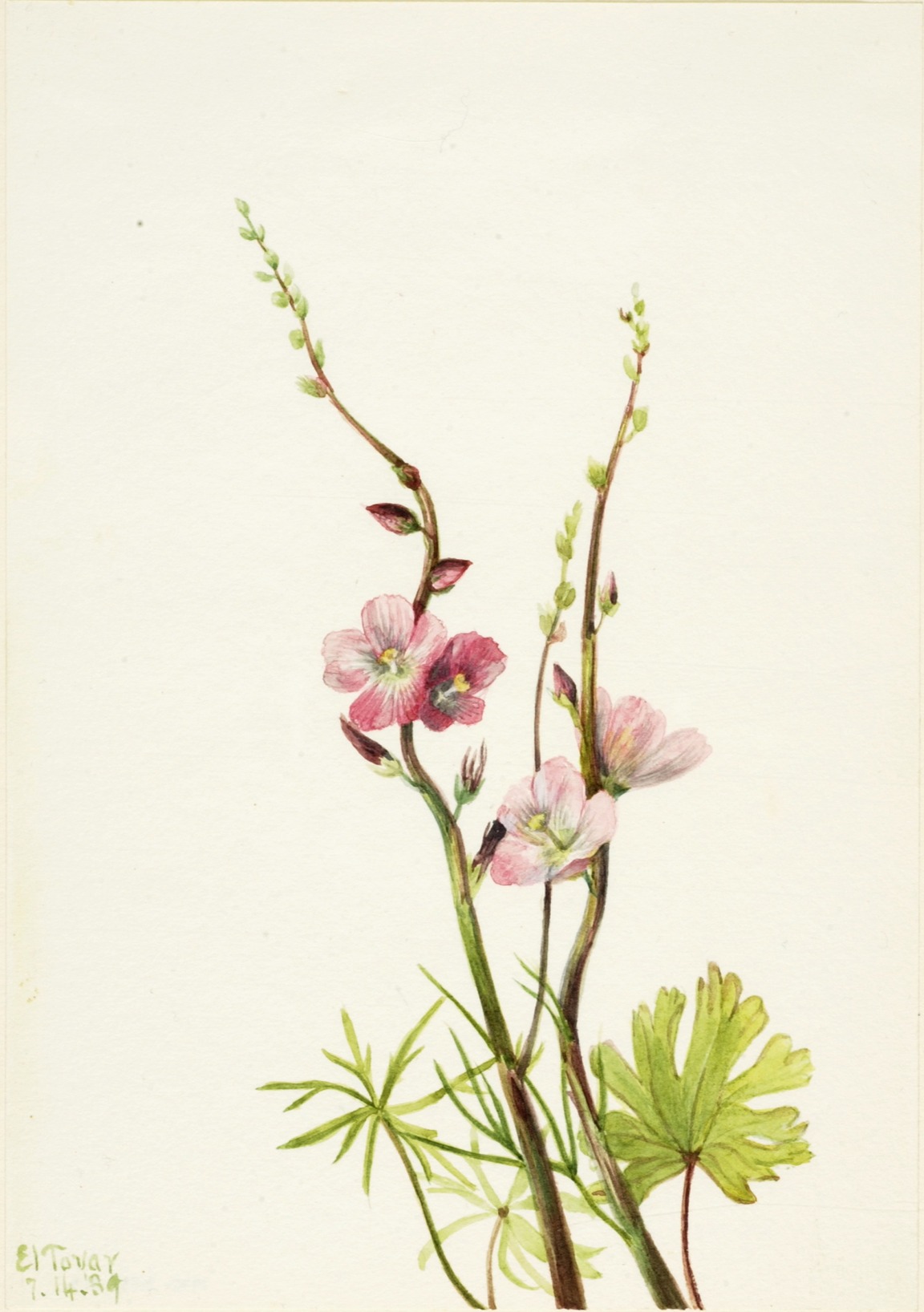
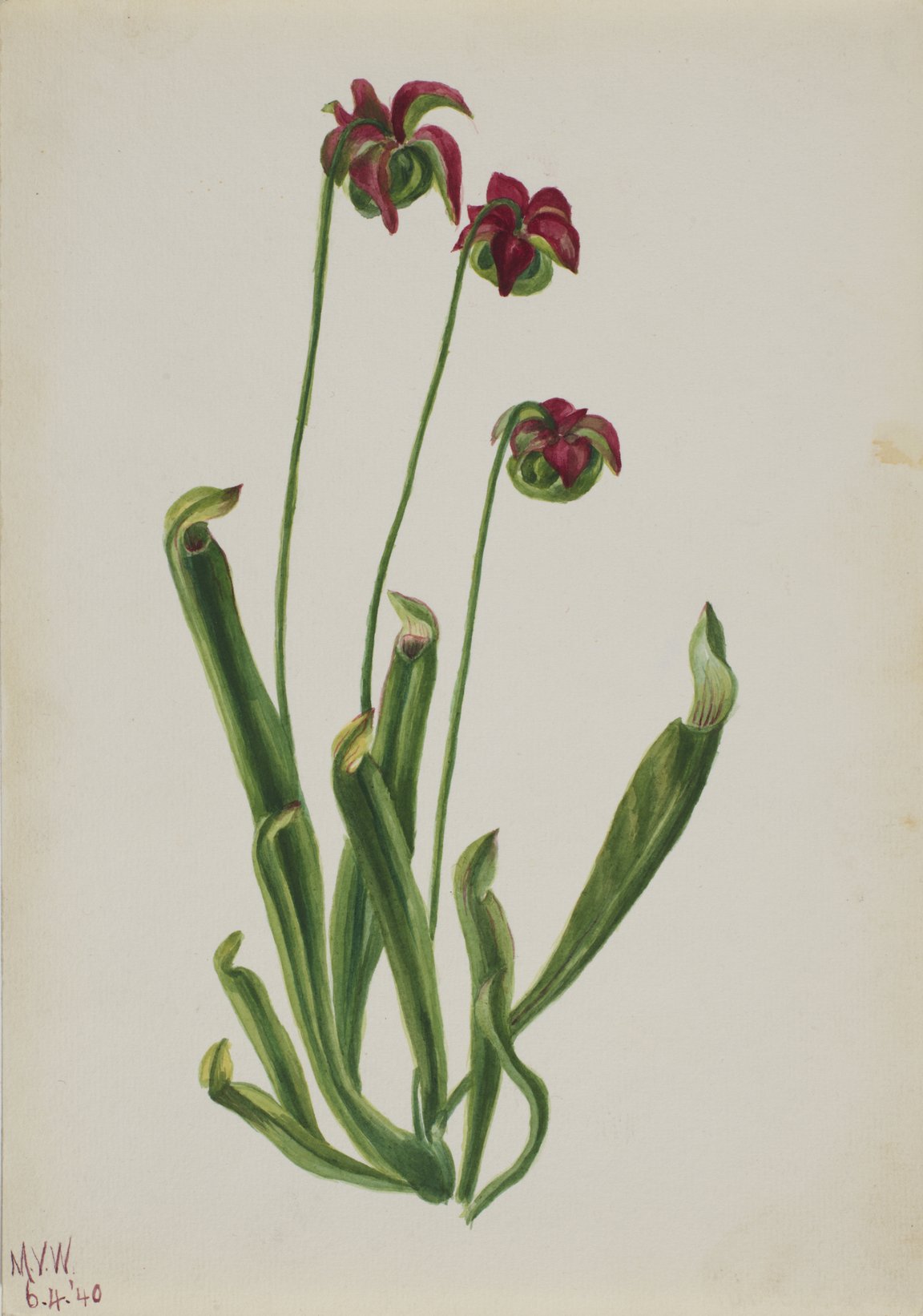
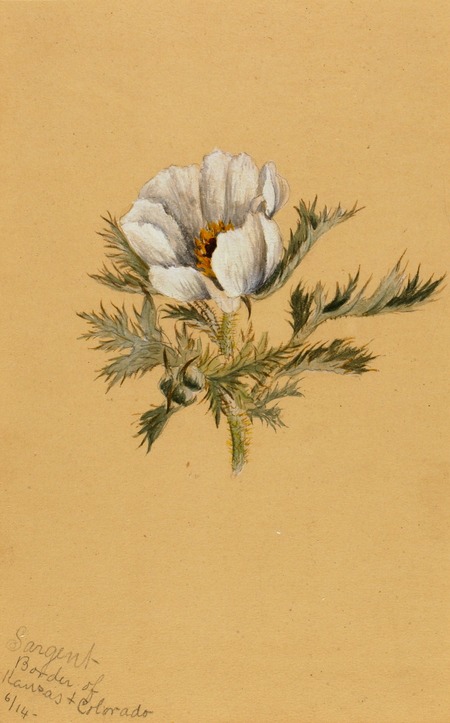
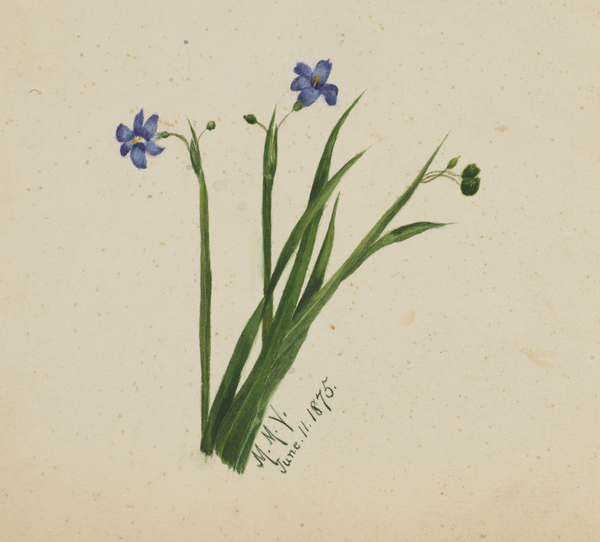
Official License Source: Smithsonian Open Access — CC0. Smithsonian confirms the freedom to use and adapt materials marked with CC0.
Resulting Image Series
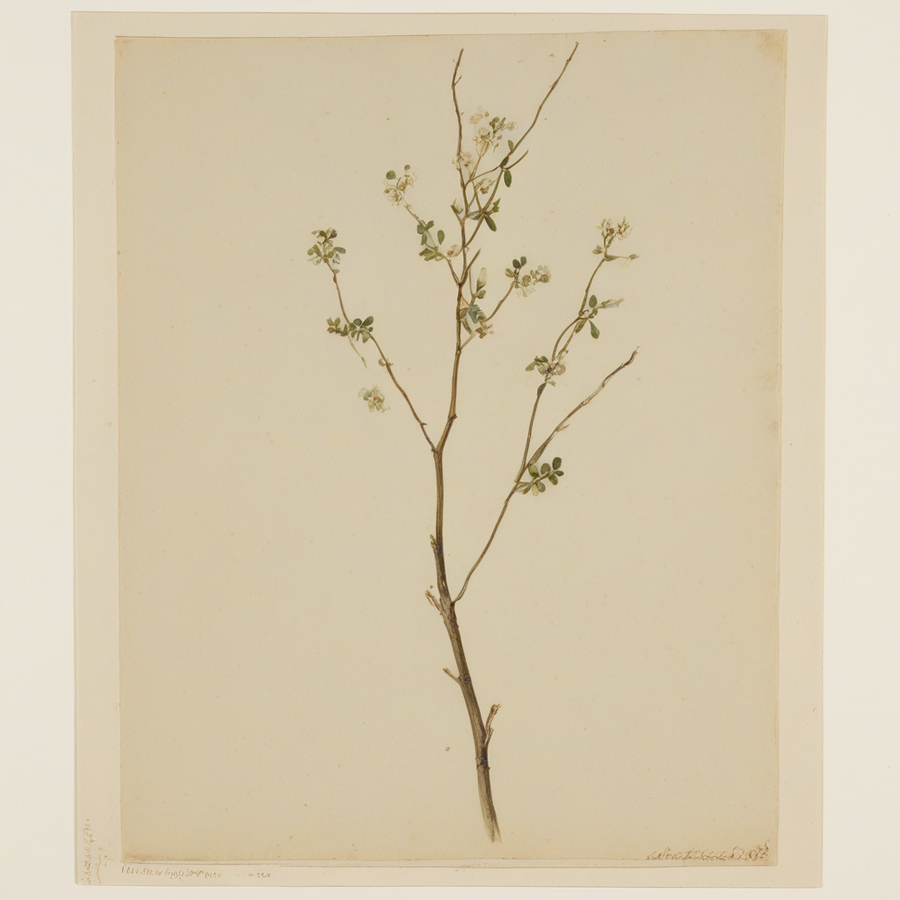
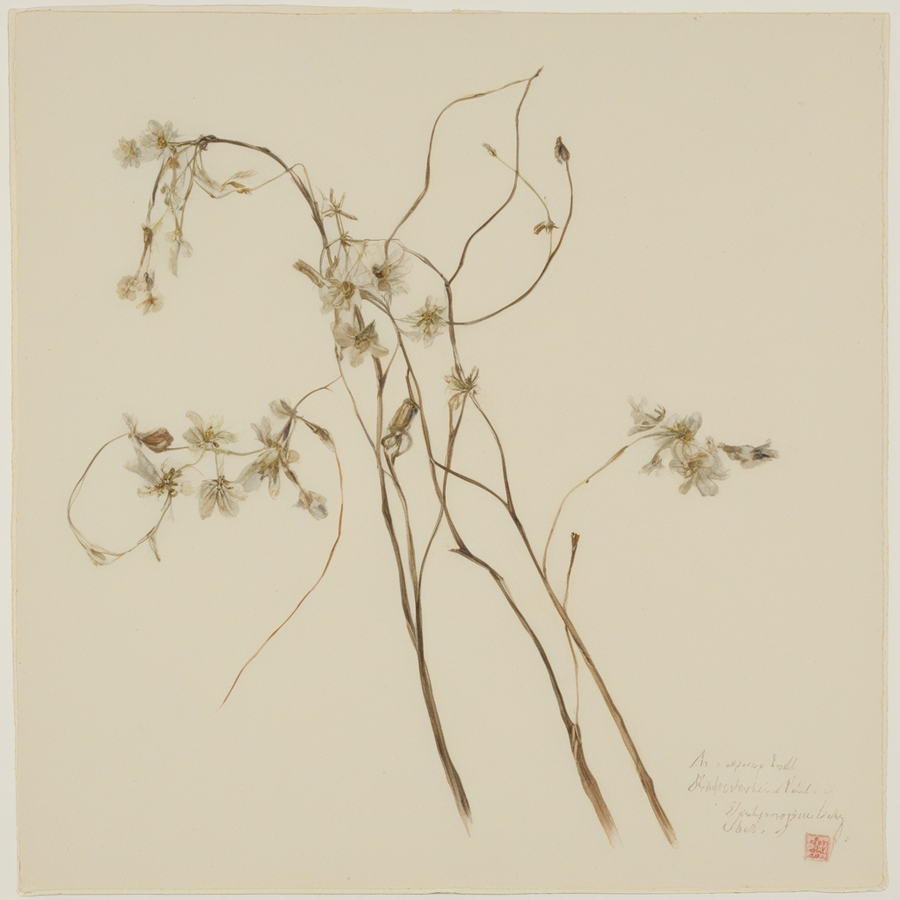
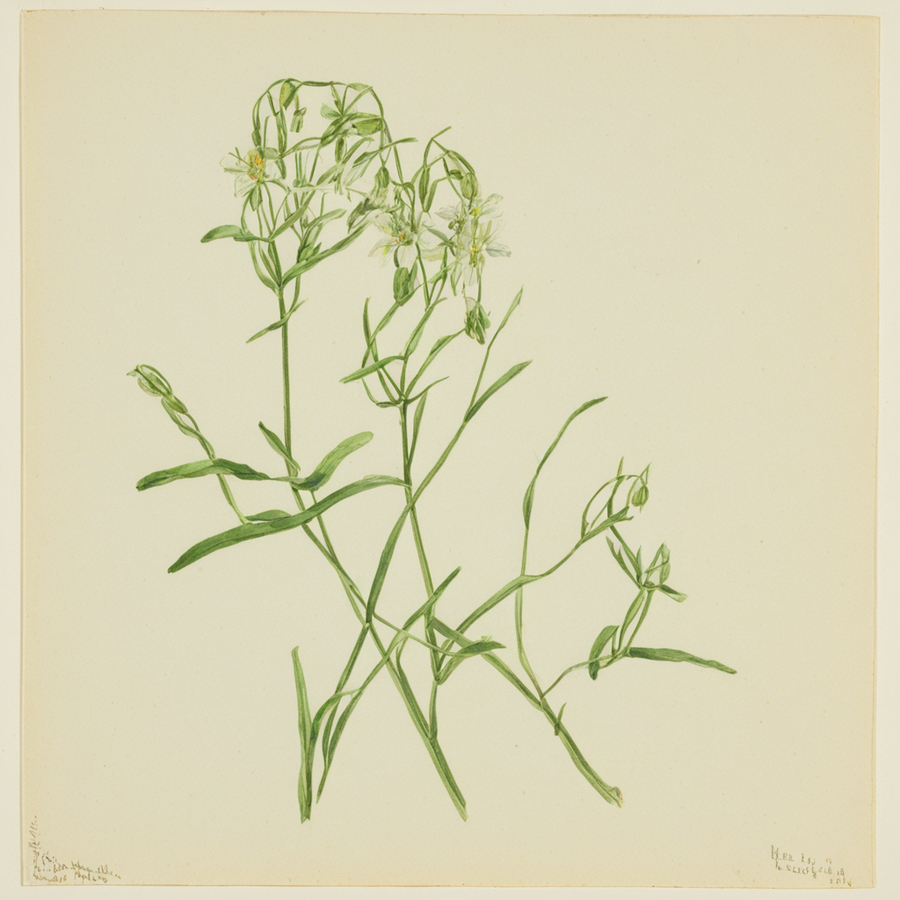
Detailed Results Commentary
Concept Compliance Analysis
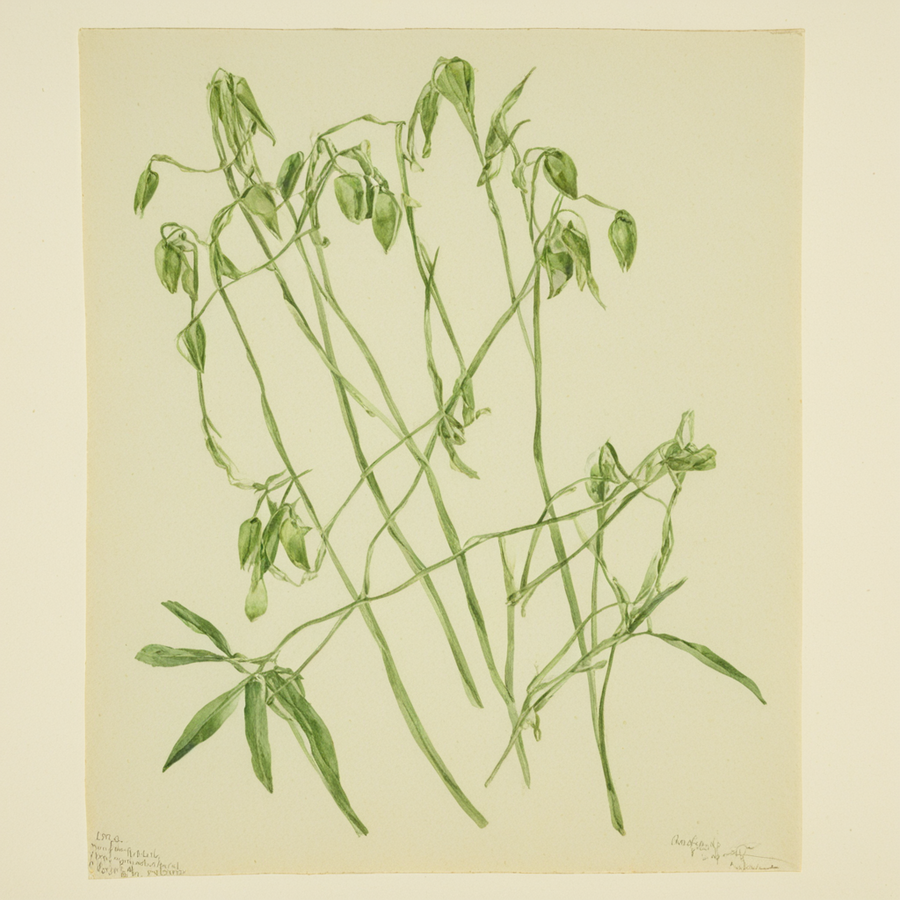
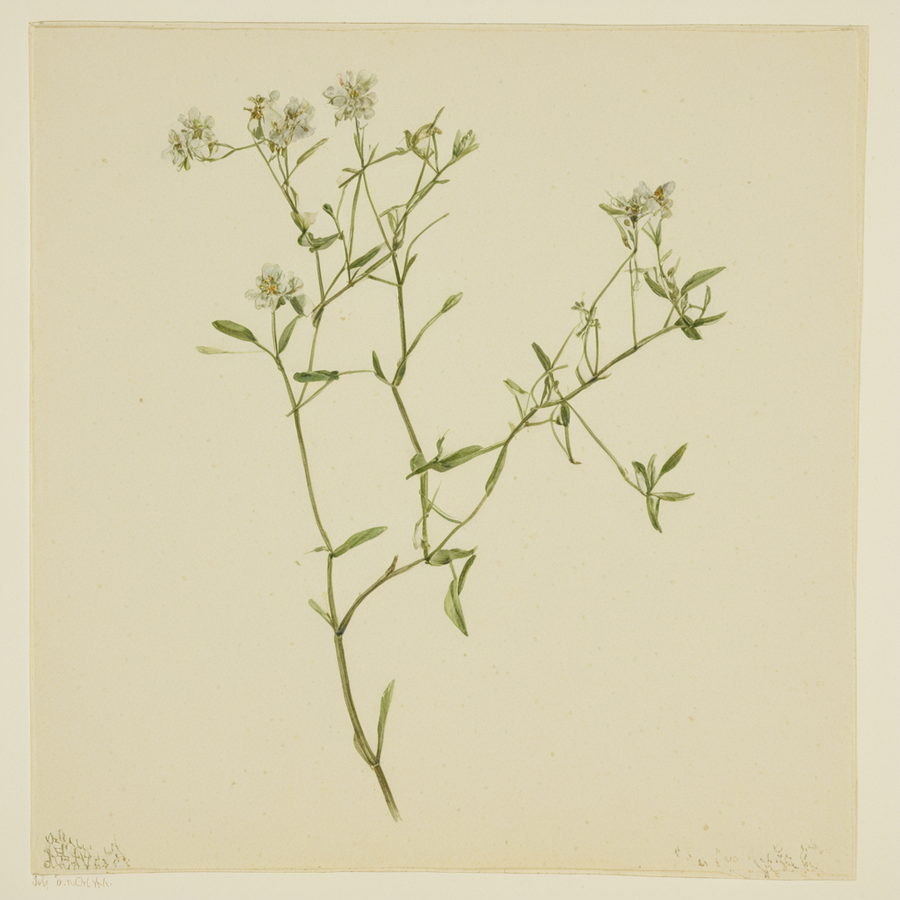
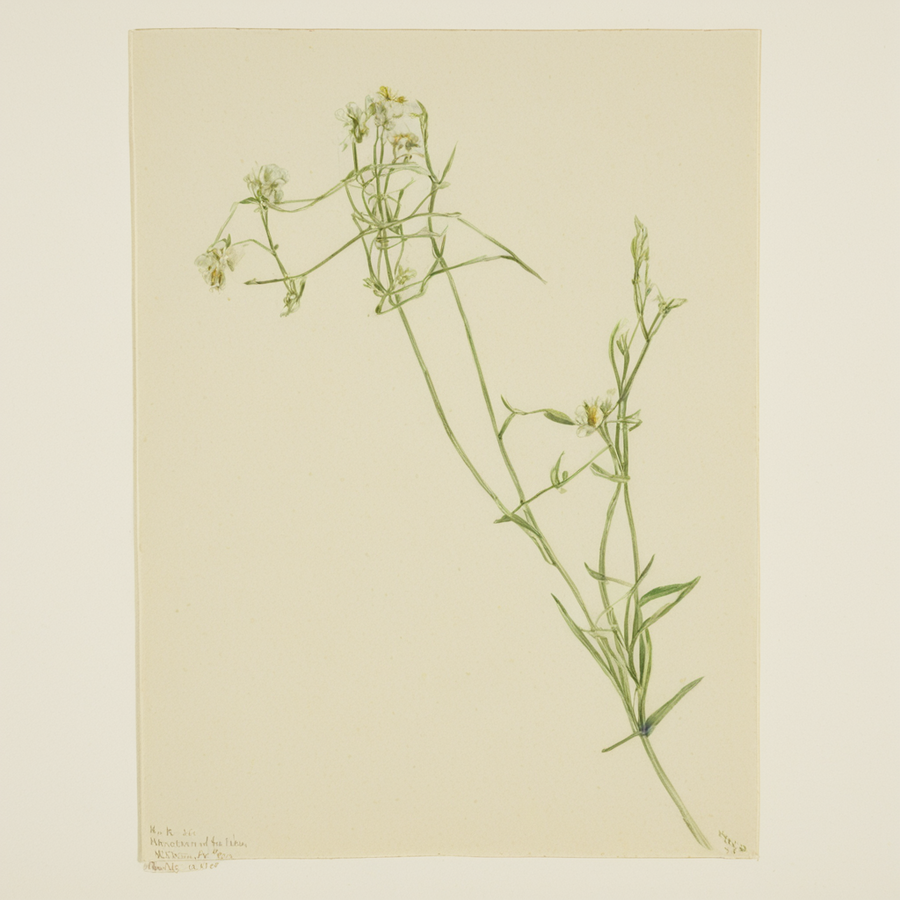
The SIGNAL FLORA project investigates the visual similarities between botanical structures and electrical conductors. Through training, the model generated a series of botanical imagery where the technological theme emerges through the plasticity of stems, branching, and the intertwining of delicate lines.
Transferred stylistic elements:
Color Palette — muted greens, olive, and beige tones characteristic of historical botanical watercolors.
Texture — imitation of aged paper, semi-transparent watercolor washes, and fine graphic rendering.
Structure — elongated stems, complex branching, and junctions that evoke associations with wires and conductive networks.
Composition — isolated botanical specimens set against a light background, featuring the margins and handwritten annotations typical of archival illustrations.
Visual Analysis of Images
The final series is unified by a common aesthetic, yet the images vary in the nature of their plant forms and compositional organization.
In some images, single, elongated stems and minimalist silhouettes predominate, while others feature complex intertwinings and numerous branches.
Fine, sometimes angular lines resemble conductors, and the points where the stems connect evoke associations with a branched signal transmission system.
The density of the plant structures, the direction of growth, the placement of leaves and flowers, and the relationship between the image and negative space vary.
Despite the diversity of forms, the unified palette, the paper texture, and the watercolor technique give the impression of a cohesive botanical archive.
Technical Implementation
Technical Implementation
— Base Model: Stable Diffusion XL 1.0 (SDXL)— Adaptation Method: DreamBooth LoRA— Training Environment: Google Colab, NVIDIA Tesla T4 GPU— Dataset Size: 10 botanical illustrations— Training Steps: 500— Training Resolution: 512 × 512 pixels— Batch Size: 1— Learning Rate: 0.0001— Optimization: 8-bit Adam, gradient checkpointing, FP16— Final Generation Resolution: 1024 × 1024 pixelsProcess DescriptionThe model was trained on a dataset of 10 historical botanical watercolors, which were converted to a 1024 × 1024 pixel square format. Fine-tuning of Stable Diffusion XL was performed using the DreamBooth LoRA method, which allows the model to adapt to a specific visual style without complete retraining.To reduce video memory consumption, an 8-bit Adam optimizer, gradient checkpointing, and mixed precision FP16 were employed. Training was conducted over 500 steps, with intermediate checkpoints saved at steps 250 and 500.After training, a series of images exploring the similarity between plant structures and electrical conductors was generated using text prompts. Throughout the experiments, descriptions of the forms, branching patterns, and technical elements were varied. The final images were created at a resolution of 1024 × 1024 pixels without additional manual processing.Description of Generative Model Application
Description of Generative Model Application Models and Technologies Used:1. Stable Diffusion XL 1.0 — https://huggingface.co/stabilityai/stable-diffusion-xl-base-1.0 — Base model for image generation.2. DreamBooth + LoRA — https://github.com/huggingface/diffusers — Model fine-tuning method based on 10 botanical illustrations.3. SDXL VAE FP16 Fix — https://huggingface.co/madebyollin/sdxl-vae-fp16-fix — Image processing during training and generation.4. Google Colab + Diffusers — https://colab.research.google.com/ — GPU environment for image training and generation.5. ChatGPT (OpenAI) — https://chatgpt.com/ — Text writing and editing.