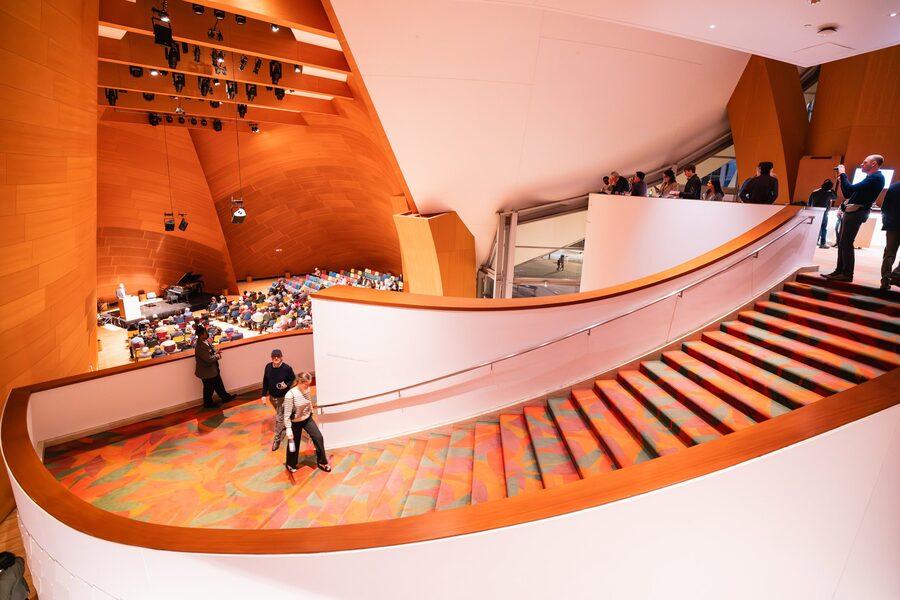
Using and Reinterpreting this Heritage in a Contemporary Project
What is this course about?
What it is about: This course explores creativity in action. Now that you have explored traditional art (from Course 1), you will learn how to bring those elements into the modern world. — You will learn the difference between merely replicating an old design and actively «reinterpreting» it. Reinterpretation means taking the spirit, color palette, or patterns of historical art and using them to create something entirely new—perhaps a modern graphic design, a contemporary fashion piece, or a new product. — The goal: By the end of this course, you will have developed a tangible, modern project that is deeply rooted in Afghan heritage yet entirely relevant to today’s world.


Target Audience: — Graphic designers, fashion designers, and product designers. — Contemporary artists who wish to integrate their cultural heritage into their work. — Creative entrepreneurs and brand owners looking to imbue their products with an Afghan identity. — Students eager to merge traditional artistry with modern concepts.


Graphic designers, fashion designers, and product designers

Prerequisites: (What do you need before starting?)Passing Term 1: You must have successfully completed the first course, «Introduction to Visual Culture and Traditional Art of Afghanistan, ” to possess a solid foundation in traditional art.Creative Skill: You should have foundational skills in an art or design discipline—such as painting, computer design, sewing, or architecture—to effectively develop a new project.
Expected Learning Outcomes:Knowledge: Understand the difference between simply «copying» a traditional artwork and «reinterpreting» it (giving it a fresh, new life).Skill: Be able to take a traditional element (like a wooden joint, a traditional color, or a carpet pattern) and use it in a completely modern work (like a poster, a dress, or an app design).Attitude: View past heritage not as an old, static artifact, but as a vibrant source of inspiration for the future.
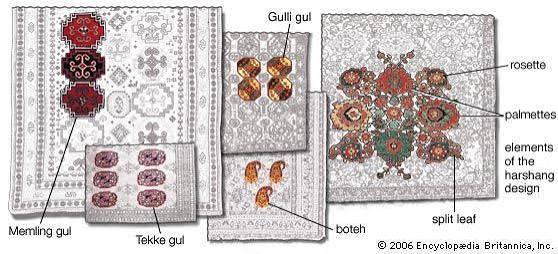
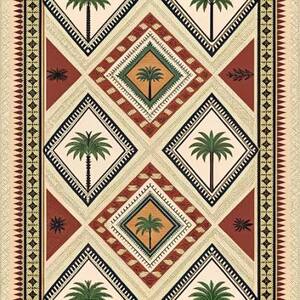
traditional element (like a wooden joint, a traditional color, or a carpet pattern
Assessment and Control Elements: (How do we check what you have learned?) Mini-Projects: You will be asked to select a traditional pattern and redesign it in two different contemporary styles.Course Design Document Review: The instructor will review the document you created for this course (goals, audience, syllabus) to ensure it is coherent and logical.Peer Review: Your initial work will be presented to the class so classmates can provide feedback on whether your new piece retains its traditional identity.



Final Course Outcome (What will you deliver at the end of the term?)A Practical Contemporary Project: A completely new and modern artwork or design inspired by traditional Afghan art. Course Design Document: Because the main goal of Module 1 is to learn how to design a course, you must write a complete document outlining how you would design a course on «Using Heritage in Contemporary Art.»