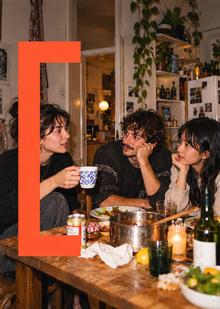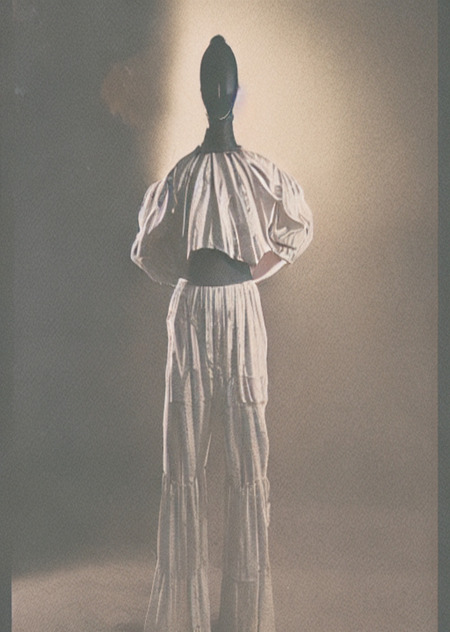
I decided to explore whether a neural network could adopt the visual style of a photograph and use it to create new images. I was interested in the feeling of a photograph as a physical object—an old magazine print, an archive scan, or an image that has gained grain, scratches, and wear over time—and this formed the basis of my concept, «AFTER THE SCAN.»
The visual aesthetic of the project is built upon muted colors, film grain, soft lighting, printing imperfections, and experimental fashion photography.
Dataset Preparation
For the project, I used 18 original photographs, shot and edited by the photographer.The images were selected based on visual similarity and the nature of their processing.
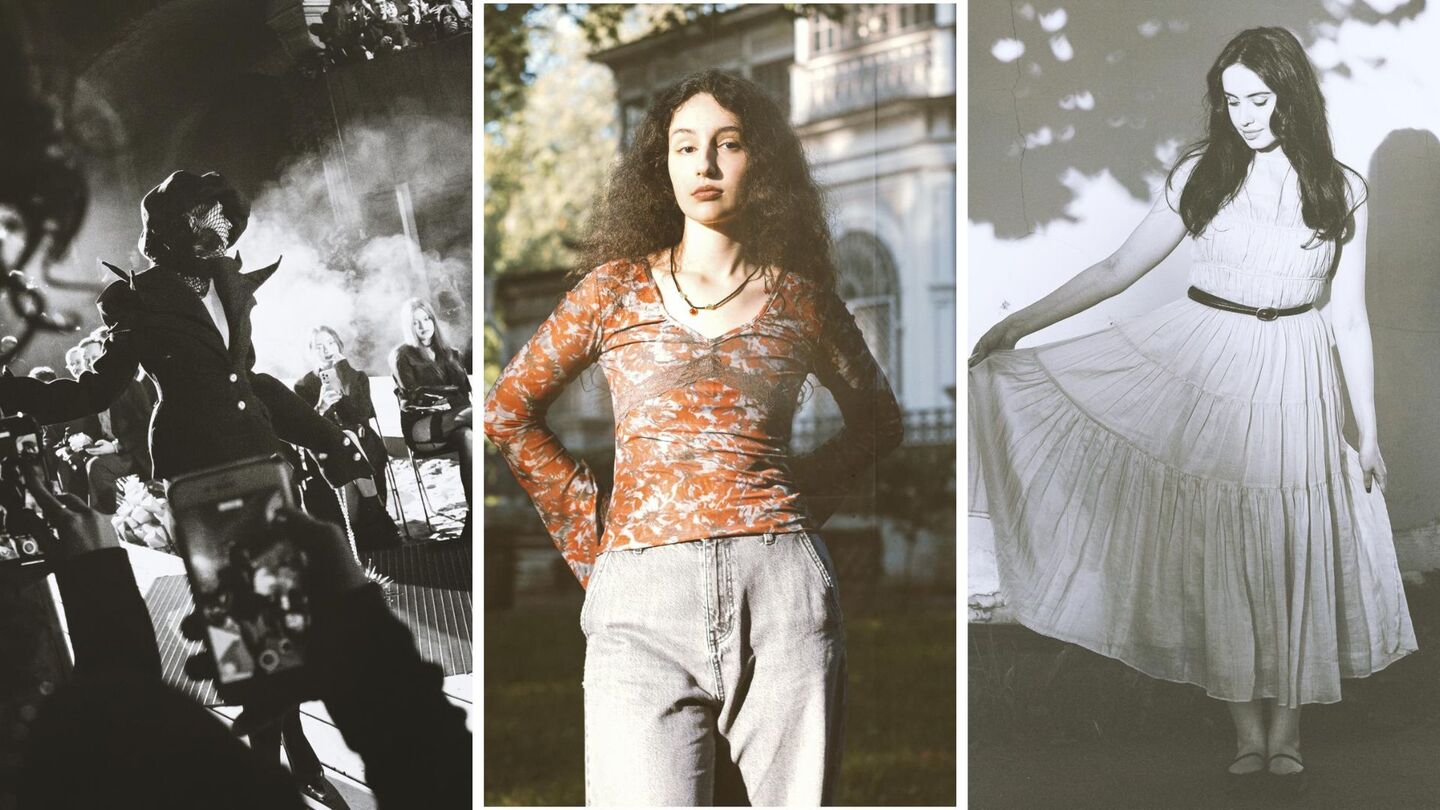
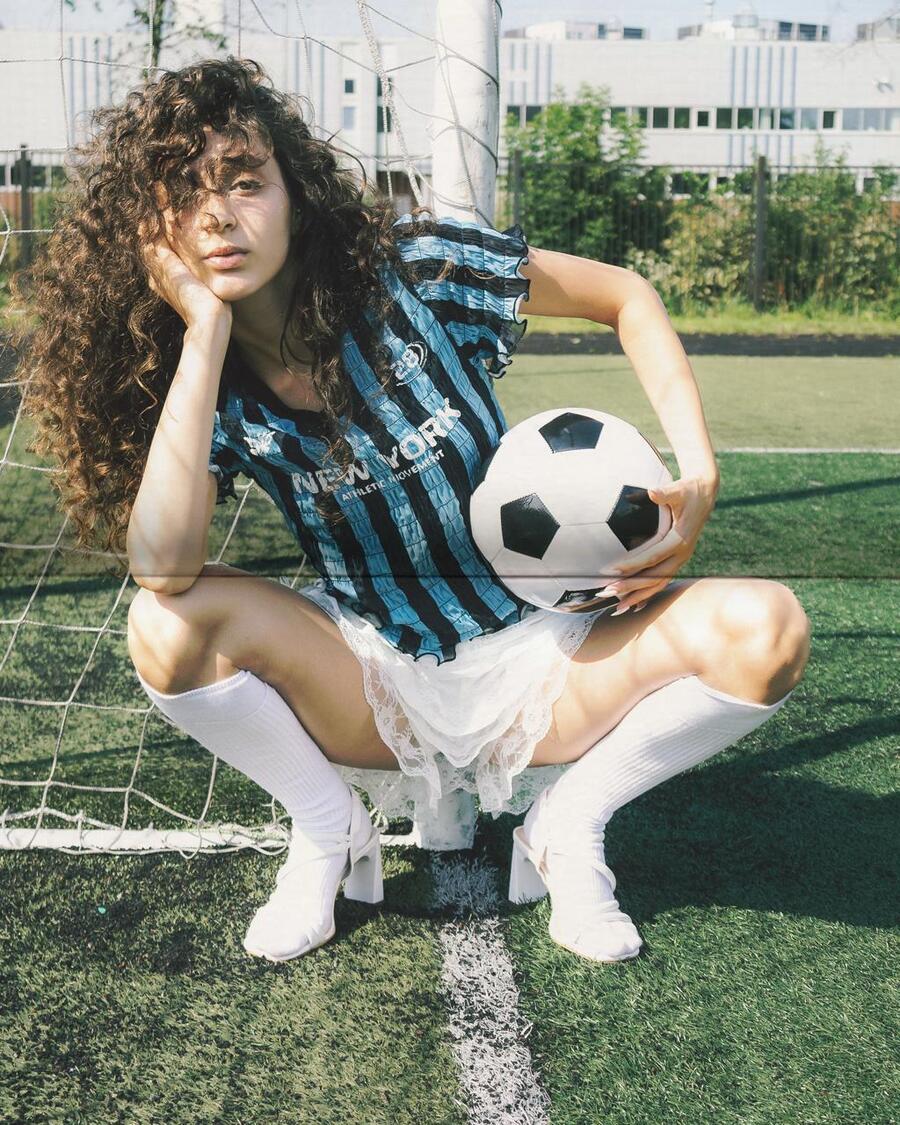
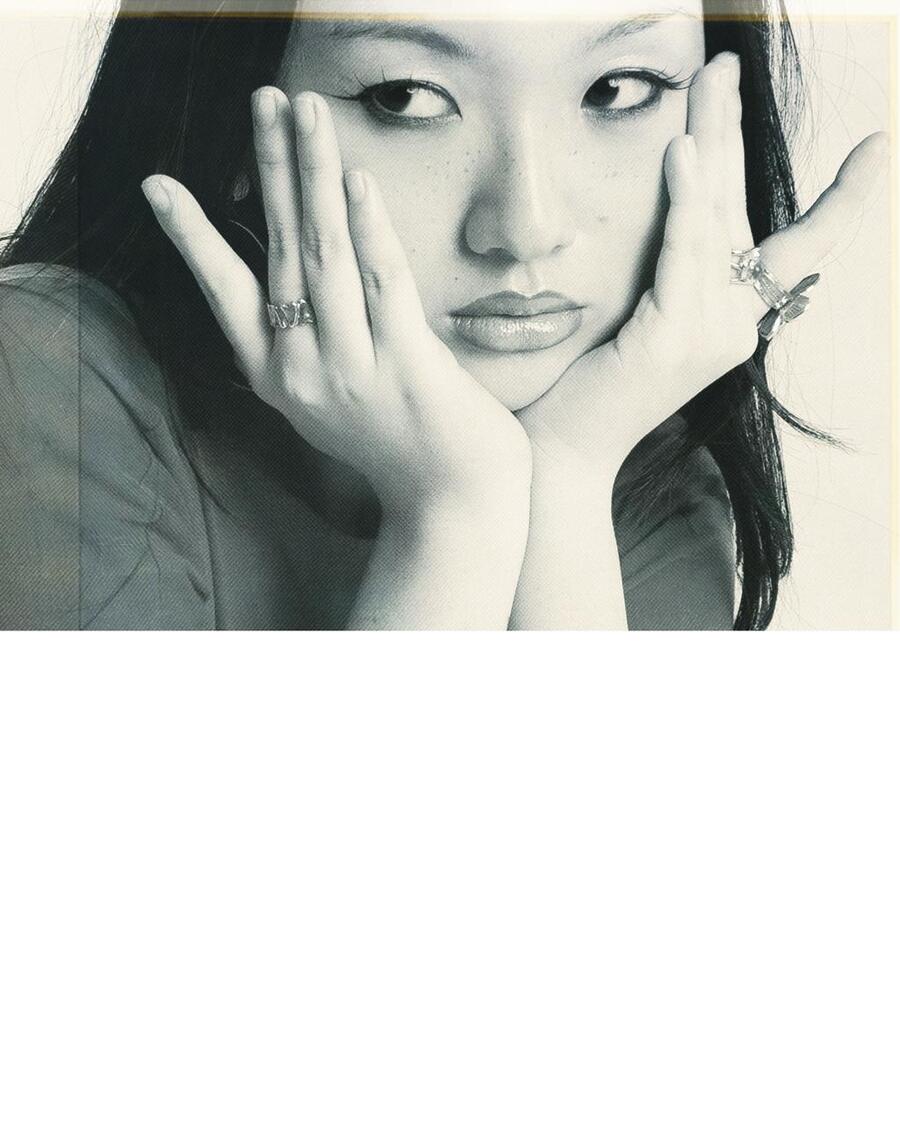
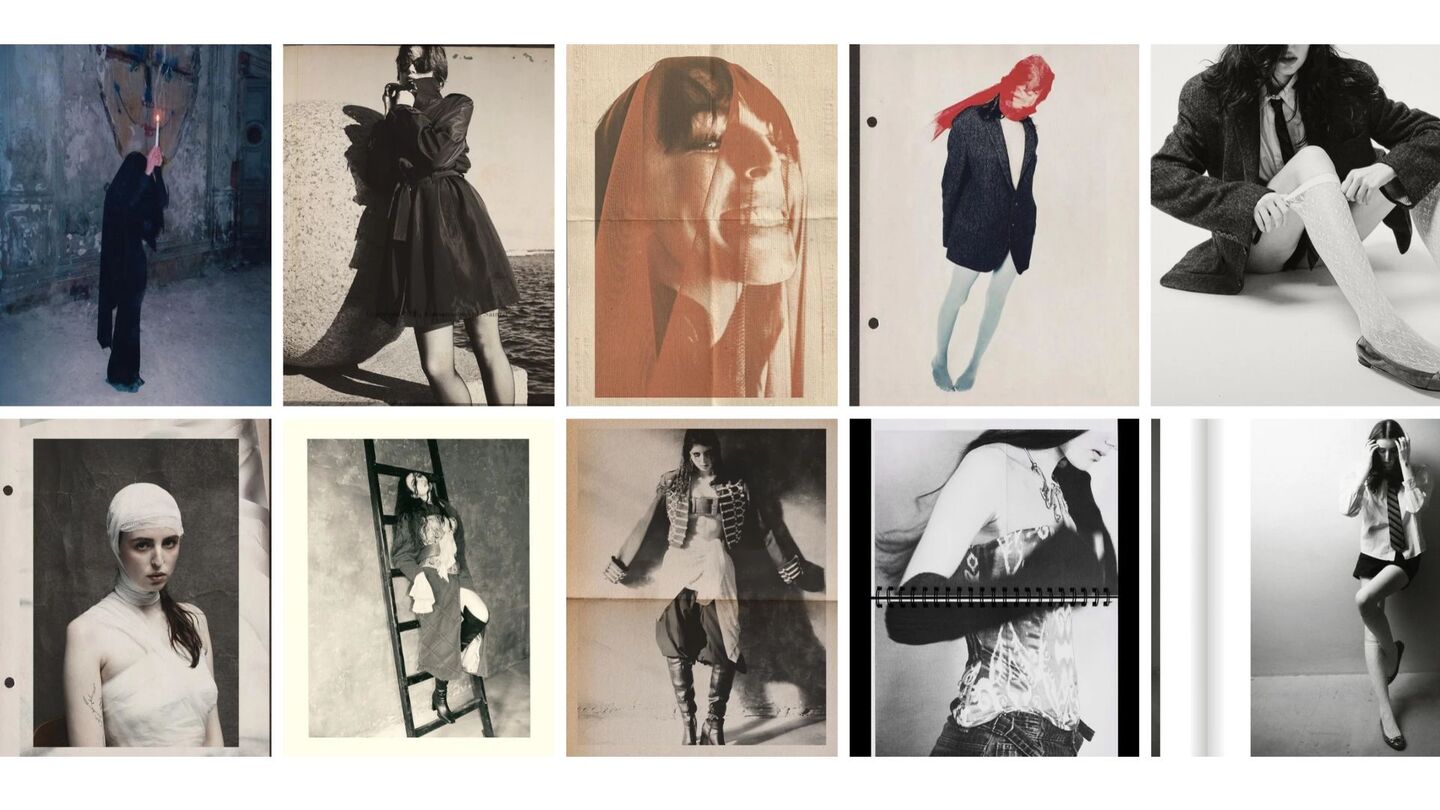
I created a project folder called «Analog Scan Project» on Google Drive and uploaded the photographs to the «dataset» folder. Then, I prepared a separate folder, «lora_dataset,» which contained the images and the metadata.jsonl file with textual descriptions for training.
The following text was used as a description: analogscanstyle, analog editorial fashion photography, experimental portrait, scanned print texture, muted colors, film grain, tactile imperfections
The token analogscanstyle became the conventional name for the style being taught, which was subsequently used in prompts for generation.
Tools and Training
For this project, I utilized:
— Google Drive — for storing photographs, the dataset, and results — Google Colab — for running the code and training the model on a Tesla T4 GPU — Hugging Face Diffusers — the library used for training and working with generative models — GitHub — for the source code of the training script, train_text_to_image_lora.py — Stable Diffusion 1.5 — the foundational model upon which the LoRA was trained
I installed the necessary Python libraries, connected Google Drive to Colab, and launched the training using the LoRA method. This allowed me to adapt the existing model to the chosen style without complete retraining.
Key training parameters: 512×512 pixel resolution, batch size 1, learning rate 0.0001, rank 8, and 600 training steps.
Upon completion of training, the model weights were saved in the lora_output folder on Google Drive.
Image Generation
After completing the course, I applied the obtained LoRA weights to Stable Diffusion 1.5 and began generating new images. The token analogscanstyle was used for generation, along with a description of the desired composition and visual treatment.
Main Prompt:
analogscanstyle, experimental fashion editorial portrait, analog film grain, scanned photographic print, muted faded colors, dust and subtle scratches, tactile paper texture, imperfect vintage magazine scan, artistic composition, authentic editorial photography
For the second series, I used a more specific description to shift the focus from the face to the clothing, silhouette, and body posture:
analogscanstyle, experimental fashion editorial photography, faceless human figure, cropped composition from shoulders to thighs, face completely outside the frame, focus on clothing, silhouette, posture and body language, candid editorial moment, unconventional framing, muted desaturated colors, faded analog film tones, visible 35 mm film grain, dust, fine scratches, scanned magazine print texture, subtle paper imperfections, soft natural window light, deep soft shadows, imperfect vintage color reproduction, tactile photographic surface, authentic independent fashion magazine aesthetic, understated and artistic, realistic photography, no text, no logos
Results
During the project, I successfully trained LoRA on a small set of my original photographs and used it to generate new images with a similar visual aesthetic. The experiment showed that the model could reproduce specific stylistic characteristics: a muted color palette, film grain, the texture of scanned prints, and the atmosphere of an independent fashion magazine. However, the composition, anatomy, and detail accuracy were not always predictable, meaning the results require careful selection. For me, the goal was not just to create beautiful images, but to test how a recognizable visual aesthetic could be transferred into a generative model and transformed into new works.