Visual Study
Minimalism
Minimalism is not merely a style—it is a way of thinking.
It emerged in the 1960s as a reaction against the art world’s saturation with excessive meaning and expressive gestures.
Its essence lies in purifying form to a state where the object ceases to represent anything and simply exists.
Minimalism does not negate content; it asserts that the material itself and the space can become the content.
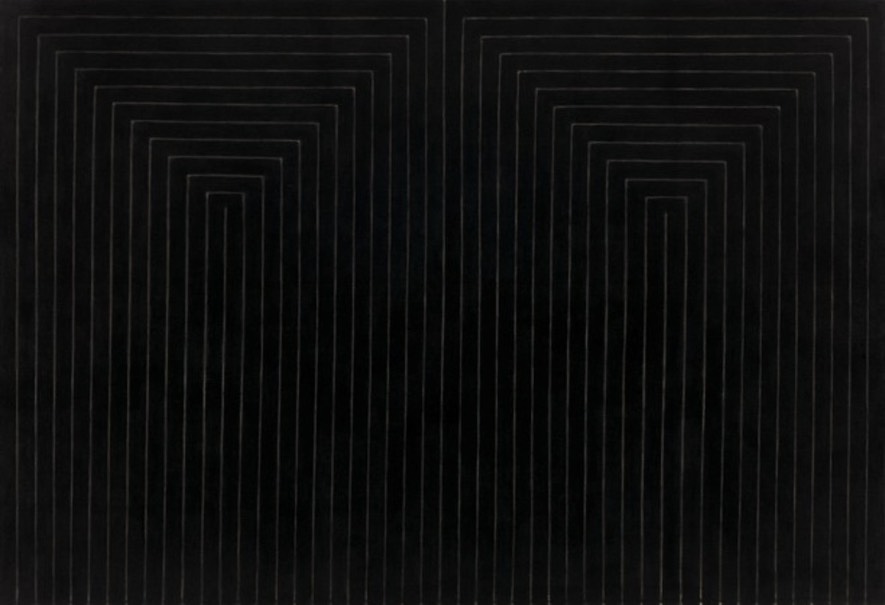
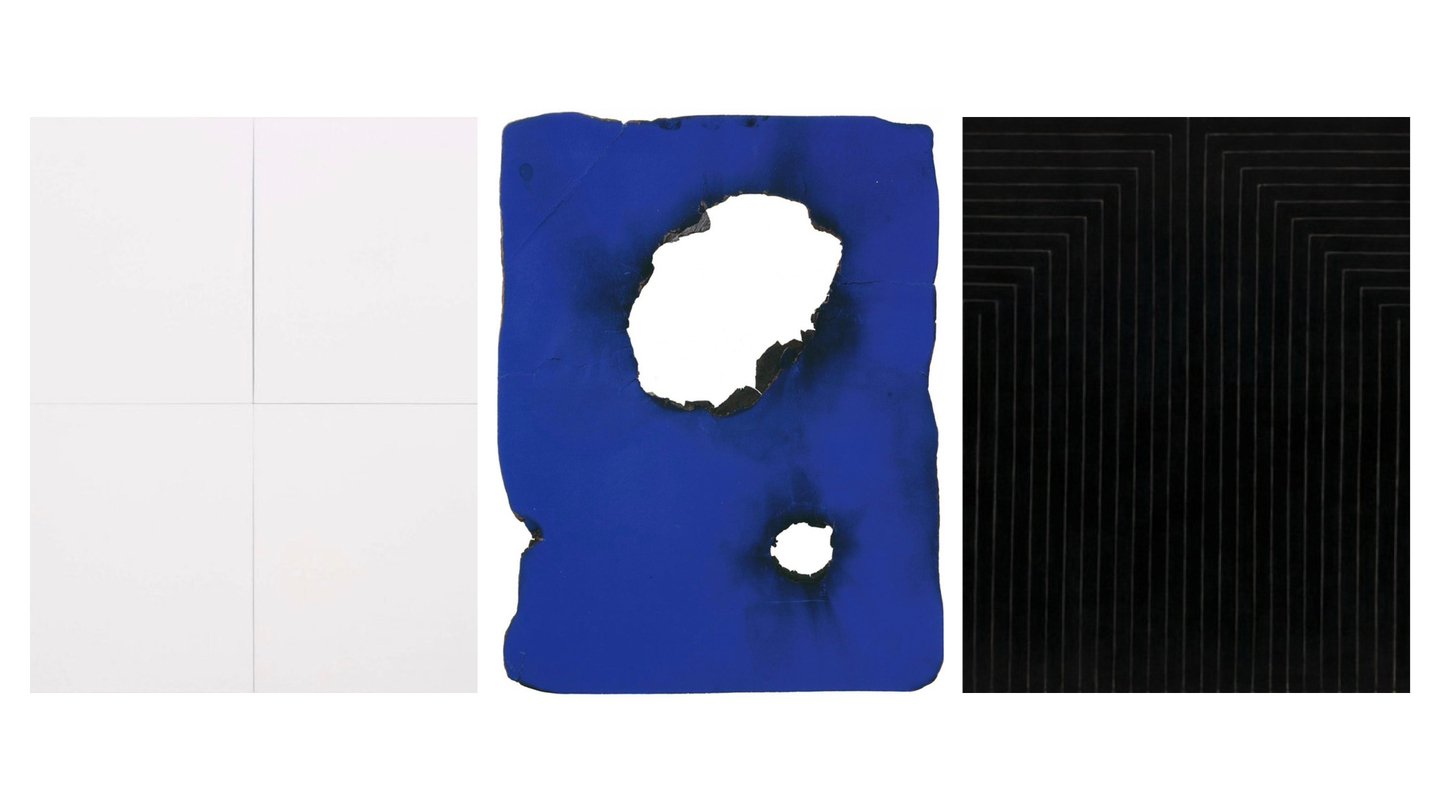
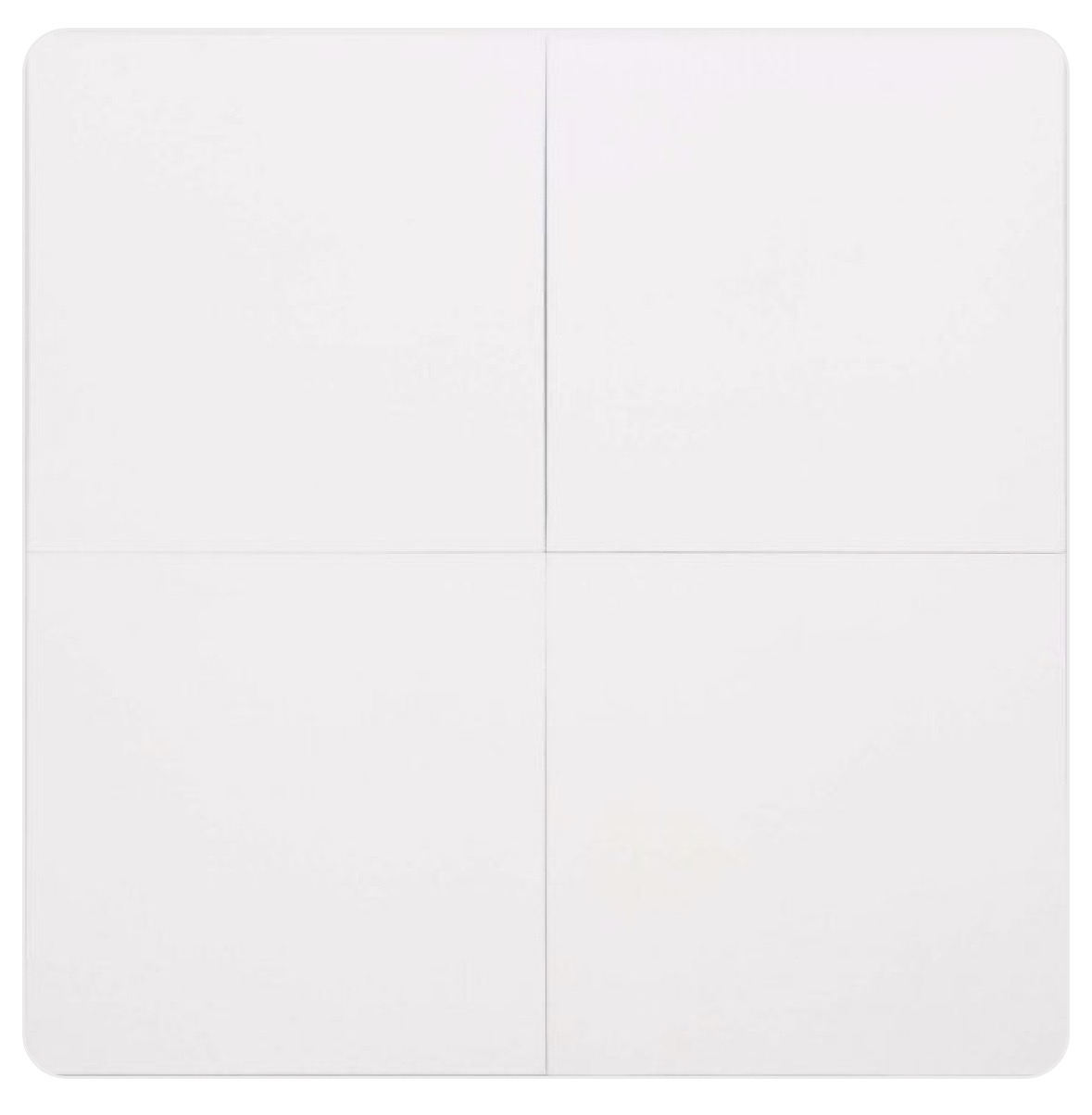
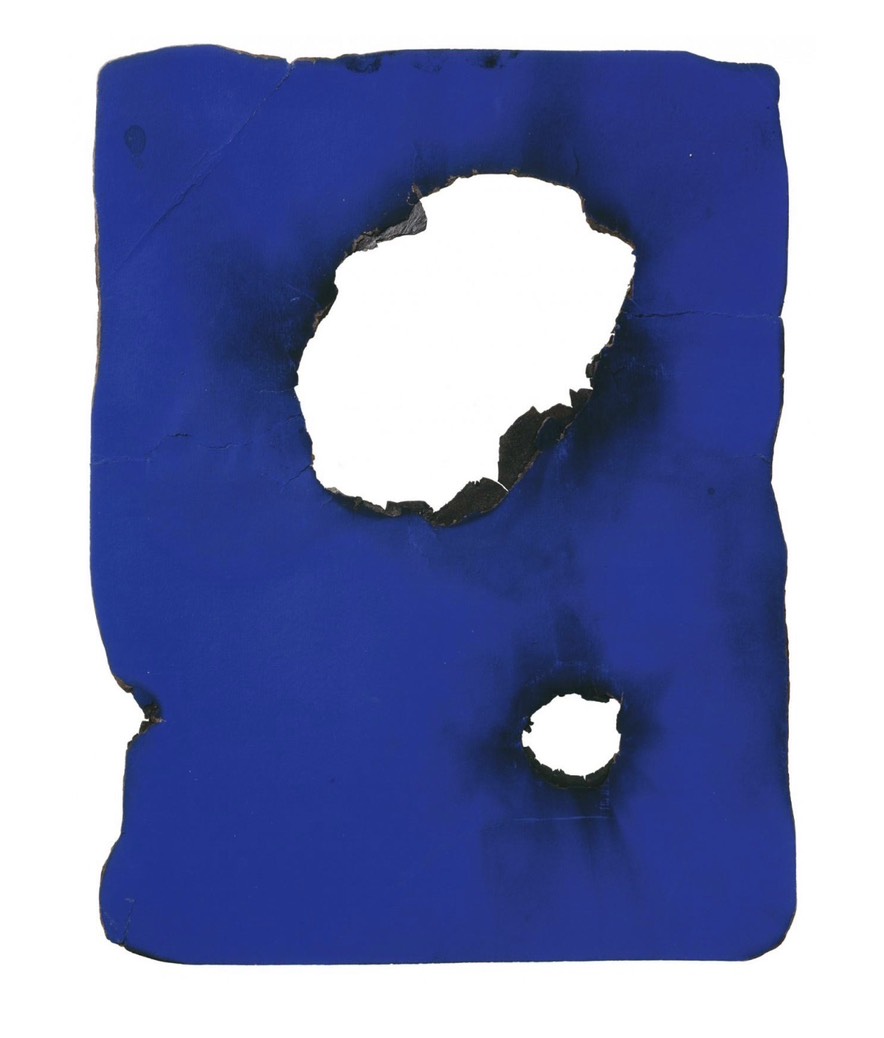
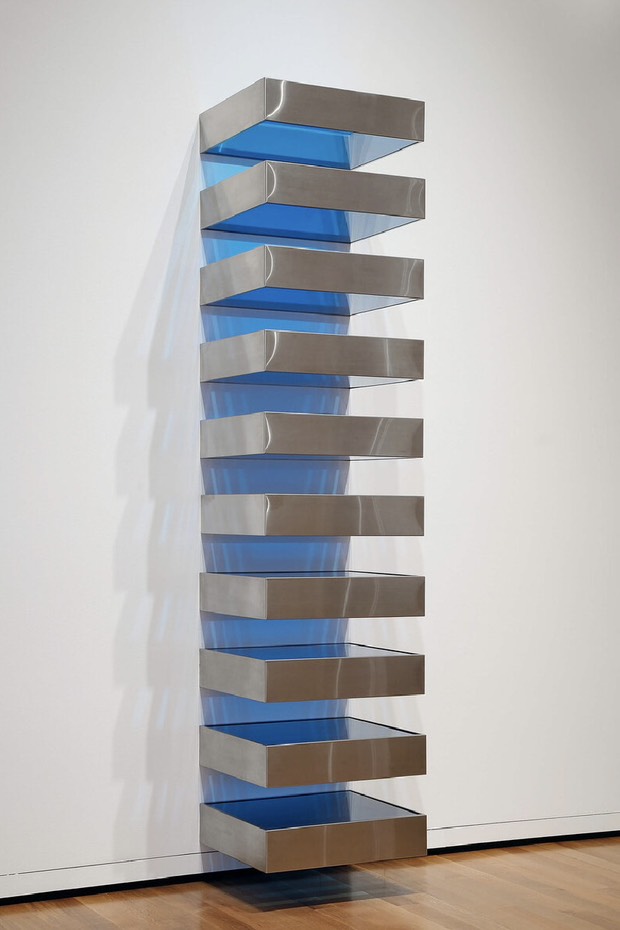
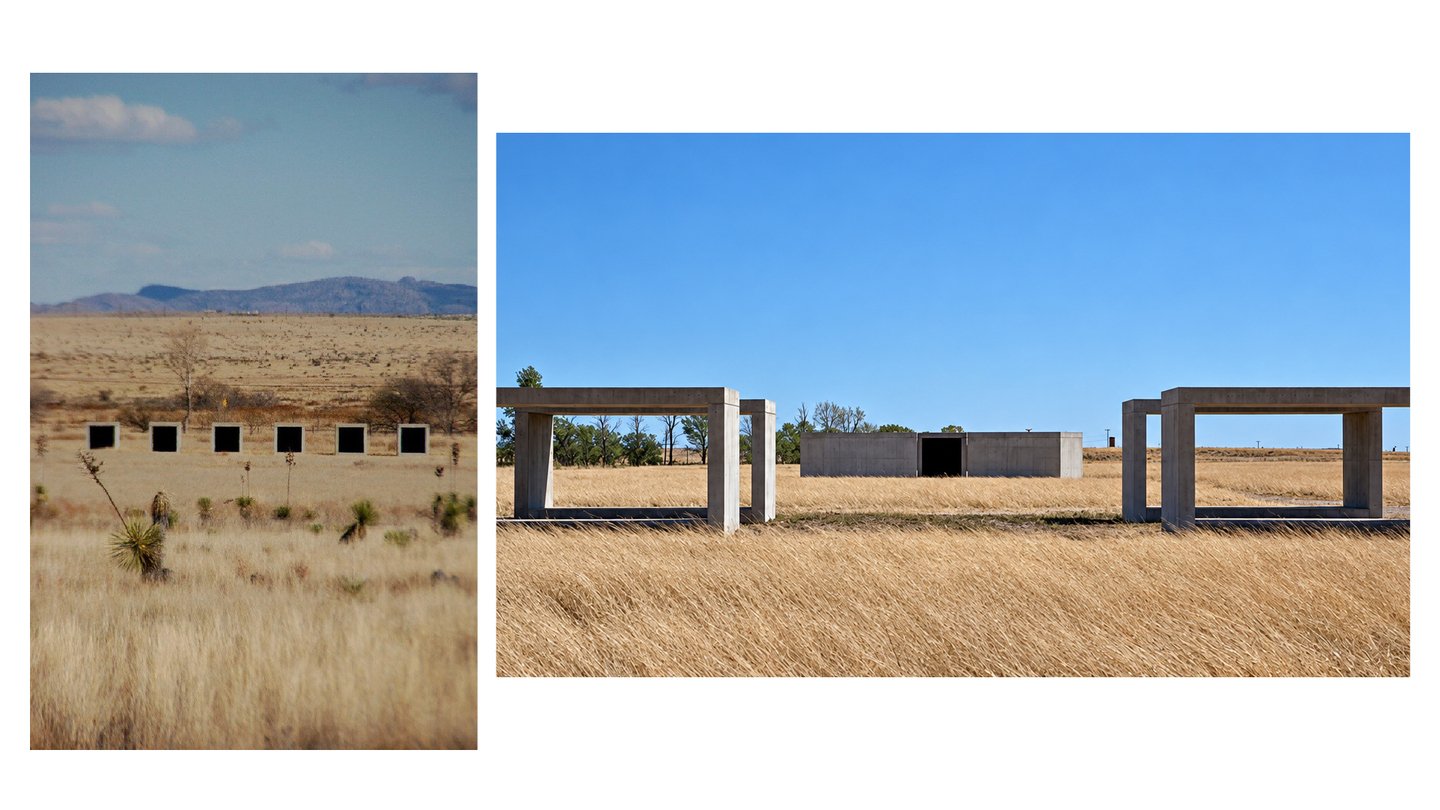
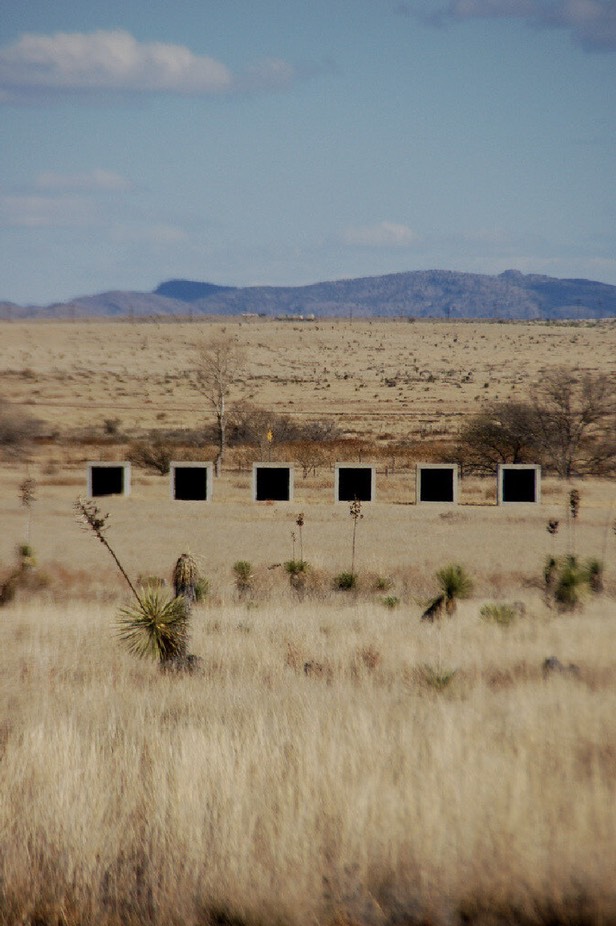
Donald Judd «Stacks» 1967. The first steps toward «self-sufficiency»
Donald Judd
Judd was one of the first to push minimalism beyond the plane.
By abandoning the canvas, he created the «specific object”—a form that exists in real space rather than on a wall.
His geometric constructions, made from industrial materials, are devoid of metaphor and narrative.
Judd fundamentally refused to call them sculptures; he felt that word carried too much tradition.
He argued that form, material, and space were self-sufficient.
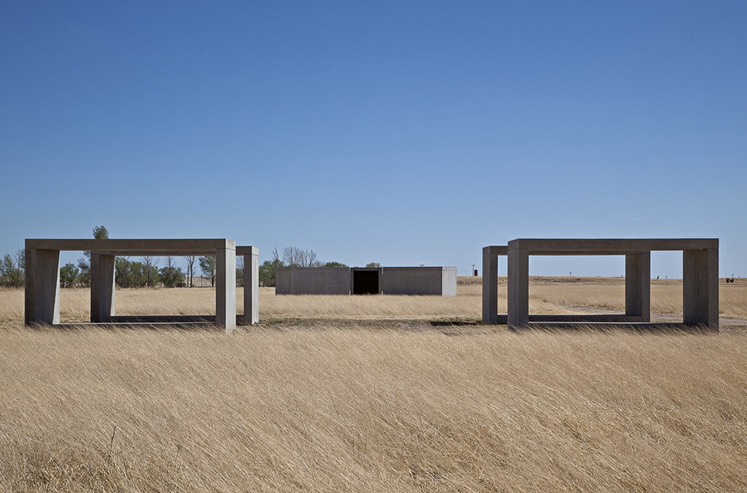
John Ponson «Conversion of Mortiz Church» 2013 Germany and John Ponson «Novy Dvur Monastrey» 1999–2000/2000–2004 Czech Republic
The inspiration for the art object was the architecture of John Pawson—a British minimalist who translated the canons of this style into three-dimensional space with extreme precision. The purity of his forms and colors gives rise to a new vision of primal form.
Location
B-Tower
V-TOWER
The water tower on Battery Hill in Vyborg is an early example of monolithic concrete in engineering architecture.
It was constructed in 1930 by architect Väinö Olof Keinänen. At the time of its construction, it was the largest water tower in Scandinavia. Standing on a granite rock, it is a landmark for the area. Its water supply function has been lost since the Soviet era.
Today, this is the first project of the cultural cluster adaptive development, «V-TOWER”—a space where the engineering form of the past becomes an environment for art.
Staircase in the B-Tower space
The project involves creating a cultural space within the tower.
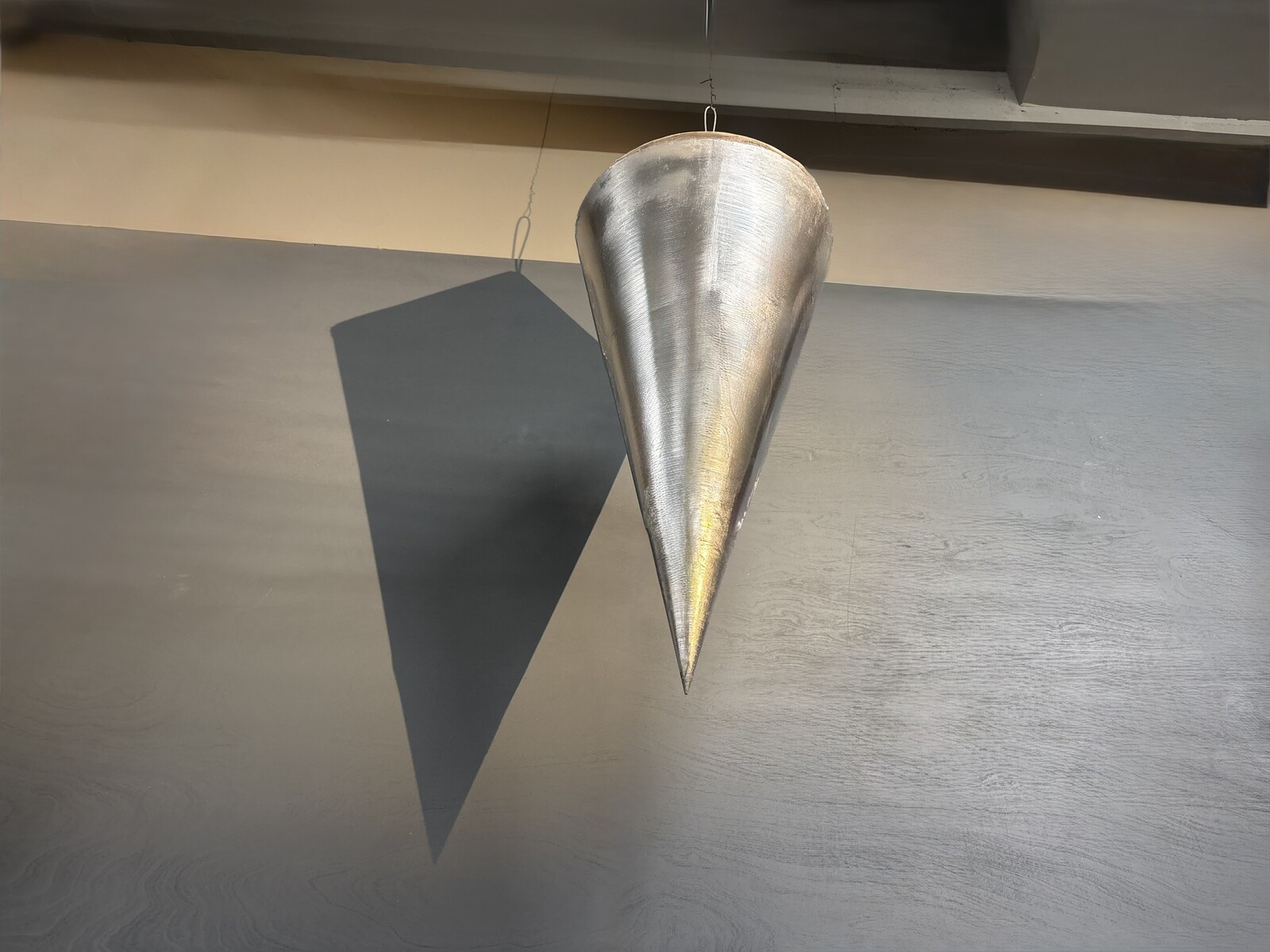
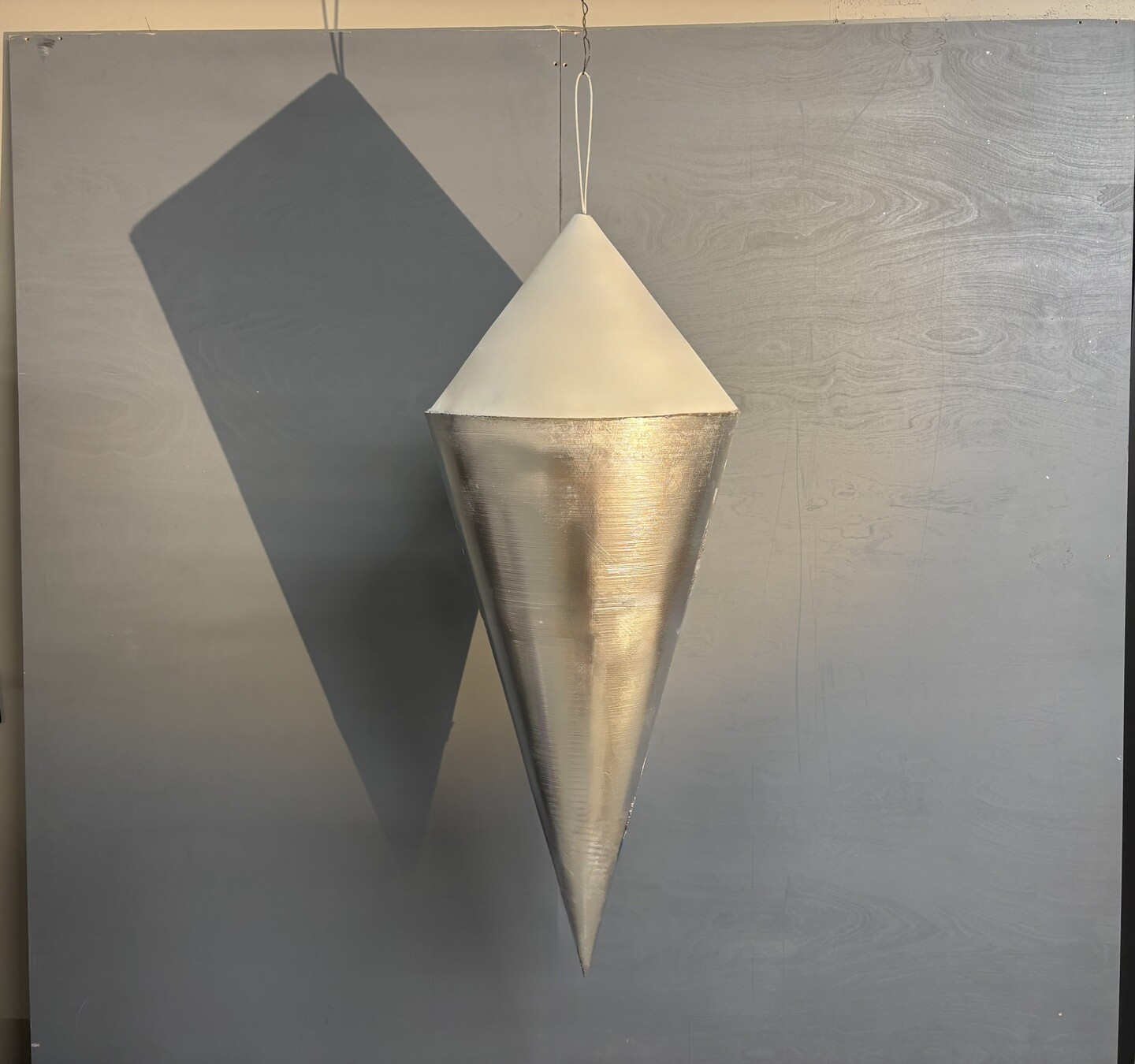
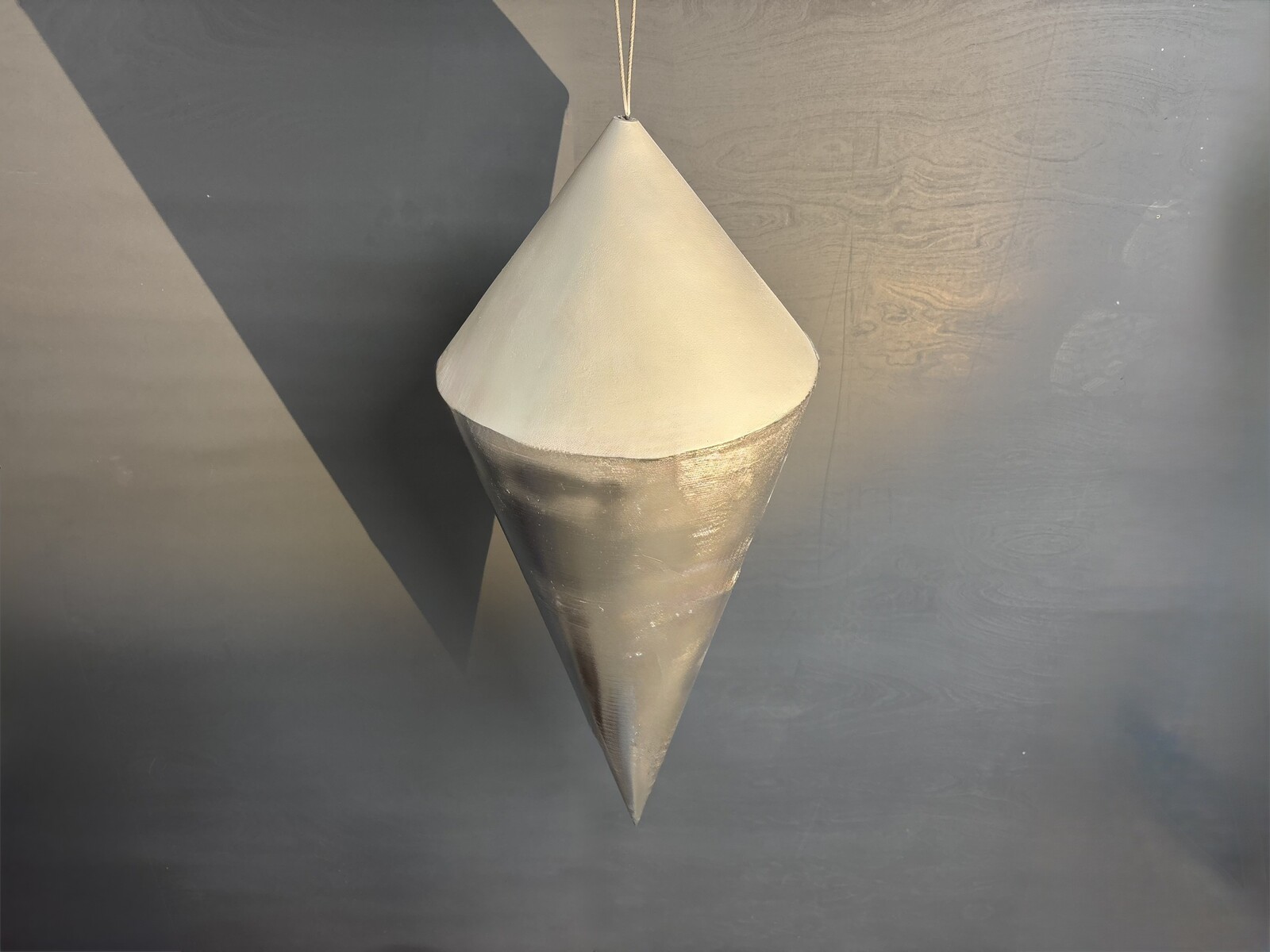
A dynamic installation featuring droplet-shaped objects is planned for the central stairwell area.
Each object represents a distinct artistic discipline, and its form references the primary function of the architectural structure.
Concept
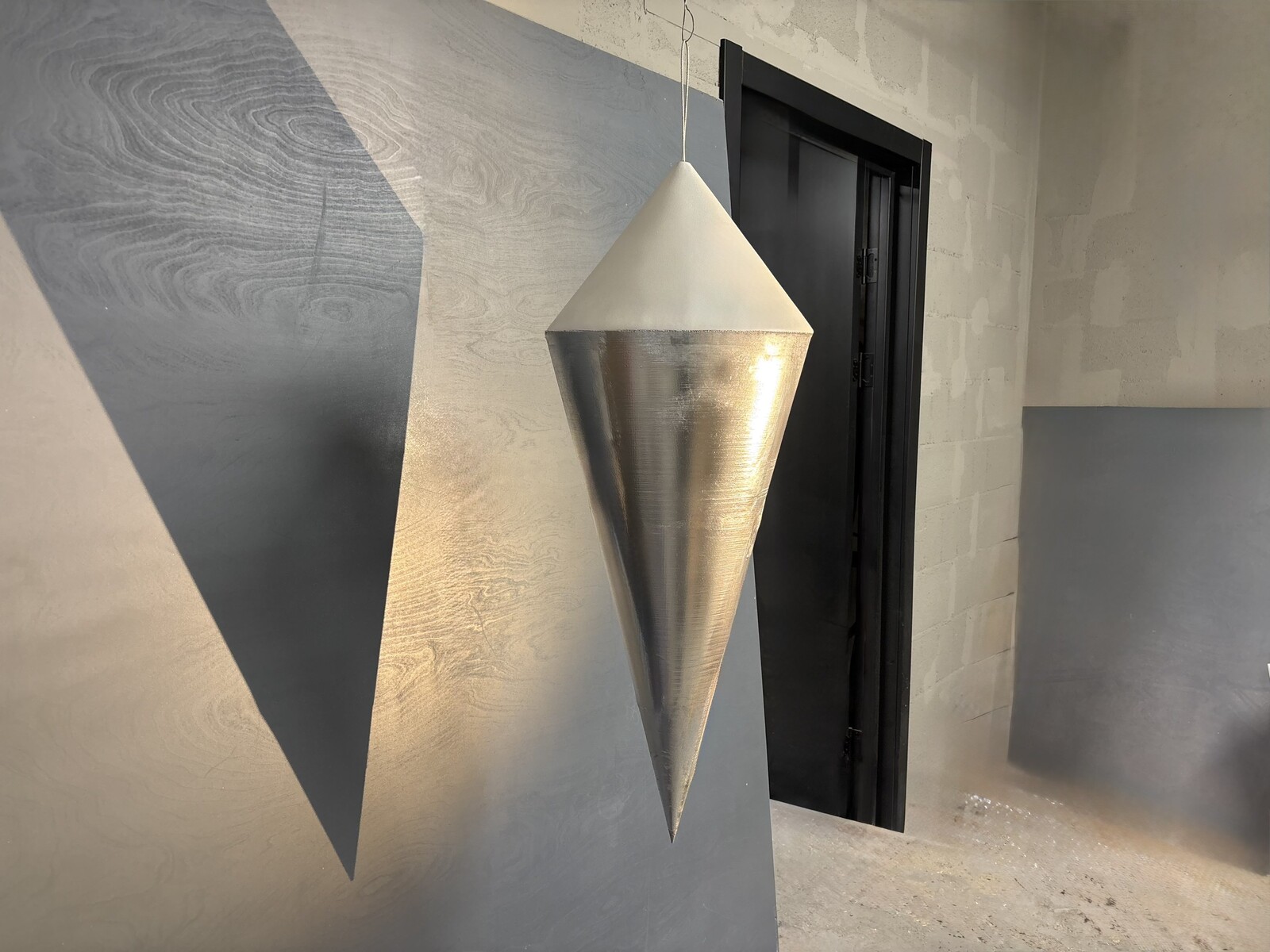
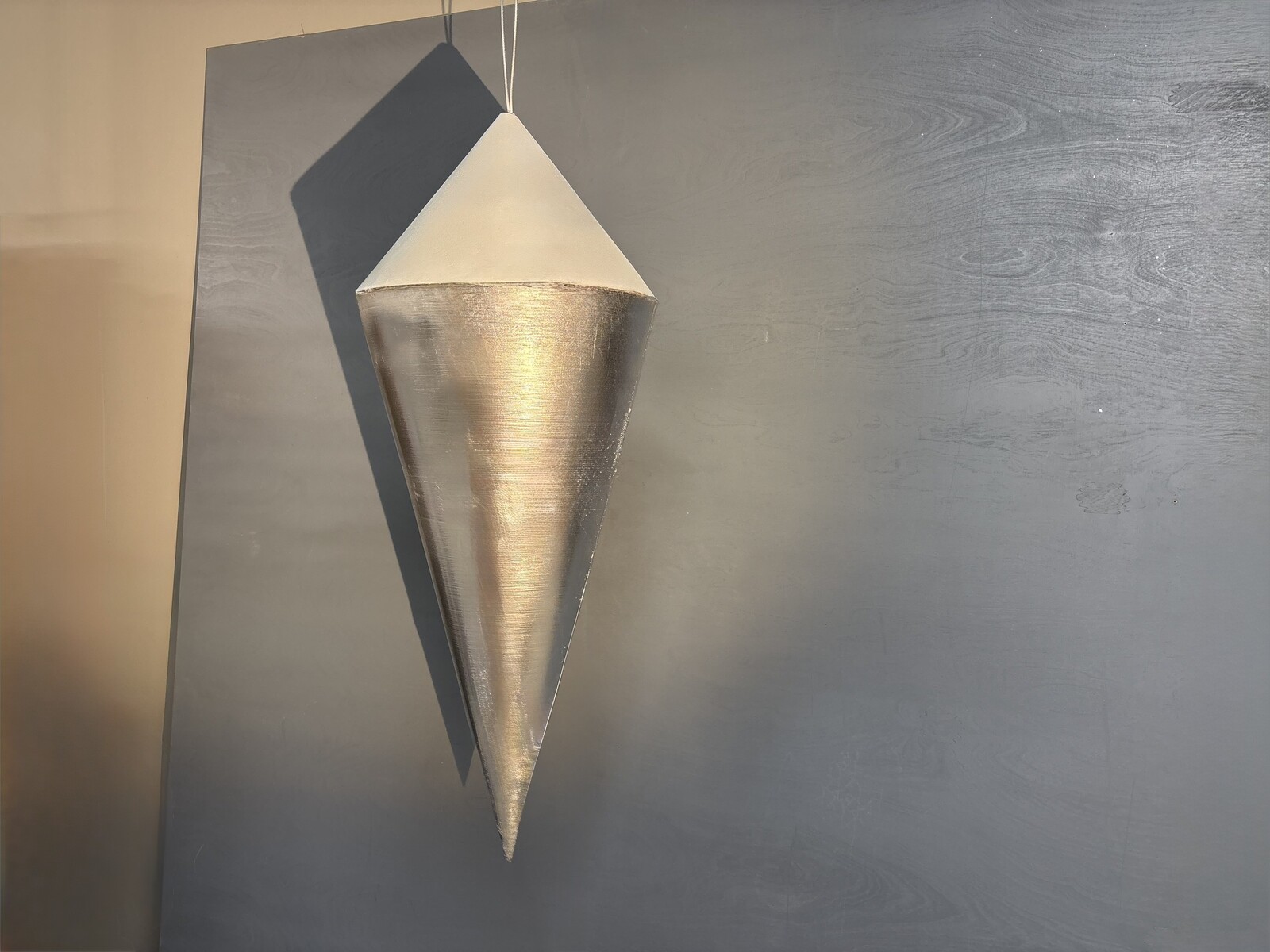
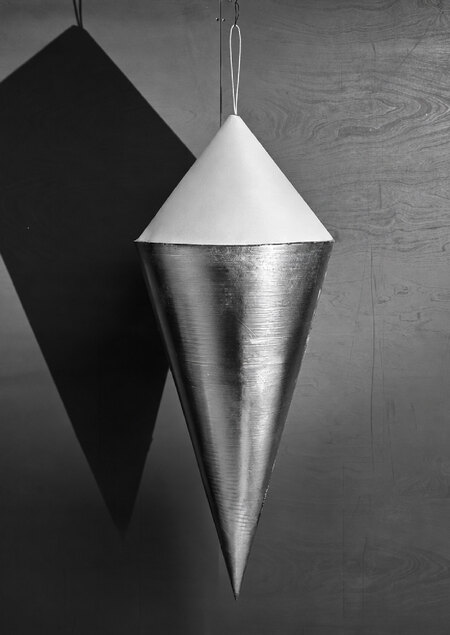
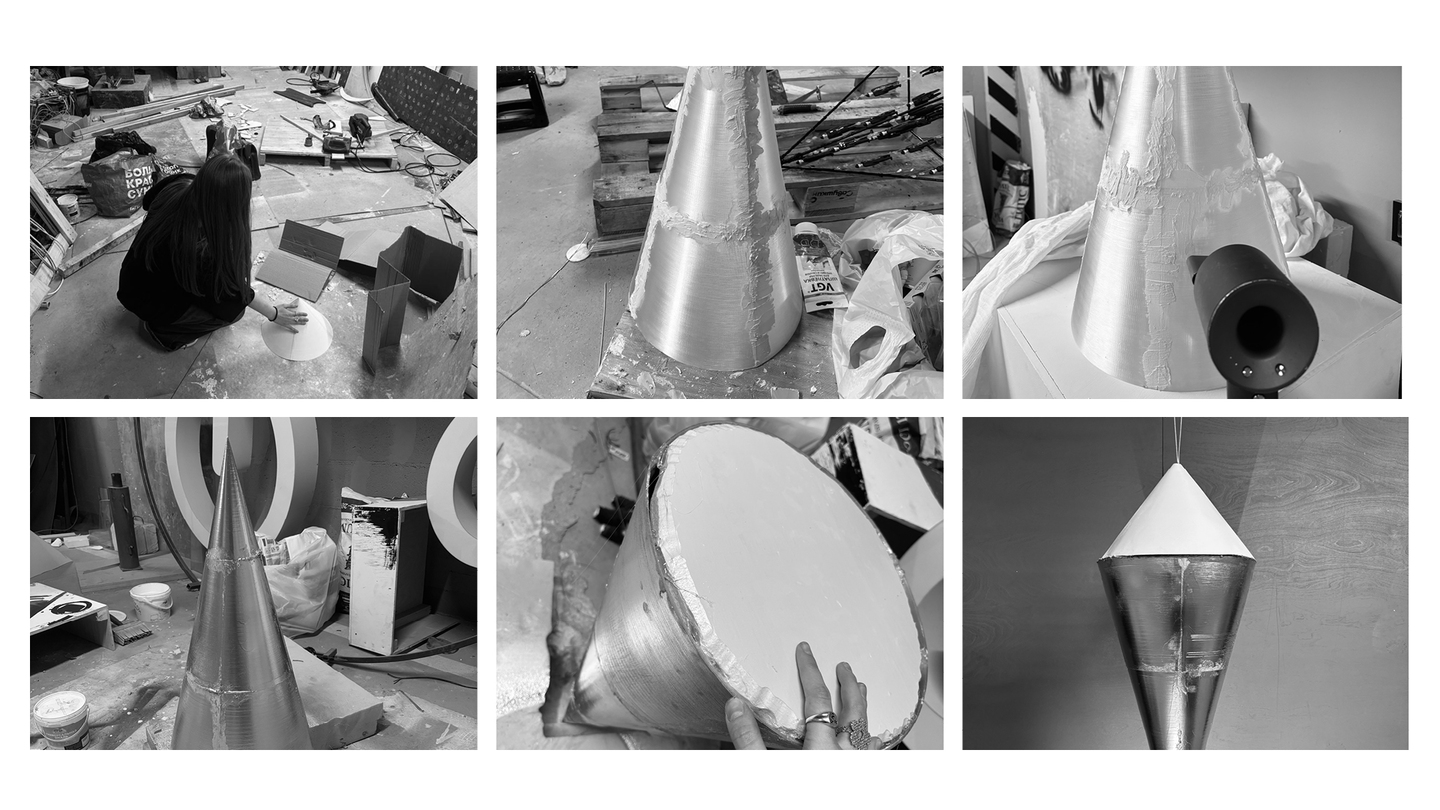
The art object resembles an iceberg—a drop of water that, having passed through all its states, is frozen in a sculptural form.
The facets of the block cut away everything unnecessary, leaving only what is essential: pure geometry devoid of visual noise.
This is the essence of minimalism: to reveal not everything, but only what is truly important to see.
The object is placed in a defunct water tower—a space where the drop’s form gains scale and harmonizes with the reservoir’s architecture.
Moodboard
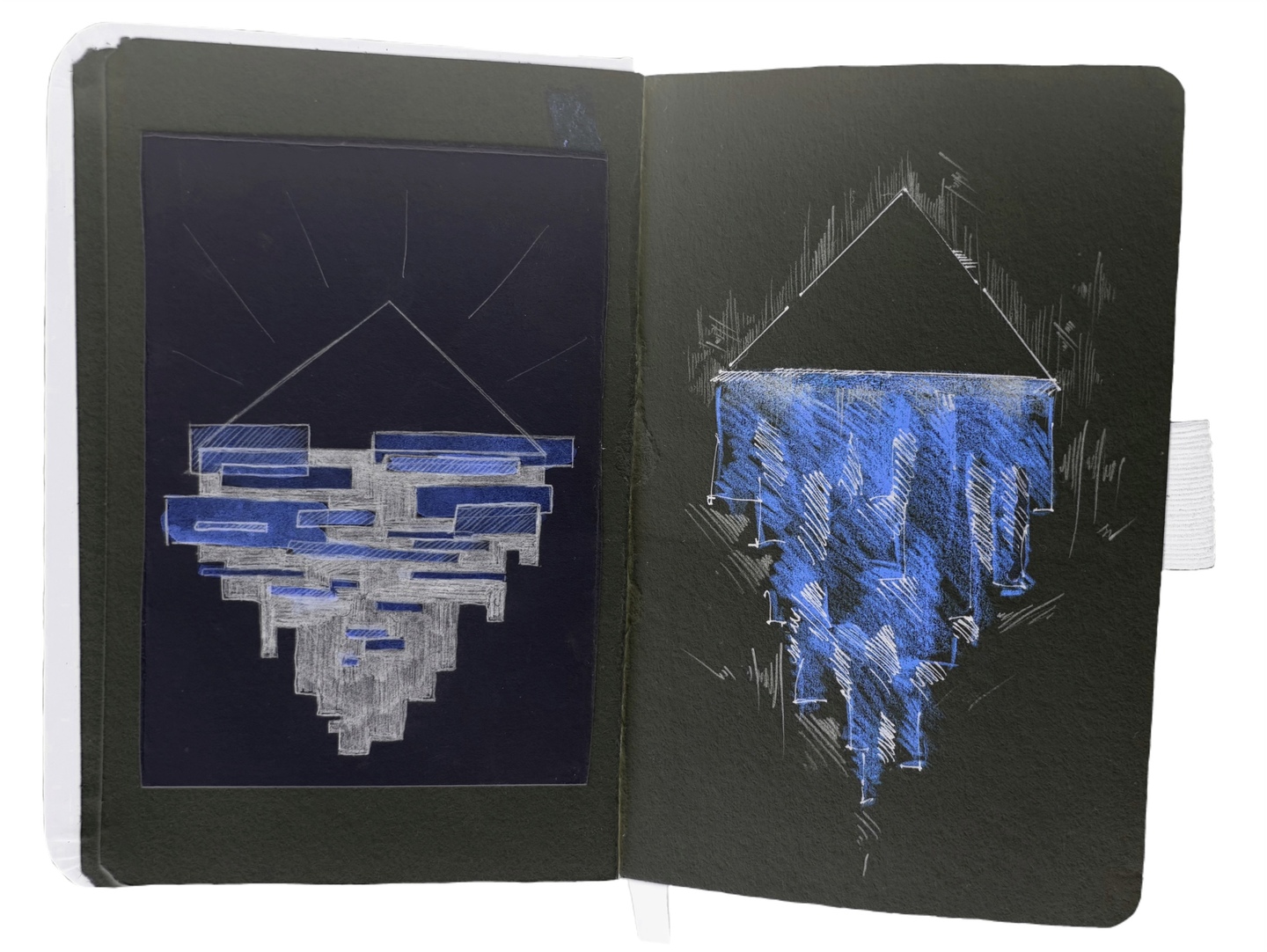
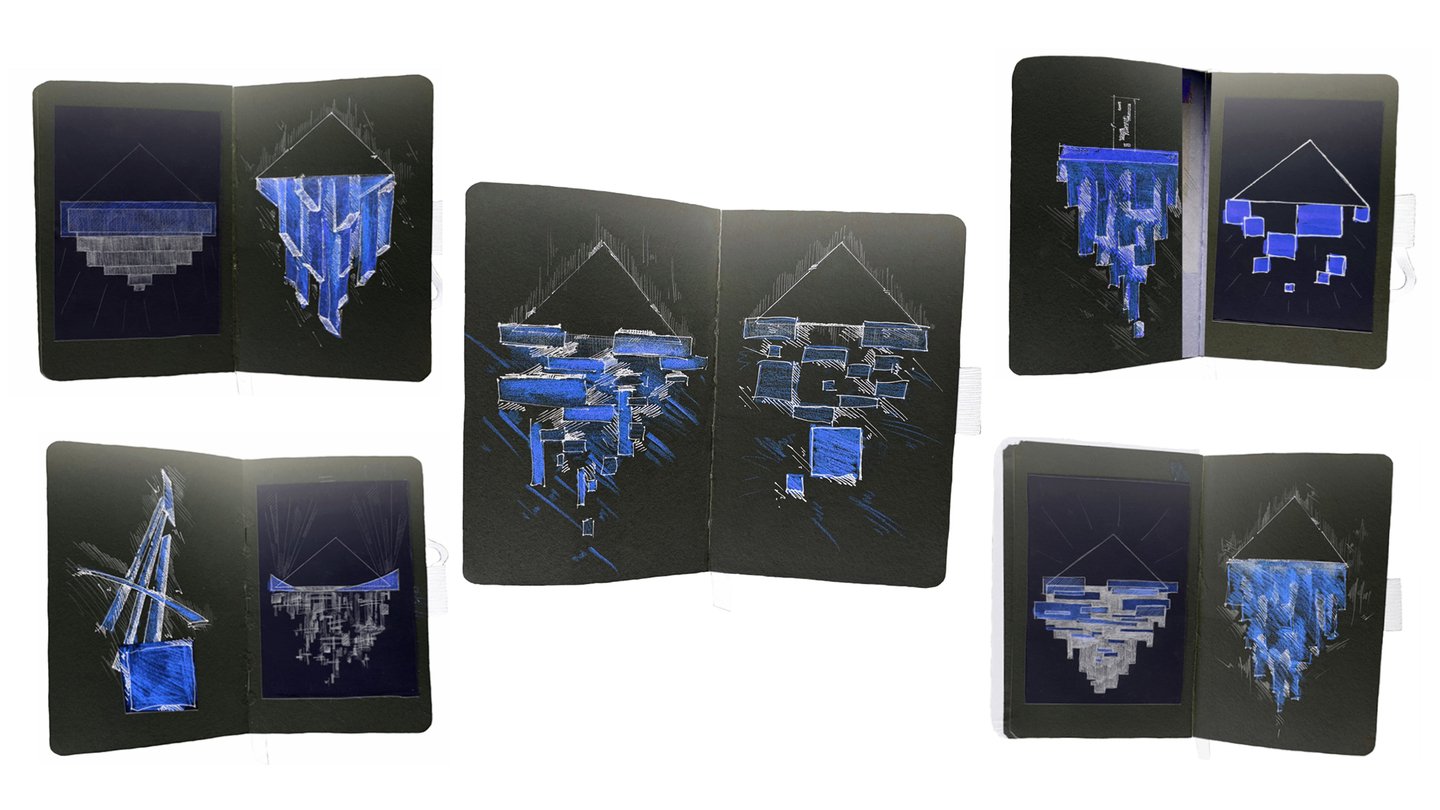
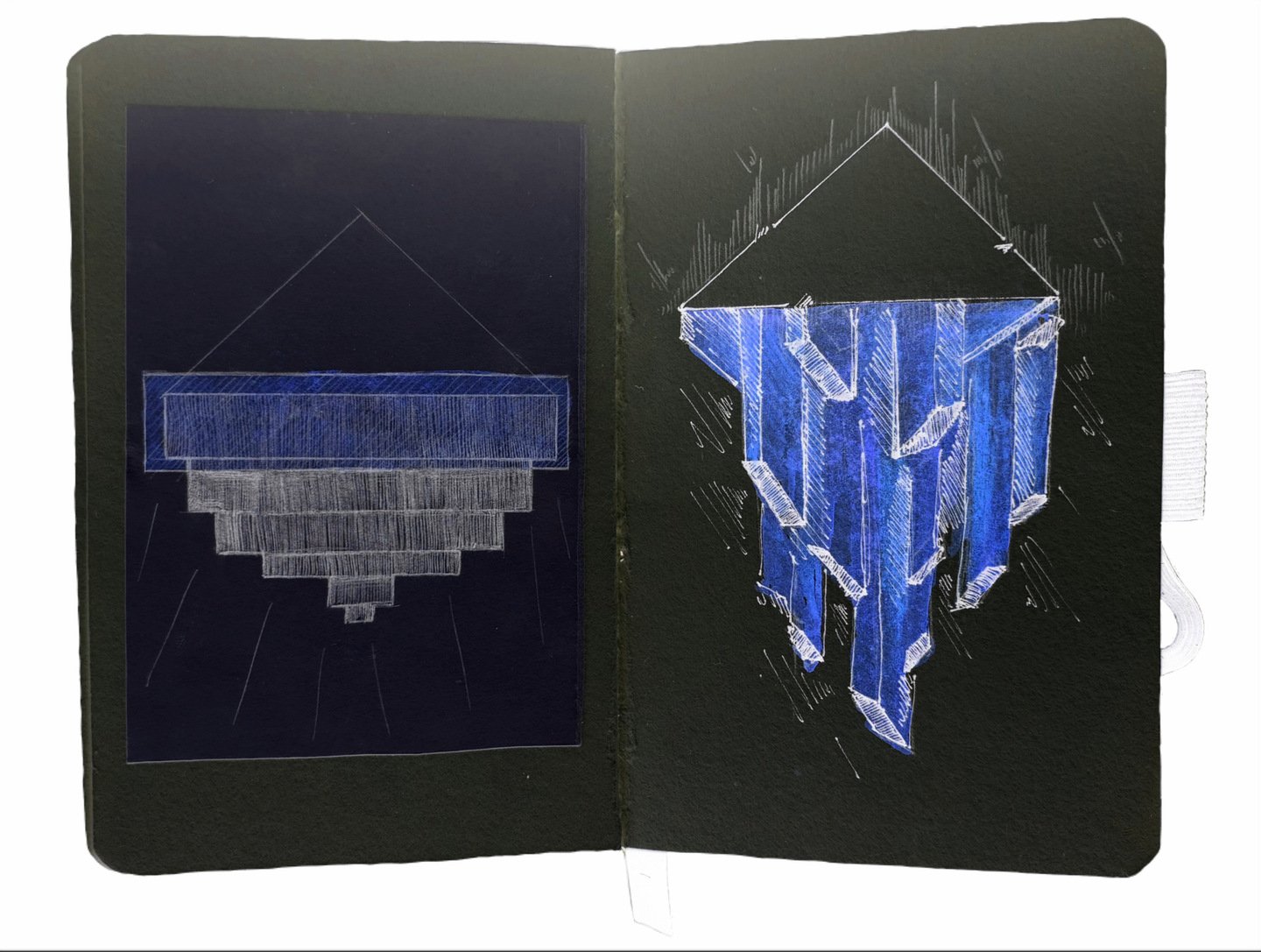
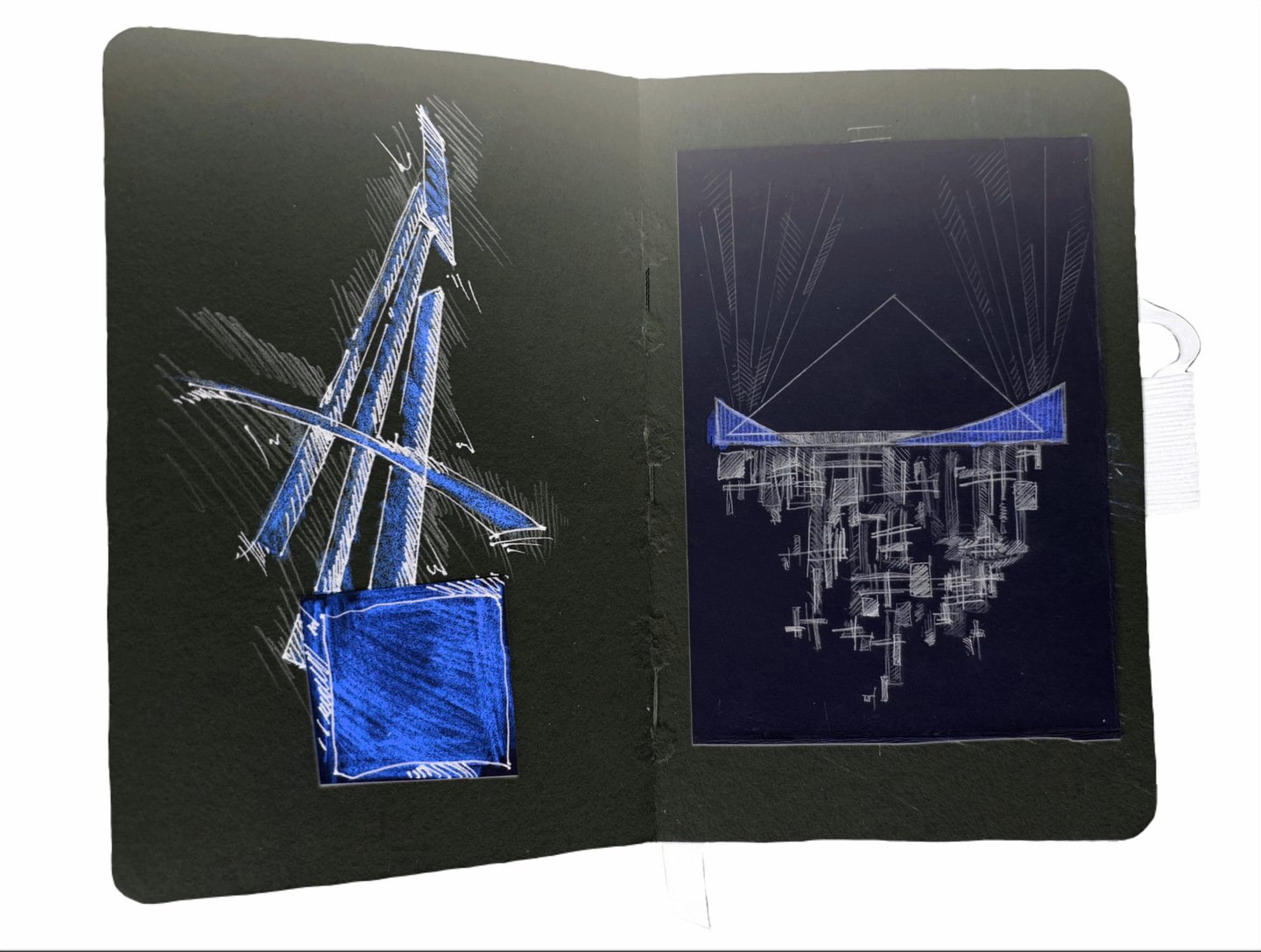
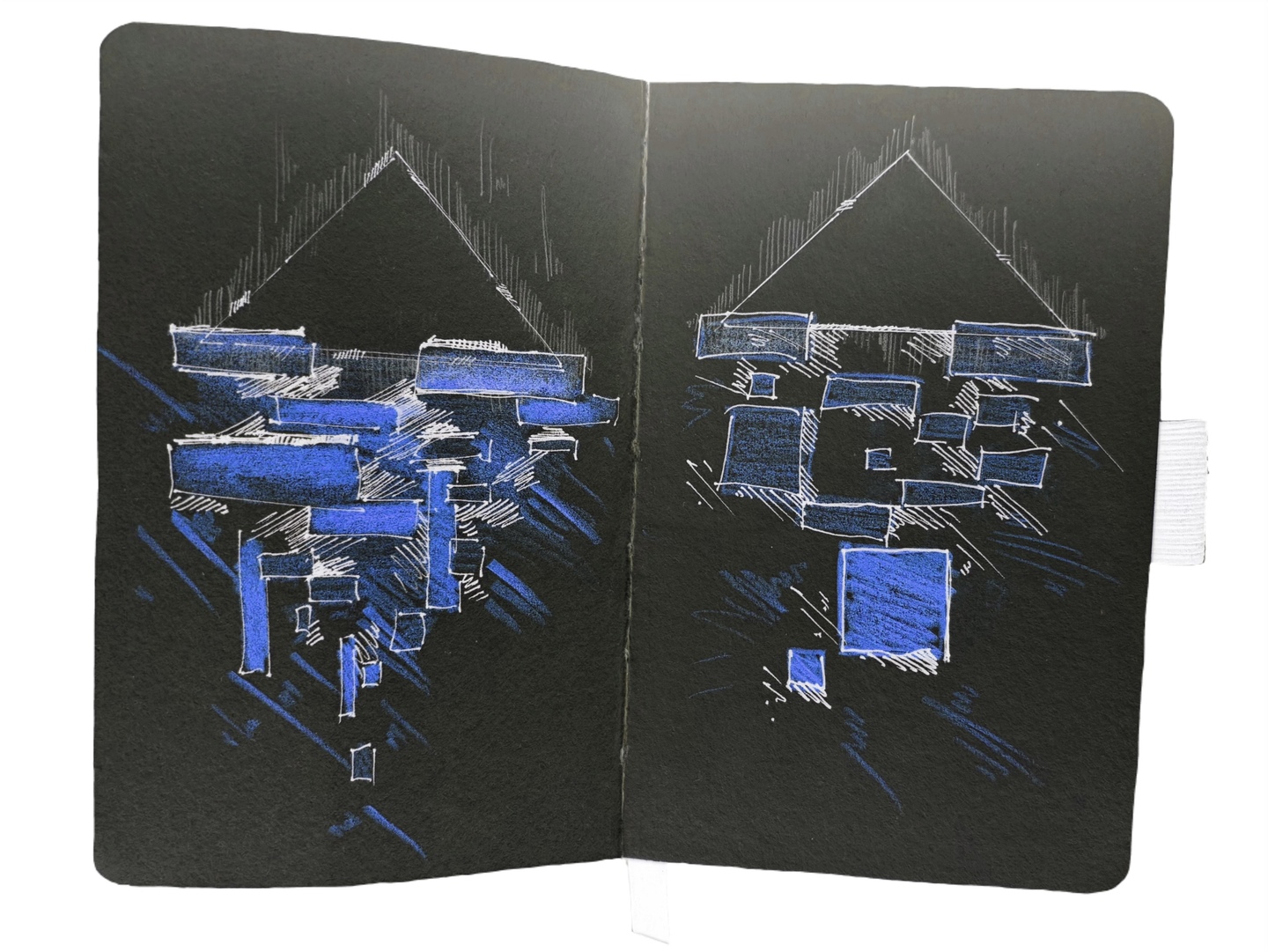
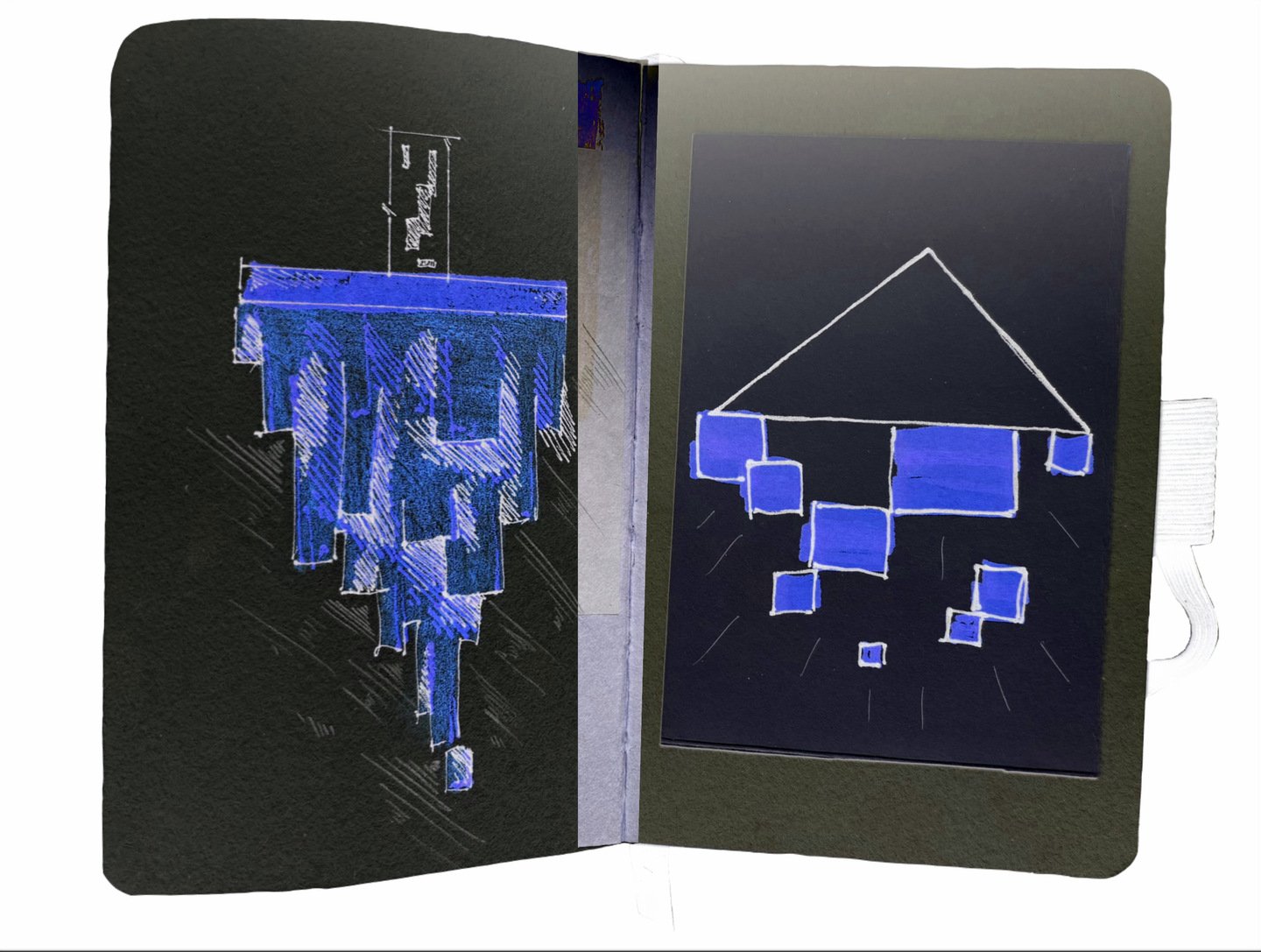
Эскизный поиск
3D Model Search
Selected Object Model
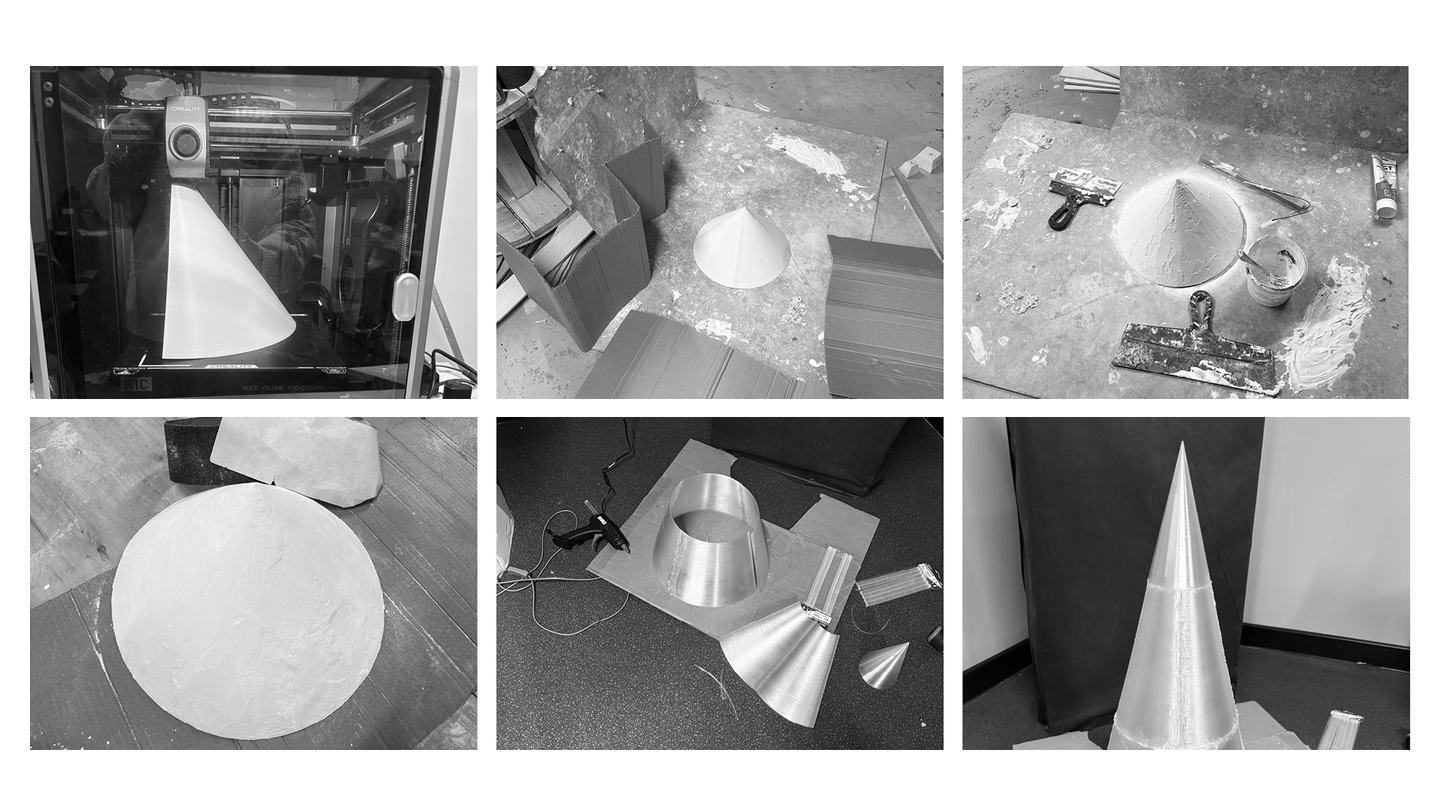
3D model for printing
Materials
The Process
Art Object