Дизайн и анимации игрового персонажа жанра шутер
A Practical Guide to Creating 2D and 3D Game Characters and Animating Them for Shooter Video Games
What will this course cover?
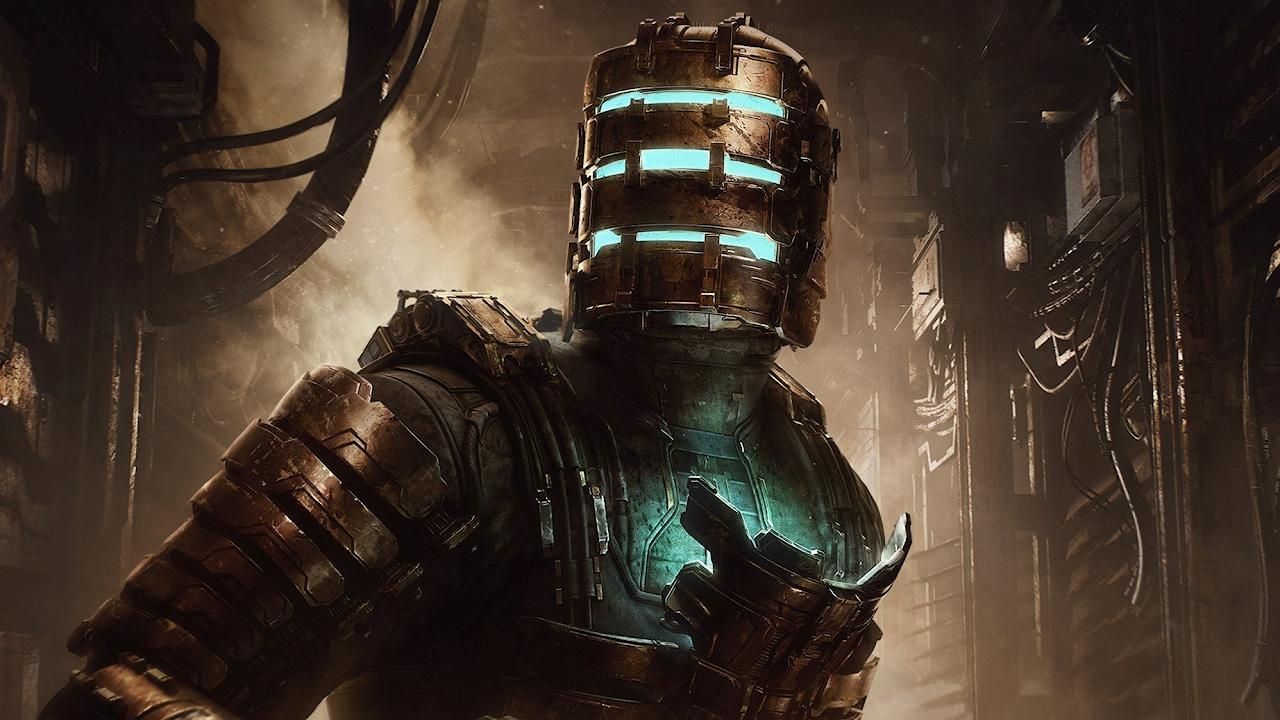
Character design in a shooter is more than just an avatar; it is the player’s primary interface. The player constantly sees the state of the hands and weapons. Unlike platformers, where the hero is often fully visible, the design here is usually built around the camera and its interaction with the character. The camera type directly determines the focal point. In first-person views, like in Doom, the player sees the hands and weapons—the face and emotions remain off-screen. This allows for easier immersion because we are seeing through the eyes of our avatar. In third-person views, like in The Evil Within or Dead Space, the camera follows the hero from behind, making the back and silhouette key design elements just as important as the character’s frontal appearance.
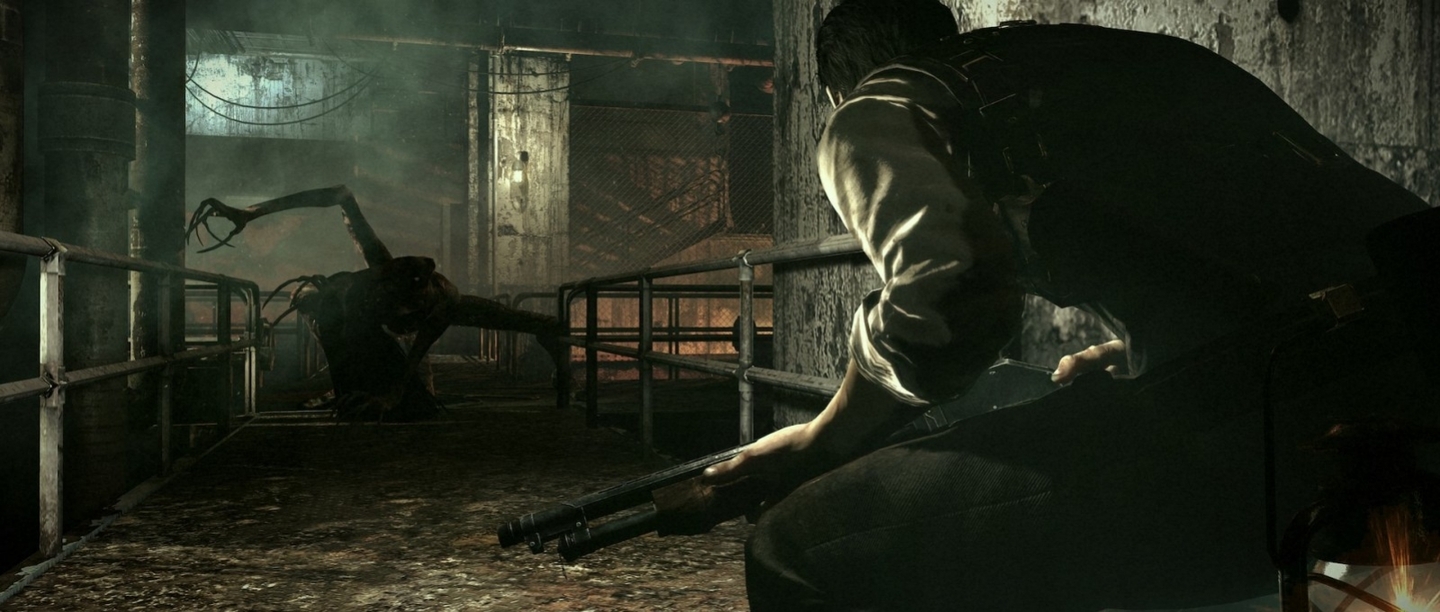
The Evil Within, Tango Gameworks, 2014
Before beginning the design process, it is crucial to consider the technologies, mechanics, and type of in-game camera—what parts of the in-game character will be accessible to the player, and what information the player can infer from the in-game avatar’s portrait.In Doom, the Executioner’s armor is massive and functional: the shoulder flamethrower, wrist blade, and heavy plating underscore brute strength and aggression. The first-person camera makes every movement of the weapons and arms part of the character’s design. In The Evil Within, Sebastian Castellanos is designed as an «ordinary person”—a detective who is tired, makes mistakes, and does not appear invincible. The third-person camera allows us to see his heavy gait and clumsy movements, which amplifies the sense of vulnerability. In Dead Space, Isaac Clarke is an engineer, not a soldier, and his suit reflects this: a glowing strip on his back serves as a diegetic health indicator, and the suit itself looks like work attire rather than battle armor. Here, the character design also performs a functional role—the player reads the hero’s condition through his suit.
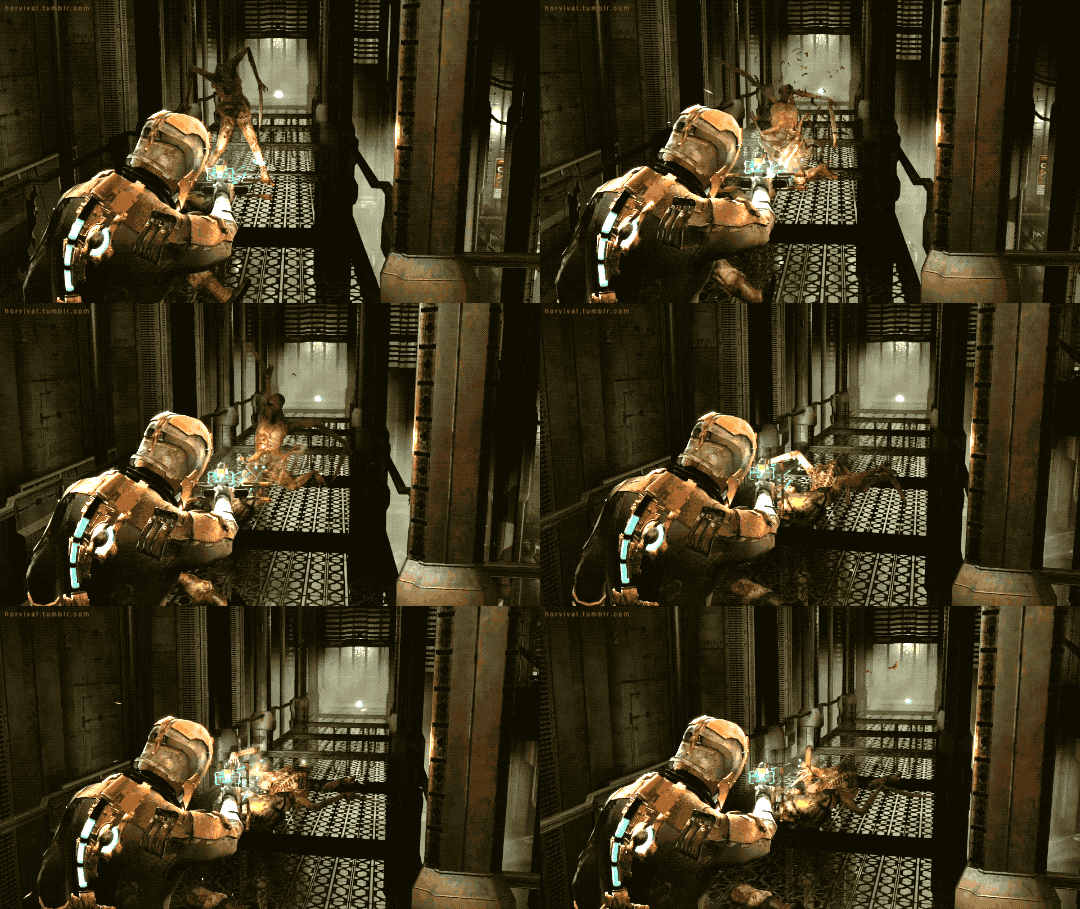
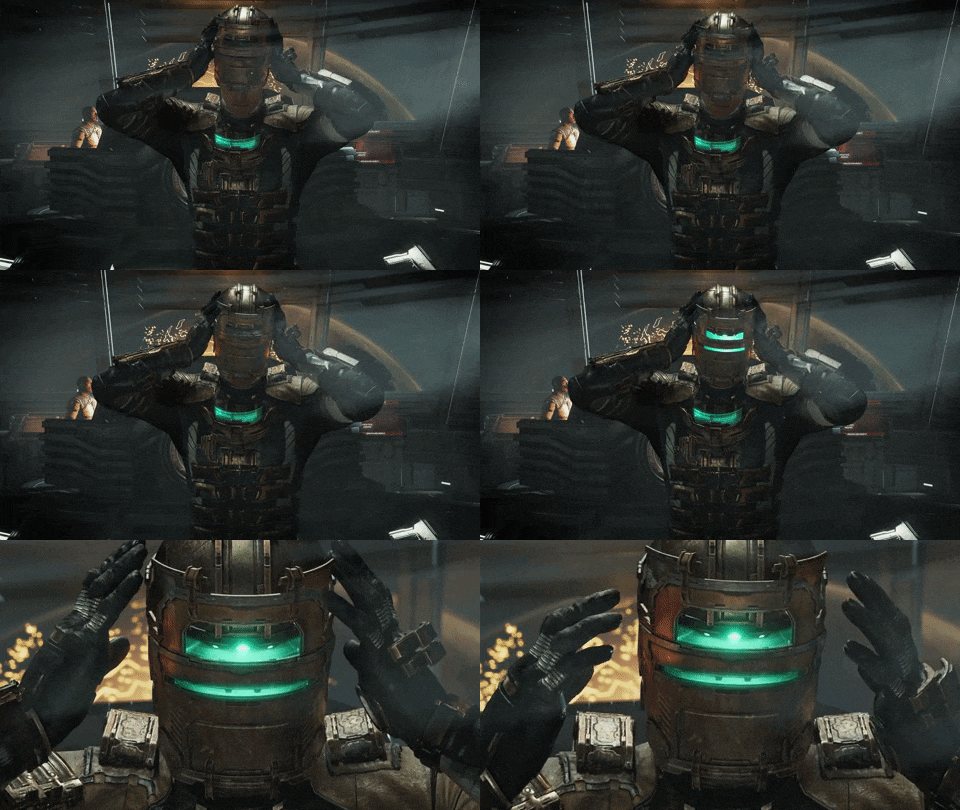
Dead Space, EA Redwood Shores, 2008
Students analyze iconic characters from shooter games—examining their silhouettes, color palettes, the connection between appearance and abilities/lore, and the influence of technology and game mechanics. Based on this analysis, they design their own characters (history, world, objectives, abilities, weaknesses), illustrate them, and prepare them for animation while mastering 2D and 3D technologies, including frame-by-frame and skeletal animation in Moho and Blender.
Silent Hill: Townfall, Screen Burn Interactive, 2026
The course will culminate in a set of 2D and 3D characters, along with a corresponding set of animations for each, suitable for a platformer.
MOUSE: P.I. For Hire, Fumi Games, 2026
Who is this course for?
This course is suitable for beginner game developers who wish to learn the specifics of creating shooter video games.
The course focuses on working on the visual design of a game character, creating animation for it, and subsequently integrating these assets into a game engine.
Course duration: 8 weeks.
Contact hours:
64 academic hours.
Classes are held in an online format.
Course Prerequisites
Ideally, students should have foundational competencies in graphic design or be willing to acquire them concurrently with the course.
Experience with video games, particularly in the shooter genre, is also beneficial.
What will students learn in this course?
Resident Evil Requiem, Capcom, 2026
— Analyze trends in shooter character design, taking into account style, gaming platform, and technology, while also working with color palettes, silhouettes, and detailing;— Create 2D design for game characters and their weaponry;— Create frame-by-frame animation;— Create skeletal animation;— Create 3D models of game characters and their weaponry;— Create the skeleton and animations for 3D characters and their weaponry.
What practical assignments will students complete in this course?
— Moodboard — a collection of references, along with justification for the chosen style, color, and silhouette;— Character Sketches and Iterations — a series of rough drafts gradually developing the character’s design, culminating in the final design with a rationale for all visual decisions;— Practical Assignment in Moho — creating a looping frame-by-frame animation of shooting and walking;— Practical Assignment in Moho — creating a looping skeletal animation of shooting and walking;— Practical Assignment in Blender — creating a simple topology for the character and their weapon using the software’s tools;— Practical Assignment in Blender — creating a looping animation of shooting and walking for the character, complete with a skeleton.
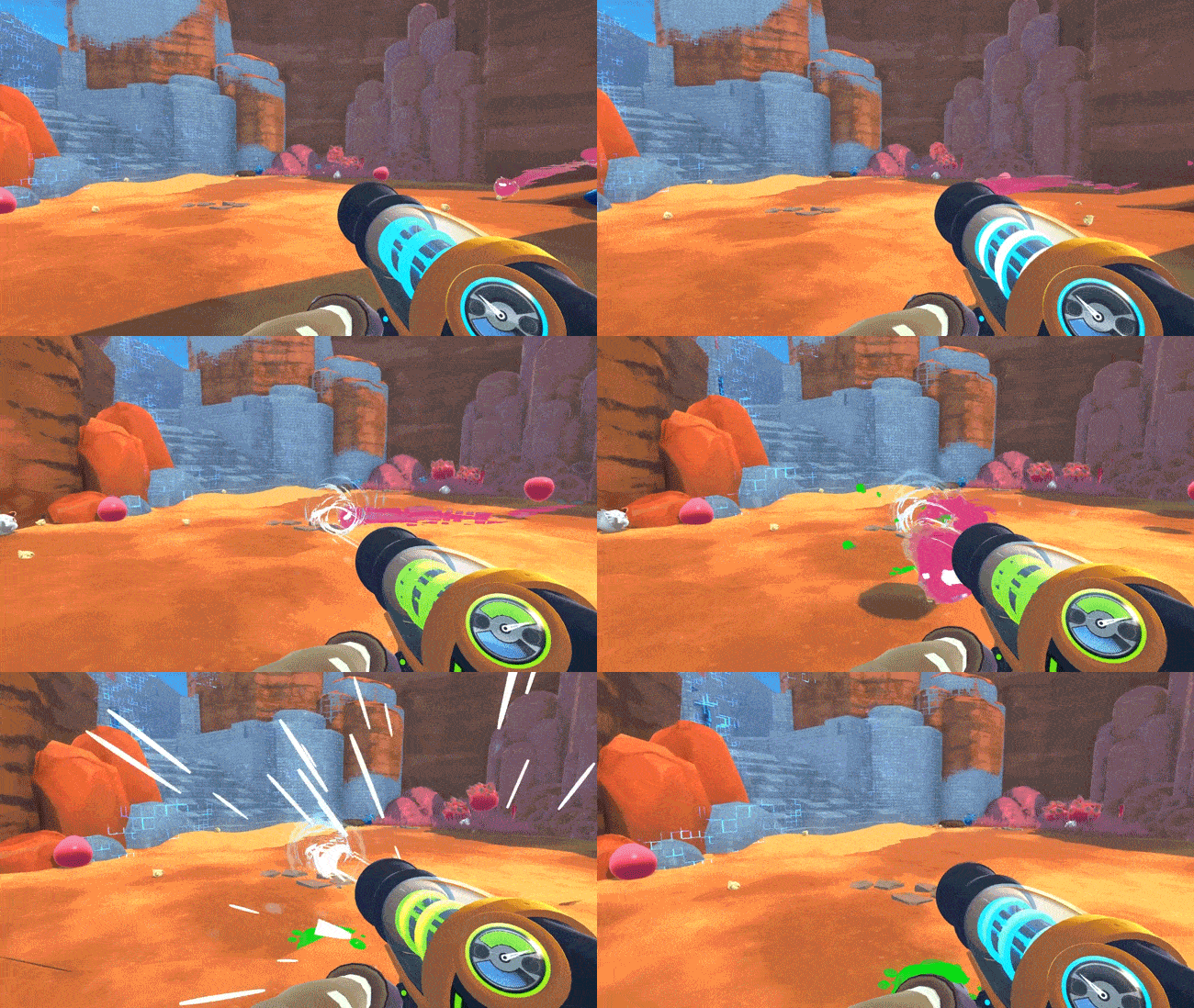
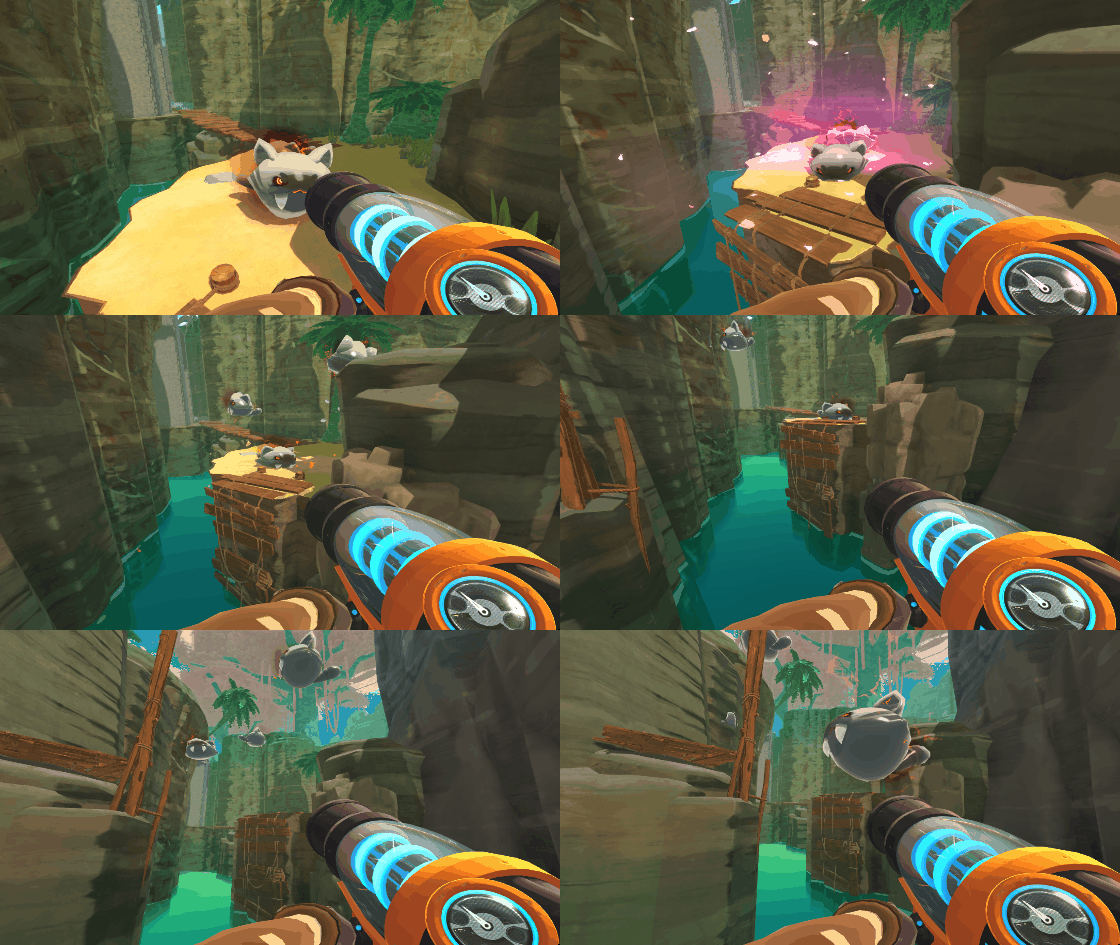
Slime Rancher, Monomi Park, 2017
Thematic Curriculum Plan