Создание визуального дизайна и анимации игрового персонажа жанра платформер: курс 1
A Practical Guide to Creating 2D and 3D Game Characters and Animating Them for Platformer Video Games
What will this course cover?
Character design is the calling card and the face of a project: this is the hero the player sees on the cover, in the trailer, and throughout the entire gameplay. Therefore, for platformers, it is especially important that the character is distinctive and memorable, yet not overly cluttered.Because in platformers, we most often see the hero from a distance—for example, with a Side Scroller camera, as in Hollow Knight. The character in such a context must be concise and occupy little screen space—an intricate silhouette and excessive detail will blur its image, making it illegible.
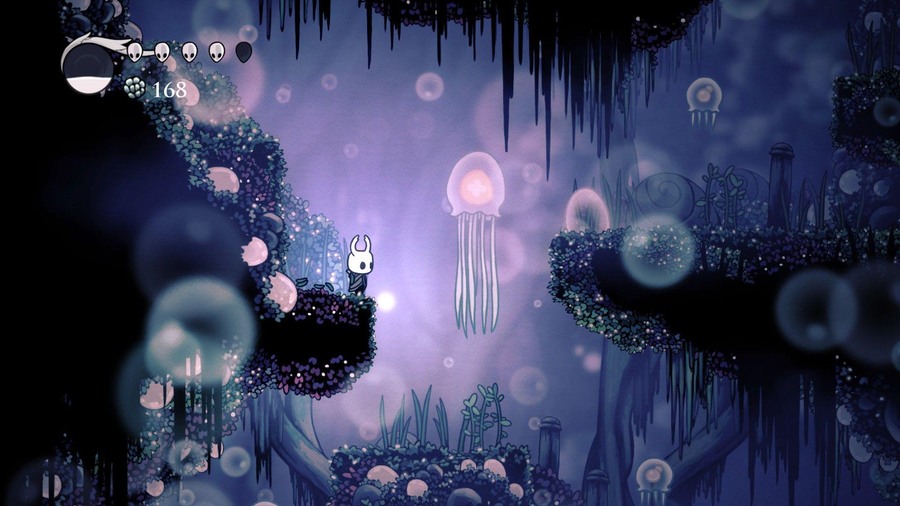
Hollow Knight, Ari Gibson, 2017
The camera type directly determines where the focus should lie. A first-person camera, like in Mirror’s Edge, emphasizes hands and feet because the player cannot see the character’s face. From a third-person perspective, such as in Crash Bandicoot or Alice: Madness Returns, the camera follows the hero from behind; therefore, the back must be as engaging as the front.
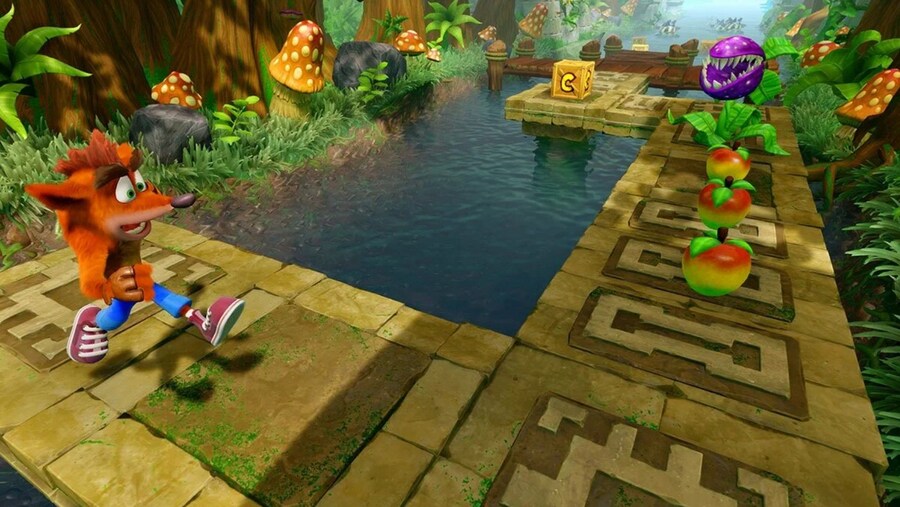
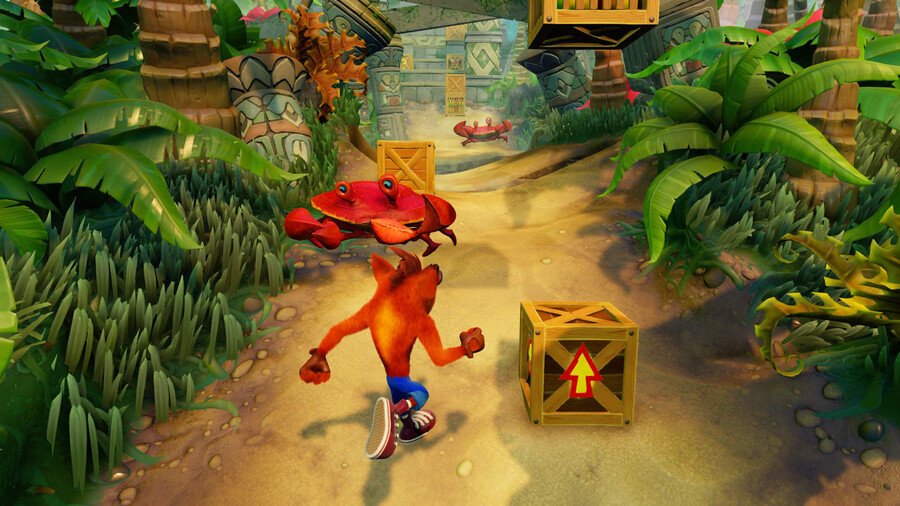
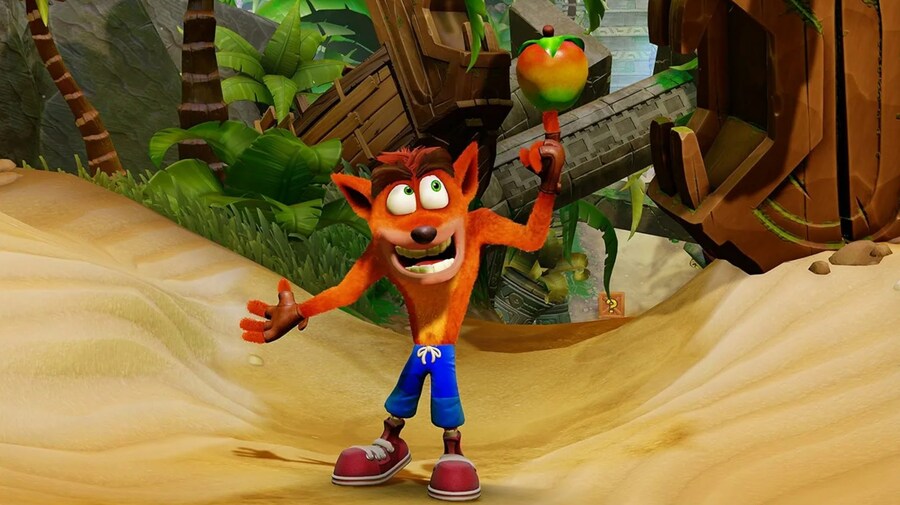
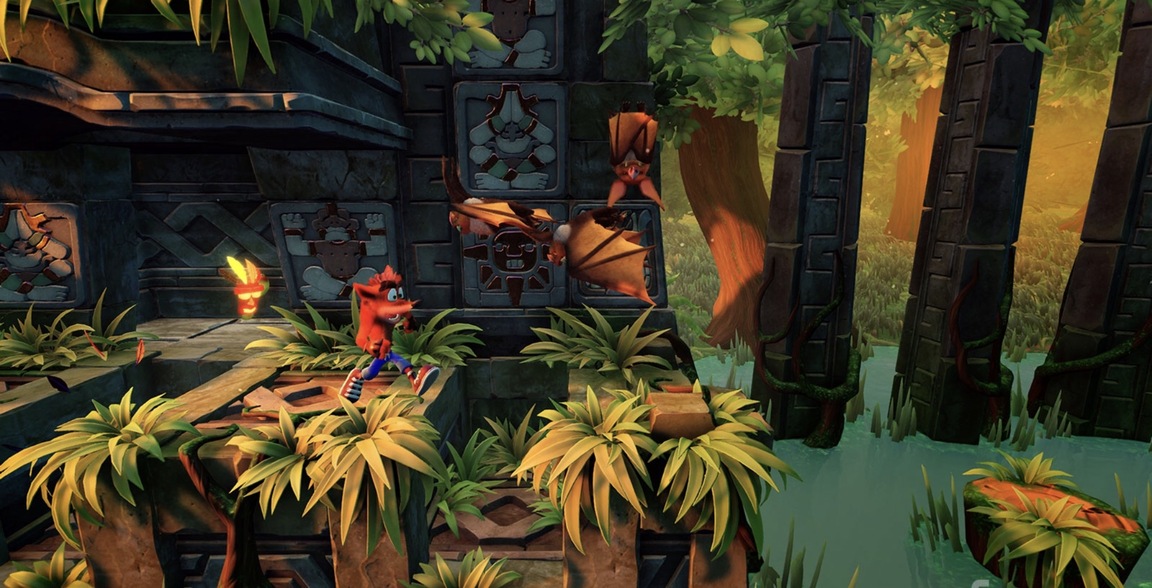
Crash Bandicoot N. Sane Trilogy, Activision, 2016
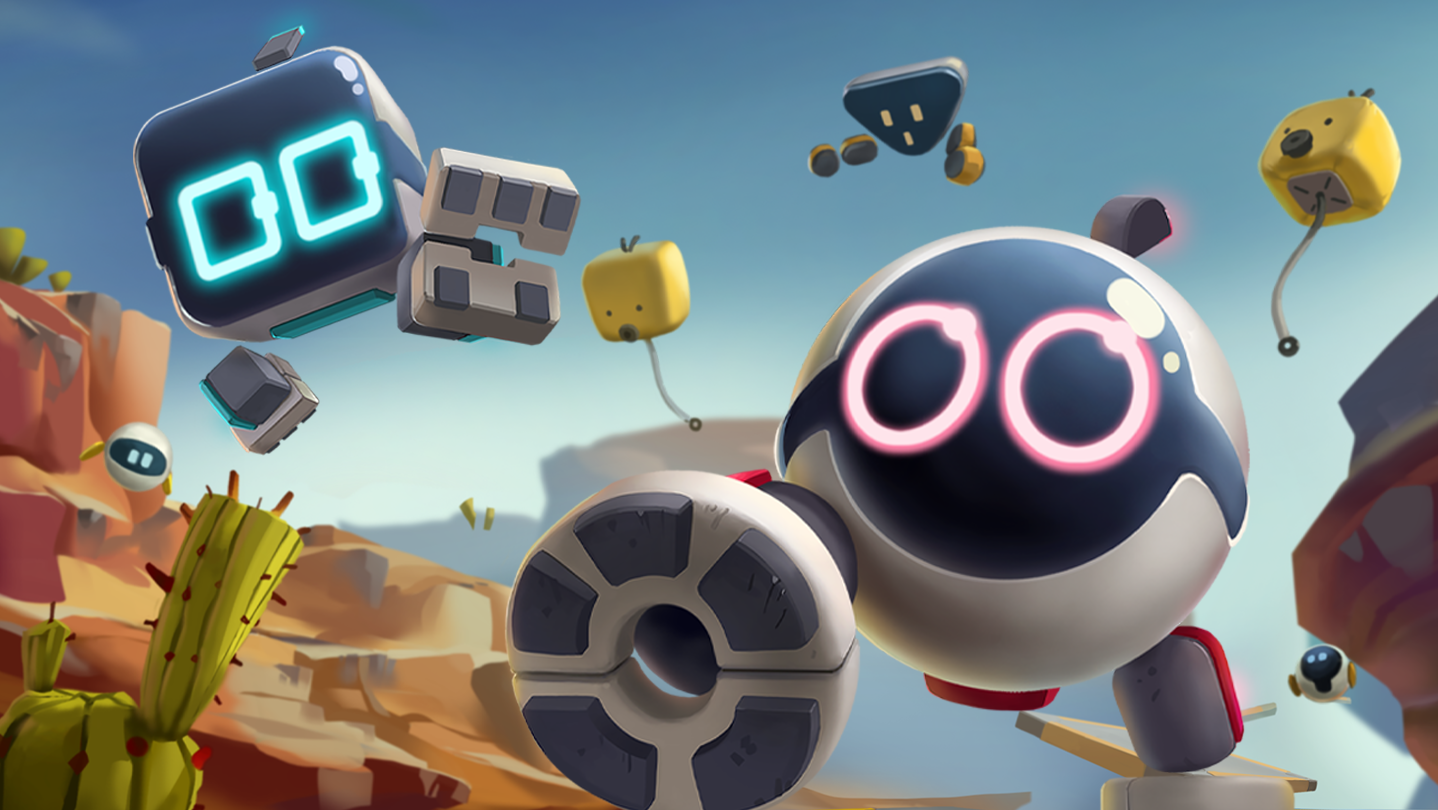
Before diving into design, it is crucial to consider the development technologies, mechanics, and camera view—this will suggest where to focus attention and what the player will never see. Beyond the technical aspects, the thematic layer is also vital: the protagonist must convey a message or align with the world—whether like the scouts in PEAK, whose goal is to reach the summit, or the quirky robots in Biped, who learn to walk while restoring the planet’s flora.
This is why the approach to designing a game character differs significantly from creating a character for other media: it must function within dynamic movement, from various angles and distances, sustain prolonged interaction with the player, and carry not only an artistic but also a functional burden.
Participants analyze the design of iconic platformer characters: why their silhouettes are recognizable, what color palettes are used, how their appearance communicates their abilities and history, and how game technologies and mechanics have shaped these archetypes. Based on this analysis, participants conceive several of their own characters—developing their backstories, worlds, goals, abilities, and weaknesses. They then illustrate these heroes based on their notes and prepare them for animation. Participants experiment with various techniques for creating 2D and 3D characters, as well as different animation workflows. The course covers both frame-by-frame and skeletal animation using the Moho and Blender applications.
The outcome of the course will be a set of 2D and 3D characters, along with a set of animations for each, suitable for a platformer.
Who is this course for?
This course is suitable for beginner game developers who wish to learn the specific aspects of creating platformer video games.The course focuses on the visual design of game characters and creating animations for them, as well as the subsequent integration of these assets into a game engine.
Course duration: 8 weeks.
Contact hours:
64 academic hours.
Classes are held in an online format.
Course Prerequisites
Having basic competencies in graphic design is recommended, or a willingness to acquire them concurrently with the course.
Experience playing video games, especially in the platformer genre, is beneficial.
What will students learn in this course?
Part 1: Platformer Character Design
— Analyzing trends in platformer character design, considering style, game platform, and technology; — Analyzing and breaking down existing platformer characters: working with color palettes, silhouettes, and detailing; — Analyzing the connection between character design, narrative, and mechanics;Part 2: 2D Character and Animation Development in Moho
— Creating a character for frame-by-frame and skeletal animation; — Creating frame-by-frame animation; — Creating skeletal animation;Part 3: 3D Character and Animation Development in Blender
— Creating a 3D model of the character; — Creating a skeleton for the model, ensuring correct bone rigging to topology; — Creating a set of animations for the created character with its skeleton.What practical assignments will students complete for this course?
Part 1: Platformer Character Design
— Project analysis: its history, focus on mechanics, and technology utilization—and a hypothesis on the possible character style and camera perspective; — Analysis of positive and negative traits in the platformer character design and suggestions for correction; — Developing the character design based on the project description—what the project is about, what mechanics the hero possesses, and what world they inhabit;Part 2: 2D Character and Animation Development in Moho
— Preparing the character for animation: object layering, assigning proper names, and layer hierarchy; — Drawing frame-by-frame looped 2D animation: a bouncing ball moving side to side; — Creating looped skeletal 2D animation based on assets: a dog wagging its tail and playing with a ball;Part 3: 3D Character and Animation Development in Blender
— Creating simple topology using learned tools: Mirror, Solidify, Subdivision—a leaf, a starfish, a soft chair; — Creating a skeleton and rigging the skeleton to a finished 3D mouse model; — Creating a looped walk cycle animation for the prepared character with its skeleton.Thematic Lesson Plan