Concept
The project investigates the possibility of transmitting not a single object or character to a neural network, but the visual logic of a photographic series. It is based on black-and-white images of museum spaces, reflections in glass, visitor silhouettes, architectural fragments, and city streets. These frames are unified by a muted atmosphere, texture overlays, and the distance between the observer and the image. The goal of the experiment is to test whether the model can reproduce the stable characteristics of the series while altering the subject matter, space, and composition.
Source images
The selection includes museum interiors, objects behind glass, human reflections, shadows, fragments of the urban environment, and architecture. All images are from my personal photo project.
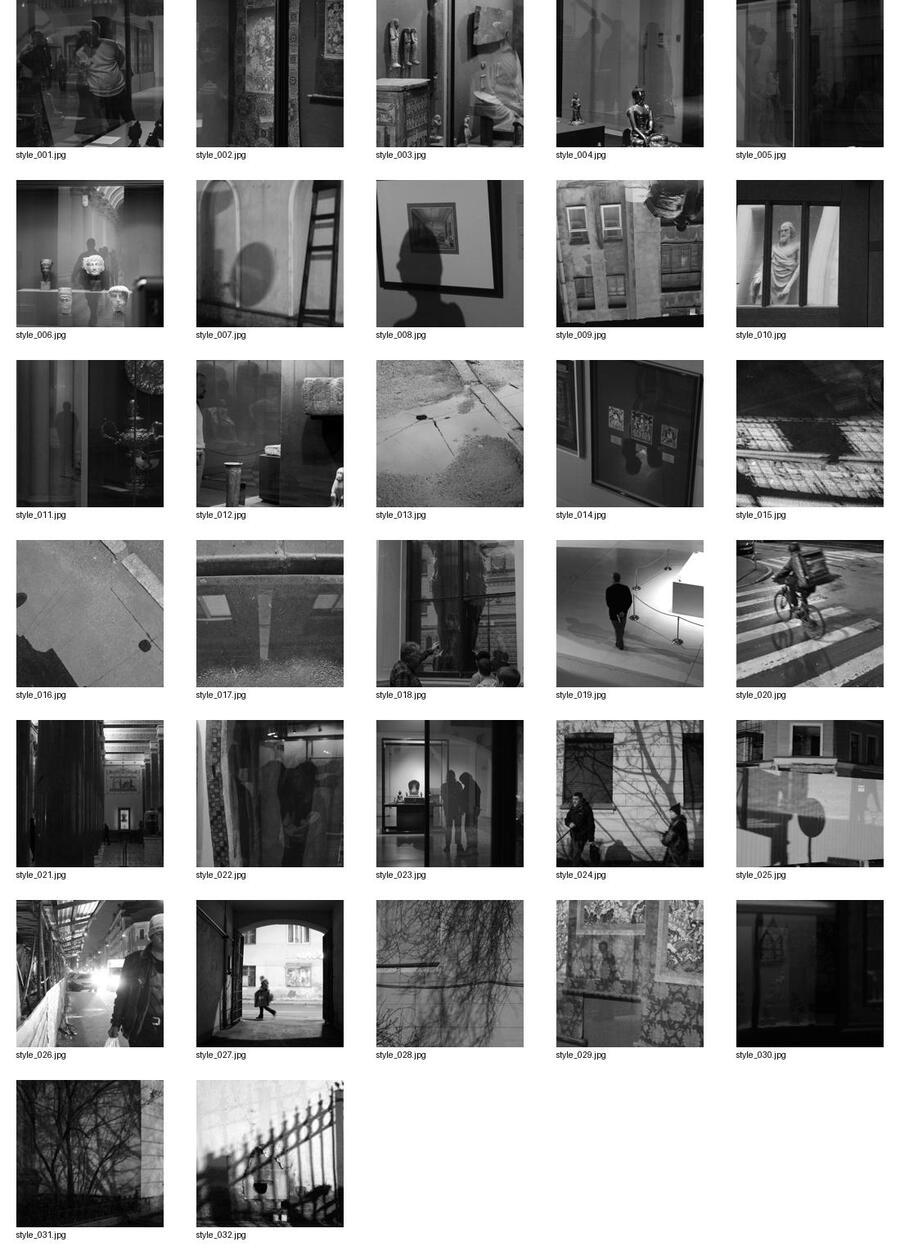
a dataset of 32 square photographs, sized 512×512 px
Method
Base Model — Stable Diffusion XL 1.0. LoRA is used for adaptation: a small set of additional parameters is trained that links the special text marker obsrvstyle to the visual patterns of the dataset. Draft captions are created using BLIP and are then verified before training. Generation is performed using a series of text prompts with different motifs and fixed parameters.
The notebook utilizes a training resolution of 512 × 512, 500 steps, a learning rate of 1e-4, gradient checkpointing, and mixed precision FP16.
Final Series
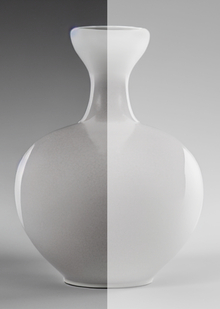
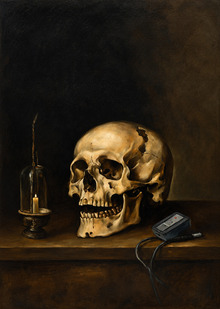
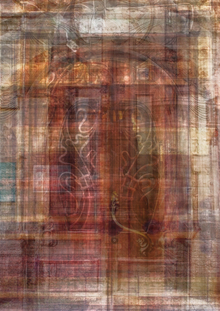
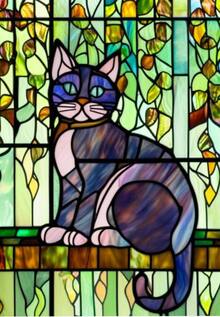
The series is structured as a small visual investigation of four motifs: museum and glass, silhouette and reflection, urban shadow, and architecture. In the end, three series resulted.
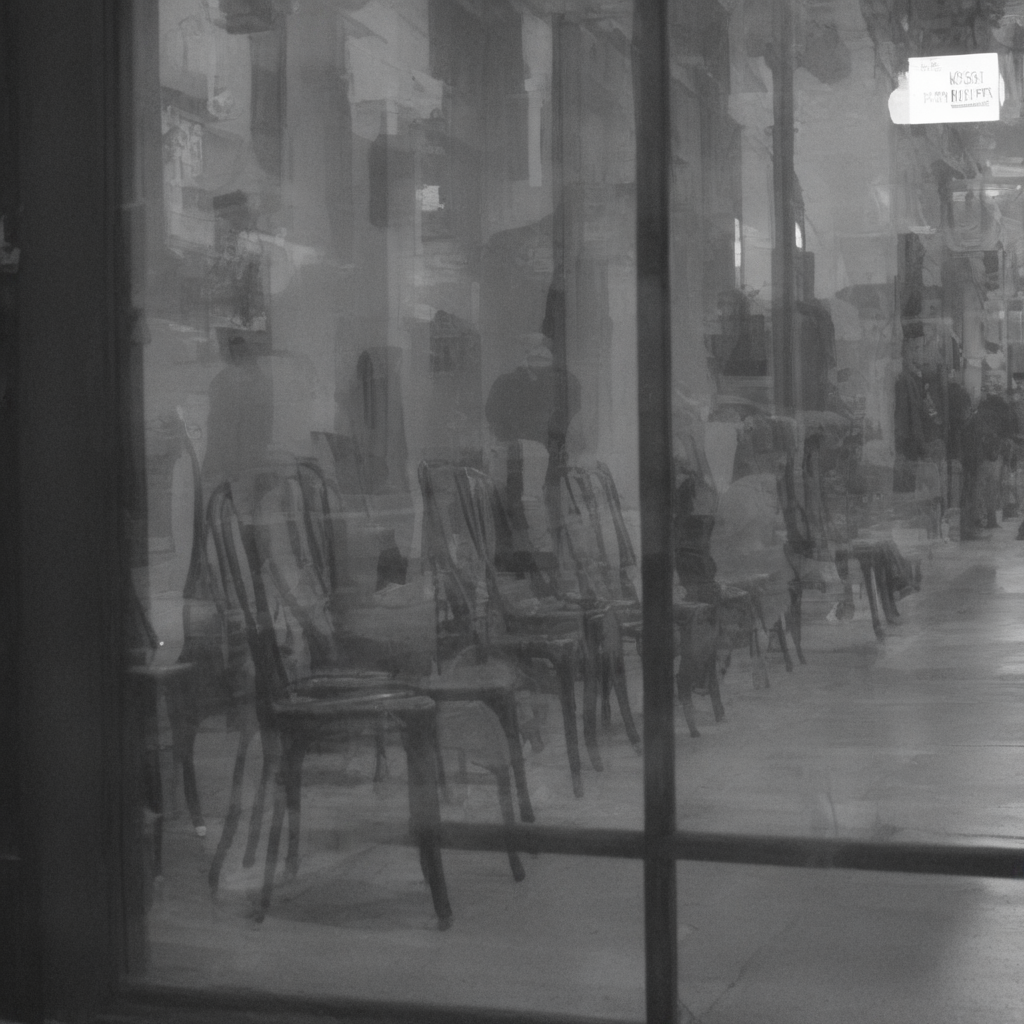
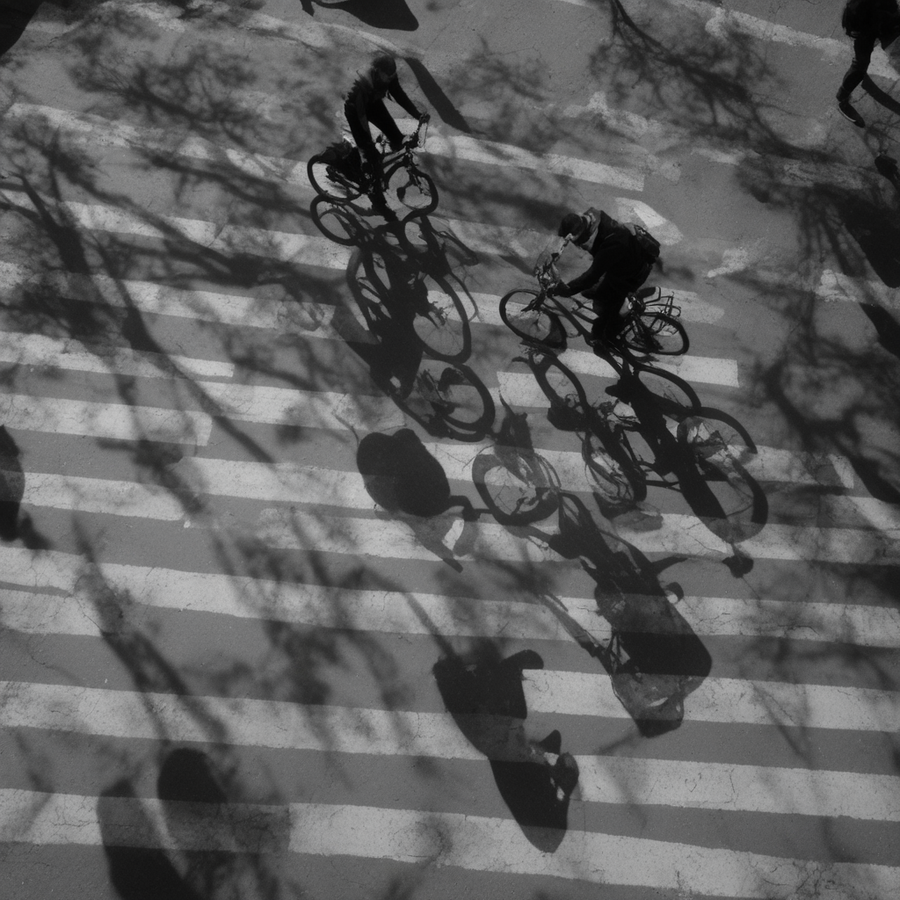
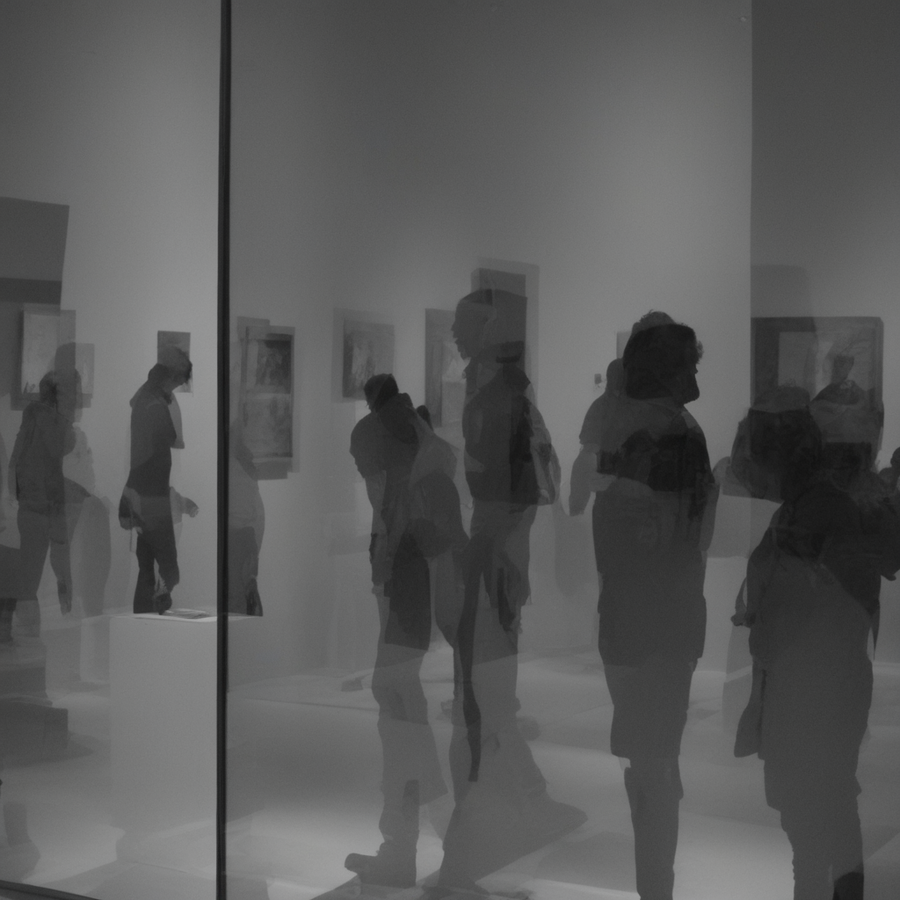
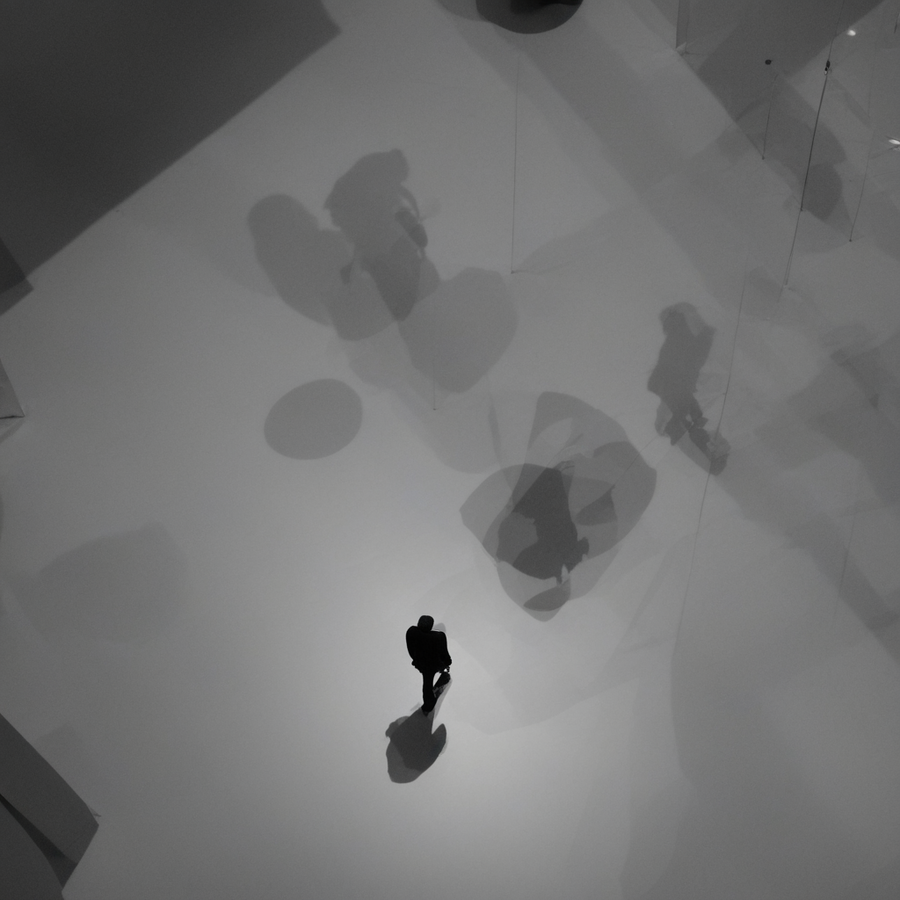
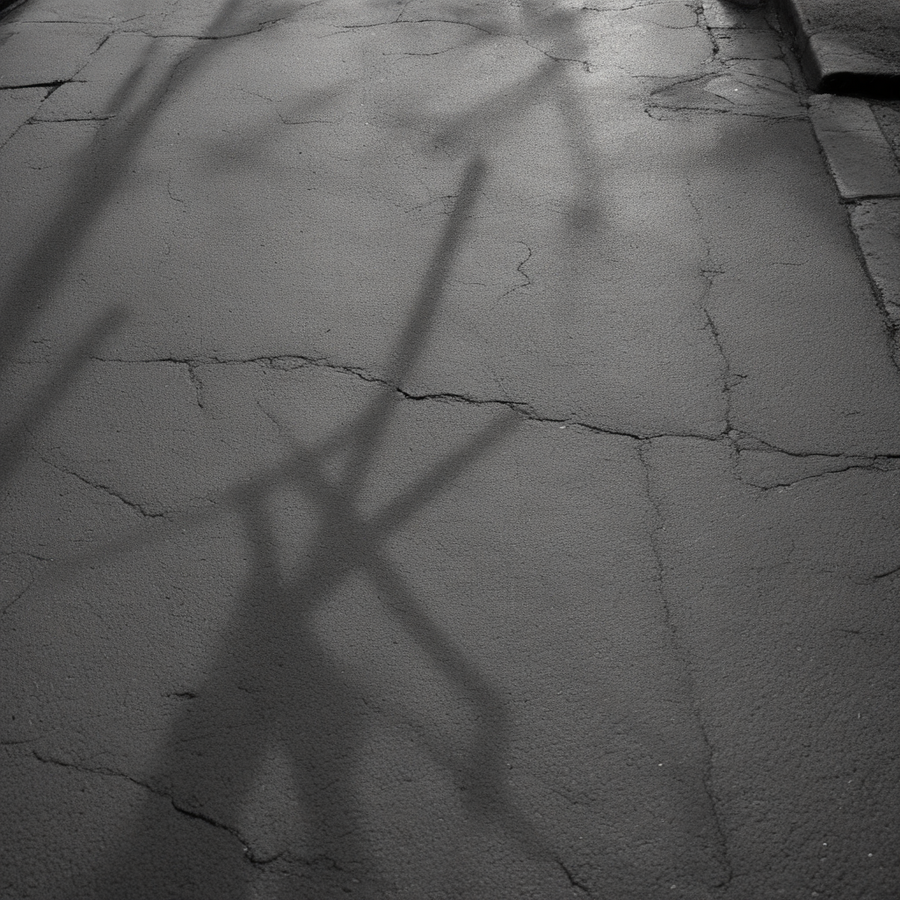
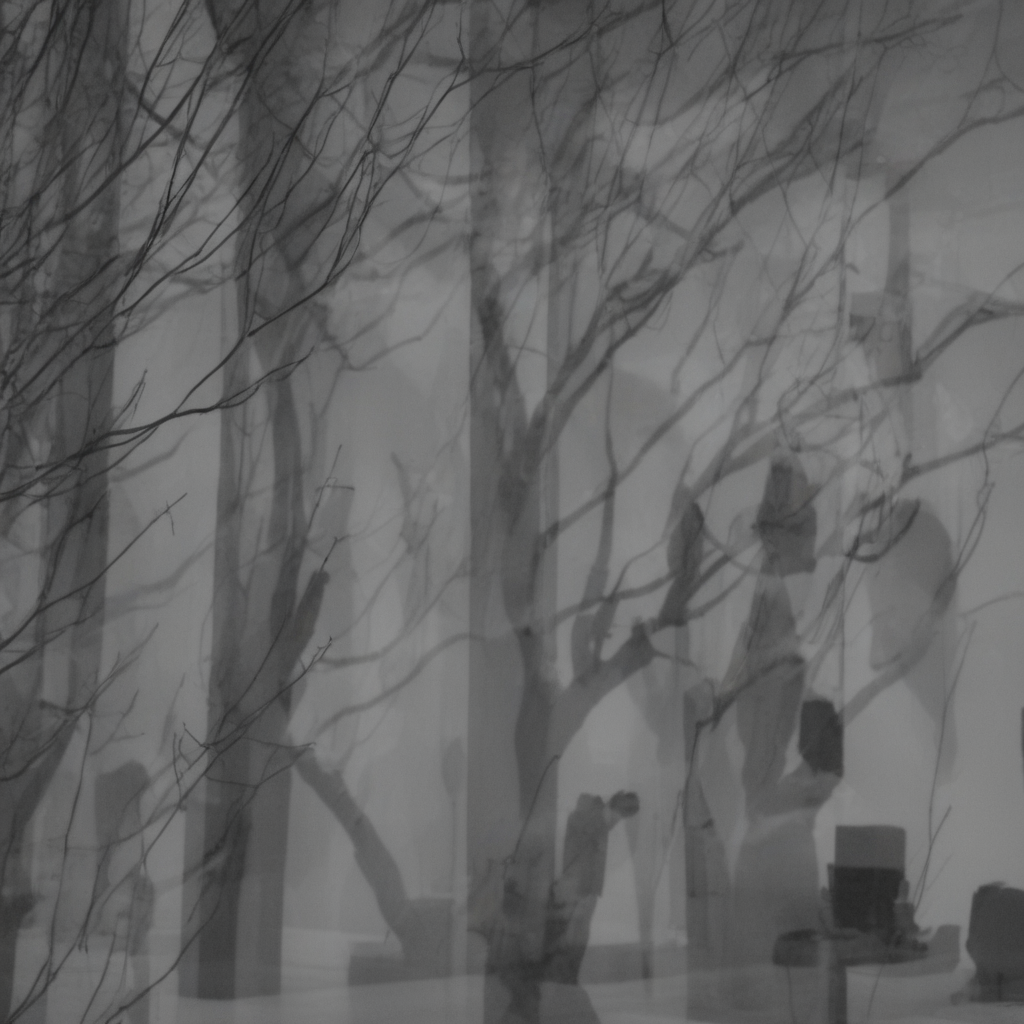
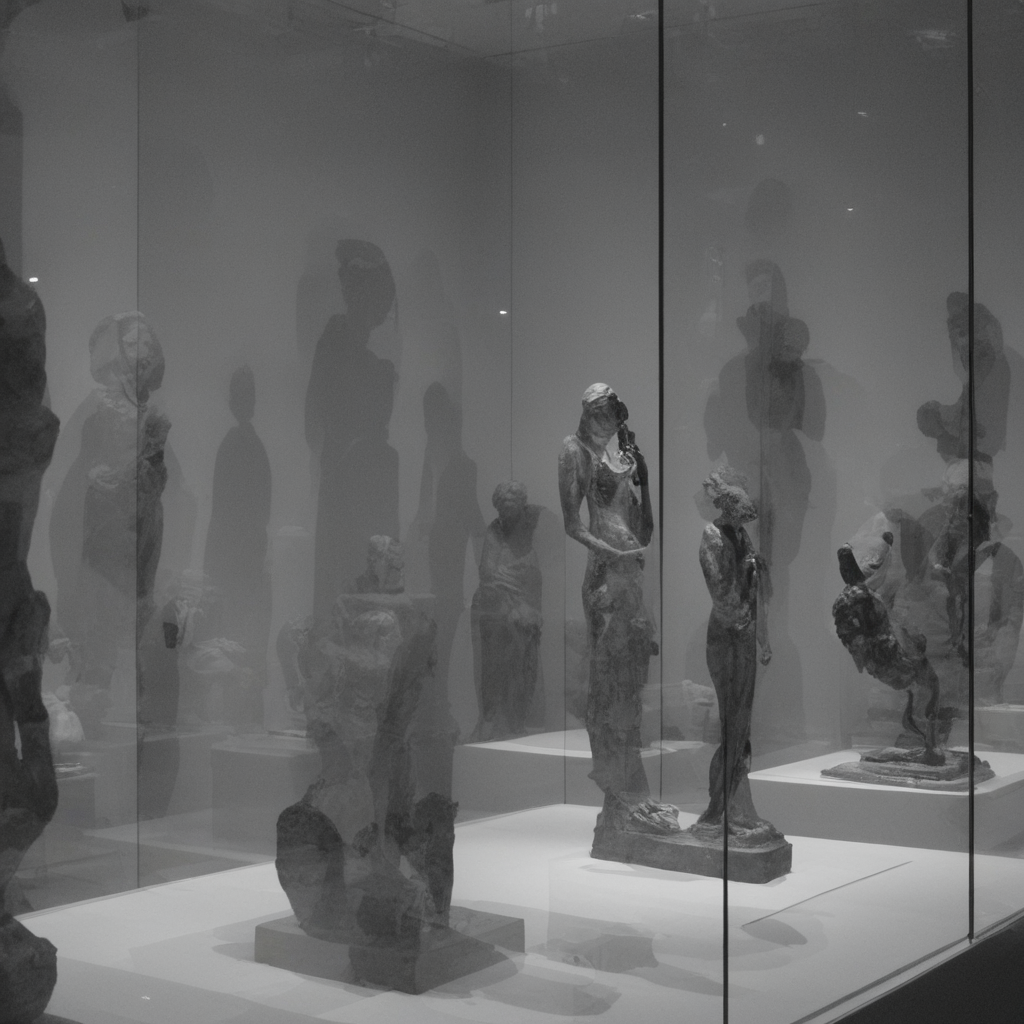
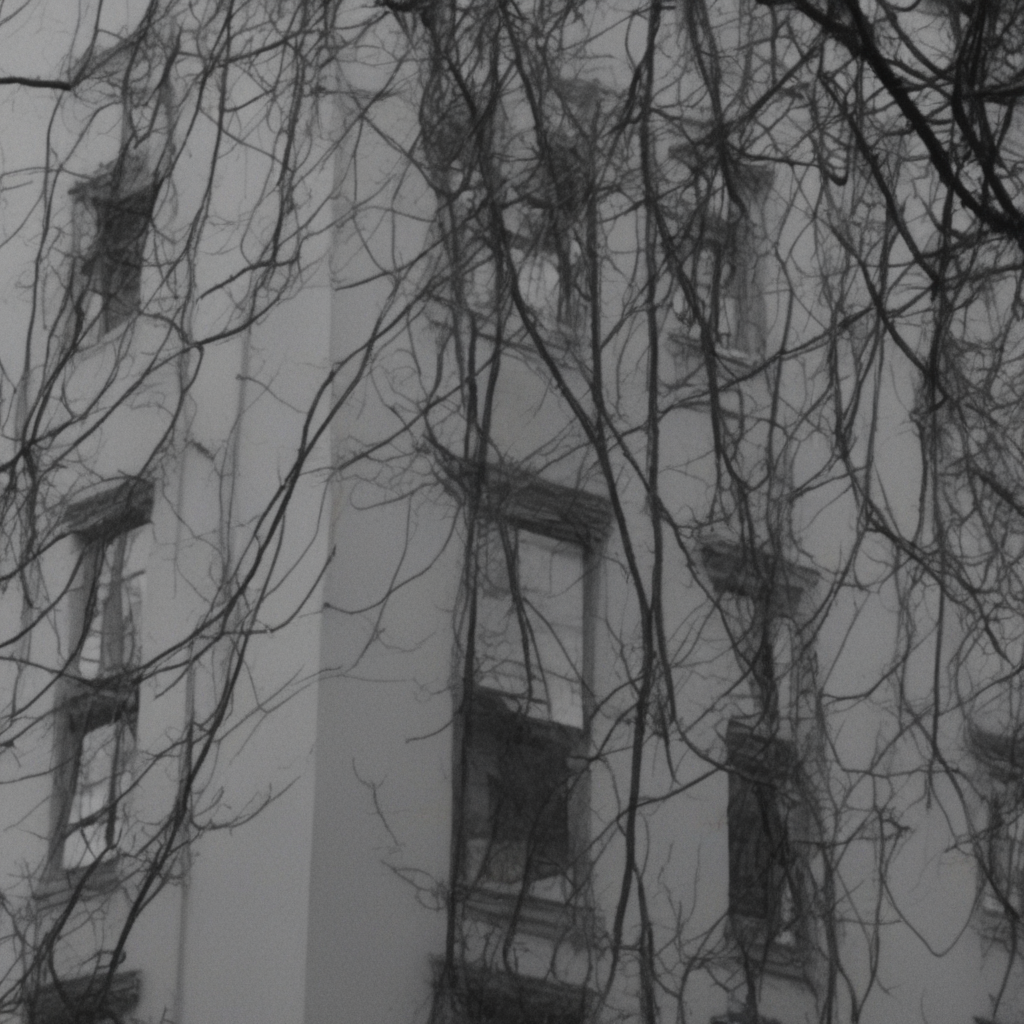
Generated with Stable Diffusion XL + LoRA
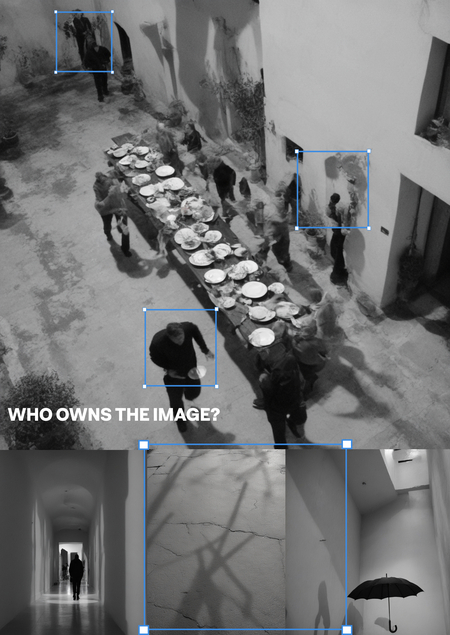
The final image series demonstrates the capacity to transfer the visual language of the source dataset using Stable Diffusion and LoRA. The neural network retained the material’s core characteristics: the black-and-white palette, recurring angles, recognizable human silhouettes, graininess, and the principle of layering textures directly onto the photograph. In most instances, the source materials remain distinguishable, allowing the images to maintain a connection to the original aesthetic.
During generation, the dataset’s individual features are not merely copied but are combined into novel visual configurations. The density of the texture, the distribution of shadows, the character of the surface, and the interaction between the figure and the background all change, while the composition and overall stylistic structure remain relatively consistent.
Nevertheless, style reproduction does not guarantee image fidelity. Blurry faces, excessive shadows, and unnatural reflections reveal the model’s limitations in rendering anatomy, lighting, and material properties. In some generations, semantic inconsistencies arise: visually recognizable elements are joined without a convincing internal logic.
The experiment illustrates a fundamental difference between reproducing form and preserving an authorial statement. LoRA allows for the transference of recognizable visual language traits but does not guarantee complete control over their interaction. The final series aligns with the initial concept while simultaneously exposing the boundary between stylistic accuracy and the semantic integrity of the image.